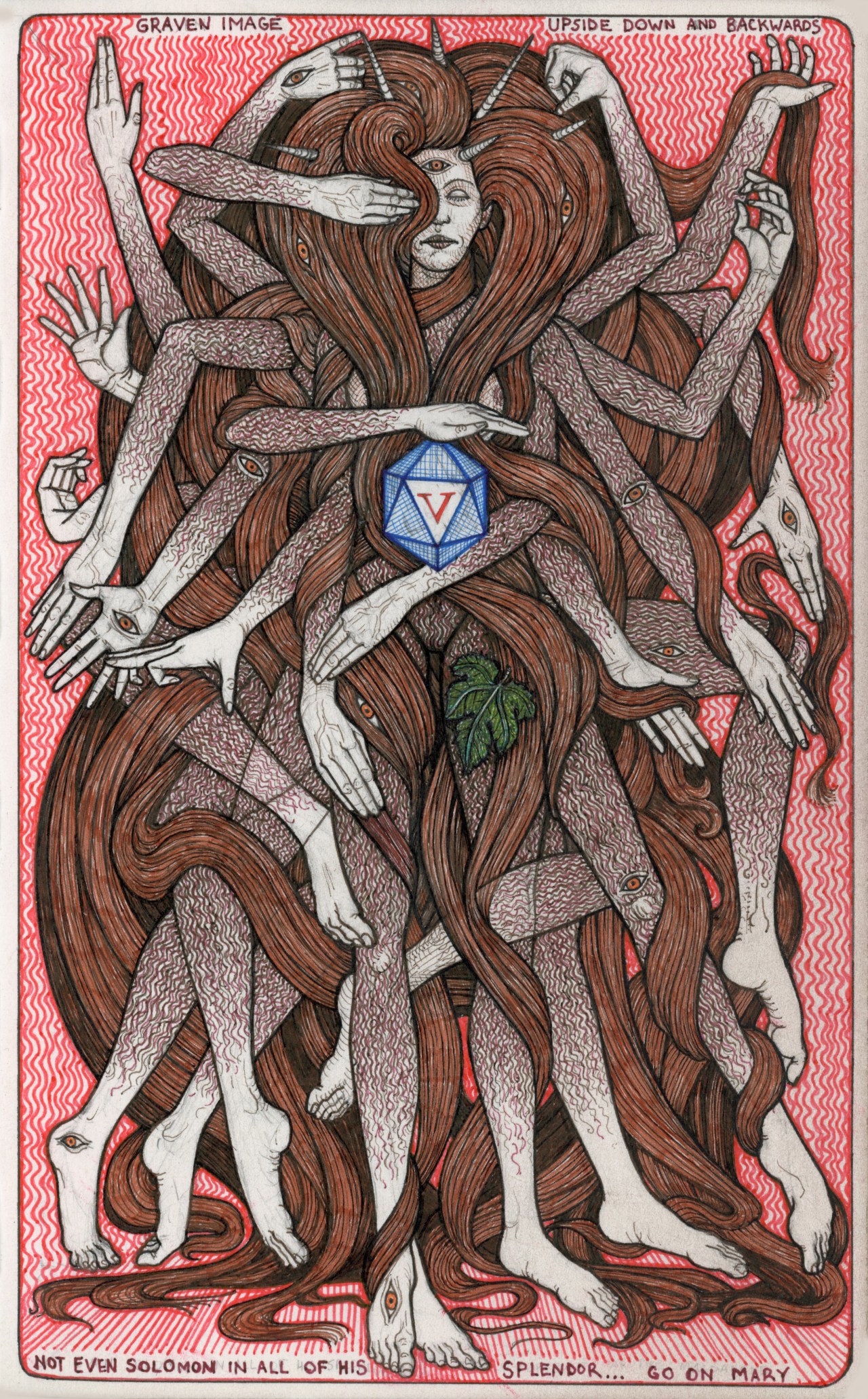
In Resisting, Dung Beetle Falls Backwards and Upside Down into the Monolithic Pantheism of a Kernel Containing Everything
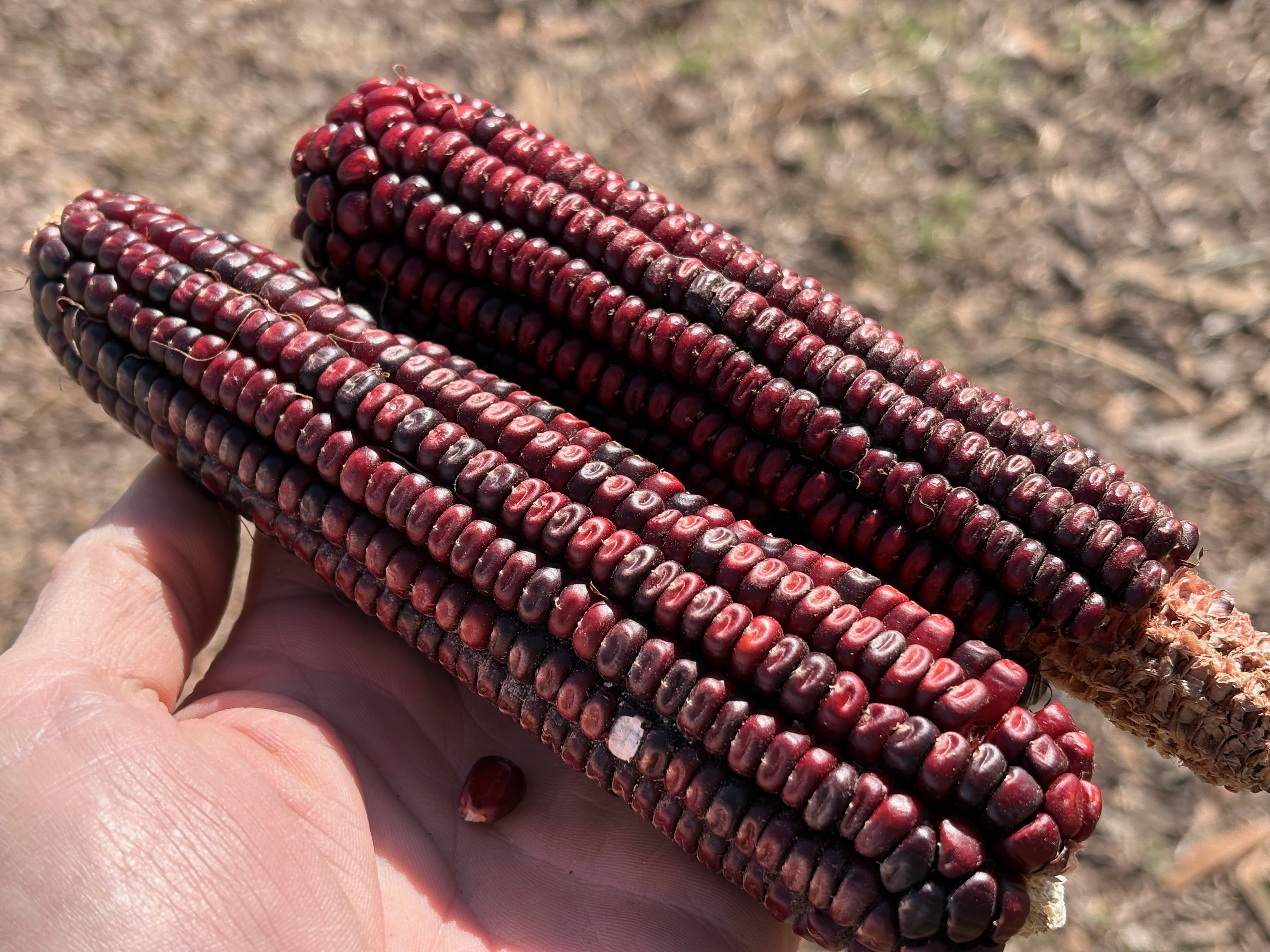
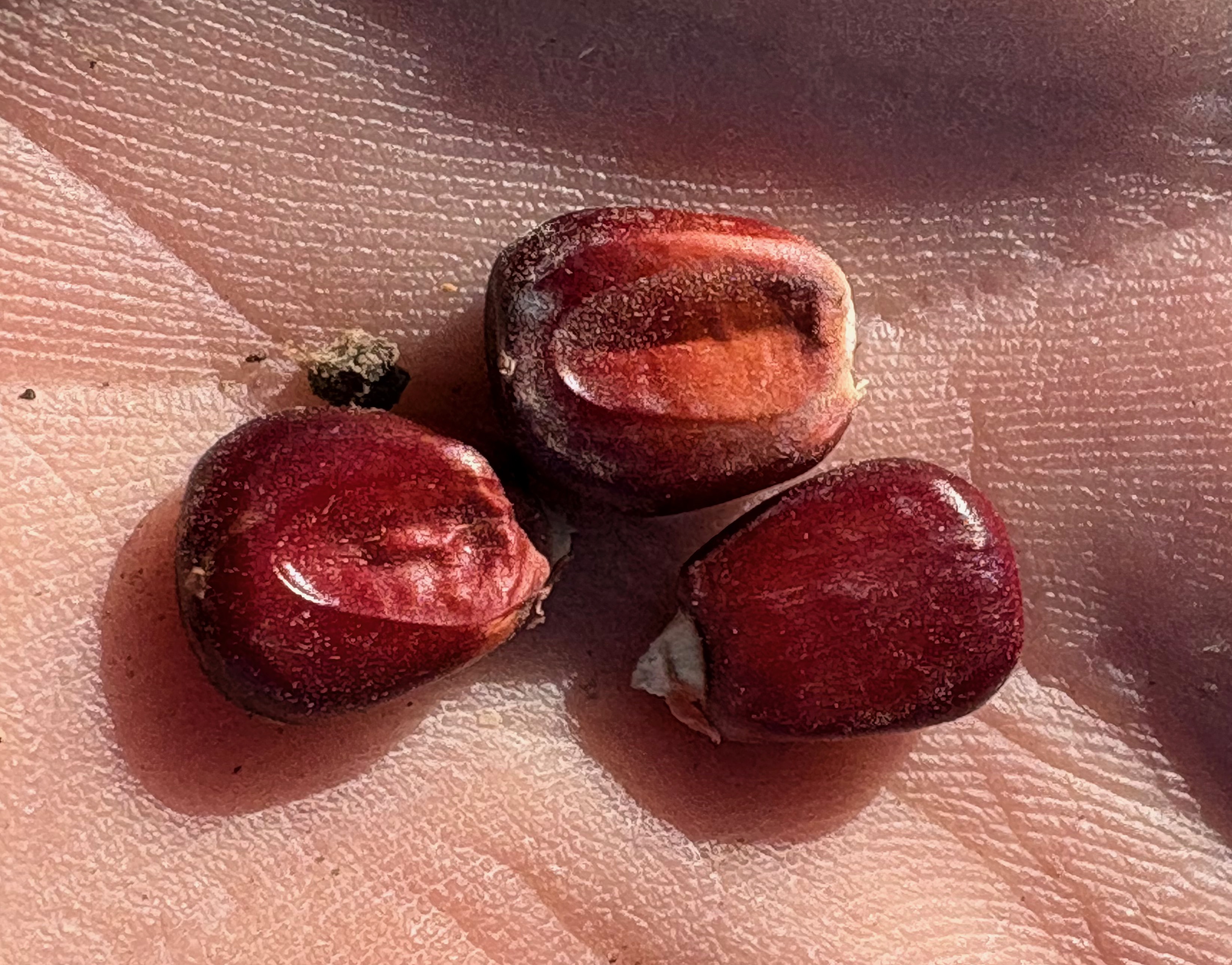
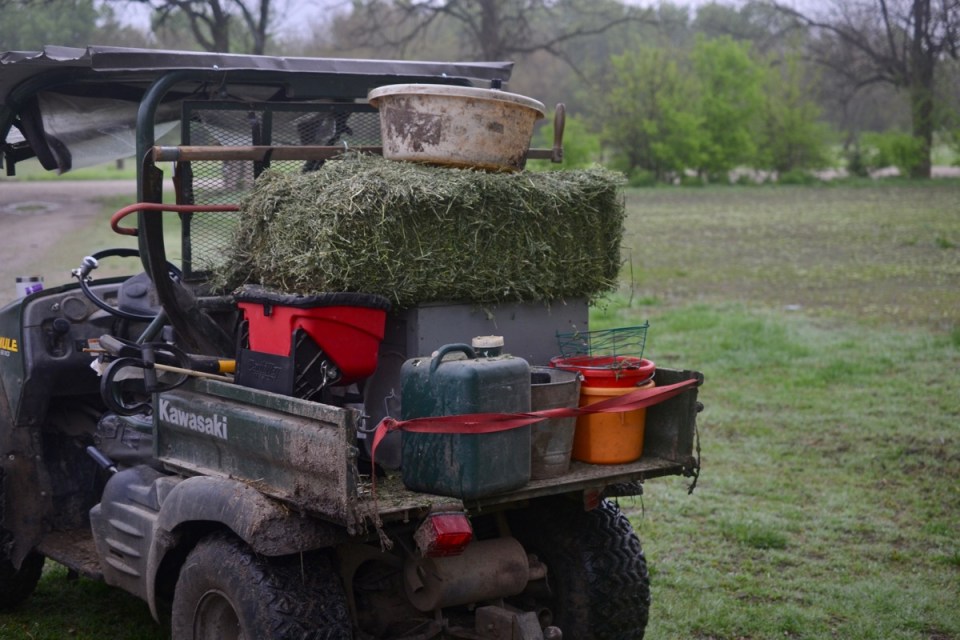
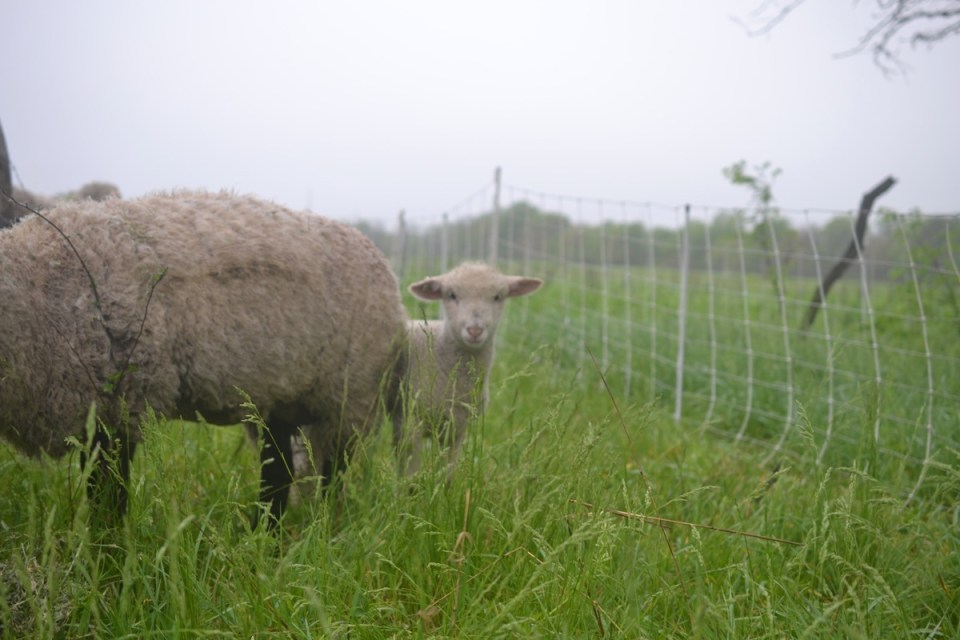
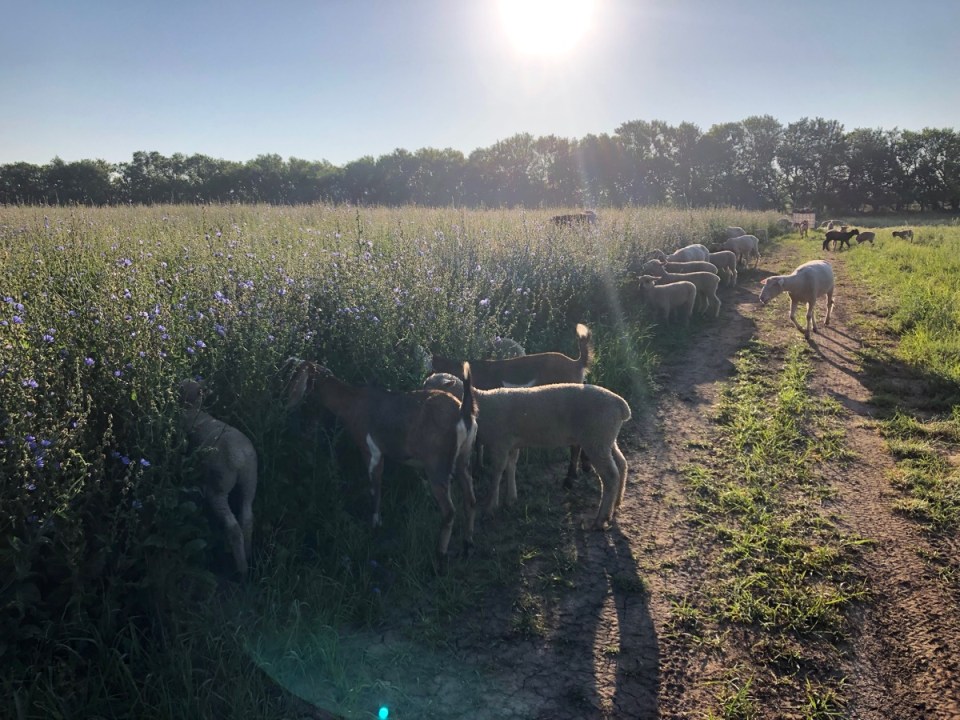
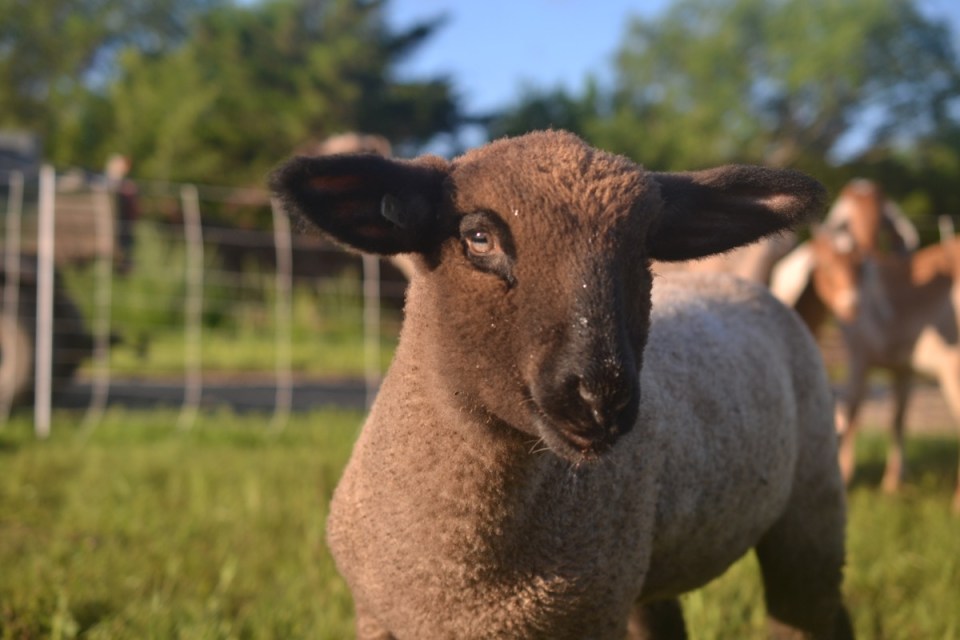
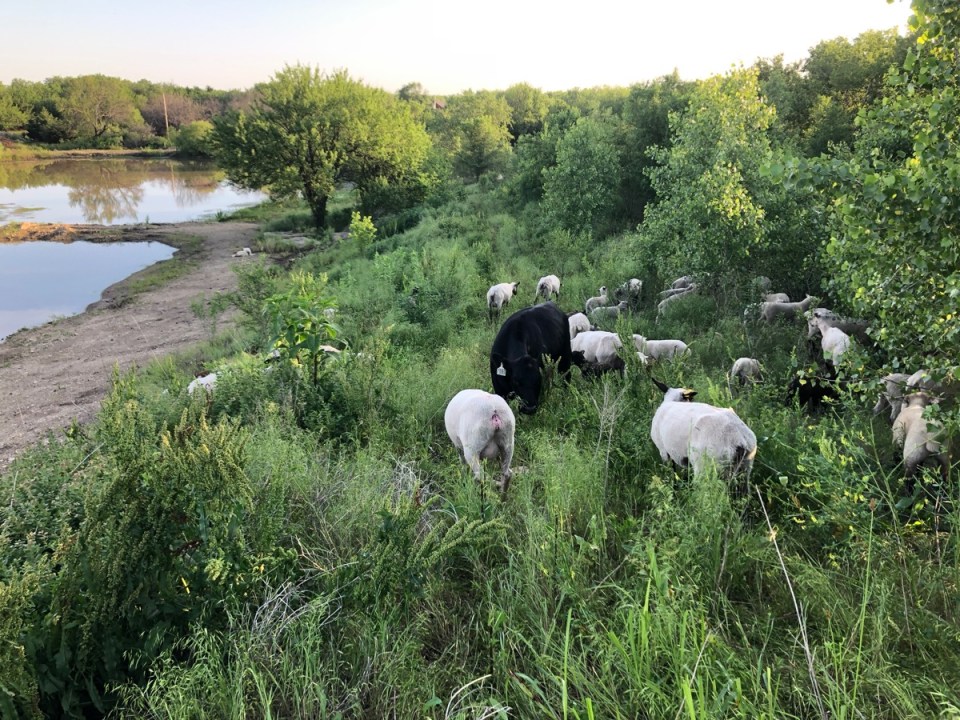
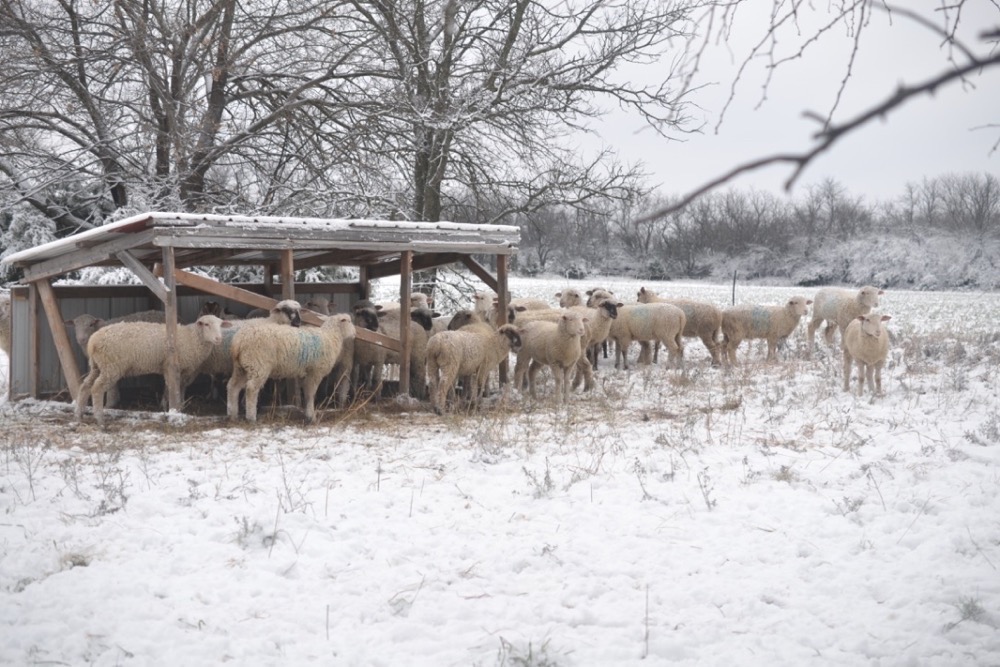
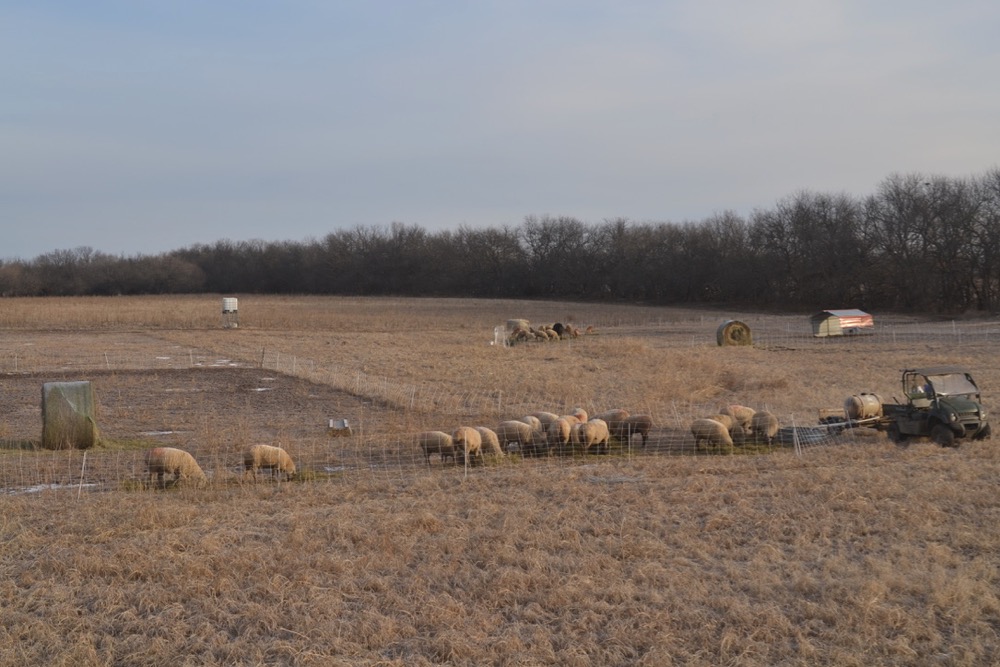
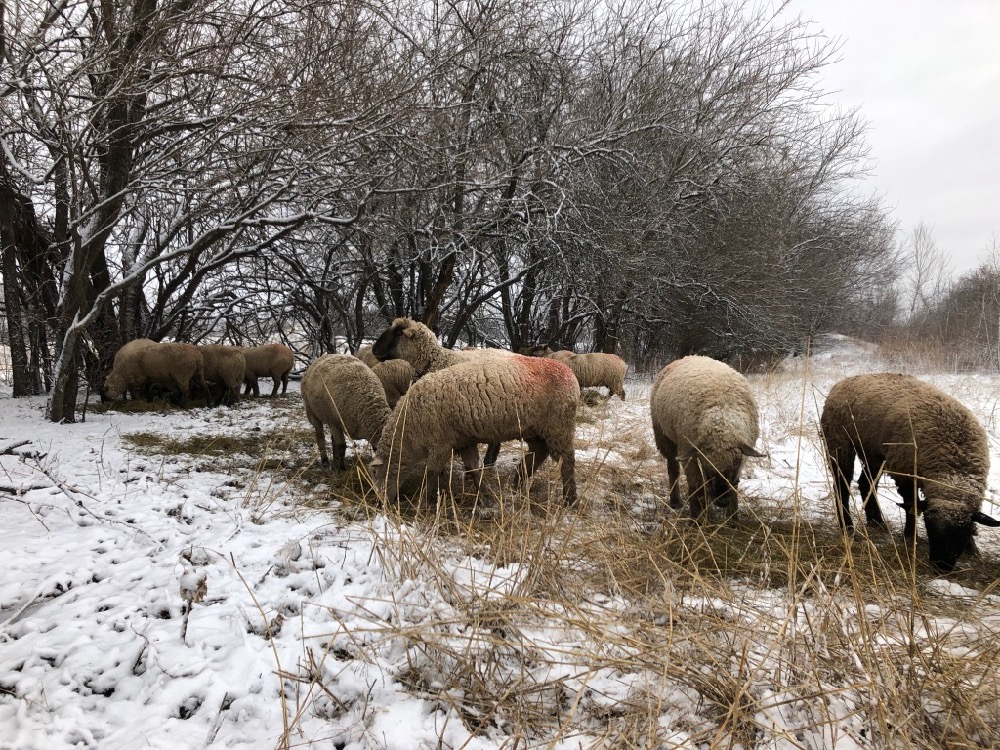
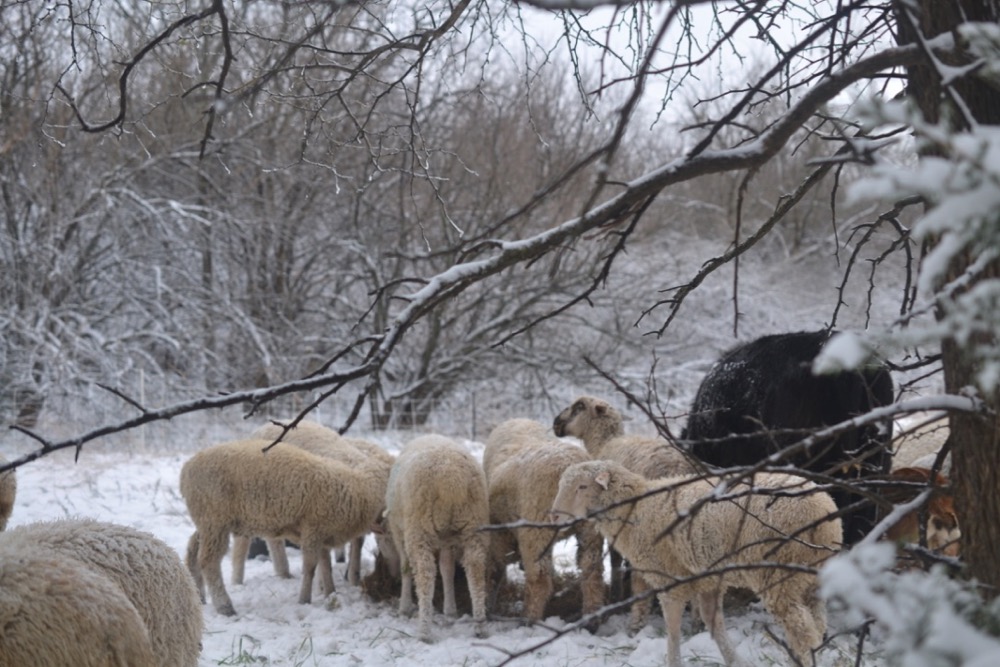
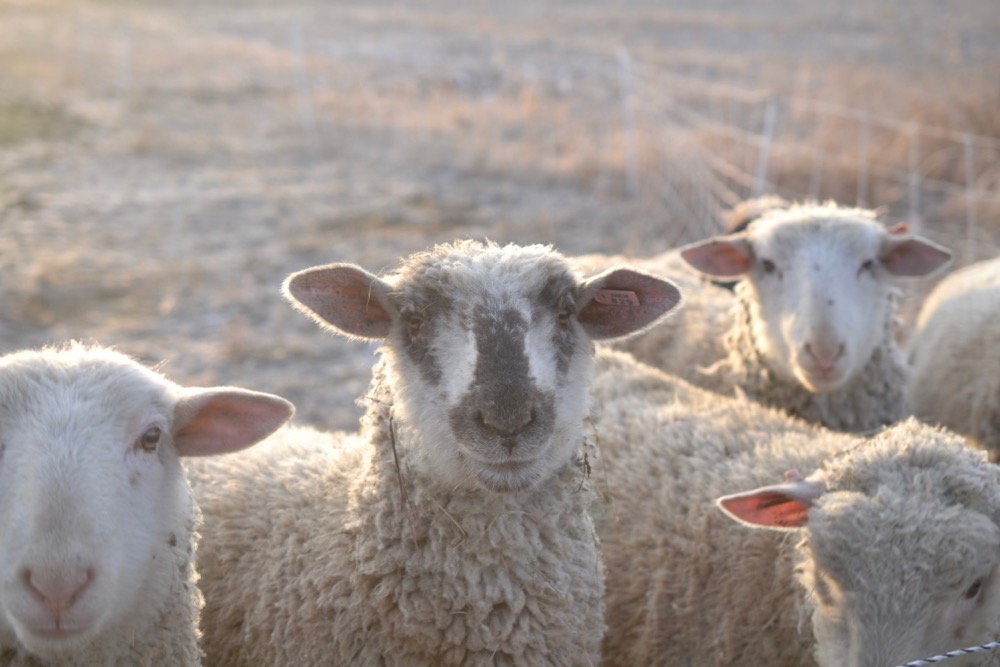
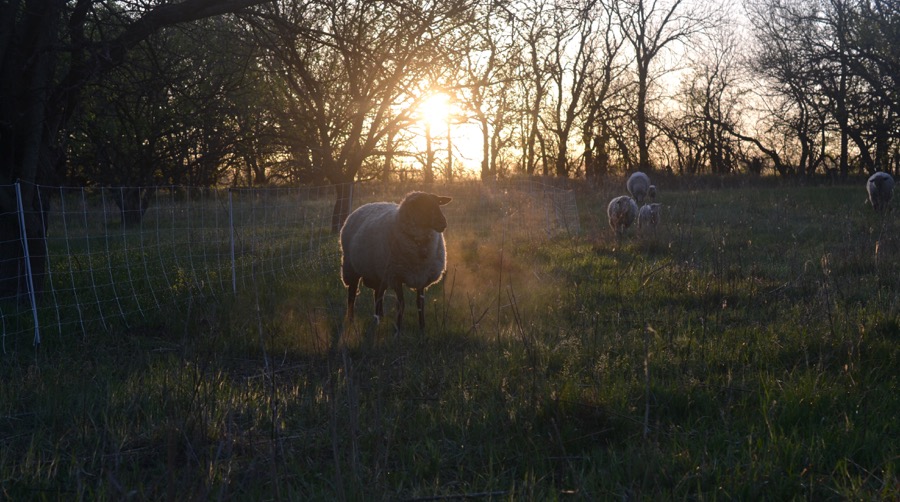
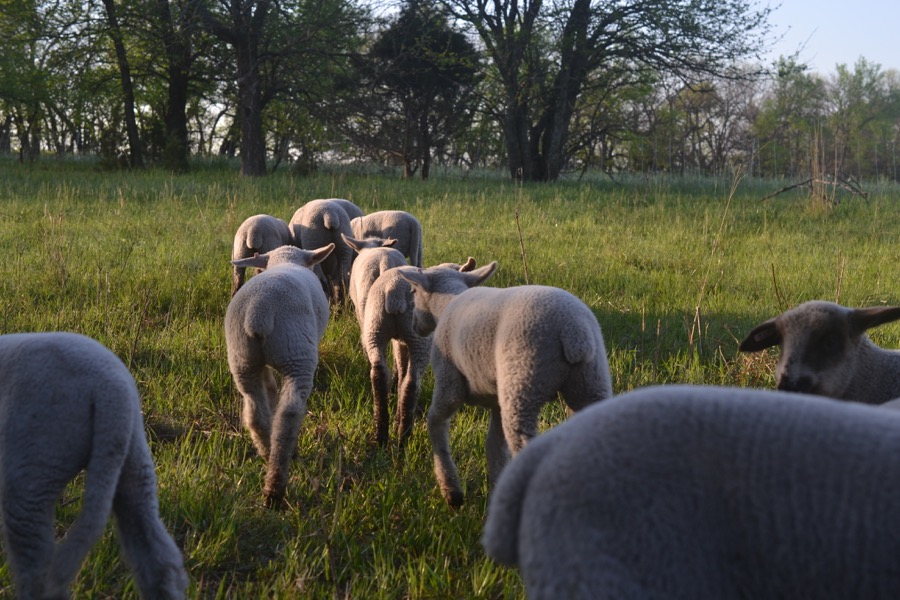
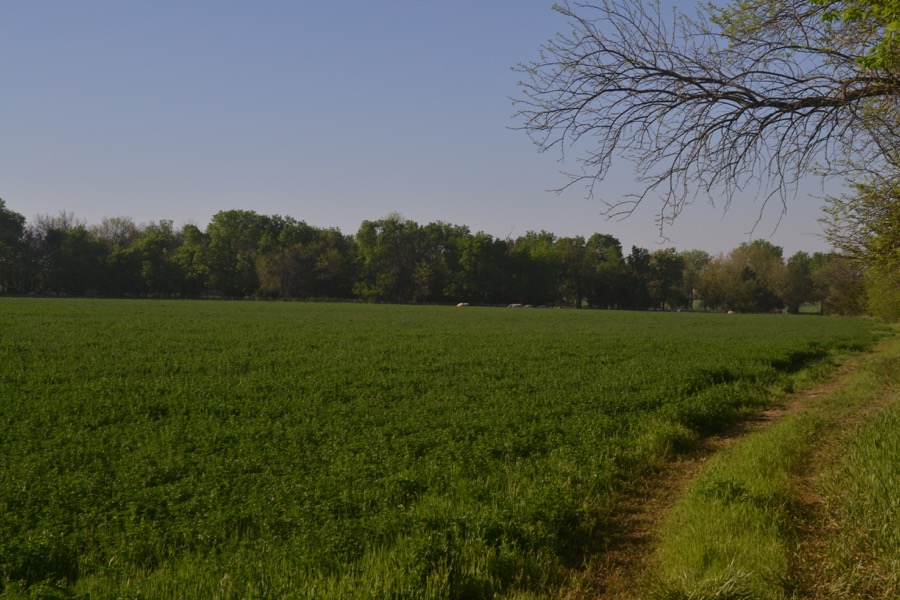
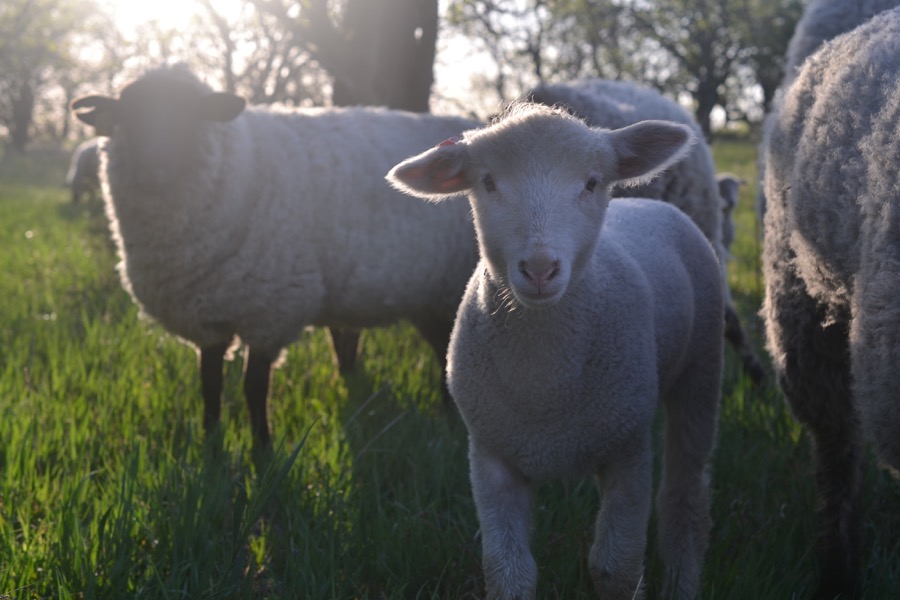
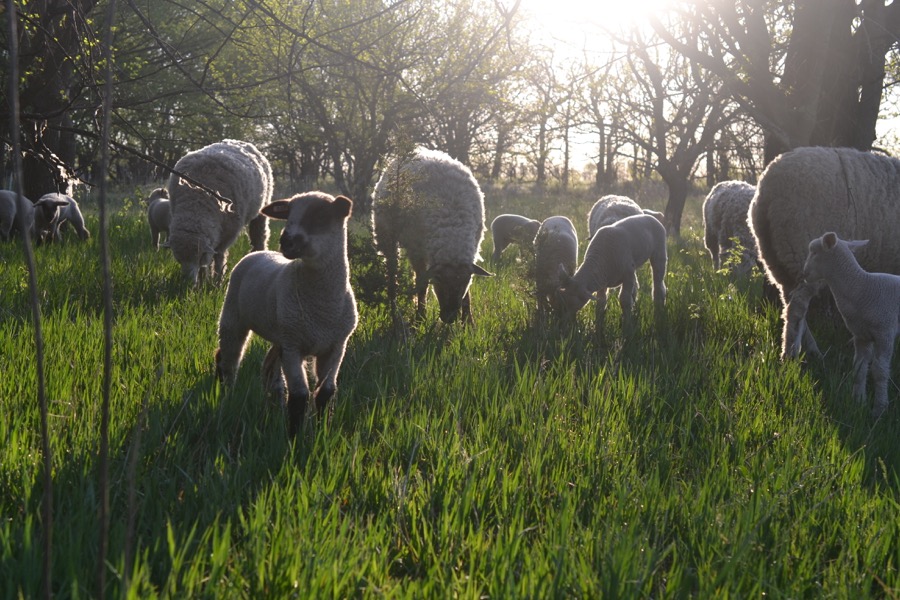
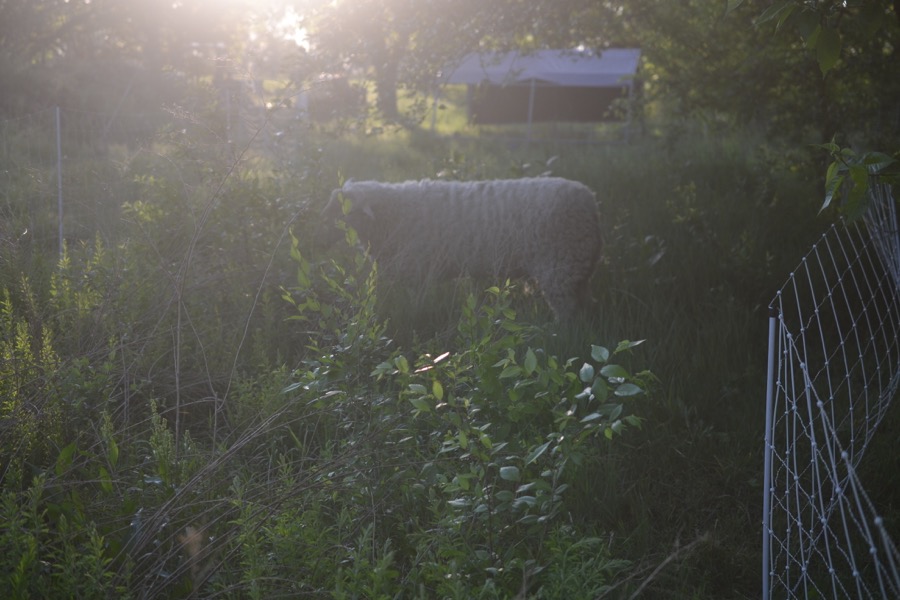
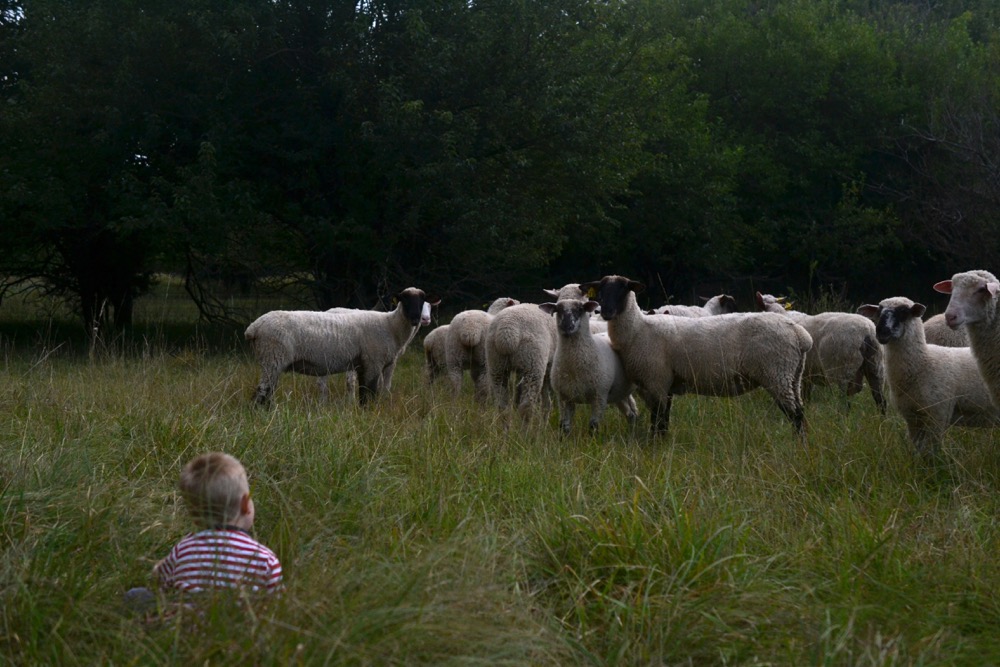
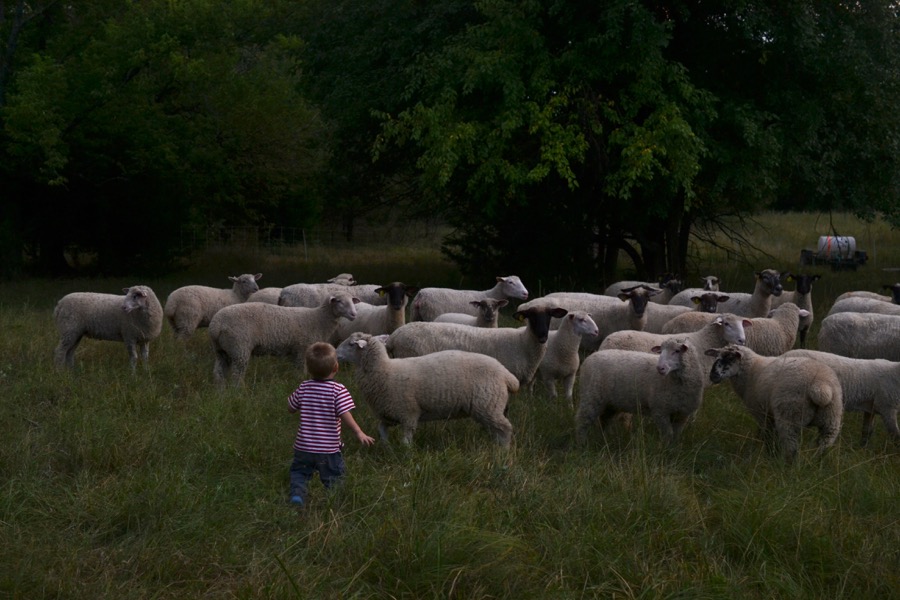
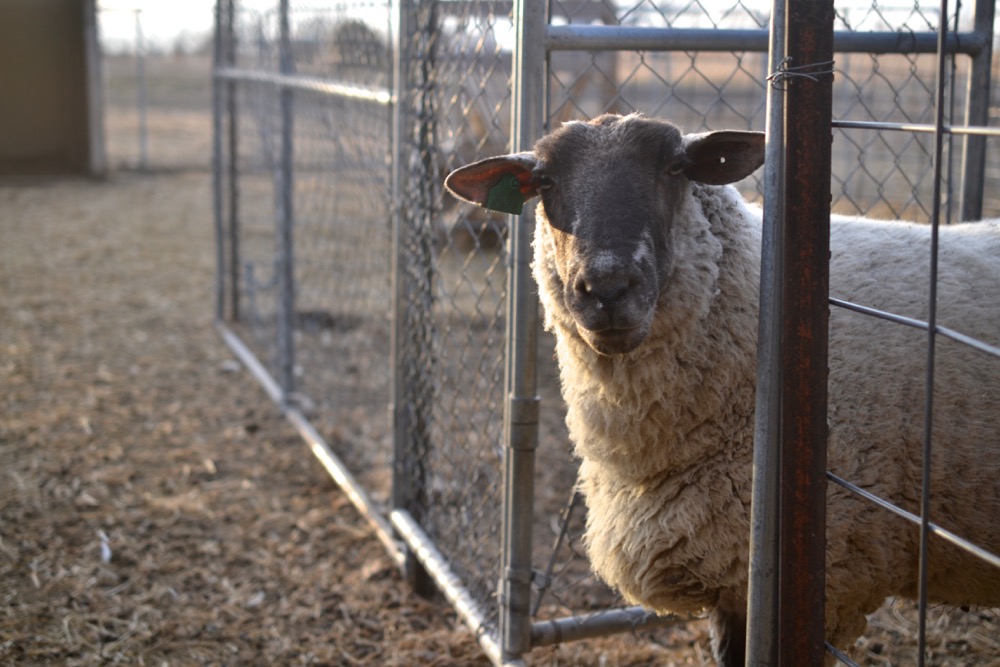
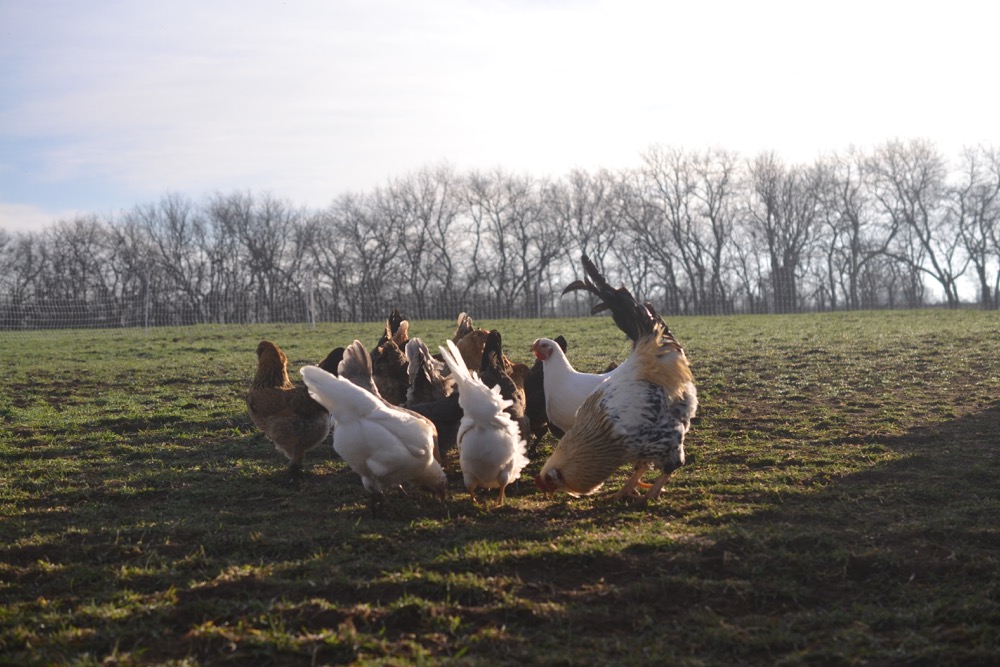
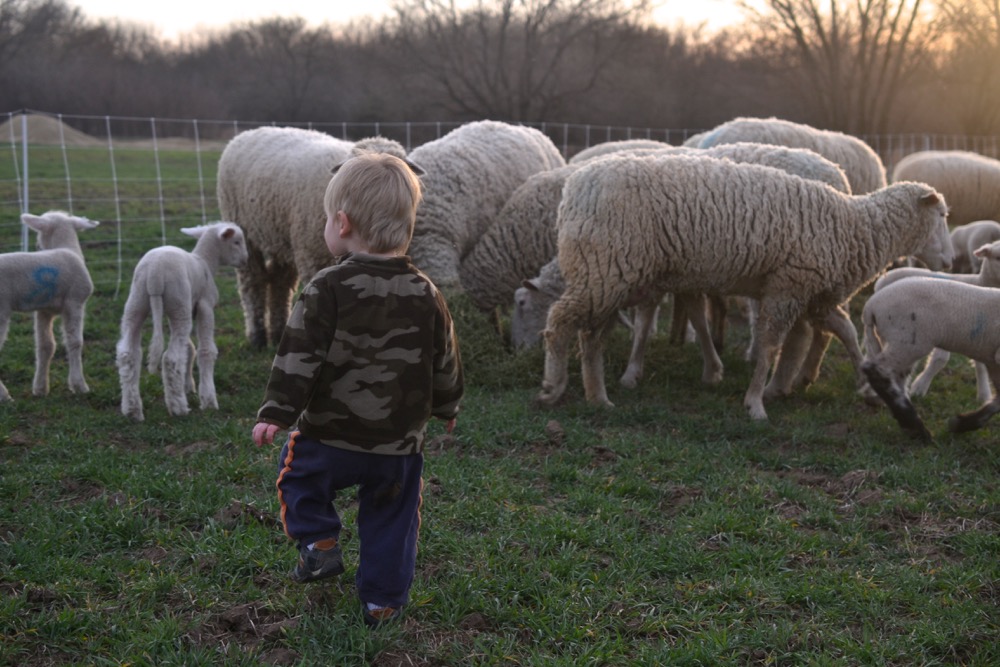
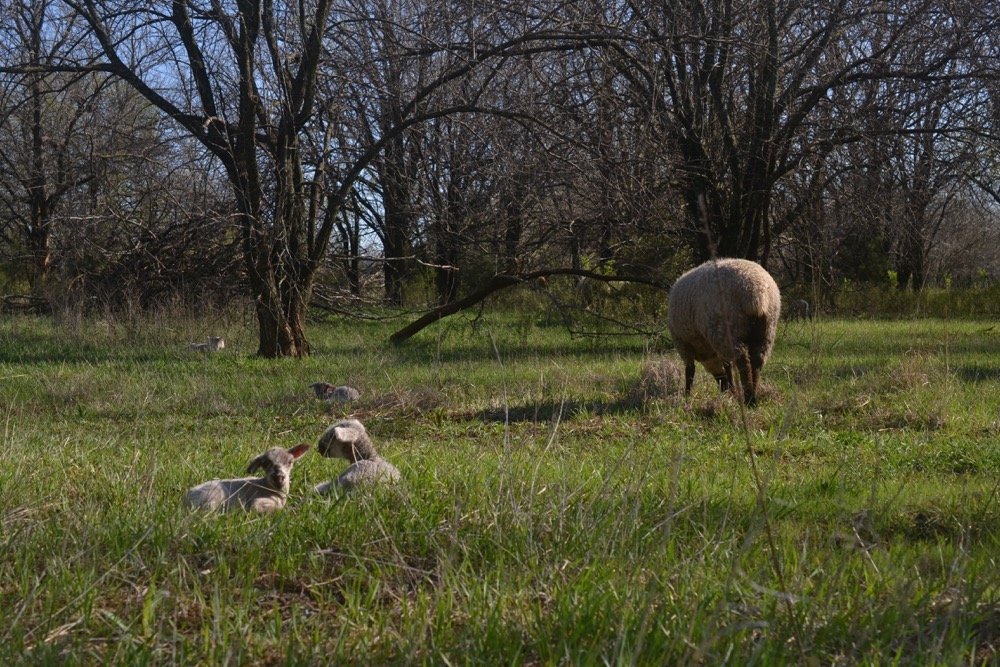
As one resistant of labels, with equal parts zealous interior violence, comic irony, and a dash of cowardice, I walked the fields of this farm land counting my ewes and does, counting the rams and bucks, counting the yearlings, the lambs and the kids and the wethers. It is warm for February. I walk the crop land; the recent snow having melted in the winter sun. Walking through the corn stubble I stop to retrieve, from the earth, two large ears of “bloody butcher” corn missed by the corn picker last fall, missed also by the gleaning deer, raccoon, crows and the like, lying perfect and impervious to the recent moisture until the wet warmth of spring softens their hardness: two glorious ears. I contemplate my relationship to that particular variety of dent corn and through it, the land, and through it to Everything. I consider the blood-red kernels, possessed of this inner light, very much like jewels, but of a different telos. I encounter in there a bewildering and univocal intimacy, and before knowing, and without thinking I fall down into it.
I recall my friend sending me a word, “Panentheism”, a few weeks back, like a gentle test, or inquiry. And I think of Pierre Teilhard de Chardin, the French priest and scientist with whom I most readily associate to panetheism. I like him quite a bit, and his ideas, and I like the word. It is artful, that word. I said to her, I don’t much like labels, generally speaking, but I suppose I would often consider myself a Panentheist.
Panentheism: the belief that the being of God includes and penetrates the whole universe, so that every part of it exists in Him, but (as against pantheism) that His being is more than, and not exhausted by, the universe.
-from the Oxford English Dictionary
But now, facing the intimacy in the interiority of the kernel, it was in panentheism rather than in pantheism that I felt the limit. Indeed, panentheism’s caveats felt more like a weak-kneed parsing, seeking to hold-back and play it safe. It is in the same way that we tend to parse the imagination, classifying visionary experiences (artistic or otherwise) that we find acceptable as “imaginal”, while those that seem unacceptable, for whatever reason, remain just imaginary, made-up, or fanciful. I know why the distinctions are there (and I love Corbin), but sometimes they piss me off. And just this morning I had written in a bit of a headache trance: “Imagination is God, Art is God”. As if I had decided that I no longer had the wisdom or the will to sort these matters out, or distinguish between them. I watched a lifelong internal rift between God and art vanish in the twinkling of an eye, and it was good.
Back in the kernel of red corn out in the field, instantly and unexpectedly I slip from panetheism into pantheism. As quickly as putting on a shoe- or taking off, I am in an entirely new dimension of the world. The fall is easy but precise, and not without risk. I have no will to be safe in regard to the Heart of Everything in the kernel. A pantheism of necessity where I choose nothing and where I choose Everything. And I am “naked on the horn of the world”.
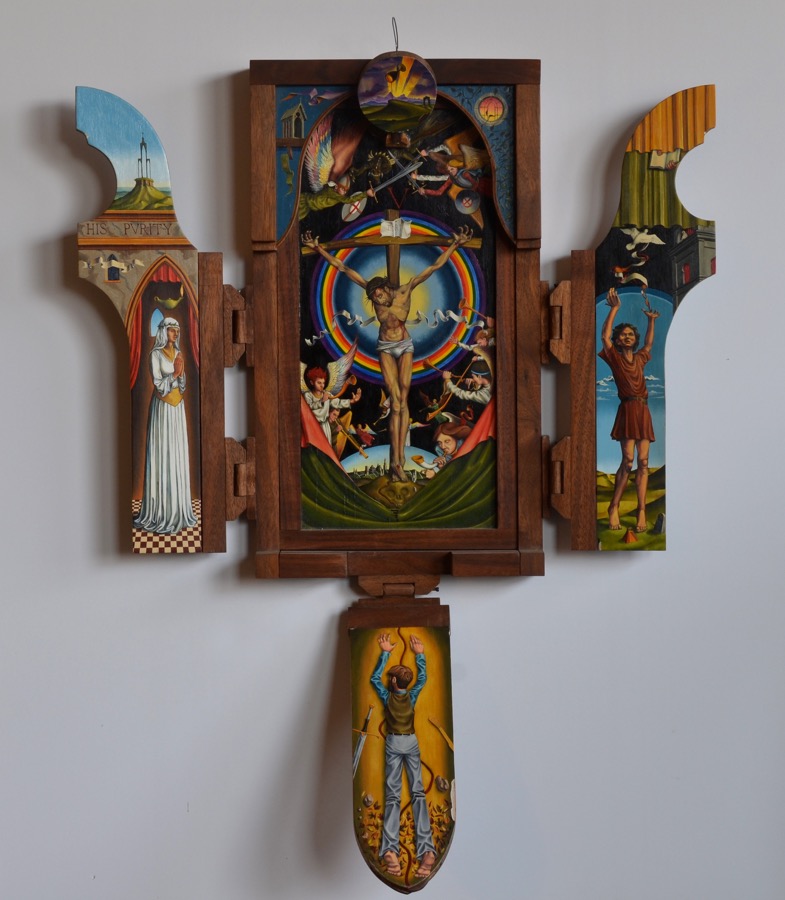
Over the years I have watched my discernment deliquesce, losing familiar boundaries amidst the univocal acuteness of the immanent transcendent intimacy of encounter. These moves which seem outwardly as a “falling away” are indeed a falling, but a towards-falling, a deeper-into-Christ-and-his-wounds-falling. A cascade failure into the mysteries and reconciliations of those wounds. A dung beetle descent into the earth and her wonders. The stigmata materialize and manifest and I pitch over into it. I tumble into the graven image. Image becoming likeness and circumcised on the heart. I might end up with a heart like Queequeg’s face. The wound and the eye are one.
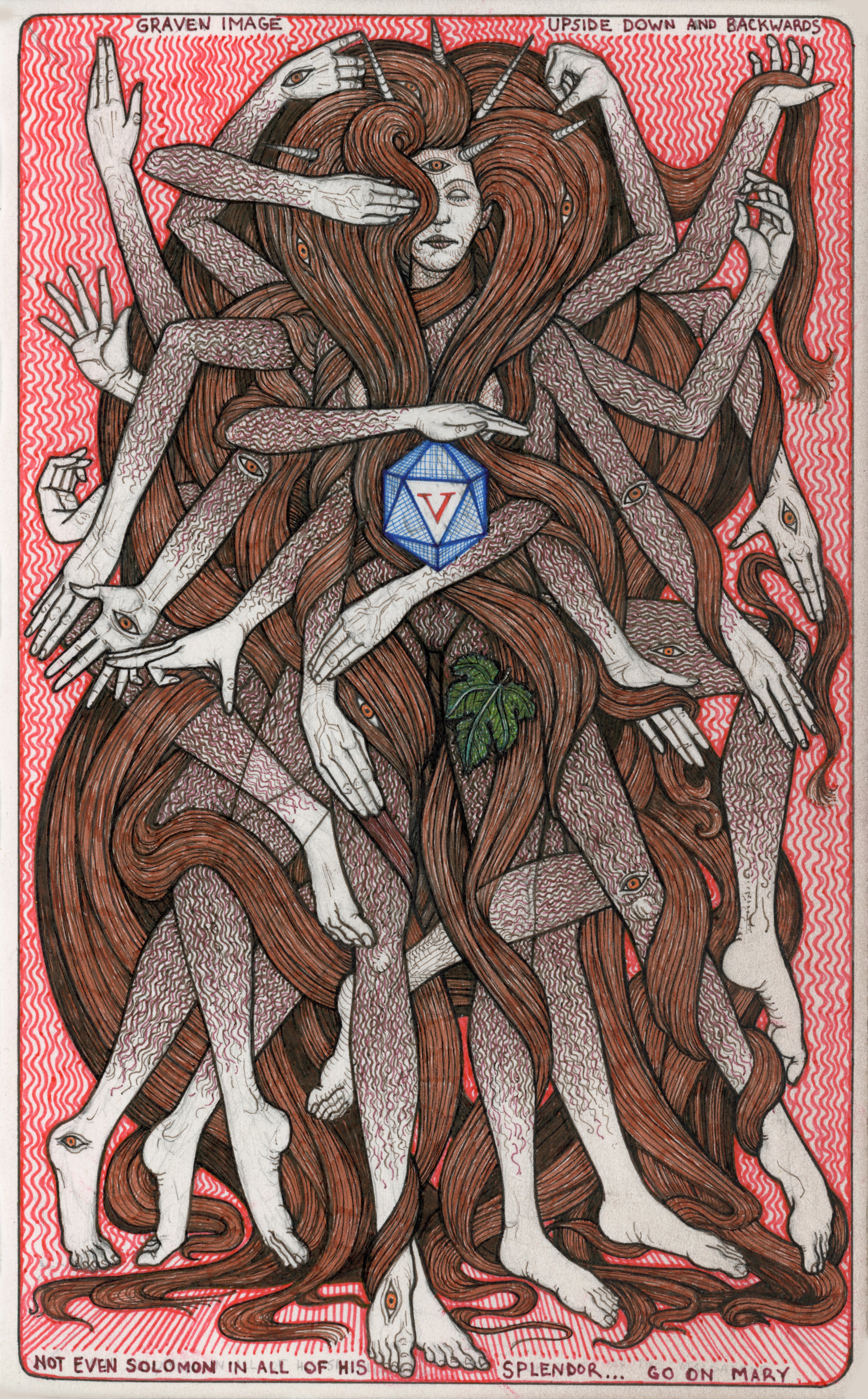
I emerge with a blessing, mined long in the trouble of the earth, fashioned from the resistant material of words. This blessing is backwards and upside down. If I understood it, perhaps, I would not offer it, but as it is so I must. So, I bless you with this blessing which is backwards and upside down. It is the blessing of the indirect way, and the willingness to endure it. It is the blessing of the third way, when you are only offered two. It is the blessing of wearing the wounds of Christ as a garment, dwelling in them. Not even Solomon in all of his splendor was clothed as one of these. It is the blessing of the Graven Image, the moment when image transforms into likeness, circumcised on the heart.
This upside-down blessing defies the senses, it is supersensible in a left-handed way. What appears to be rotting is a flowering below, what tradition holds to be a sacrilege and profane is sacred and holy and pure beneath the threshold of knowing. It is Coyote’s blessing; it is Raven’s gift. It is Jesus saying, “you have heard it said, an eye for an eye etc., but I tell you, love your enemies, and so on”. It is the kingdom hidden inside the mustard seed. The upside down and backwards is resistance that looks like abdication and failure. It is a divine and holy silence that feels like complicity. It is losing explanation and definition for the awe and intimacy of mystery and paradox.
There is never an interpretation for the backwards and the upside down. It offers no proof and no footholds. It is the mystery of the drunkard and the addict who find fire. It is when God becomes Imagination, and when God becomes Art- and not because the form is necessarily good or beautiful by established standards or sound judgements.
It is Jesus showing up as a Trans-person. It is the astrologers suddenly having the answers where the priests are blind. It is the water-witch locating the spring. It is Nebuchadnezzar raping Jerusalem and Jeremiah buying land from the pit. It is finding God when every other voice says “not God!” It lost the rules and burnt the patterns for sake of the seeking of the Kingdom of Heaven, forever standing the world on its ear.
So, I bless you backwards and upside down in the name of Jesus of Nazareth. If you do not want this blessing, wipe the dust from your feet and give it to me. I will take it, I want the dust.














































































 The School of the Transfer of Energy