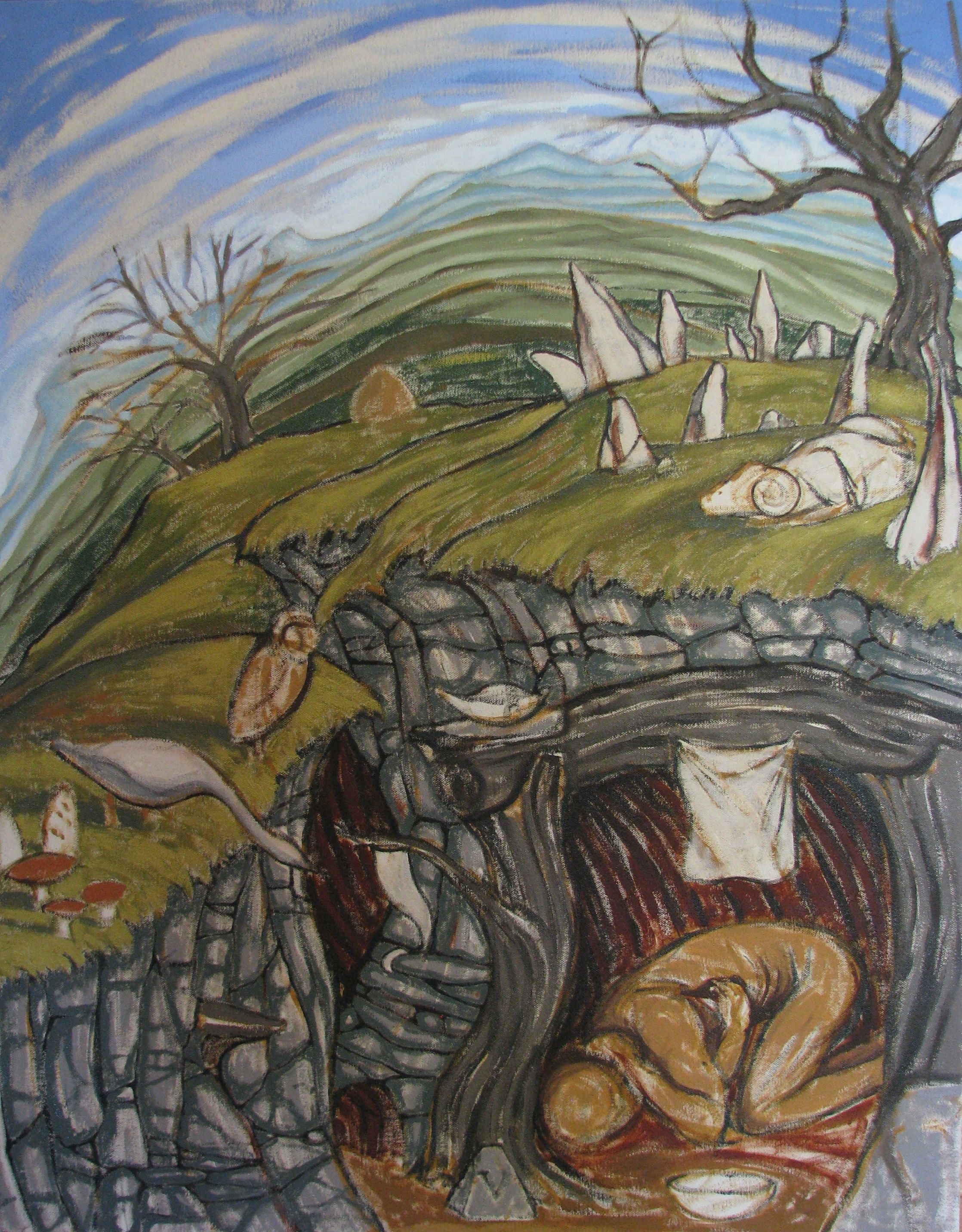
Slow refinement upon the underpainting of Job in the Cave of the Erth.


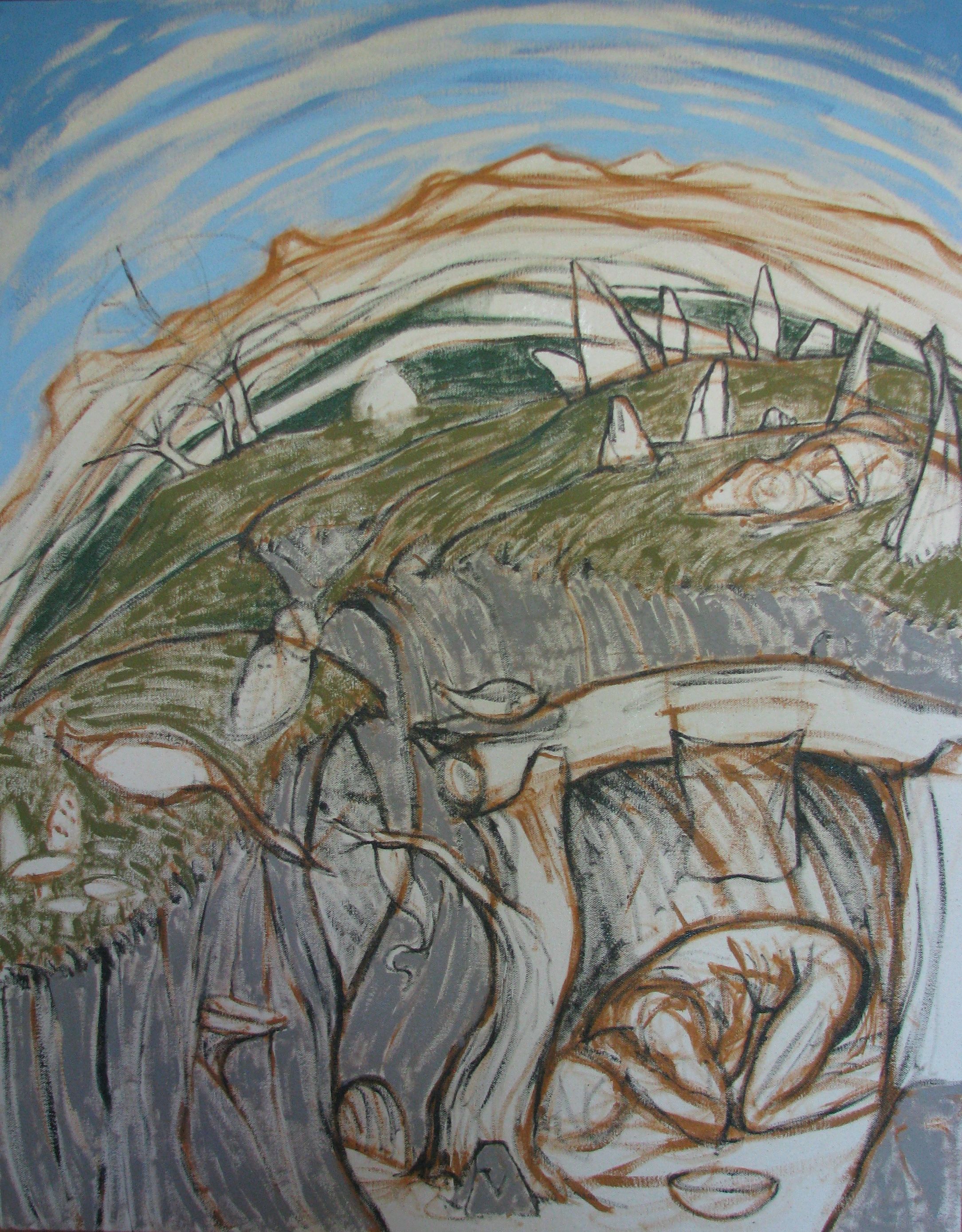
Slow refinement upon the underpainting of Job in the Cave of the Erth.

!st of 3 natural edge Osage Orange bowls. This one is gone already, but 2 and 3 are available.
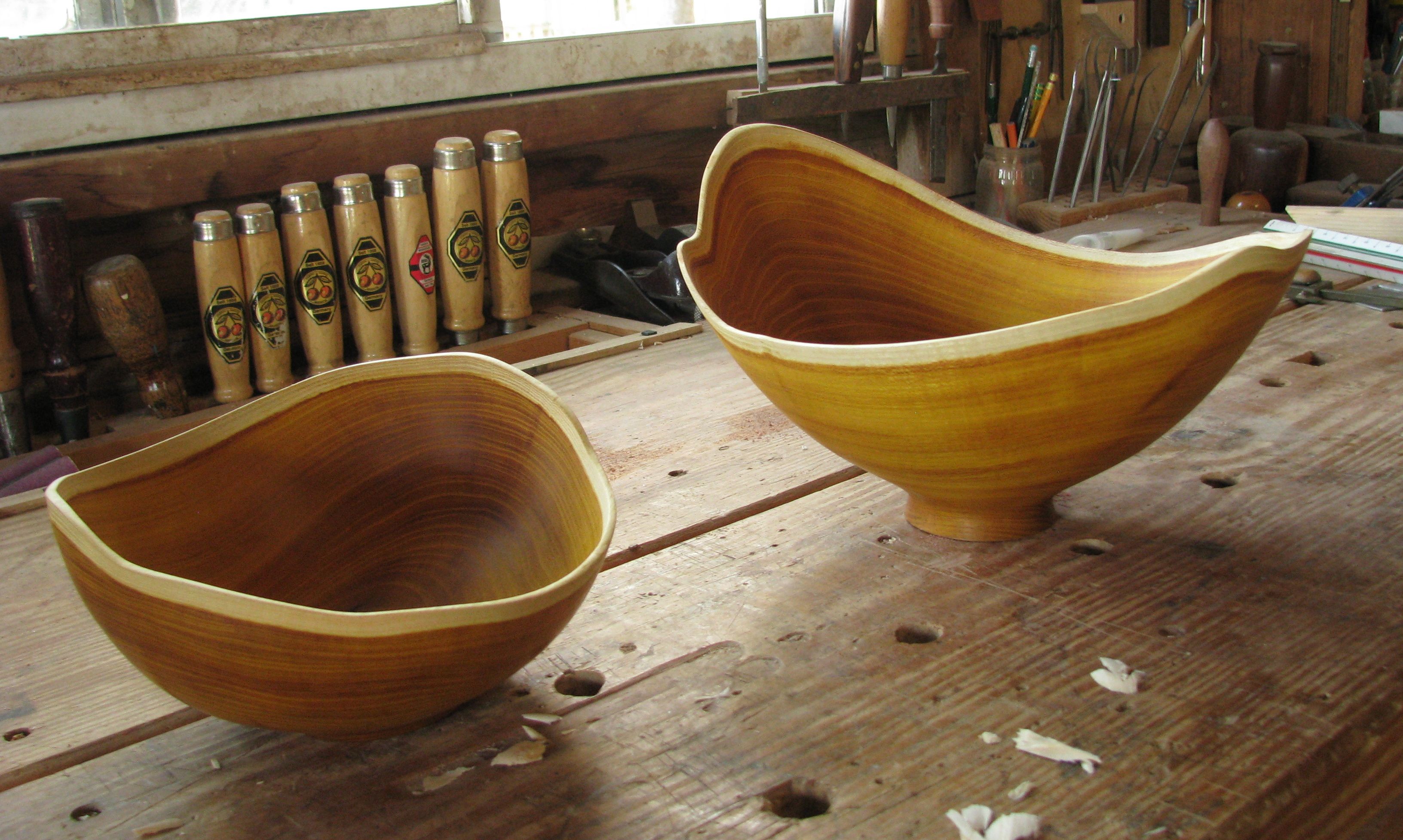
2 & 3
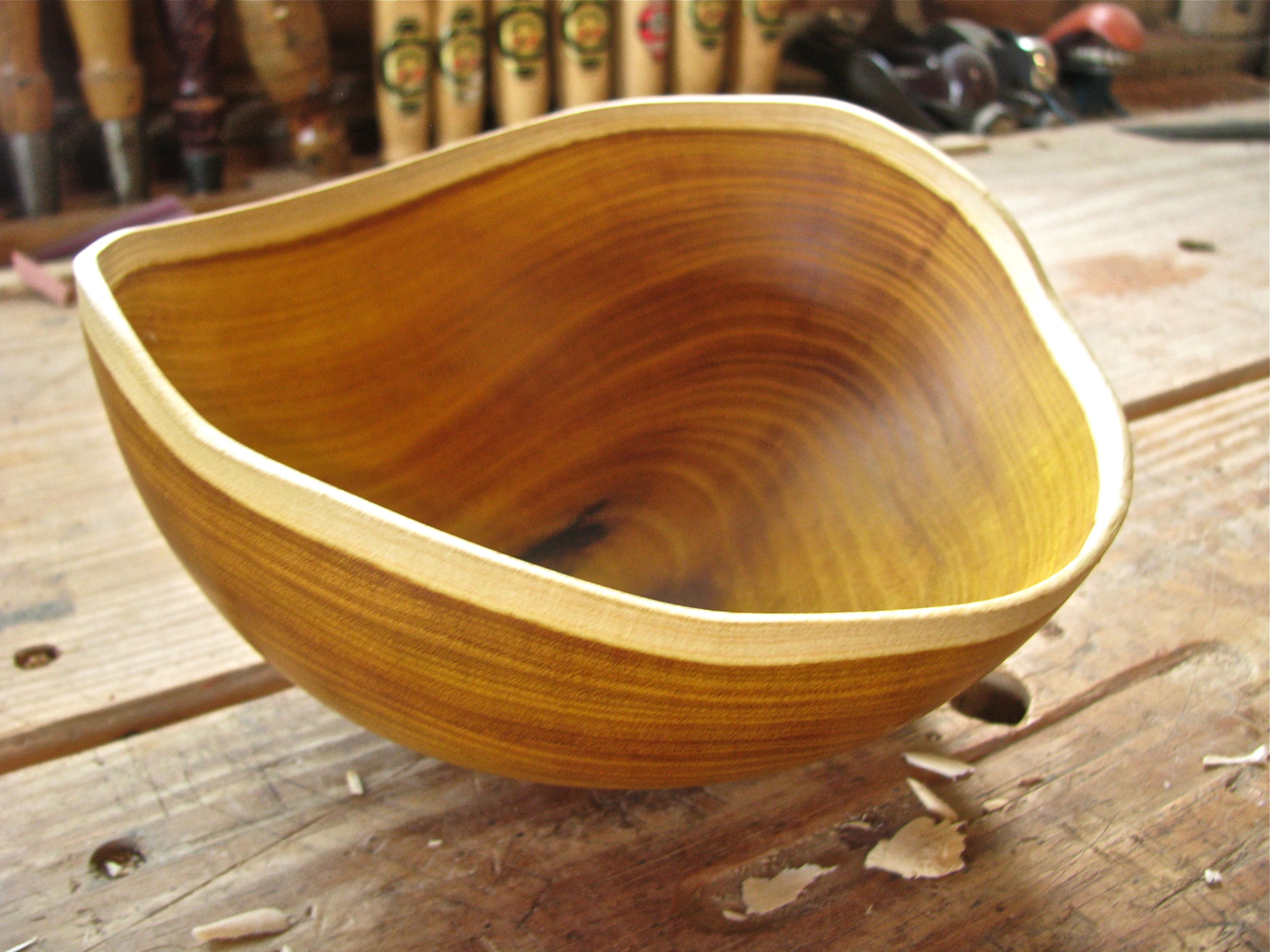
2

3
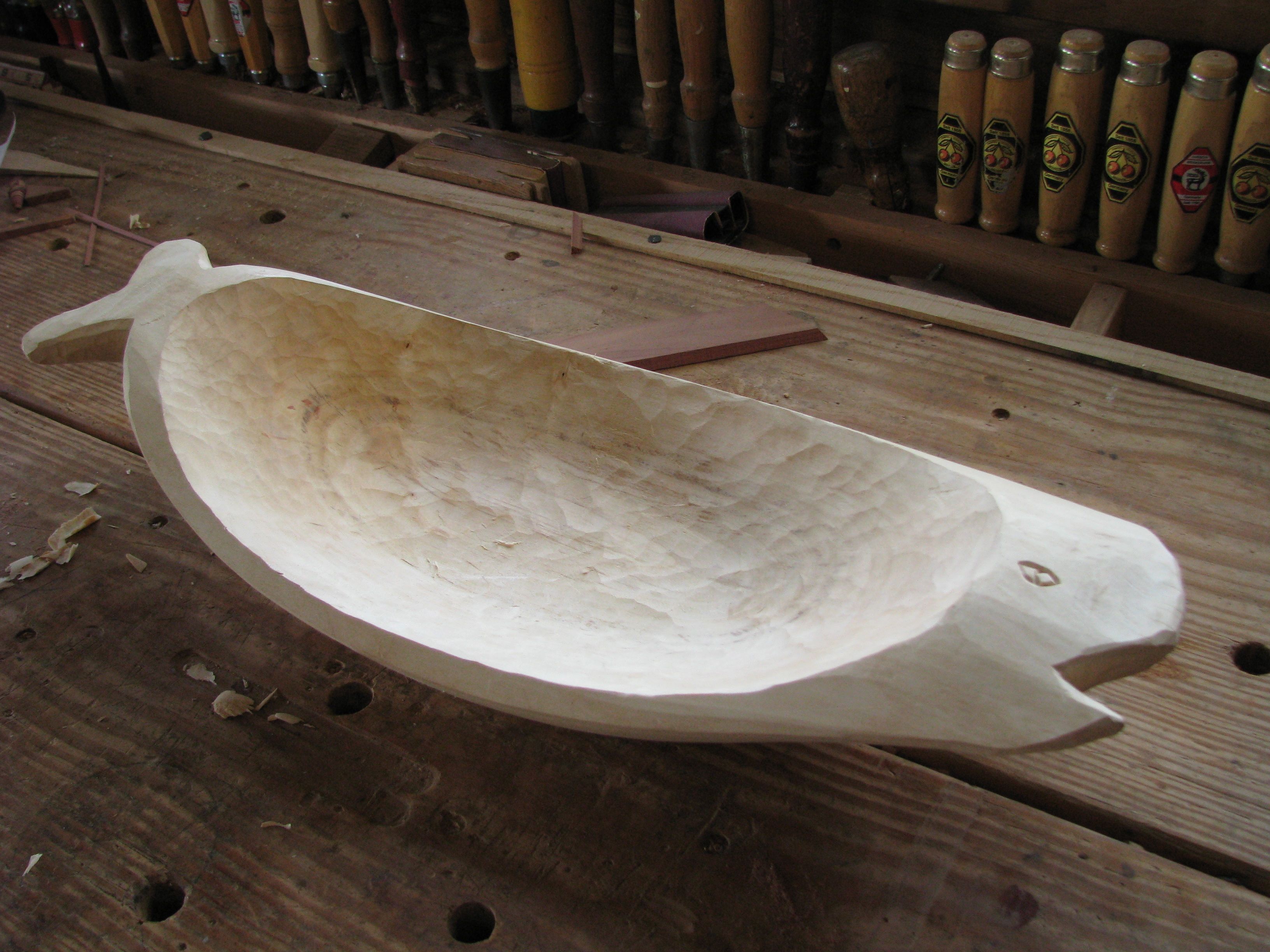
Carved birch bowl.

I repurposed my first moveable paddock shed on sleds, so I built a new one. This one has open walls for breeze and more shade area for the sheep. The goats don’t use them much, unless it rains. The sheep don’t mind the rain, but like to have some shade. Simple and low cost, using mostly salvaged lumber and metal.

Ripping timbers on the bandsaw. The timbers were roughed out with the chainsaw 2 years ago from some salvaged cypress logs.
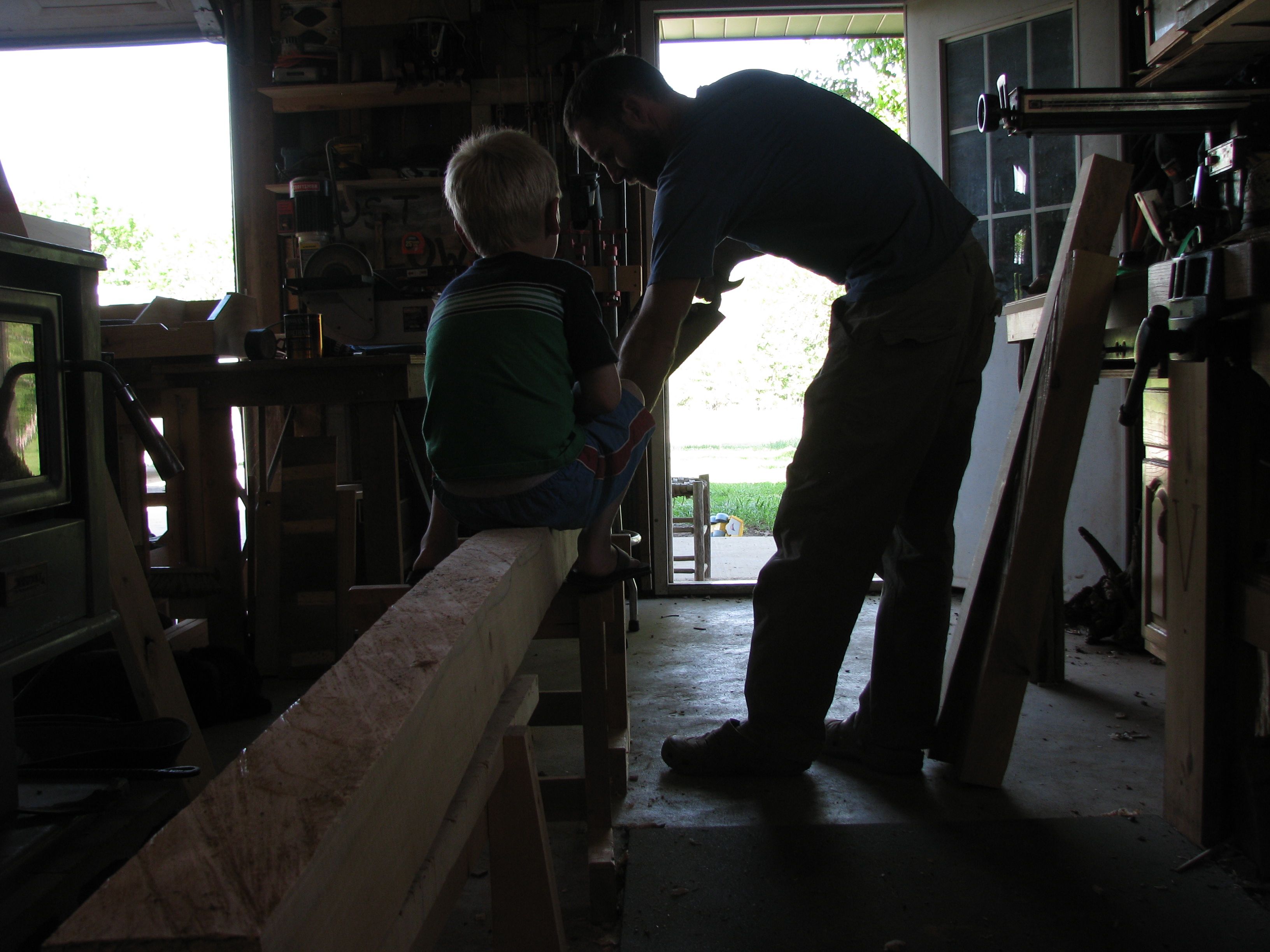
Traditional clamp.

Cypress and 2×4’s


Pulled behind the tractor from paddock to paddock.



Drawing out Jonah on the canvas.

Day 3: Yellow Ochre, Raw Sienna, Viridian, Flake White, Phthalo Blue
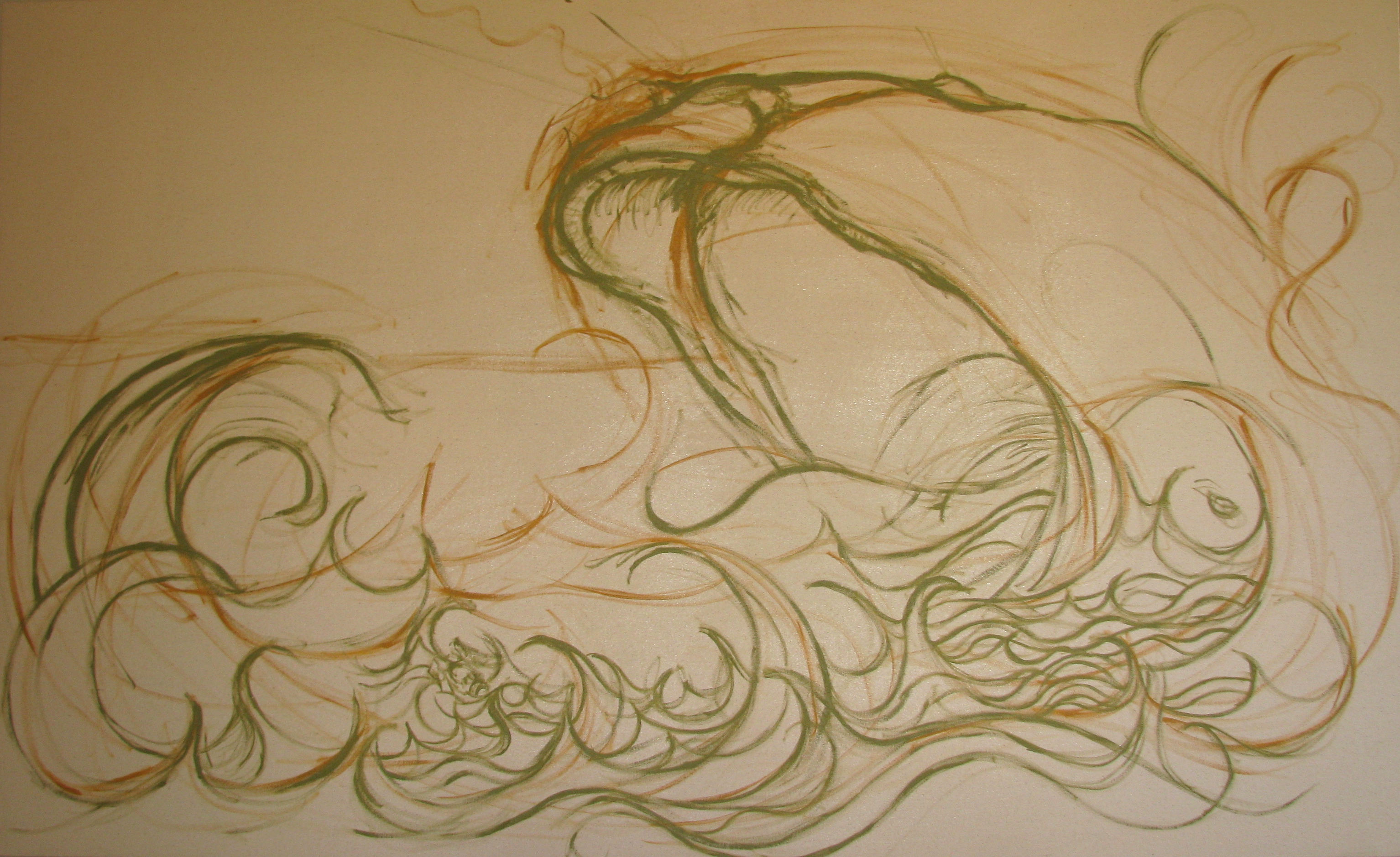
Day 2: Yellow Ochre, Viridian, Flake White

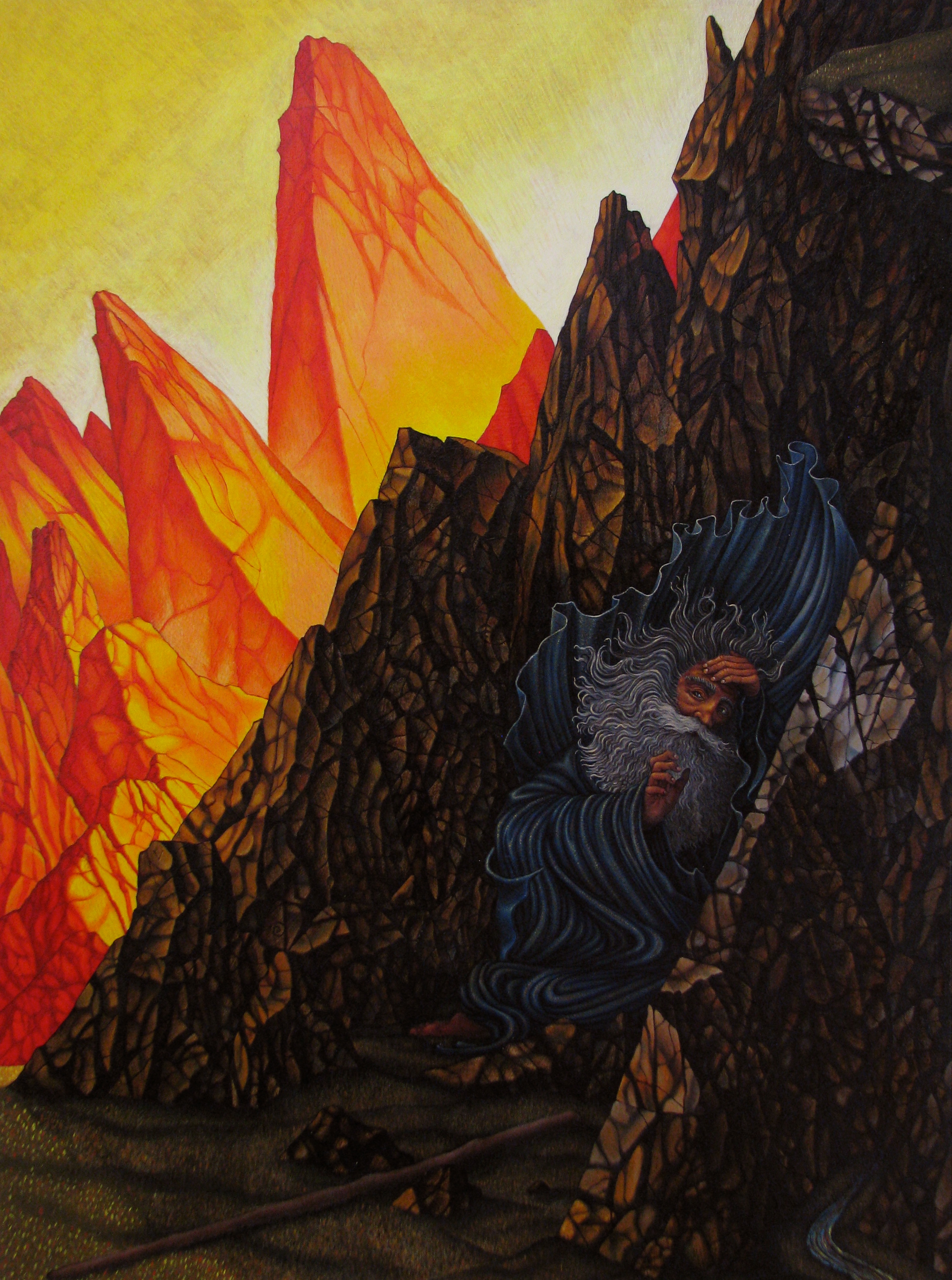
Mikey, here is the photo of Moses which you requested. I did my best, for it is a tricky painting to photograph.


The Mighty Acts:

Detail of Walking Man’s axe.

Walking Man’s hands, head, axe and walking stick are most recent.

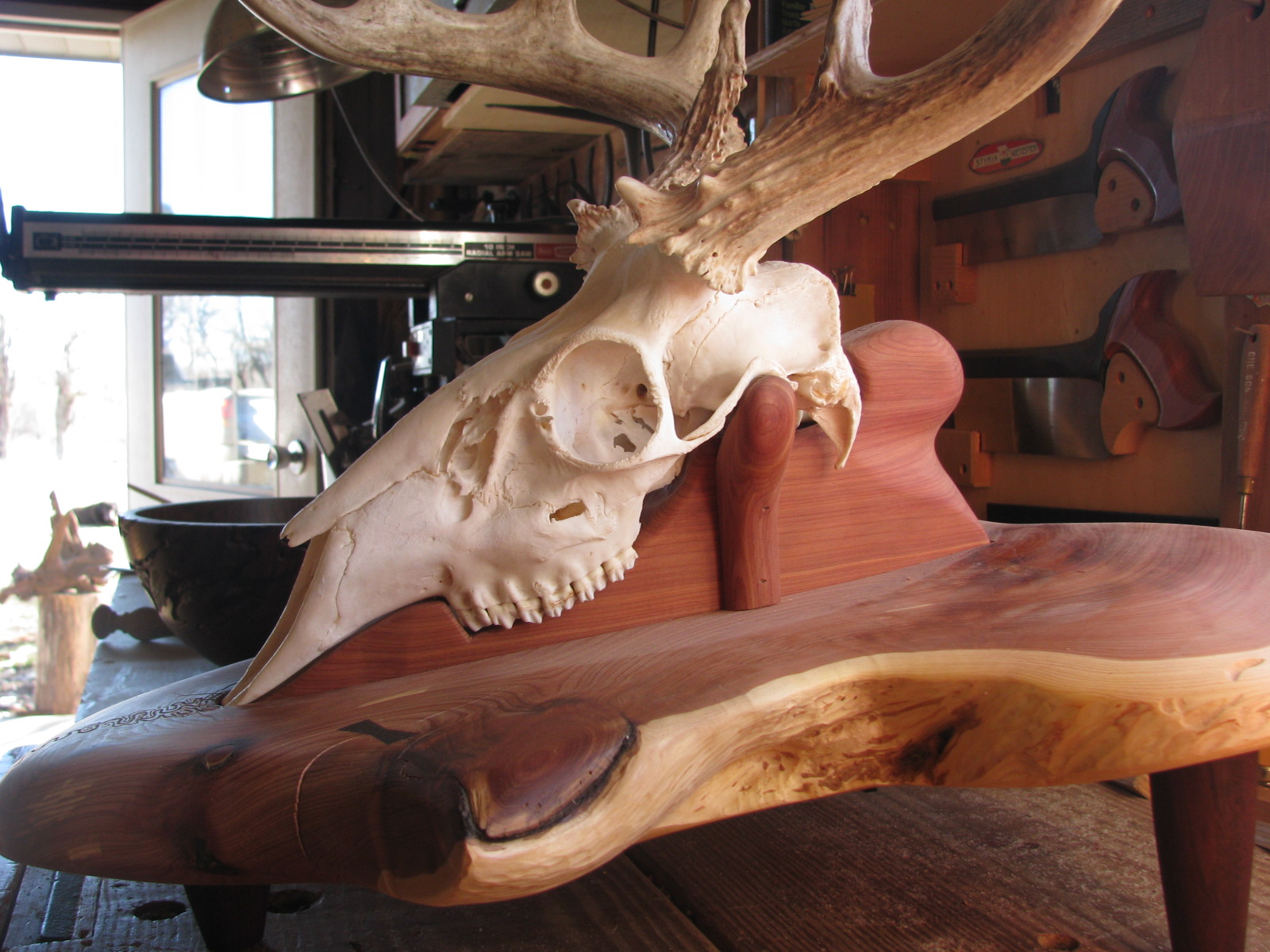
English mount in eastern red cedar with black walnut.
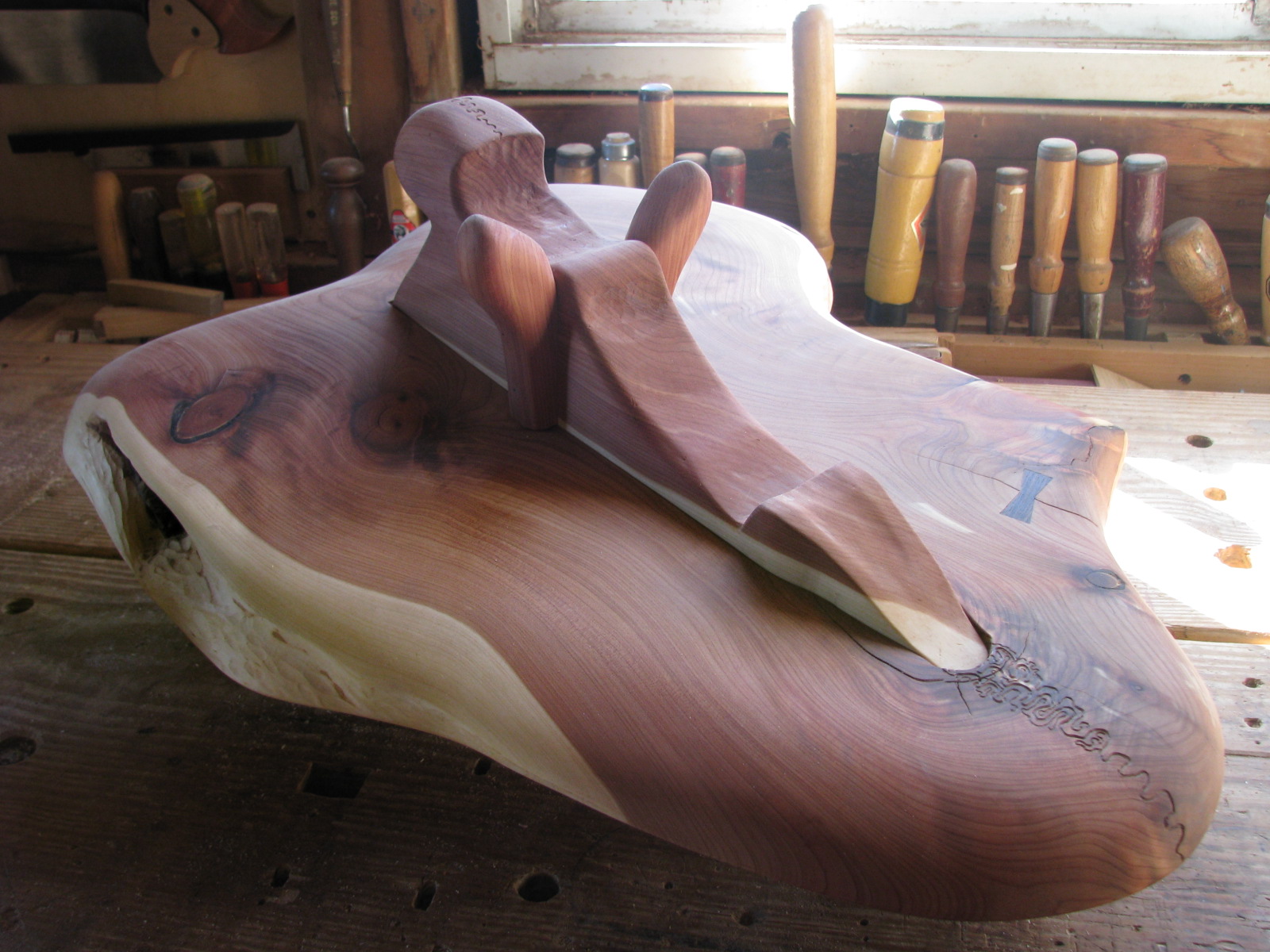


Installed with a red cedar shelf.

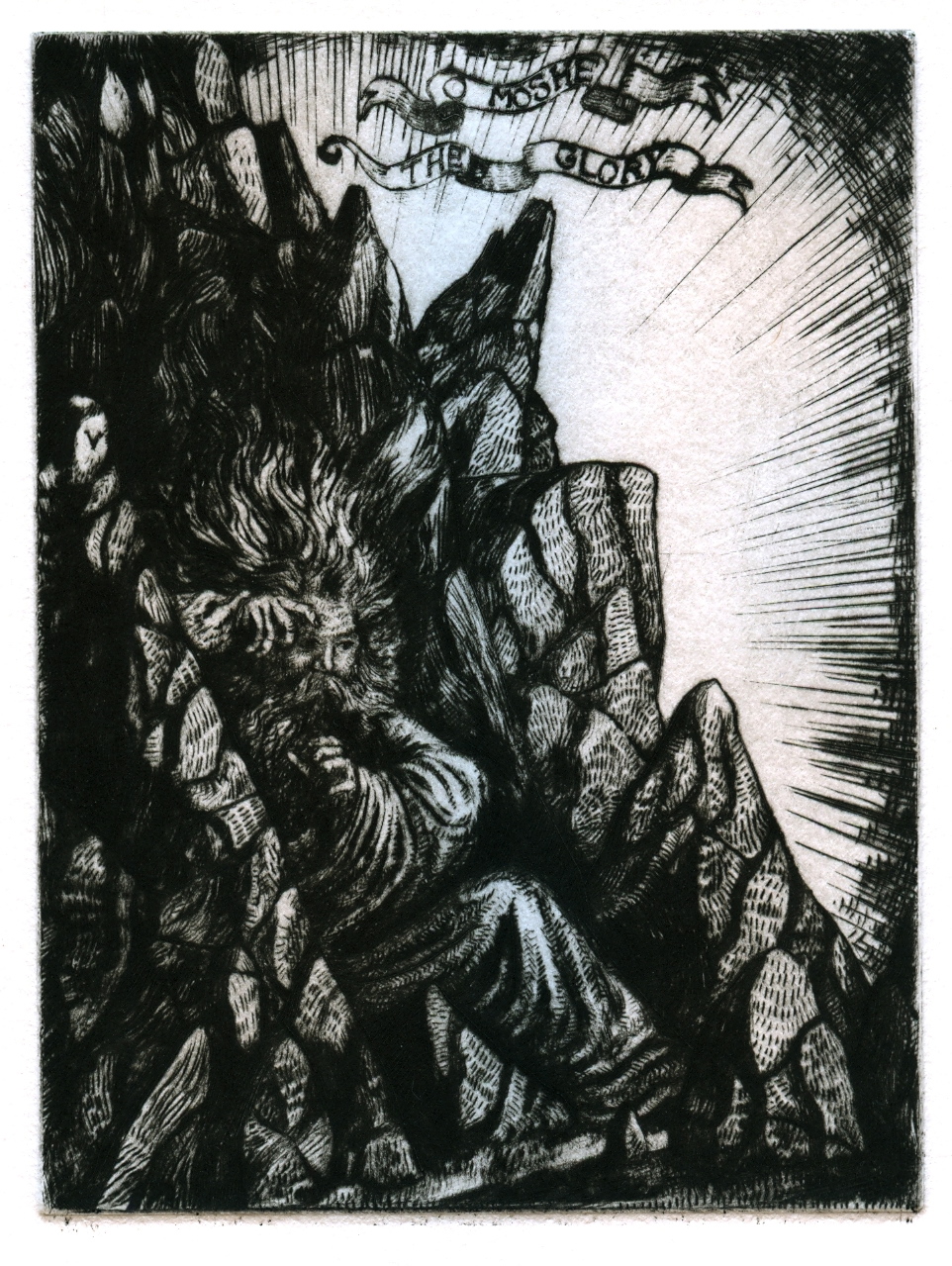
2012, Drypoint of Moses in the Rock, 4 1/2″ x 6″. Unlike an engraving which captures the ink in incised lines, the drypoint image is made by scratching the copper with a stylus, which raises a bur, trapping the ink on the surface of the plate. This produces a “softer” or “fuzzier” line than the crisp and precise engraved line. This also makes deeper tones possible, which I wanted for this image. I am not sure that I have not failed in my attempt. Yet I am not disappointed. Failure is the plough.
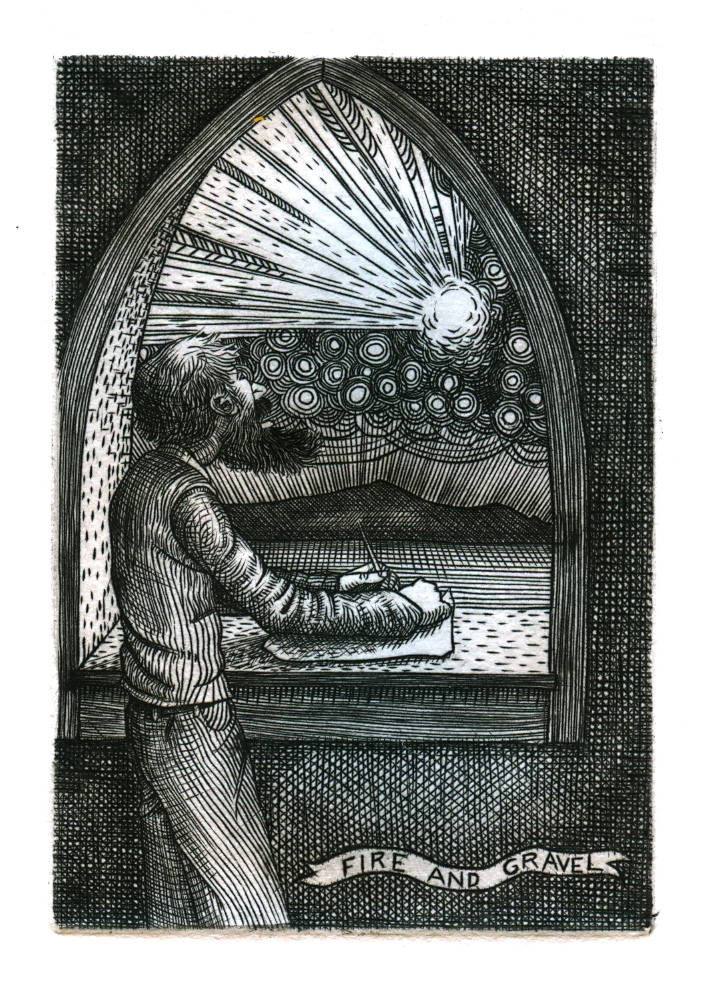
Fire and Gravel. 2012, Engraving of Waking Man drawing a comet, 3″ x 4 1/2″. The difference in line quality is readily observed in this engraved image.
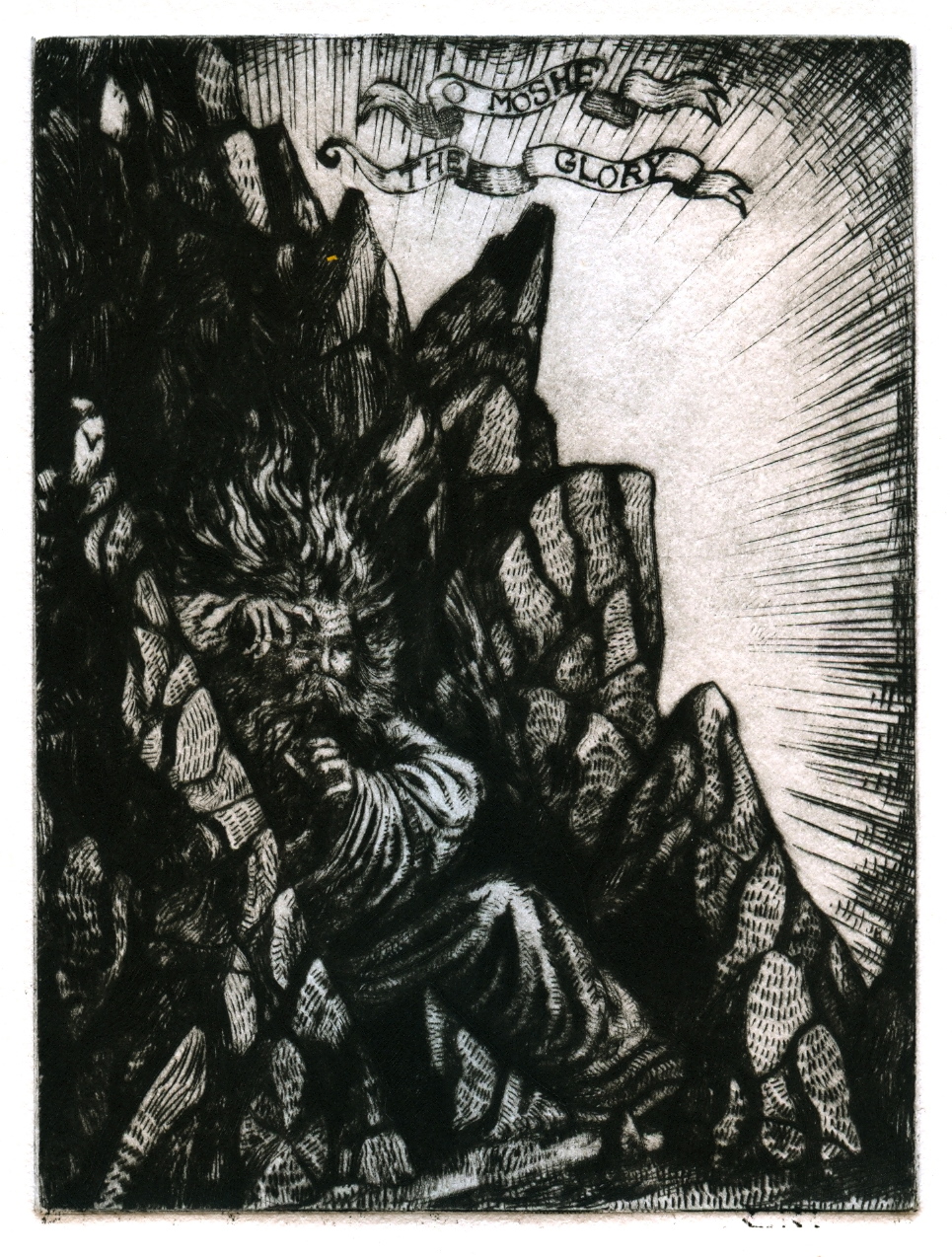
A slightly earlier state of the Moses drypoint.
Slideshow of images from the printing process.
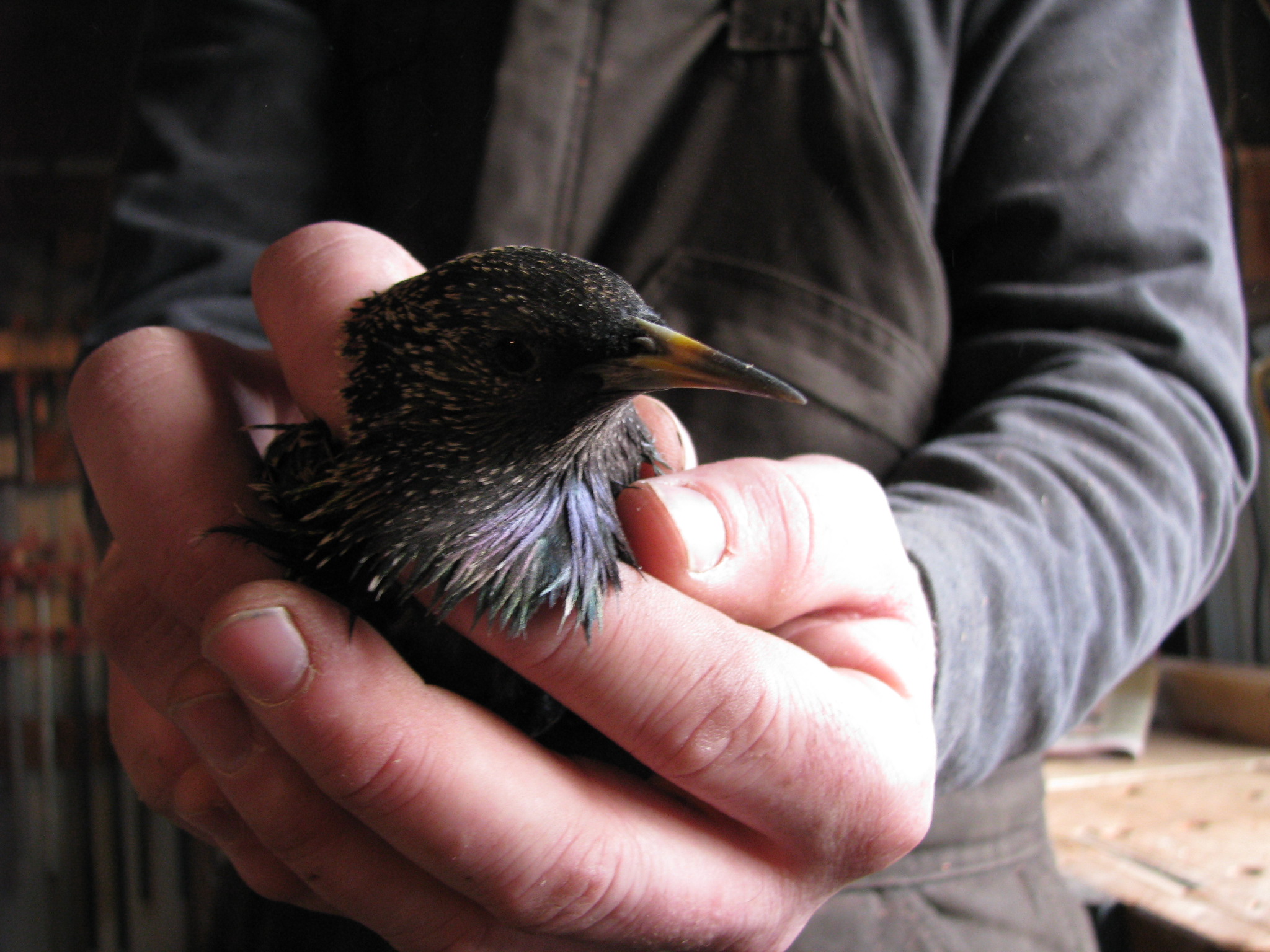
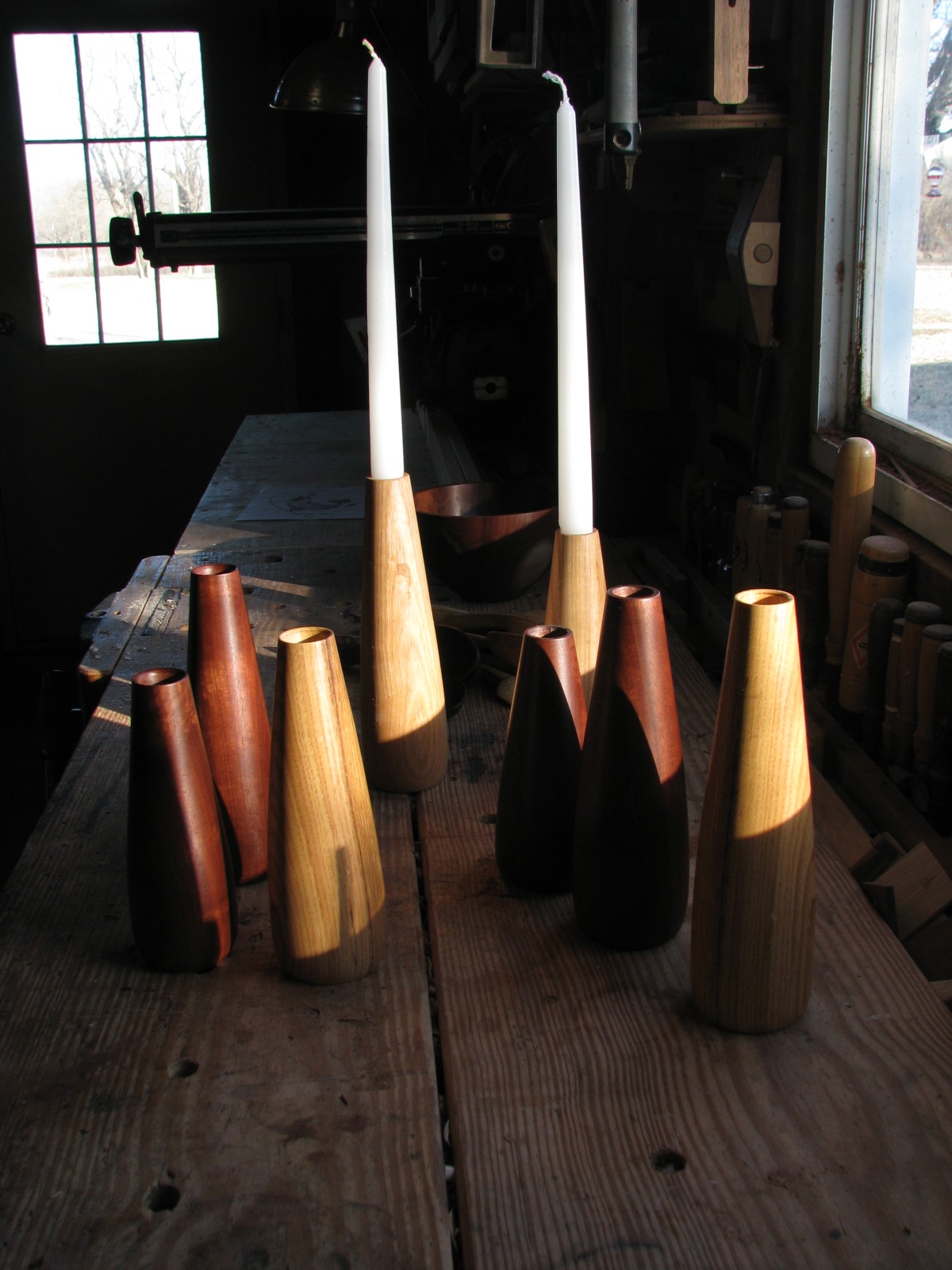
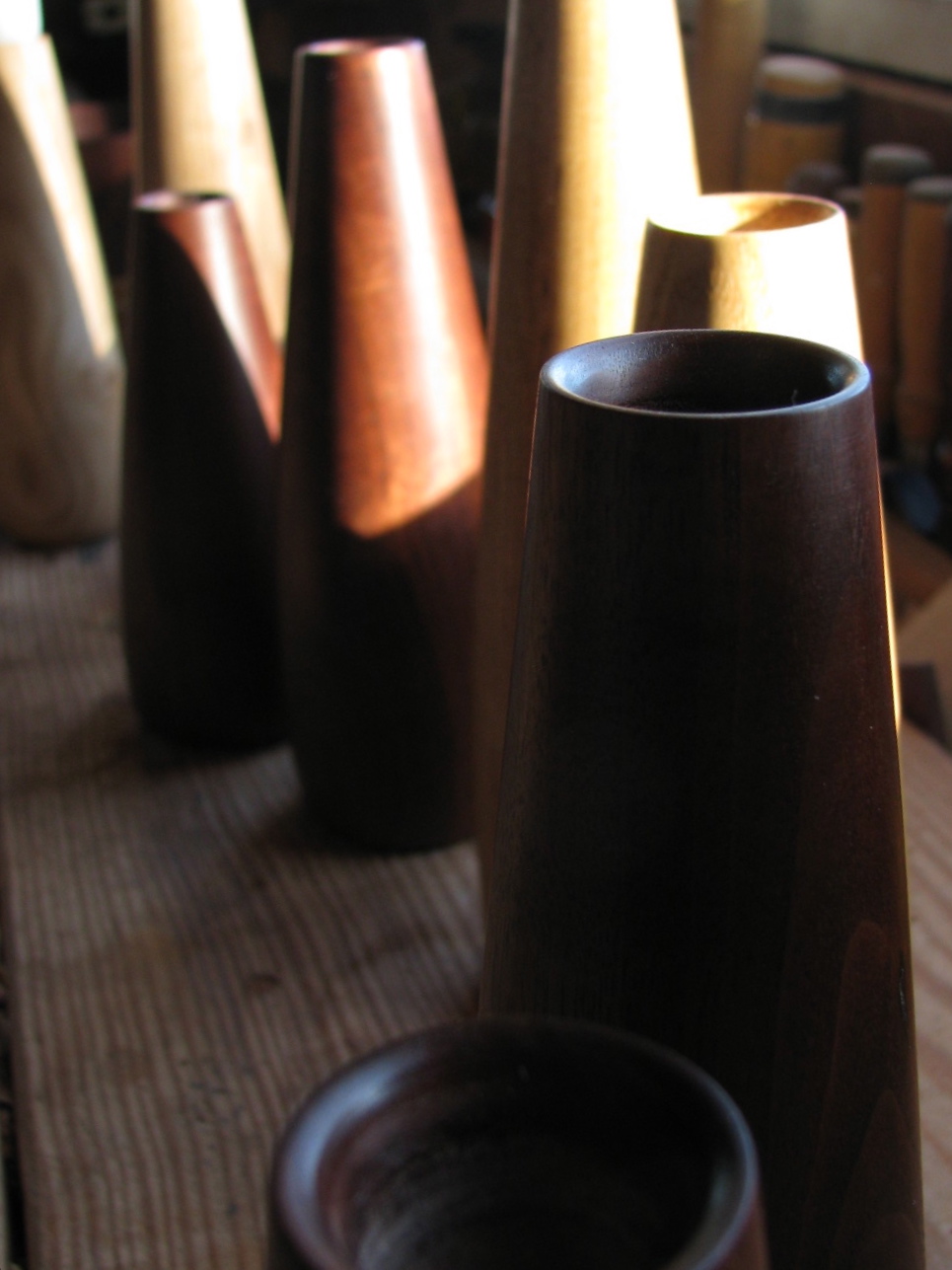
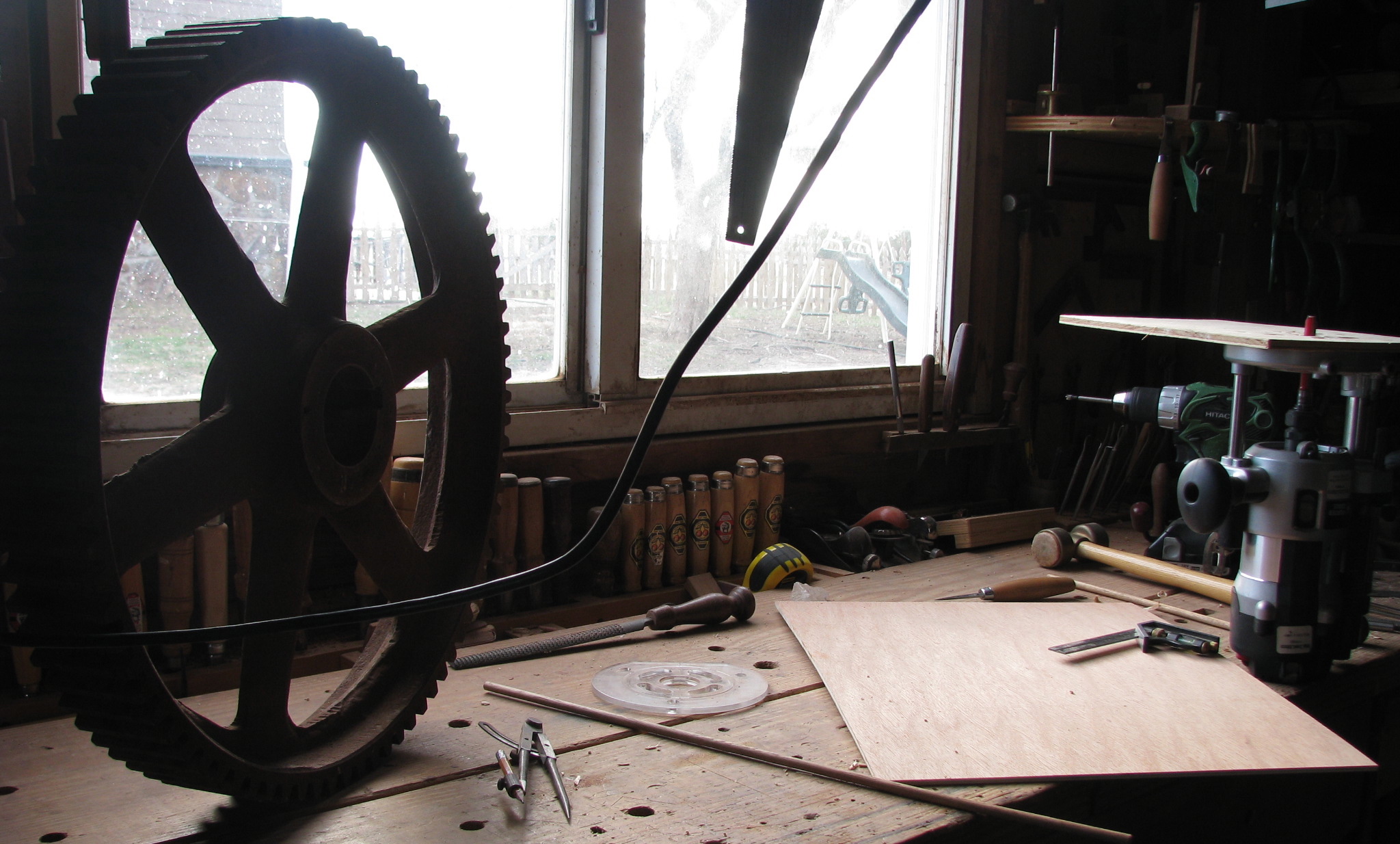
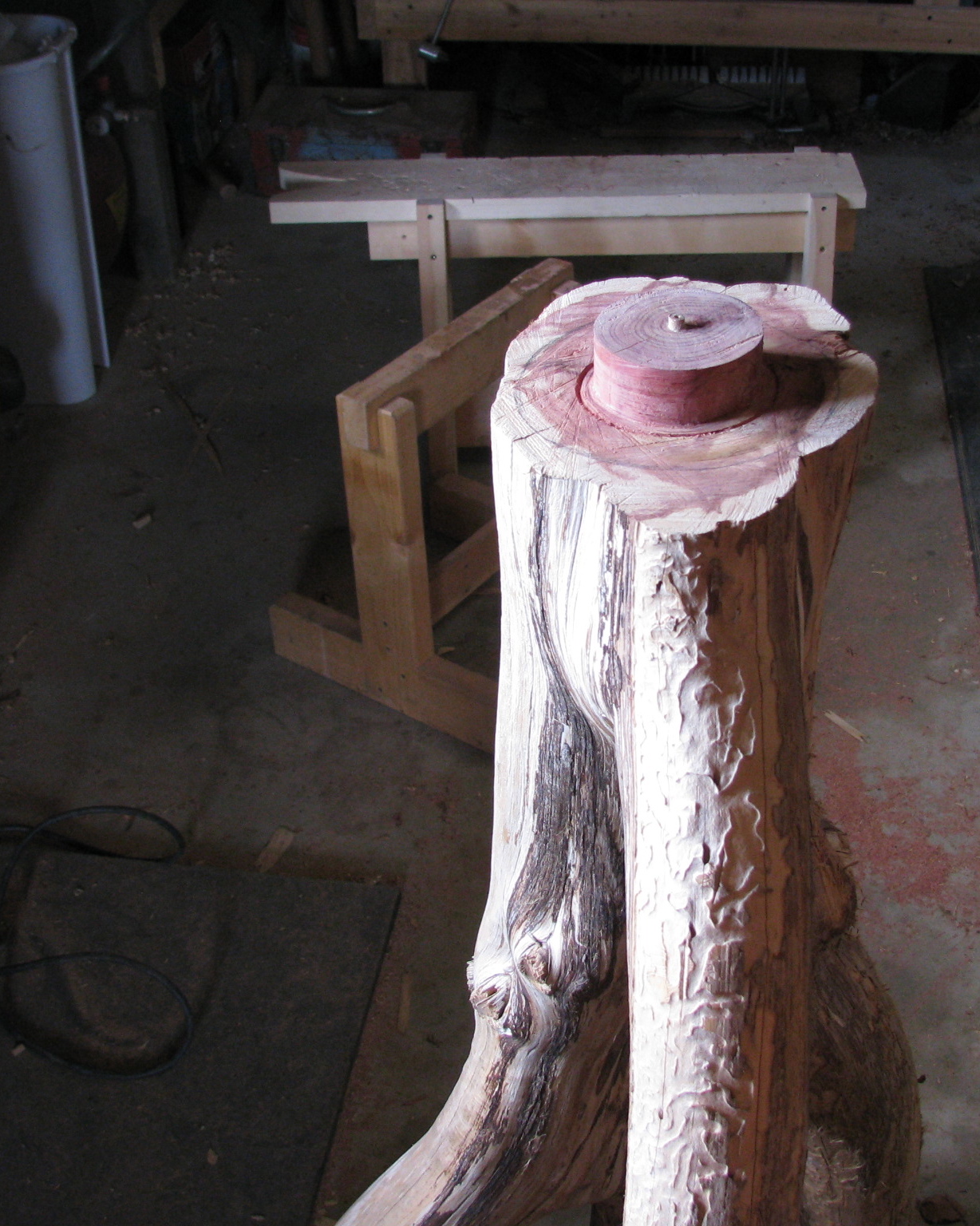
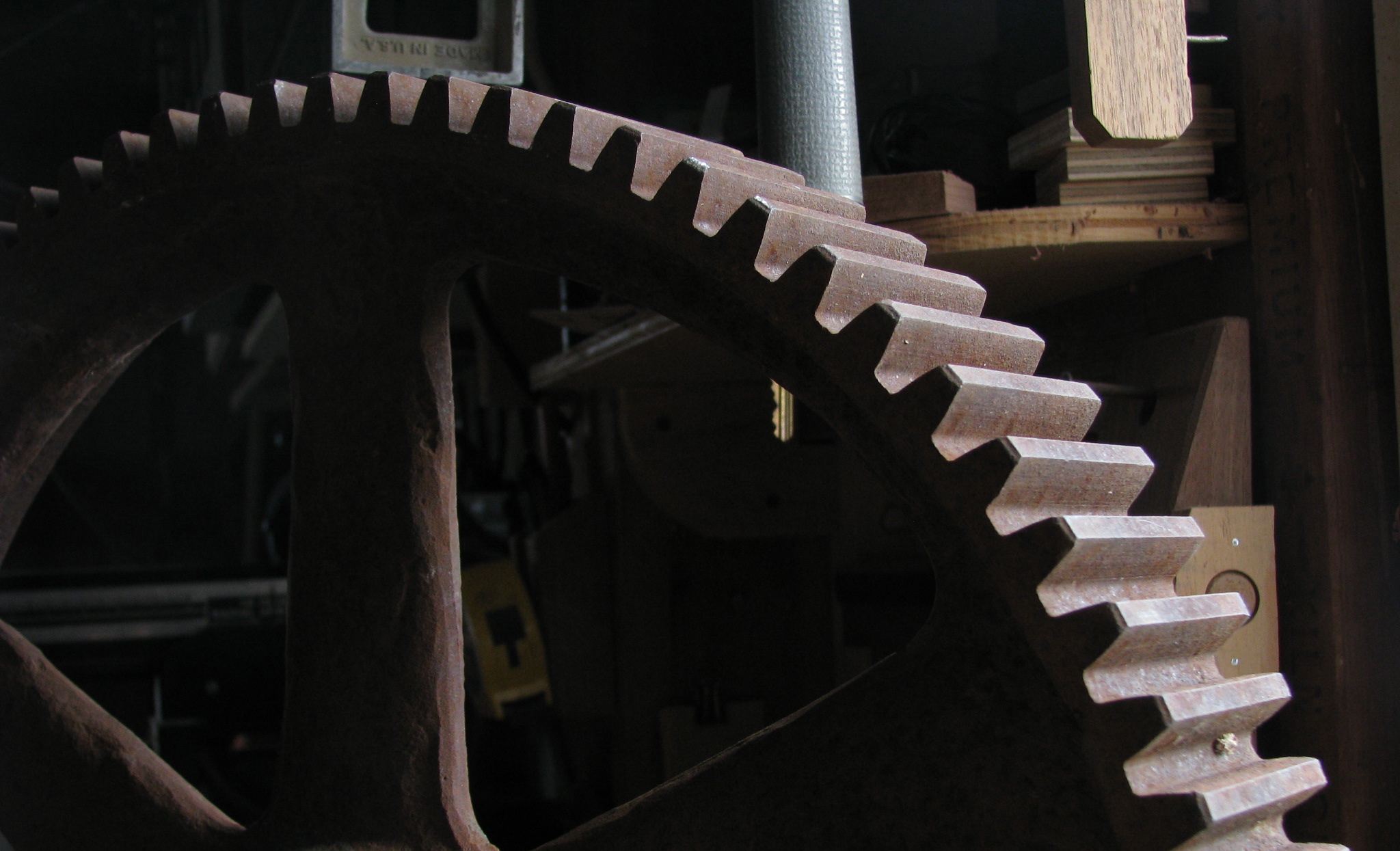
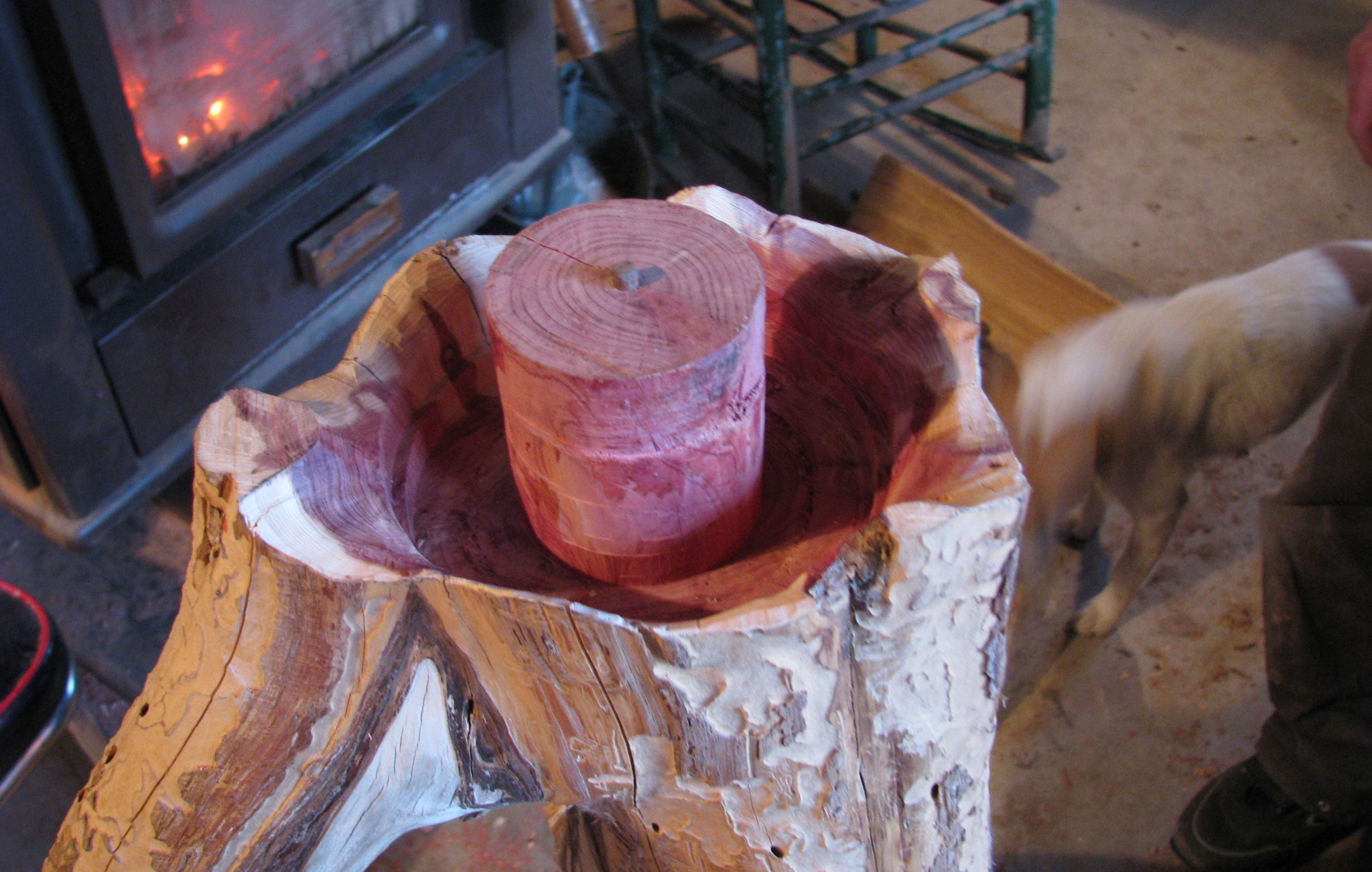
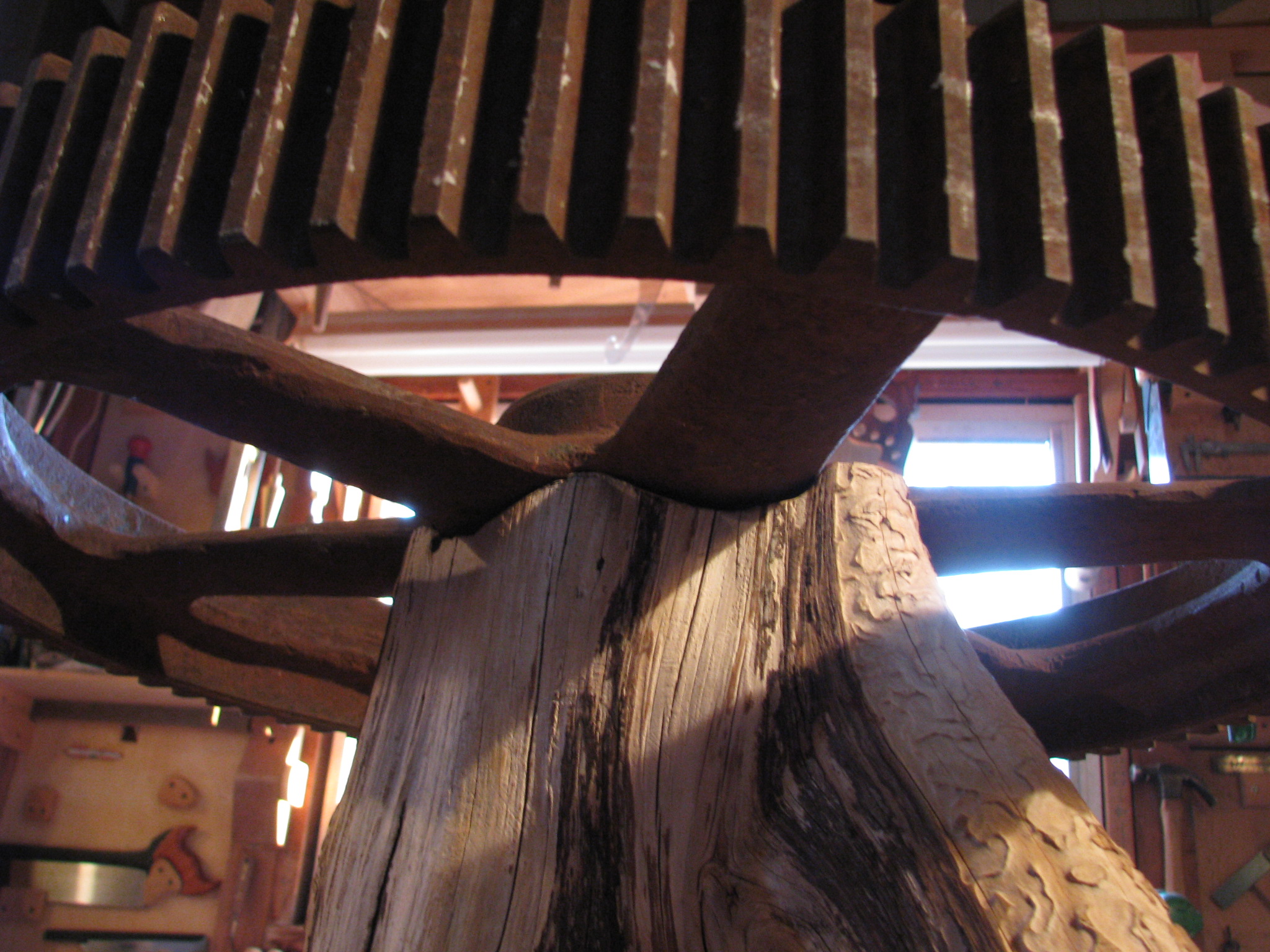
rescued starling; walnut and ash candlesticks; neighbor’s gear and cedar table project
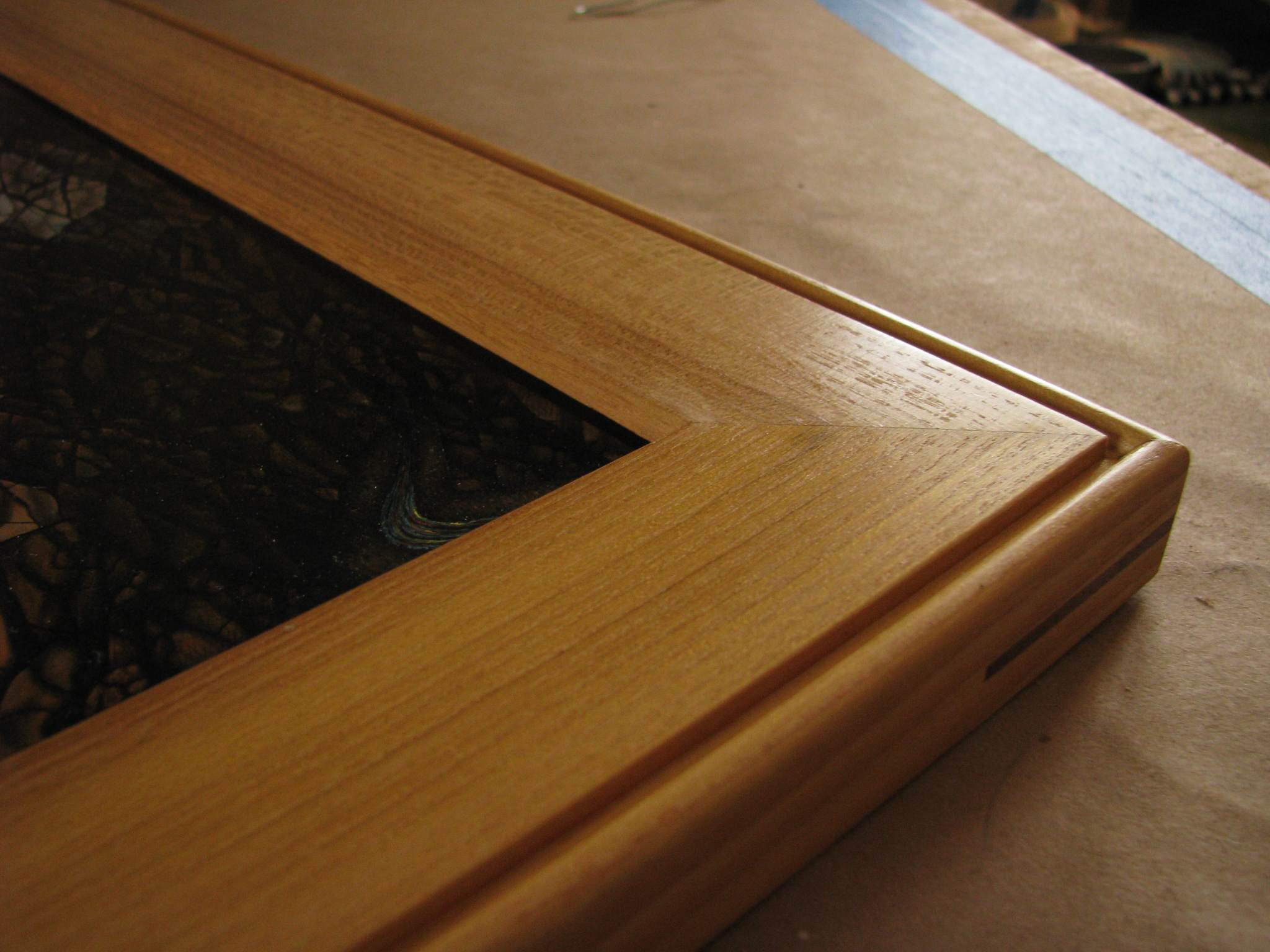
Mulberry frame for Moses.
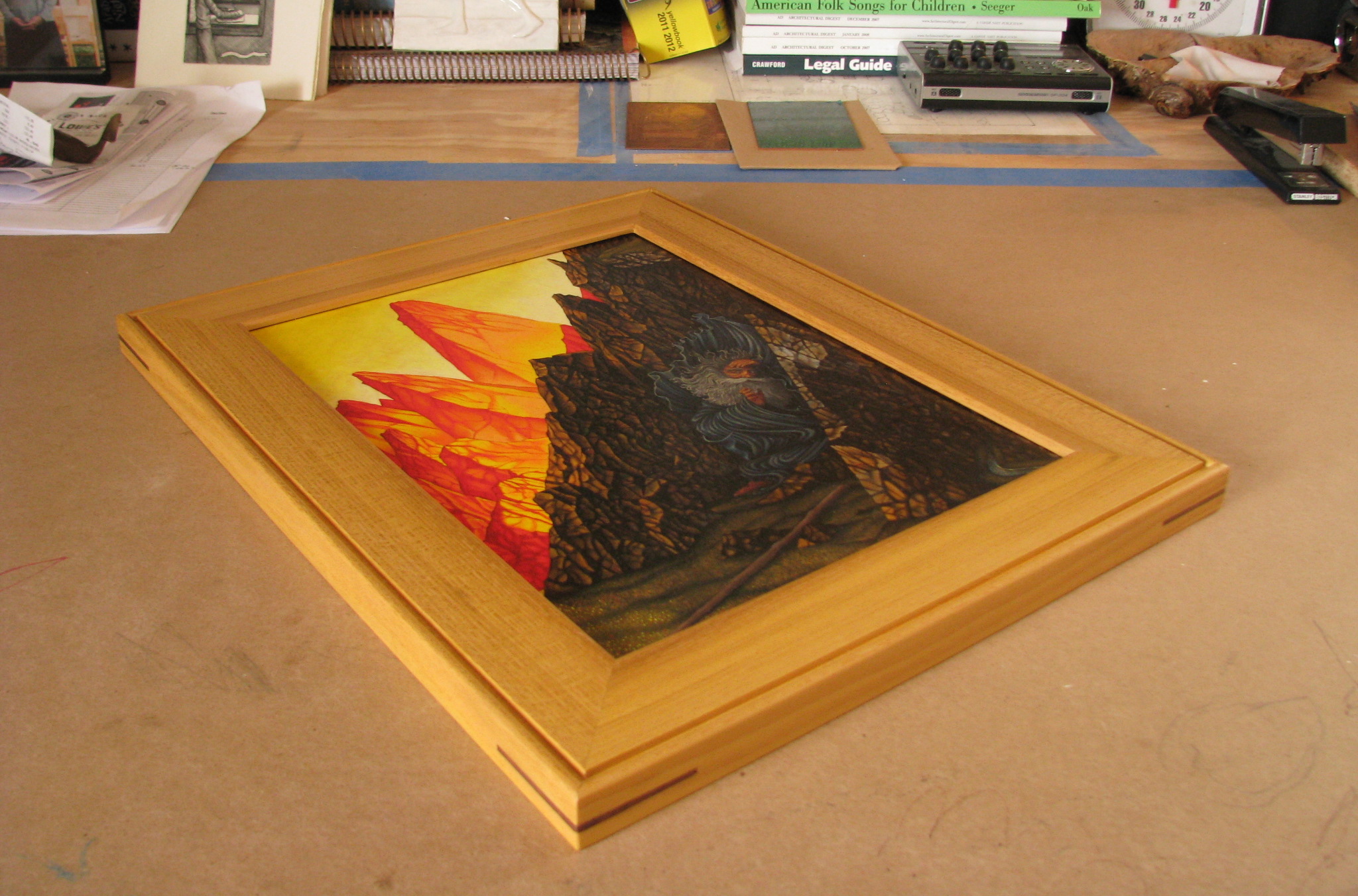
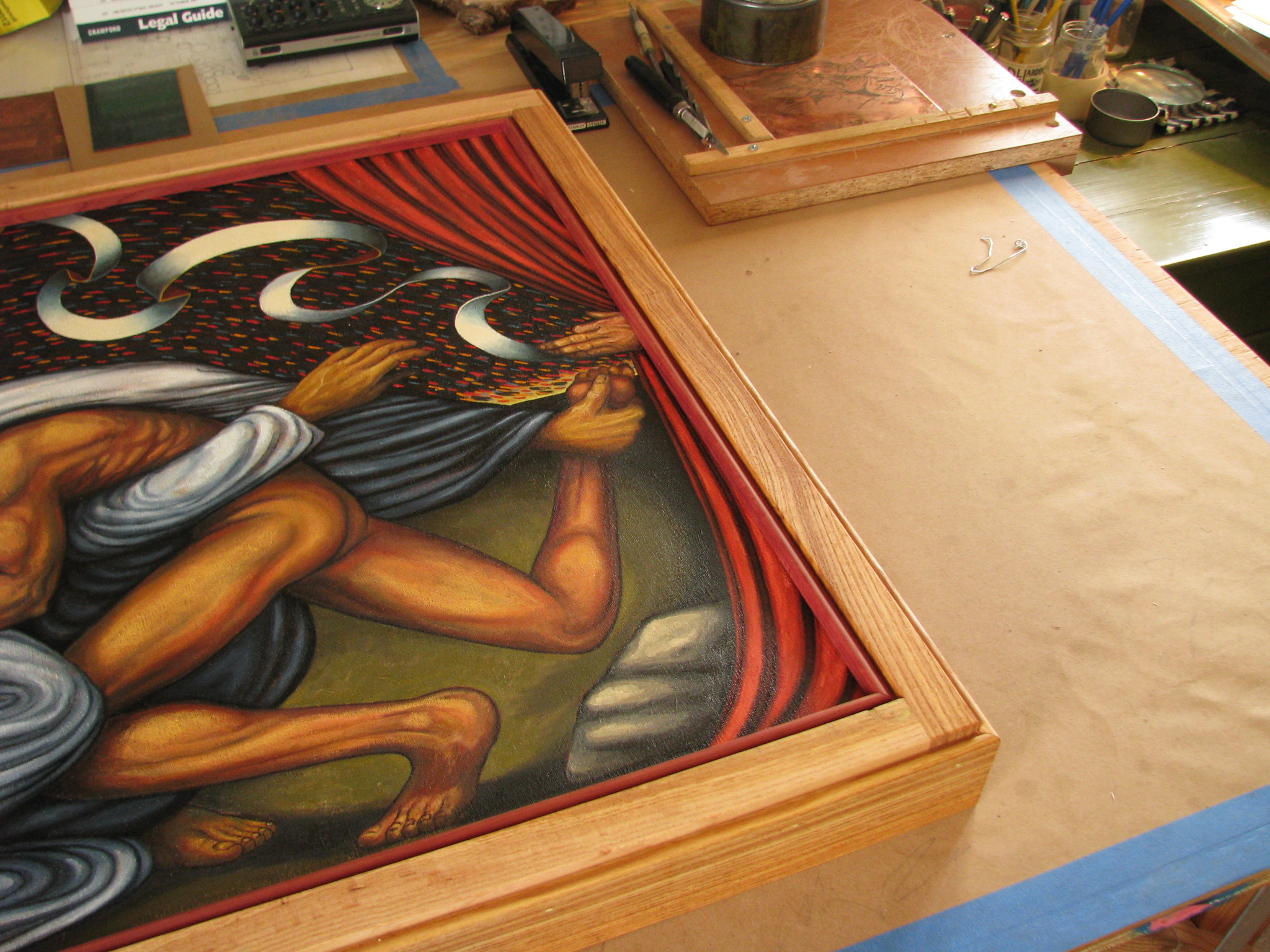
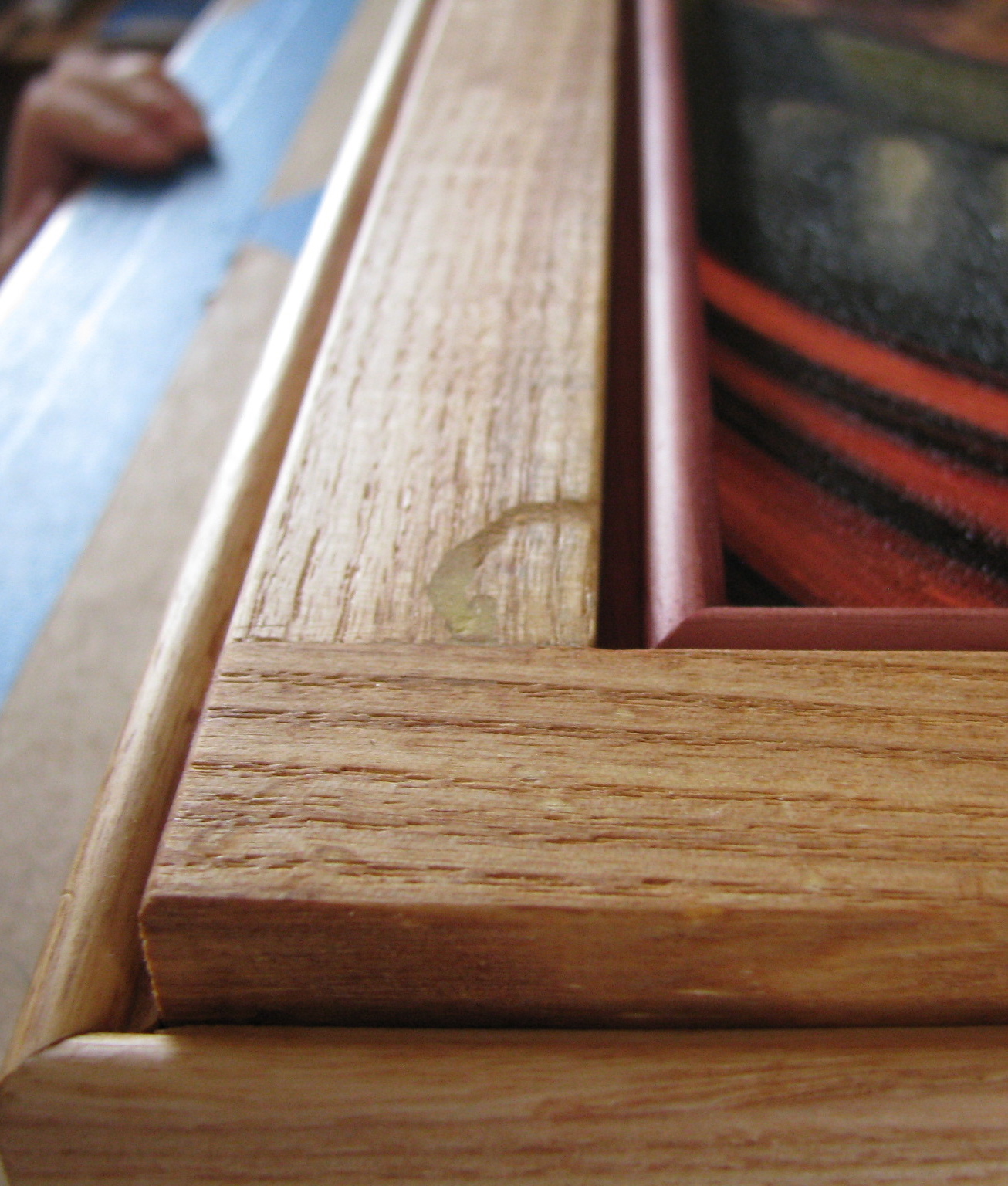
Cedar and Ash frame for Jacob.
 The School of the Transfer of Energy