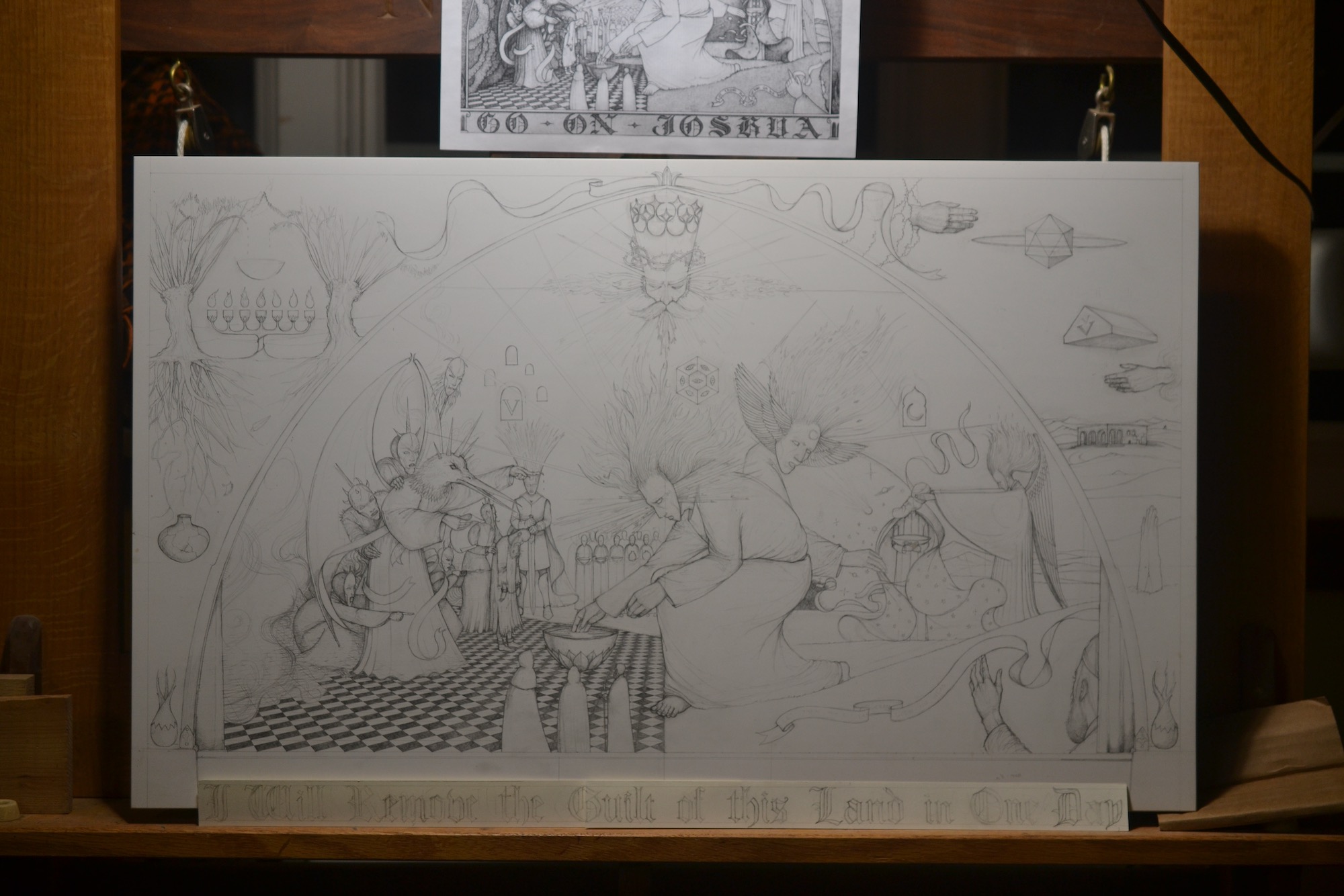
preliminary drawing of the crucifixion for the painted panels of the Saint Bede’s Box project.
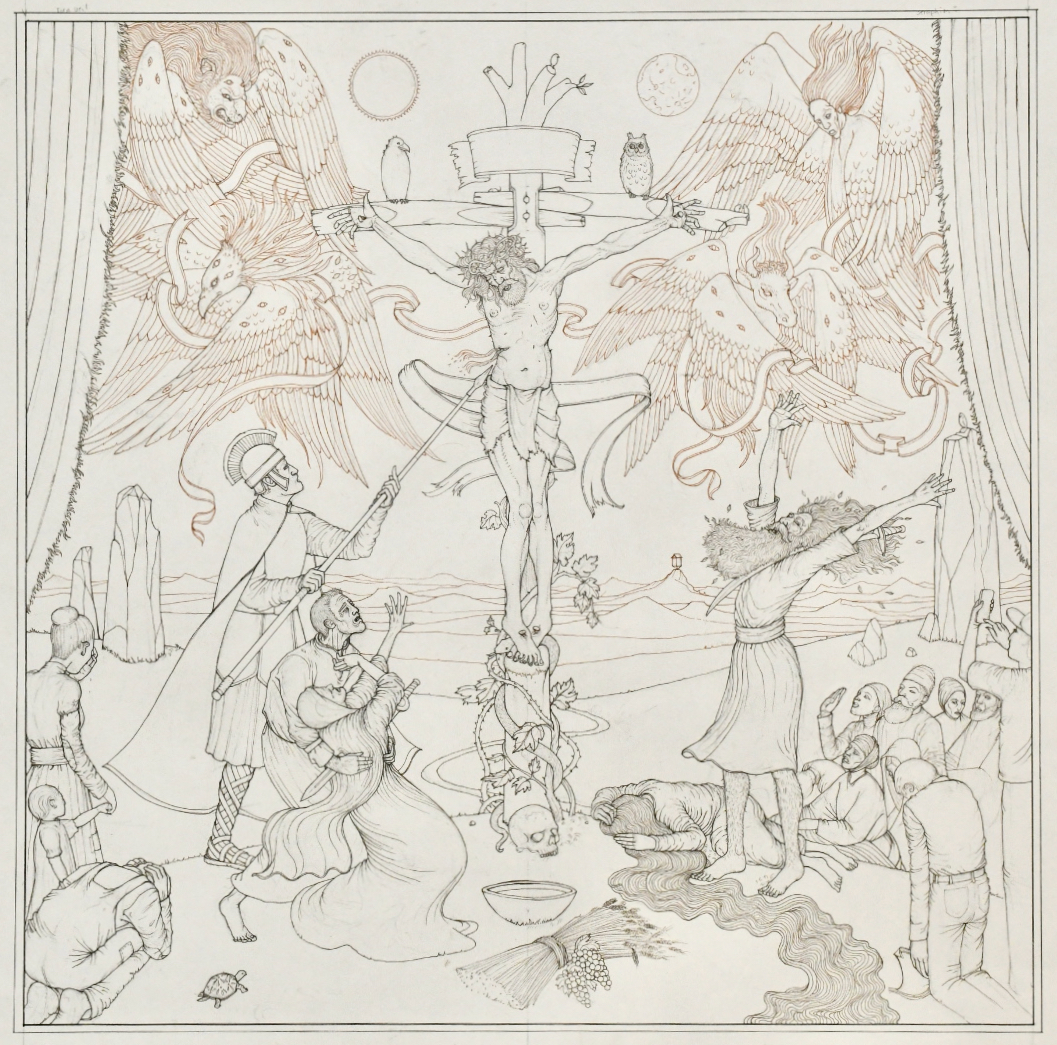
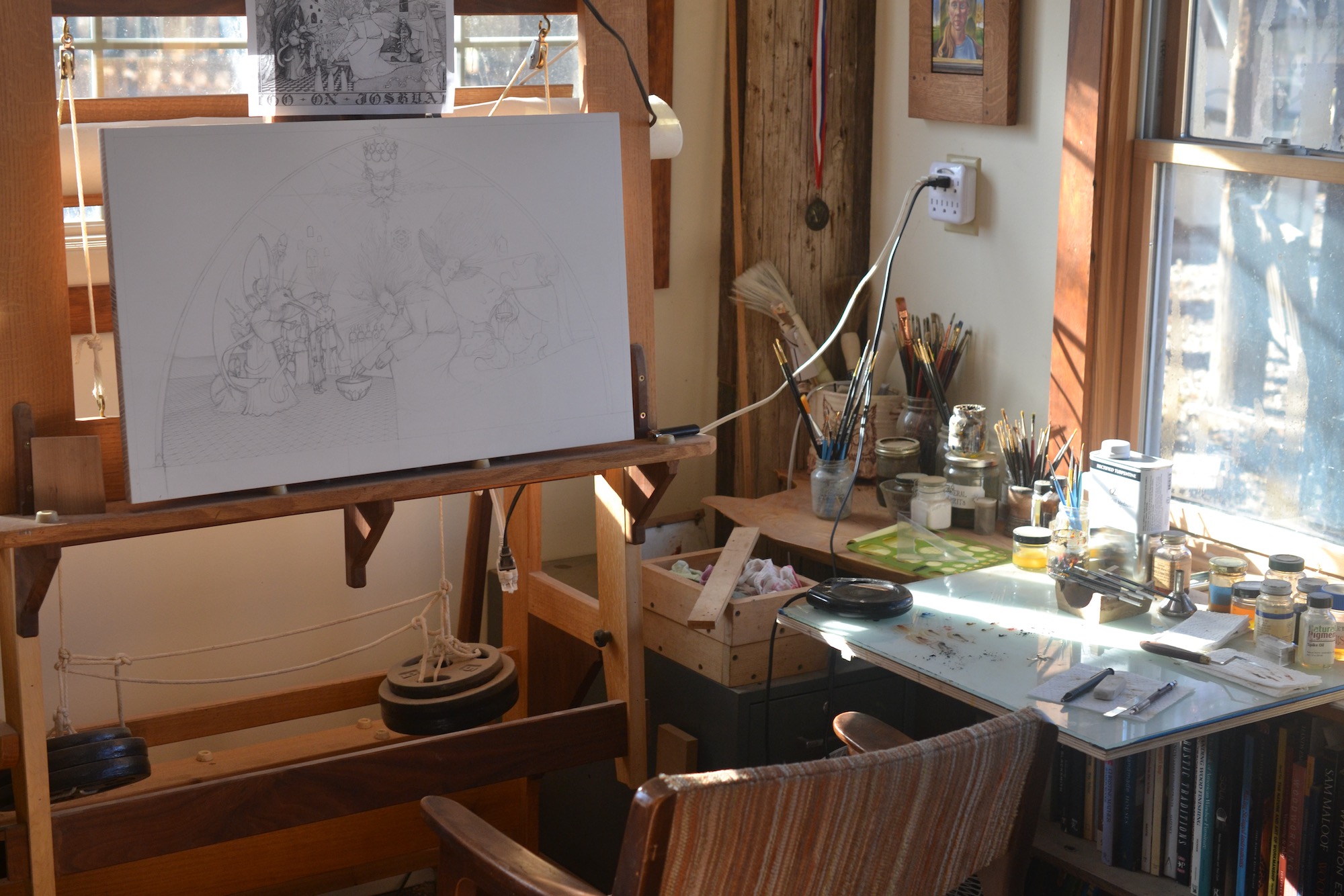
I am leaning heavily on Gruenwald for this drawing of the crucifixion scene. This image will be transferred to a wooden panel for oil painting.
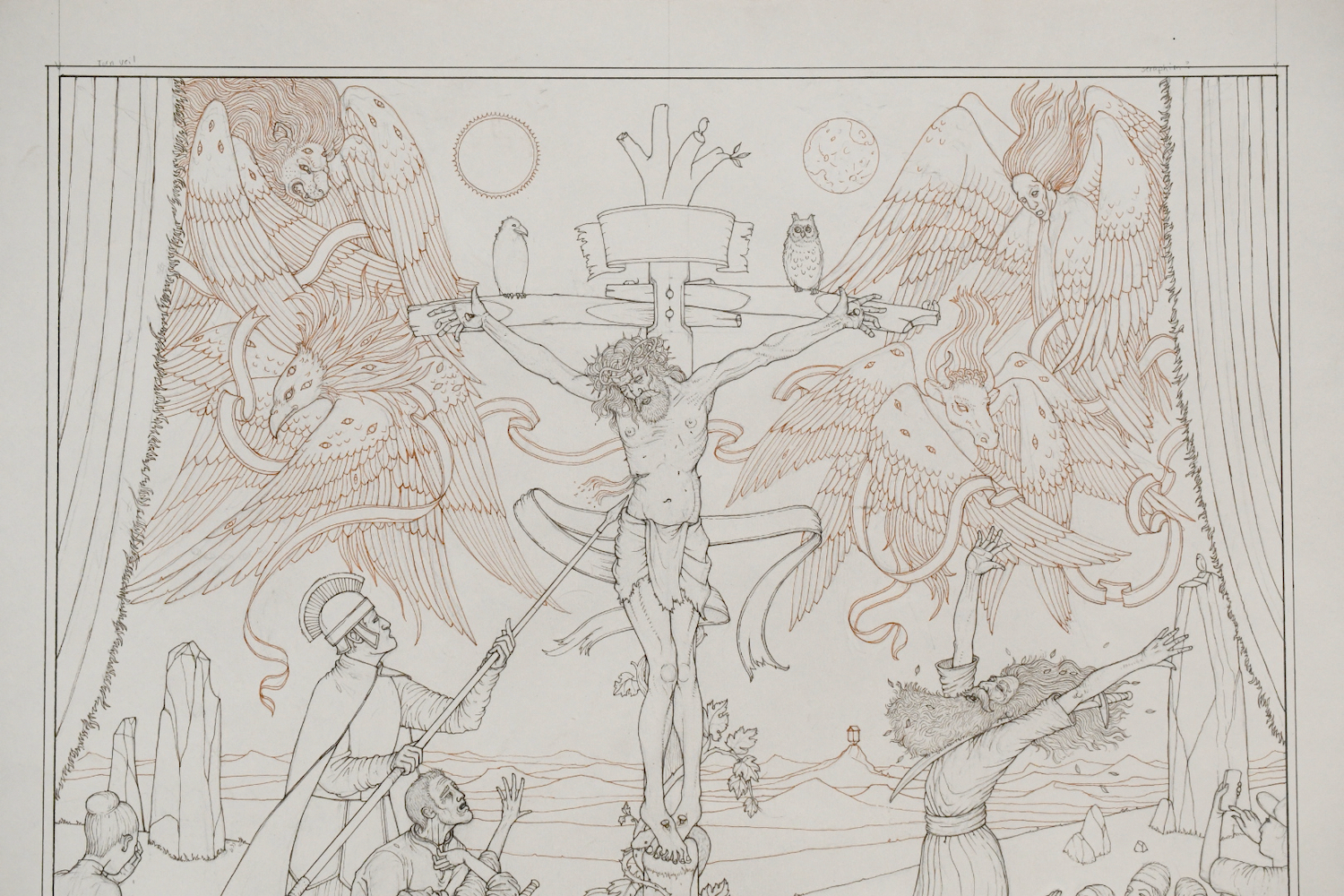
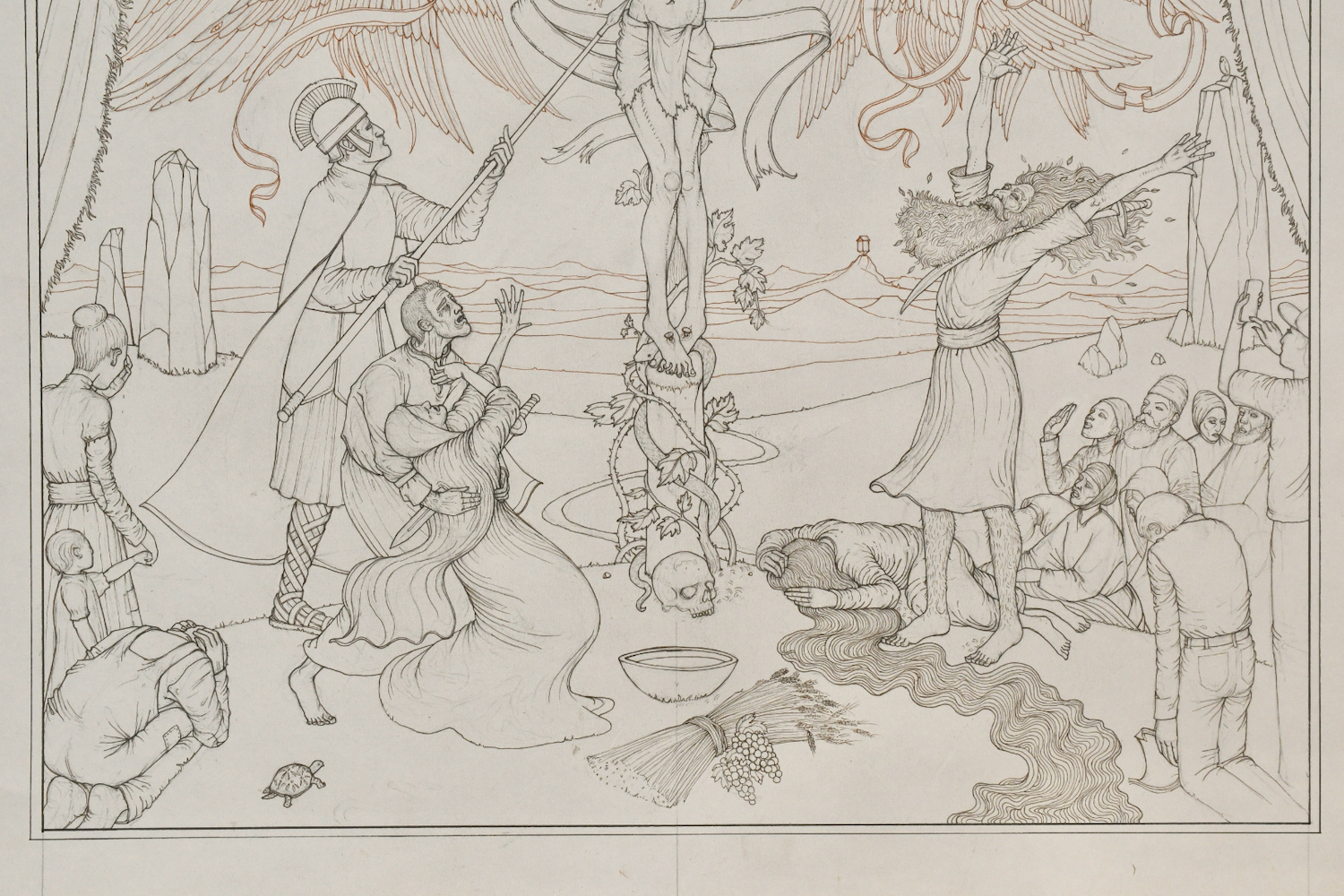
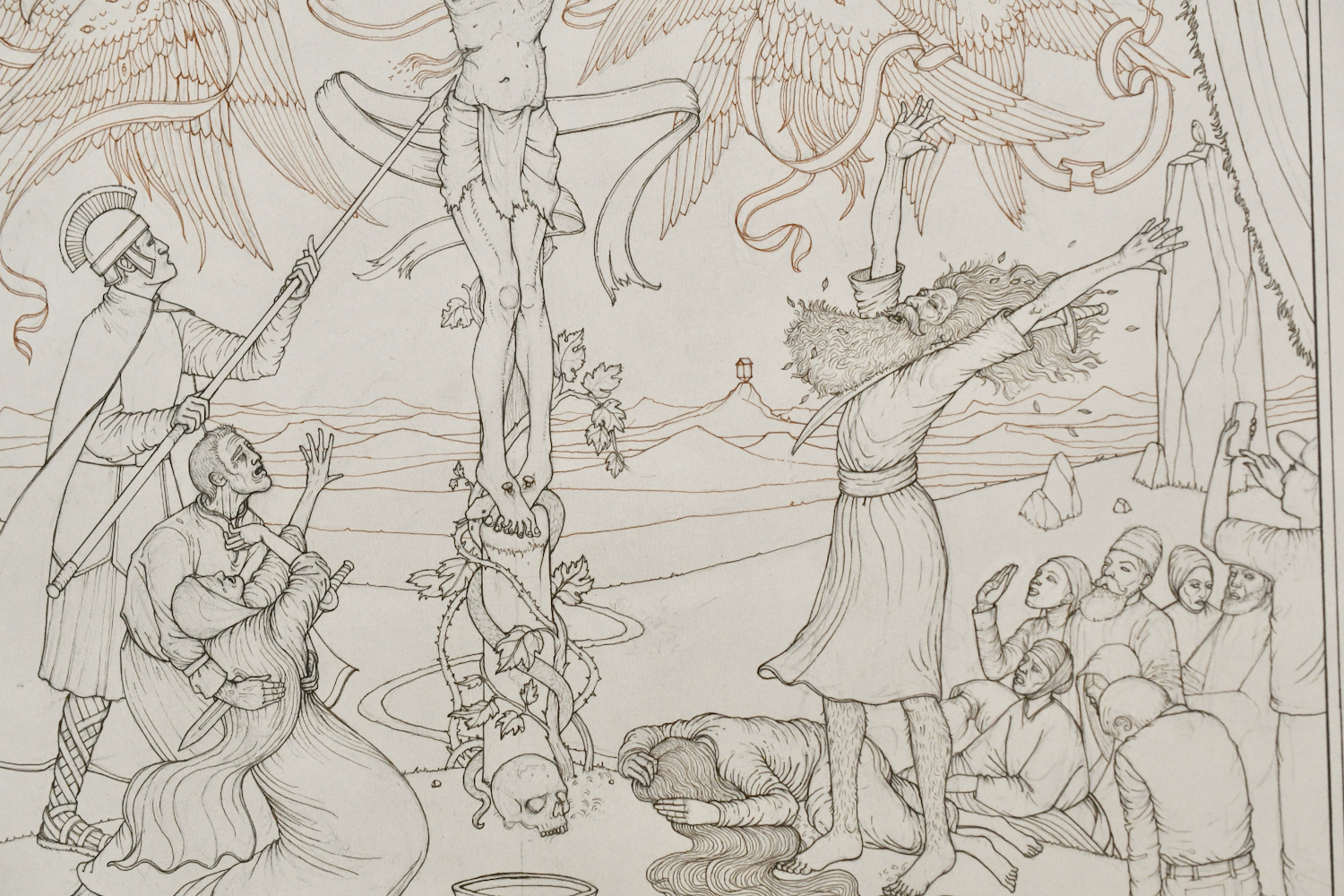
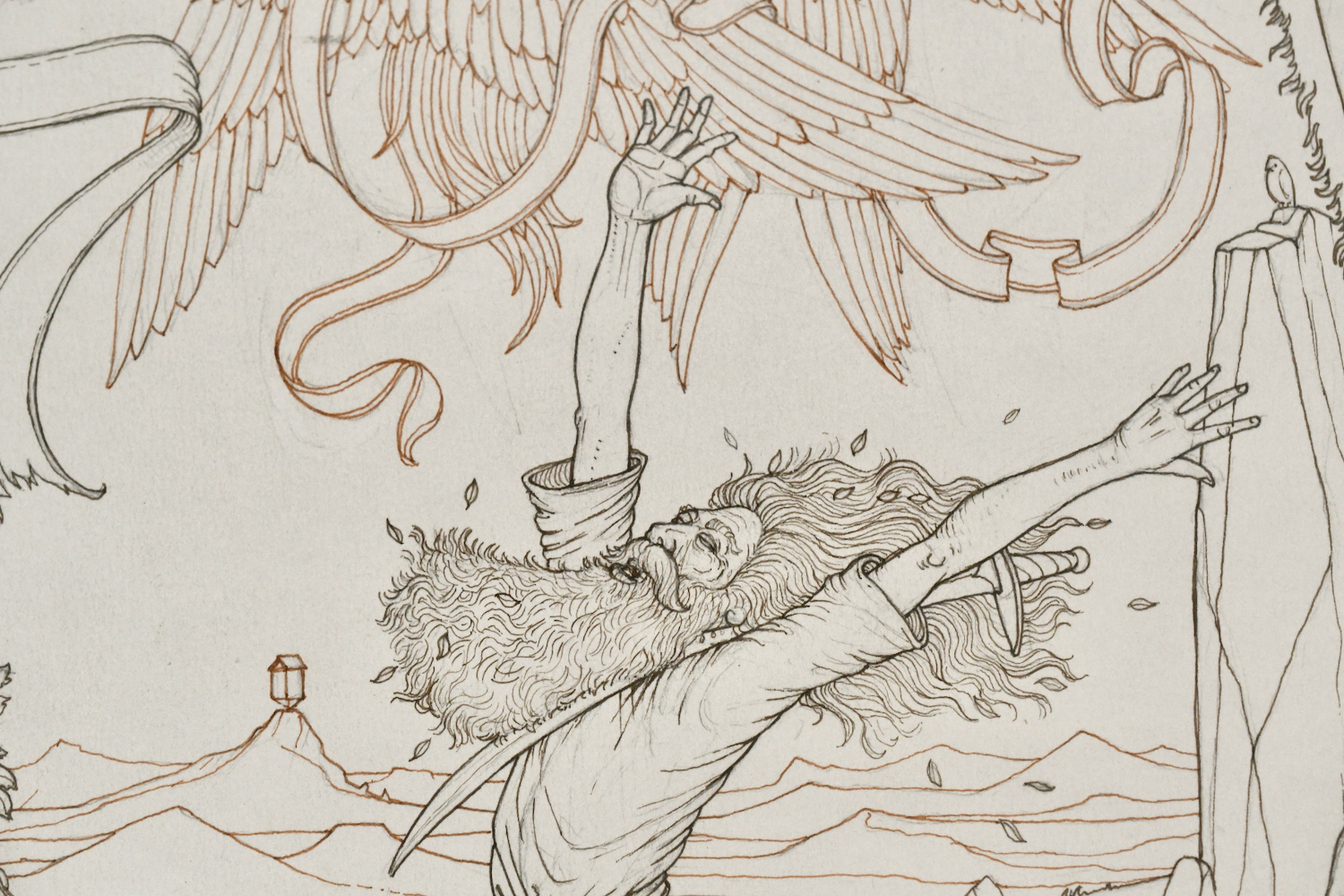
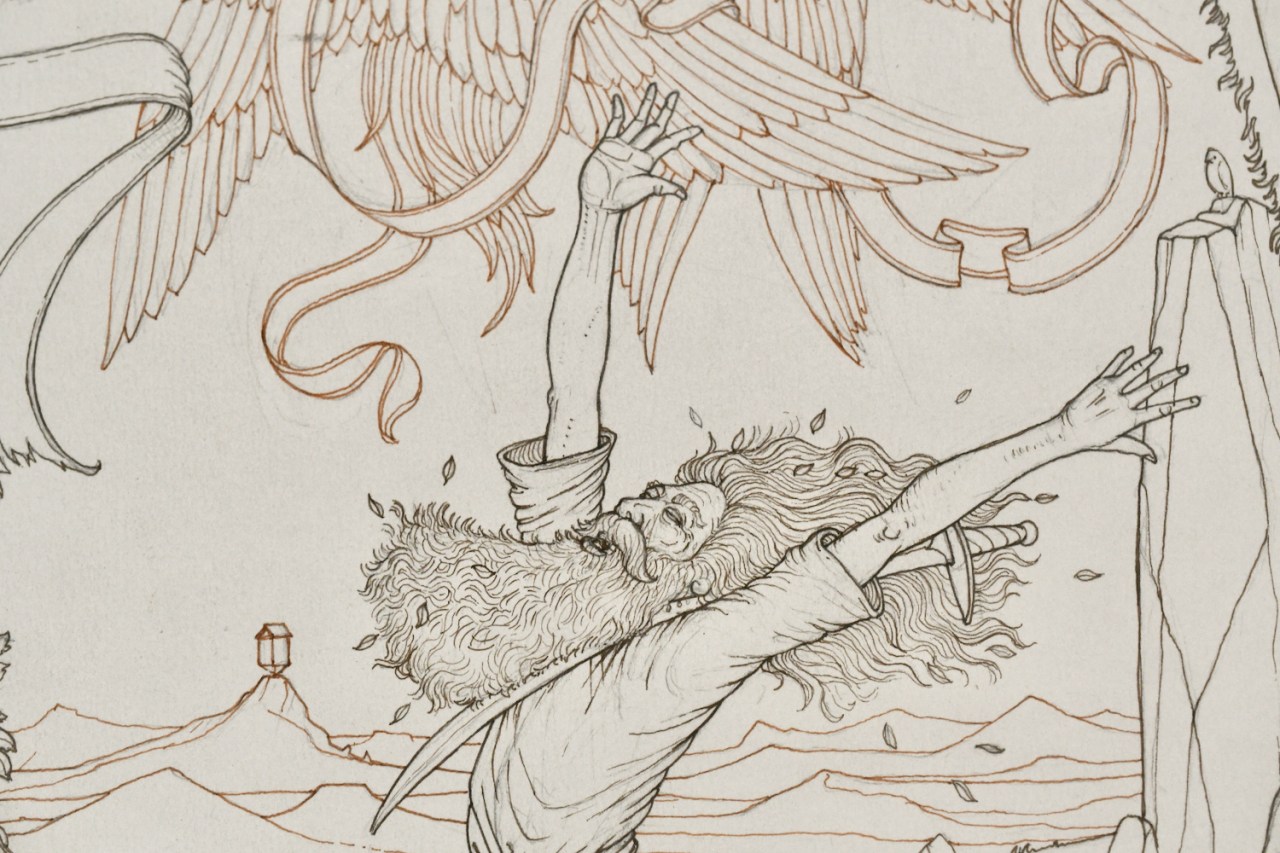
I am leaning heavily on Gruenwald for this drawing of the crucifixion scene. This image will be transferred to a wooden panel for oil painting.
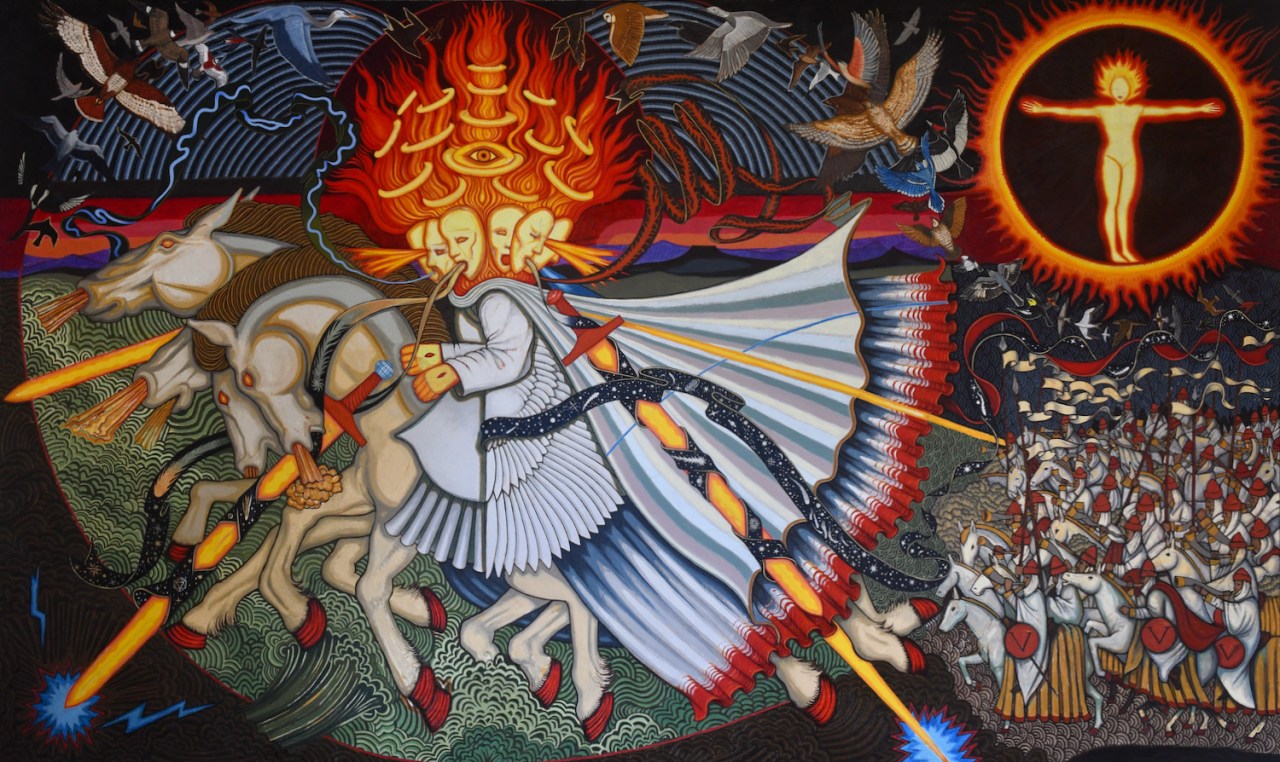

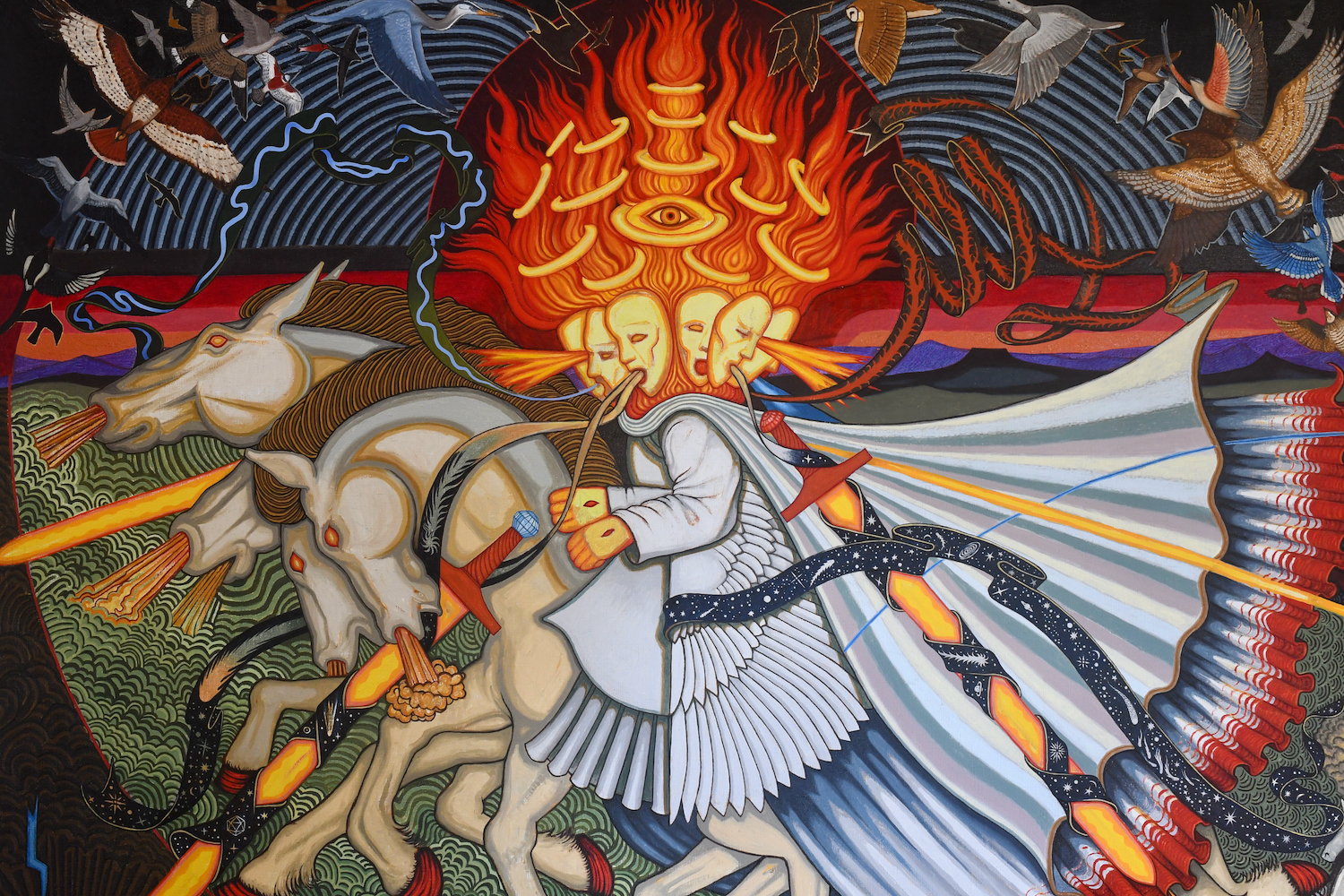
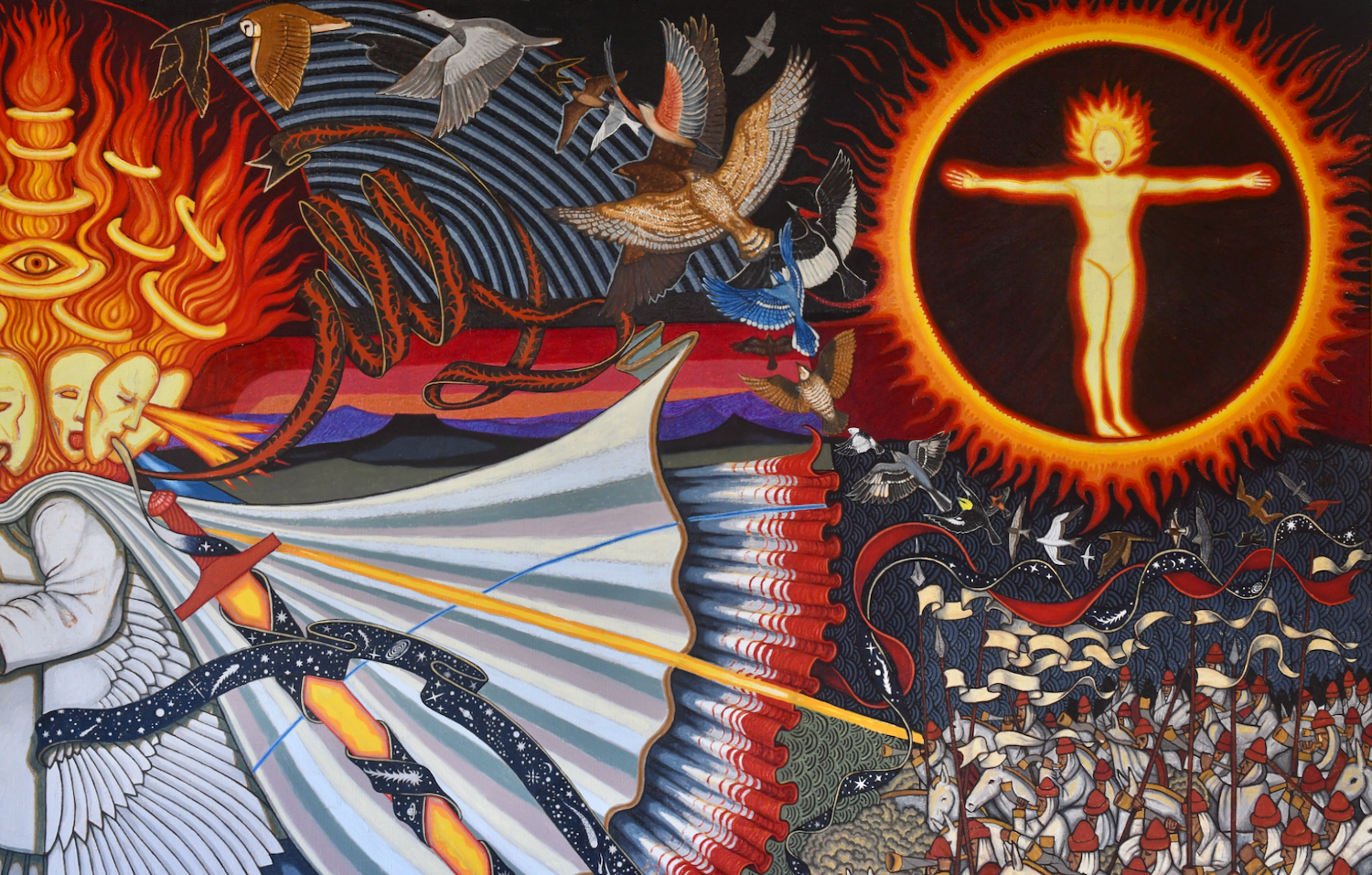
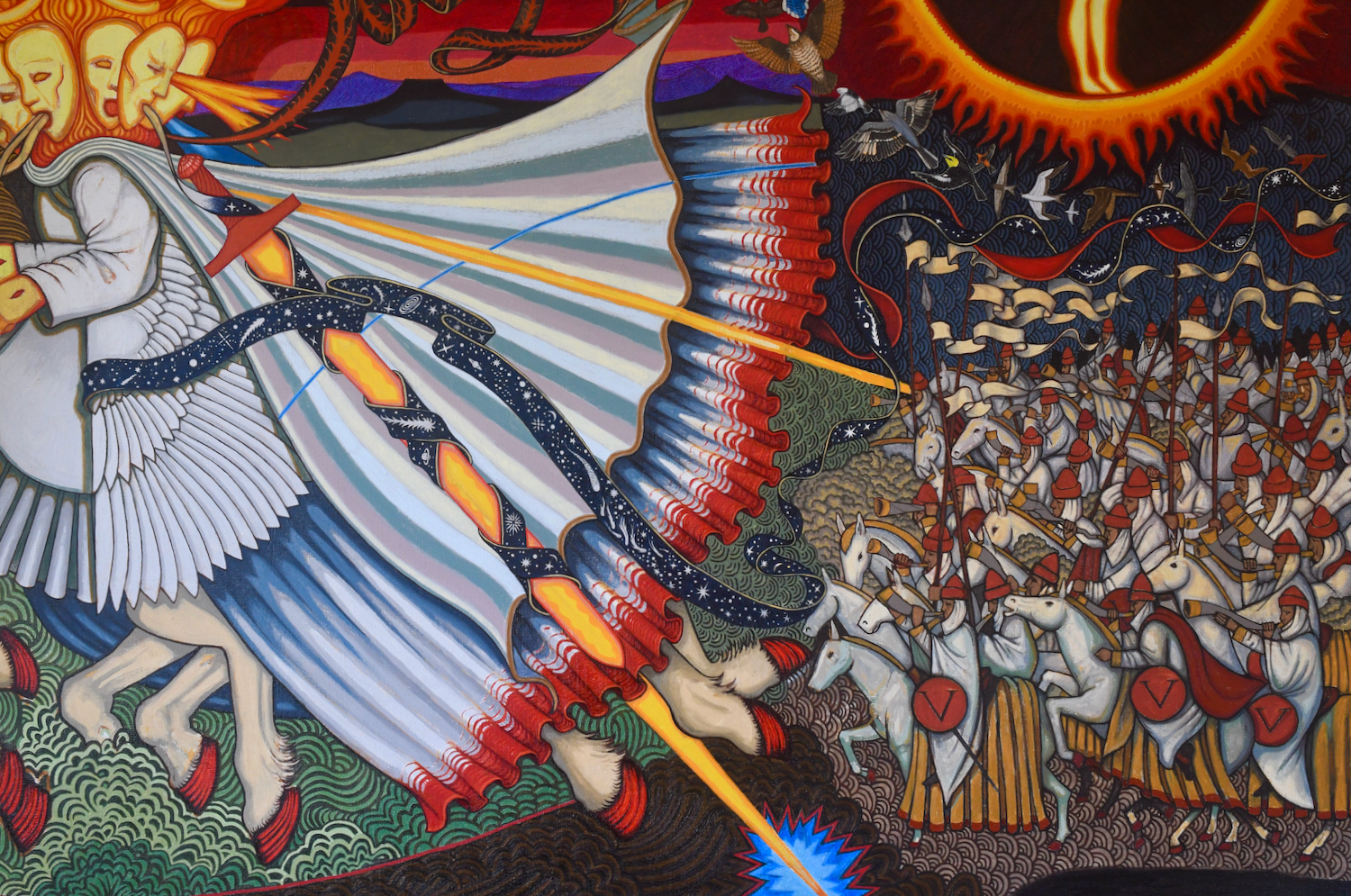
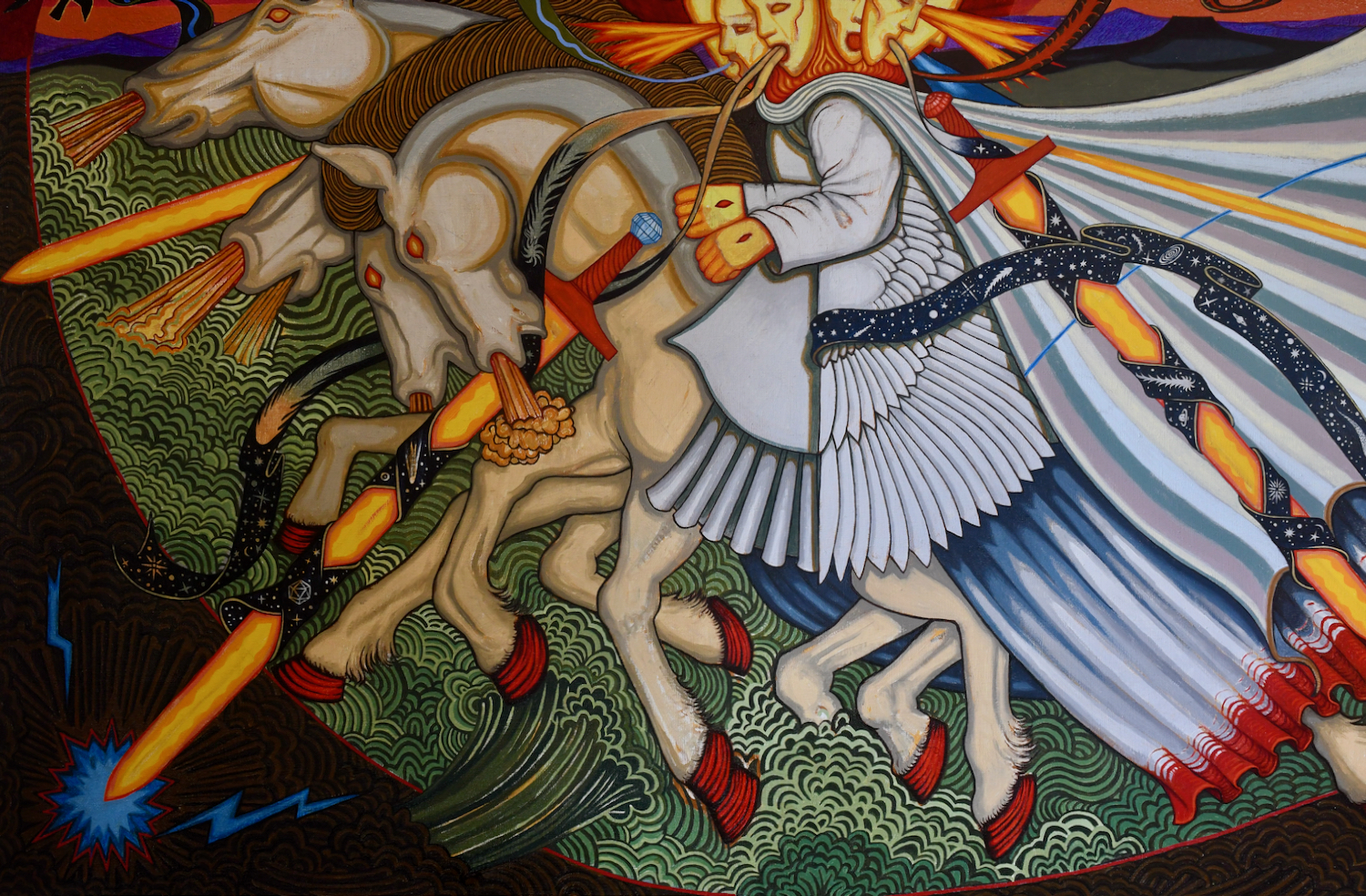
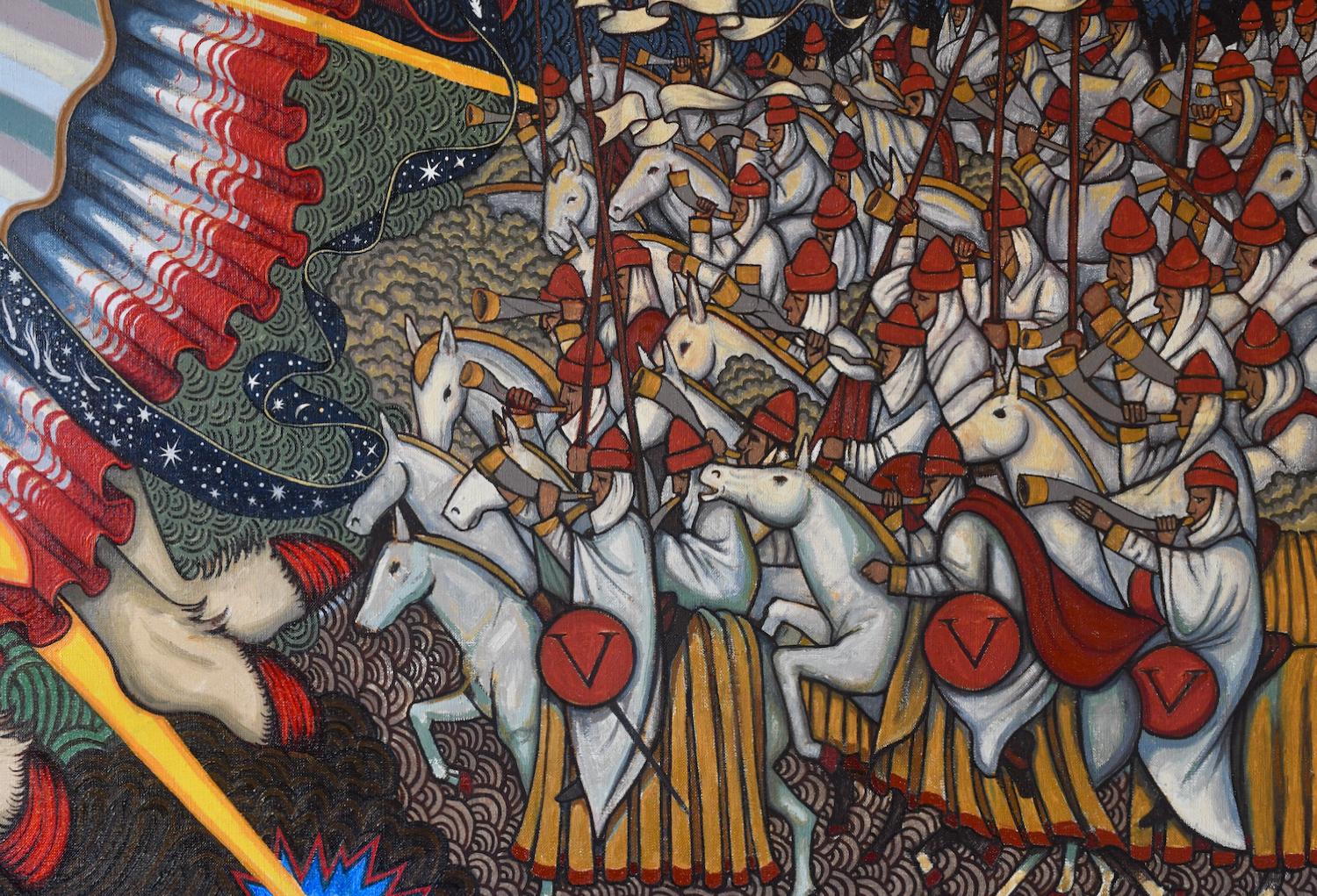
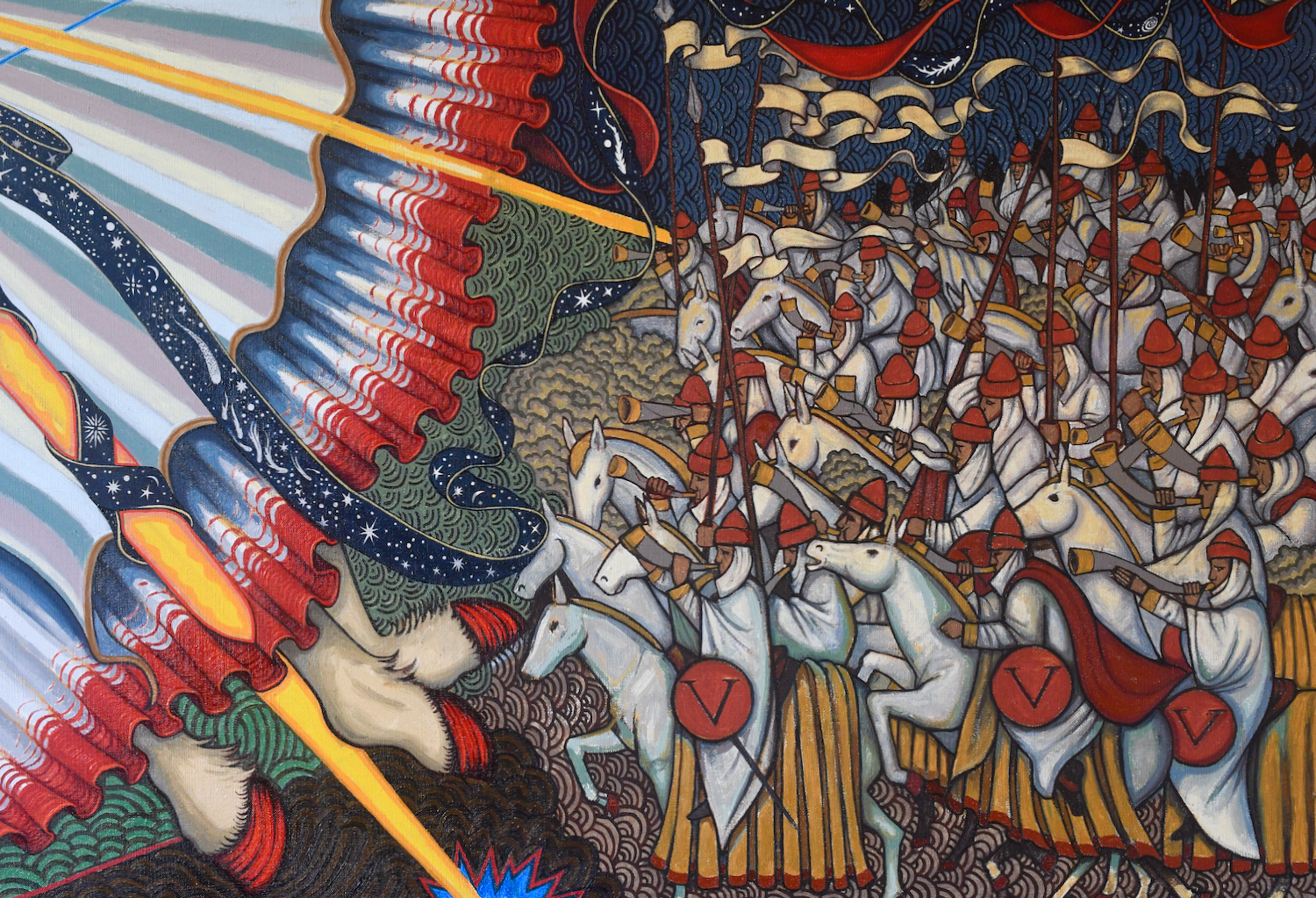
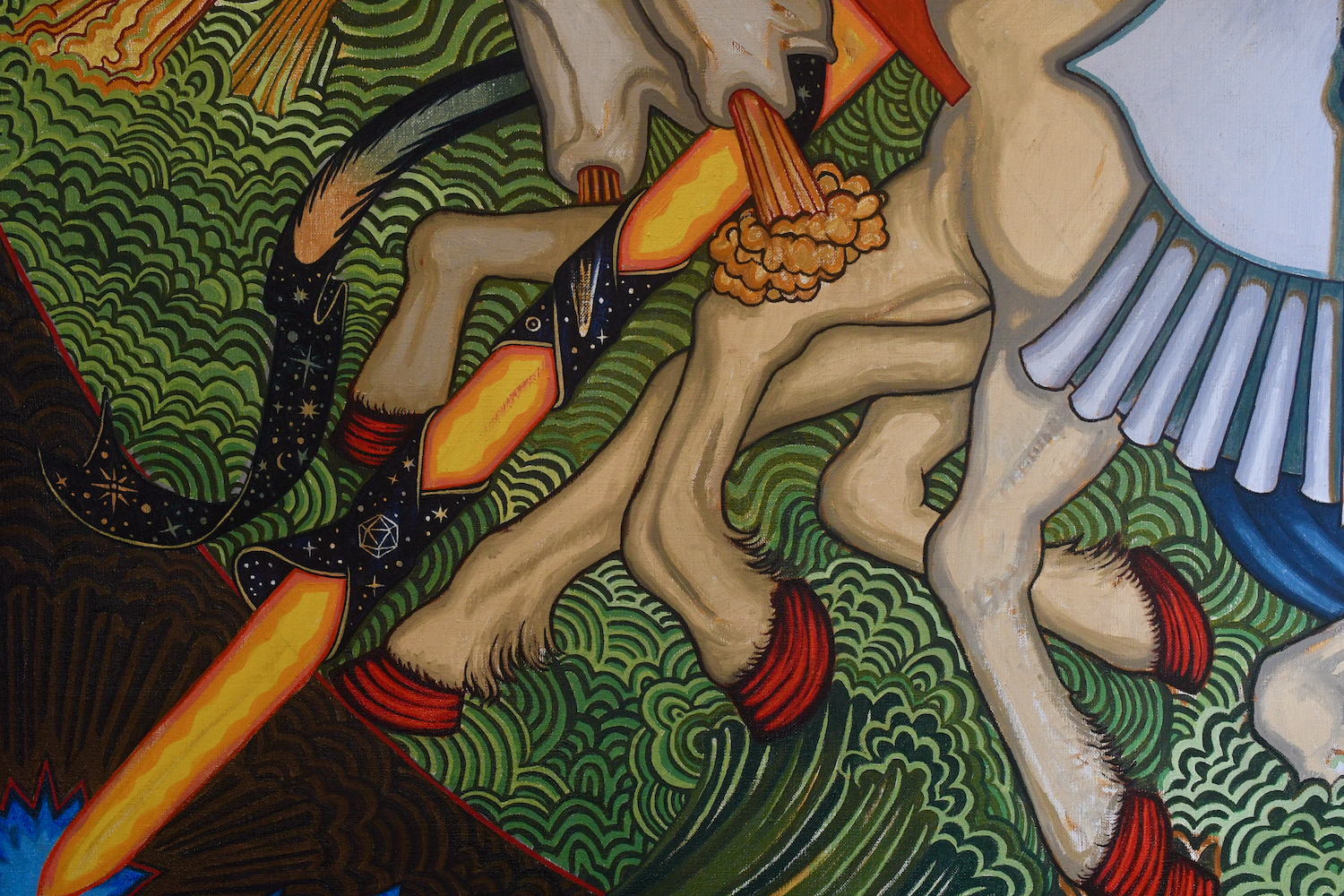
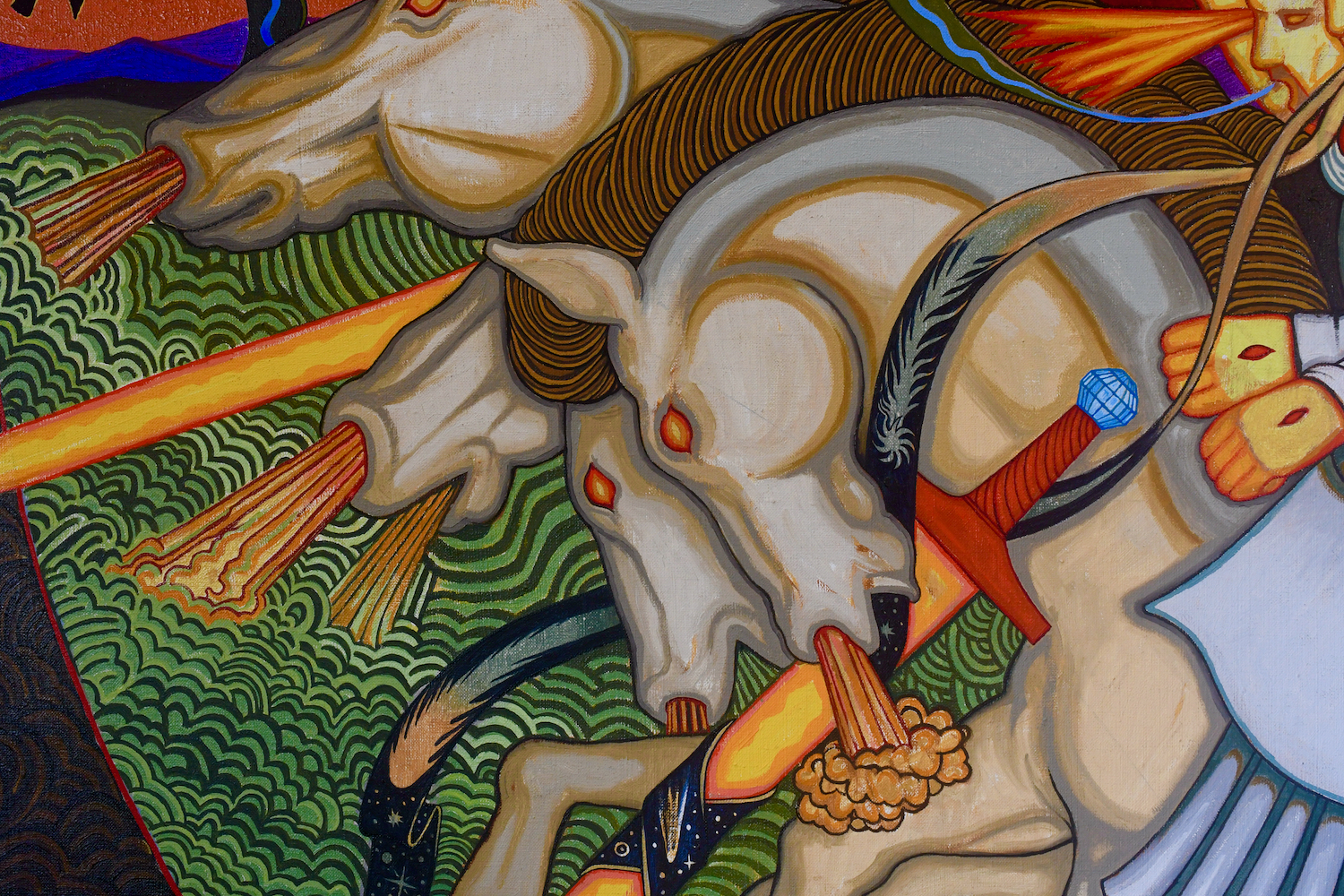
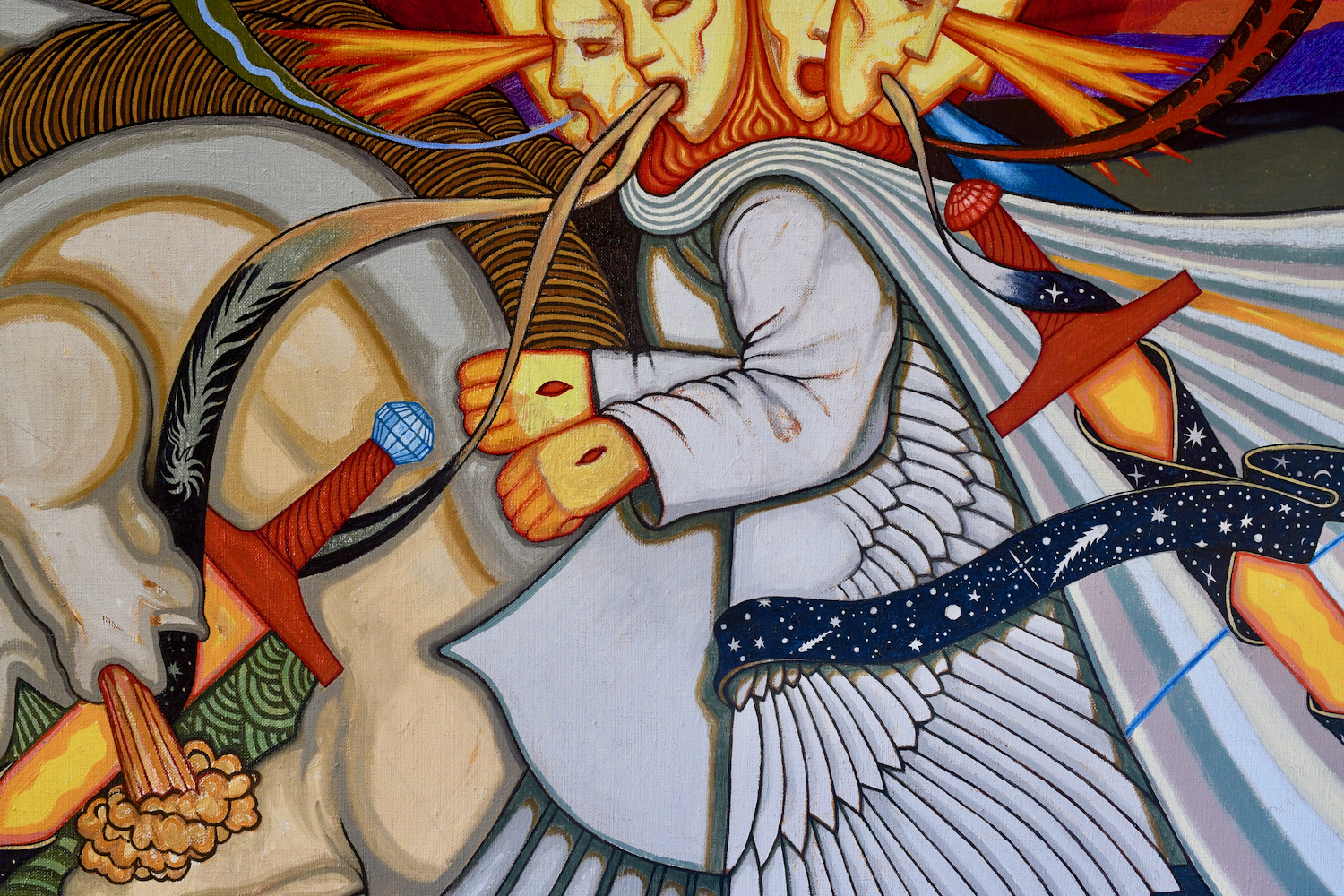
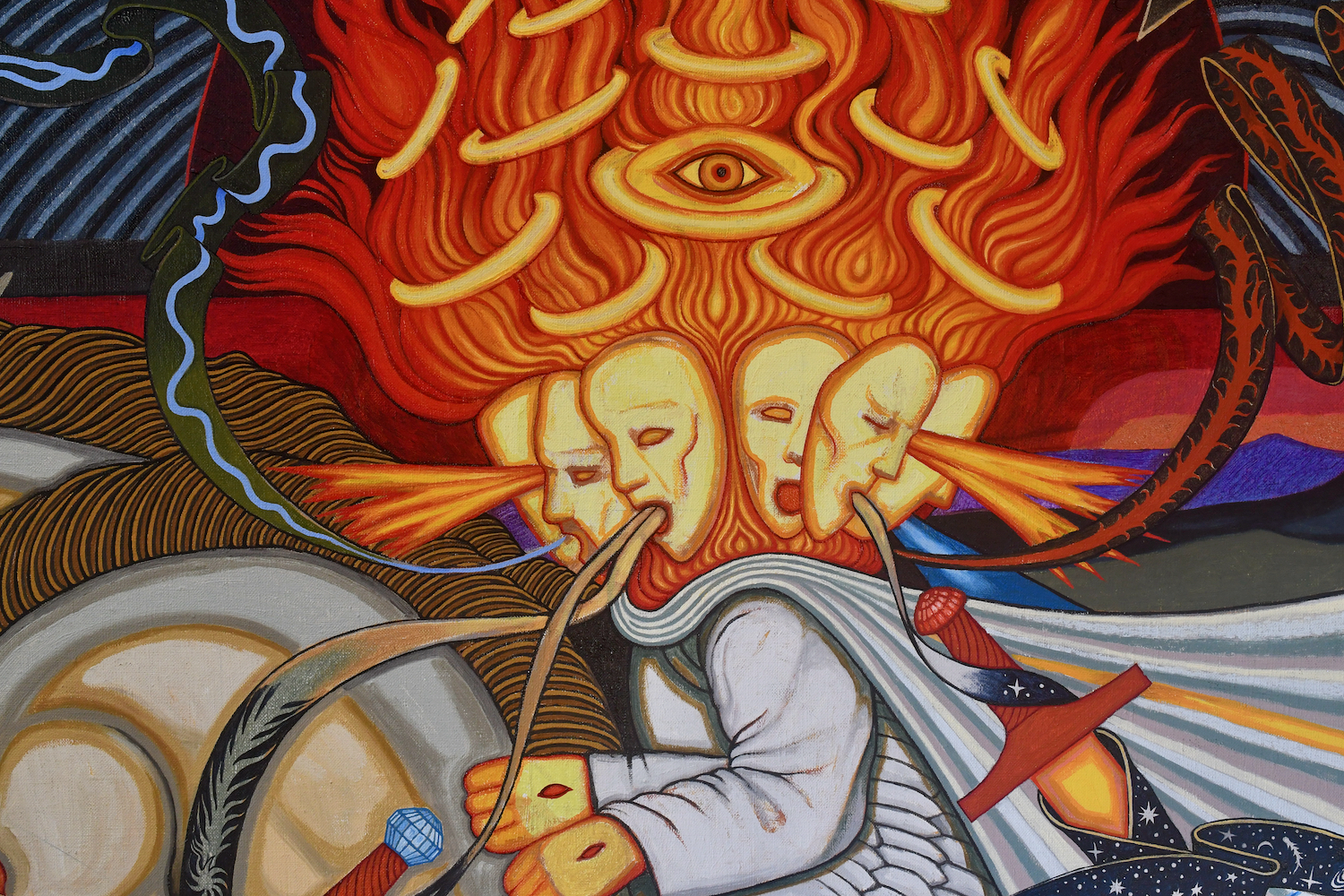
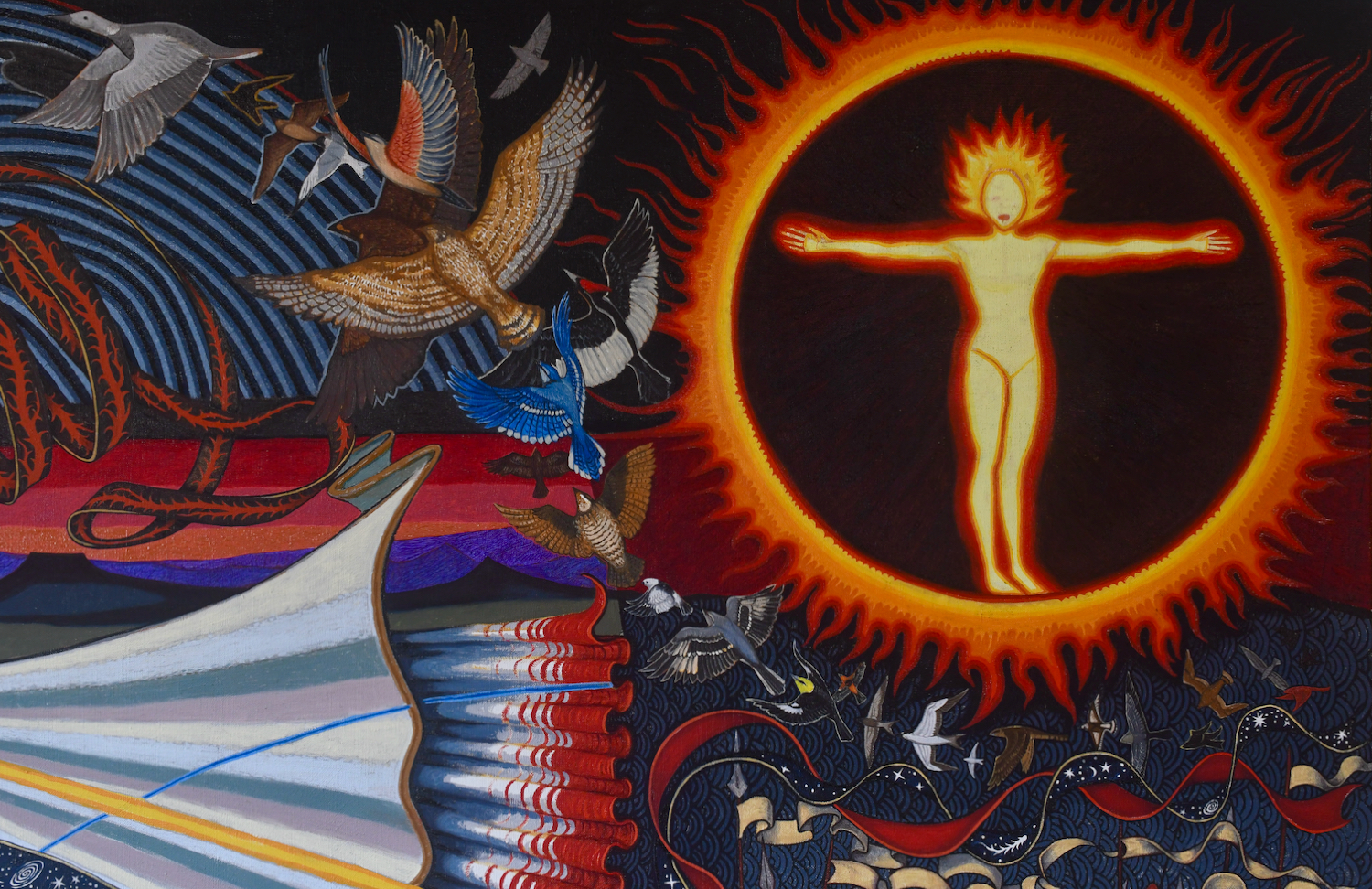
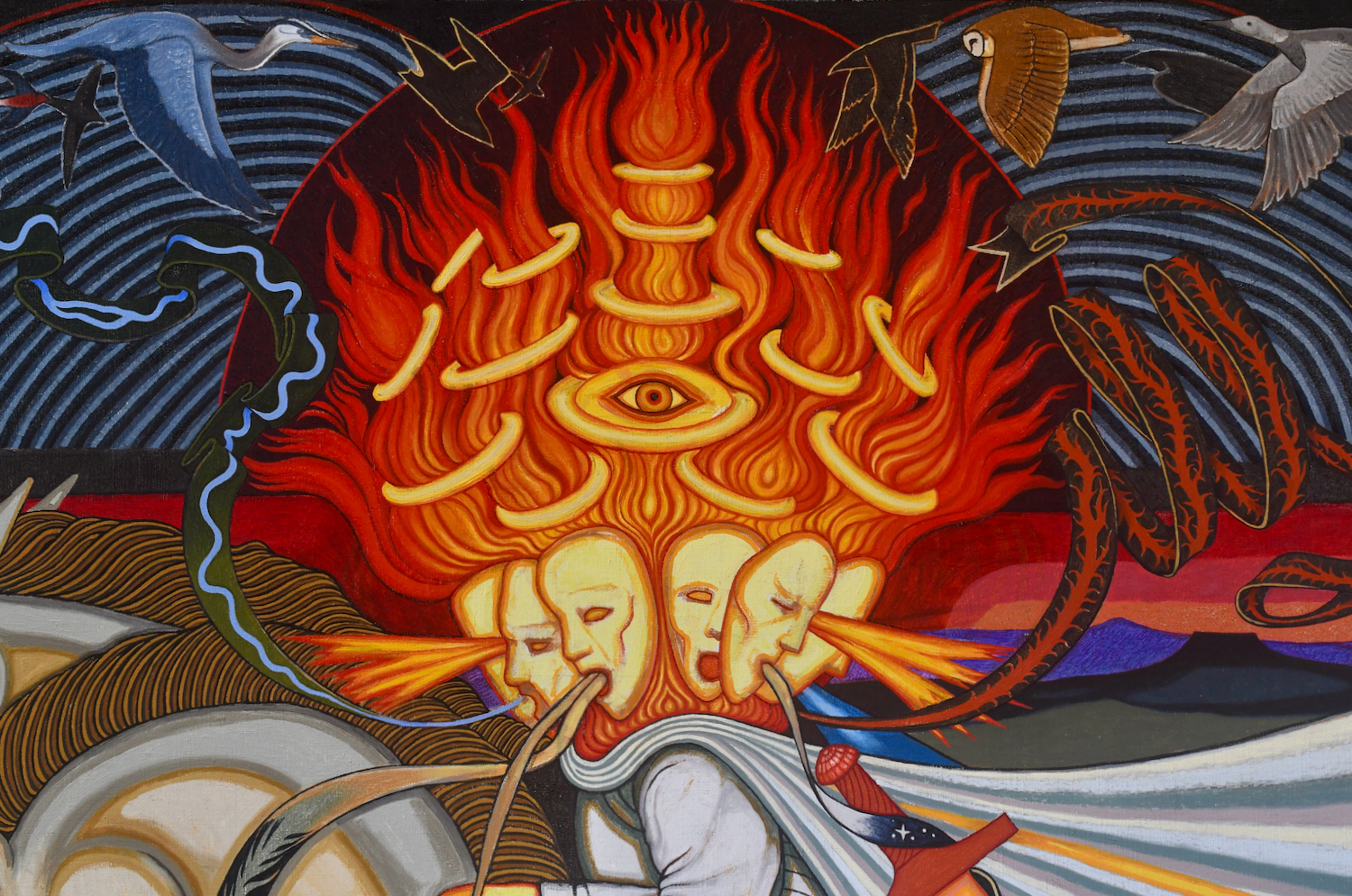
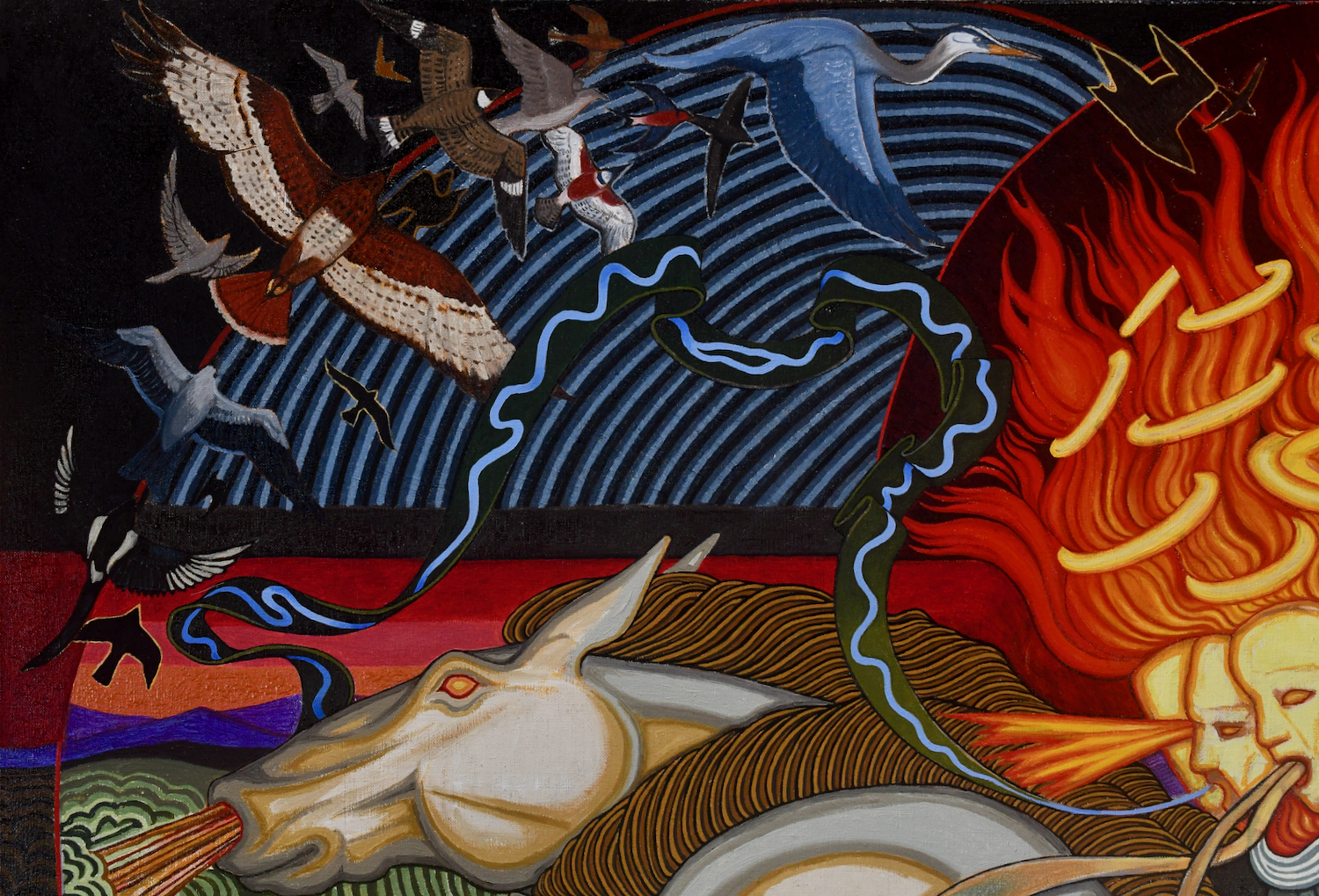
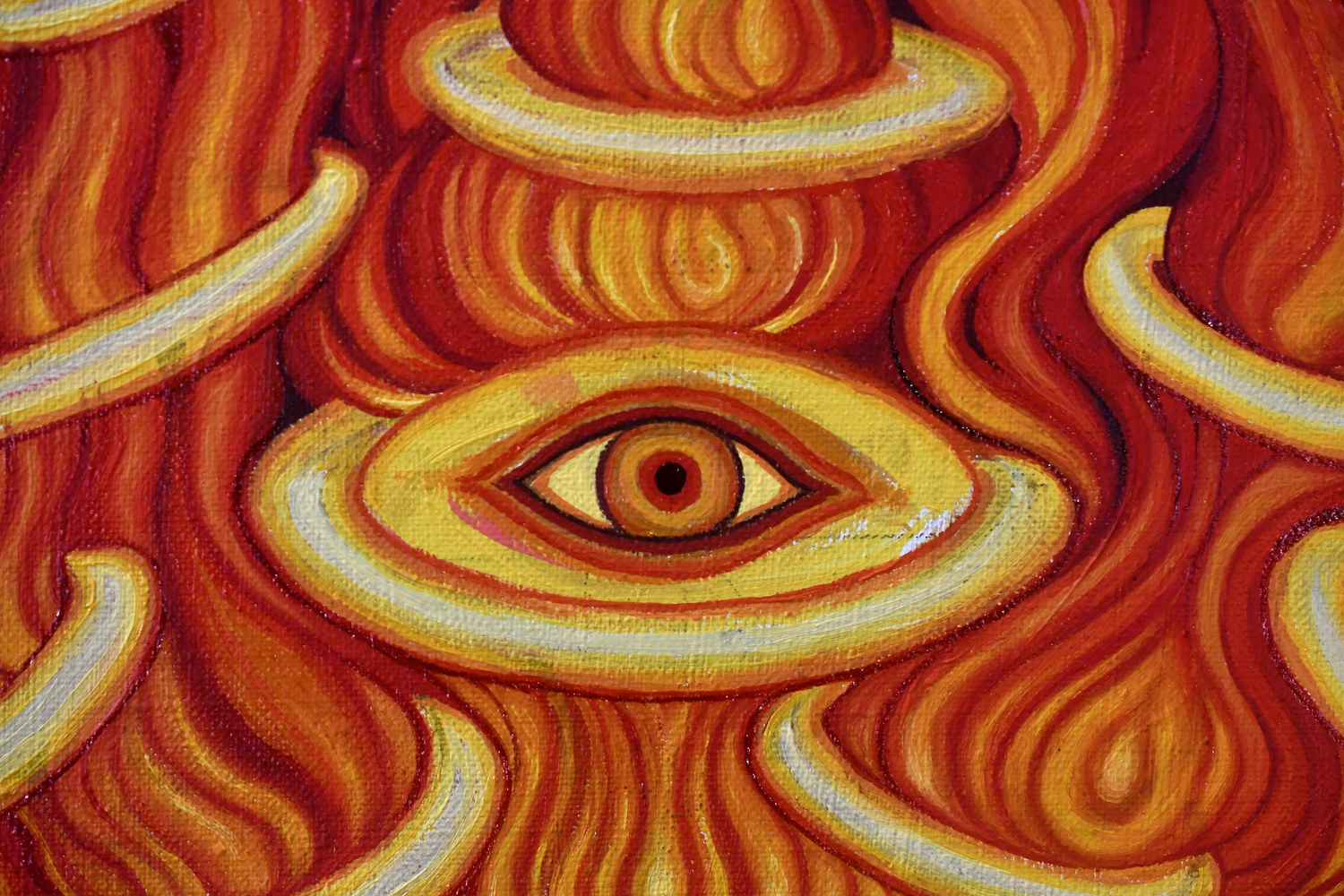
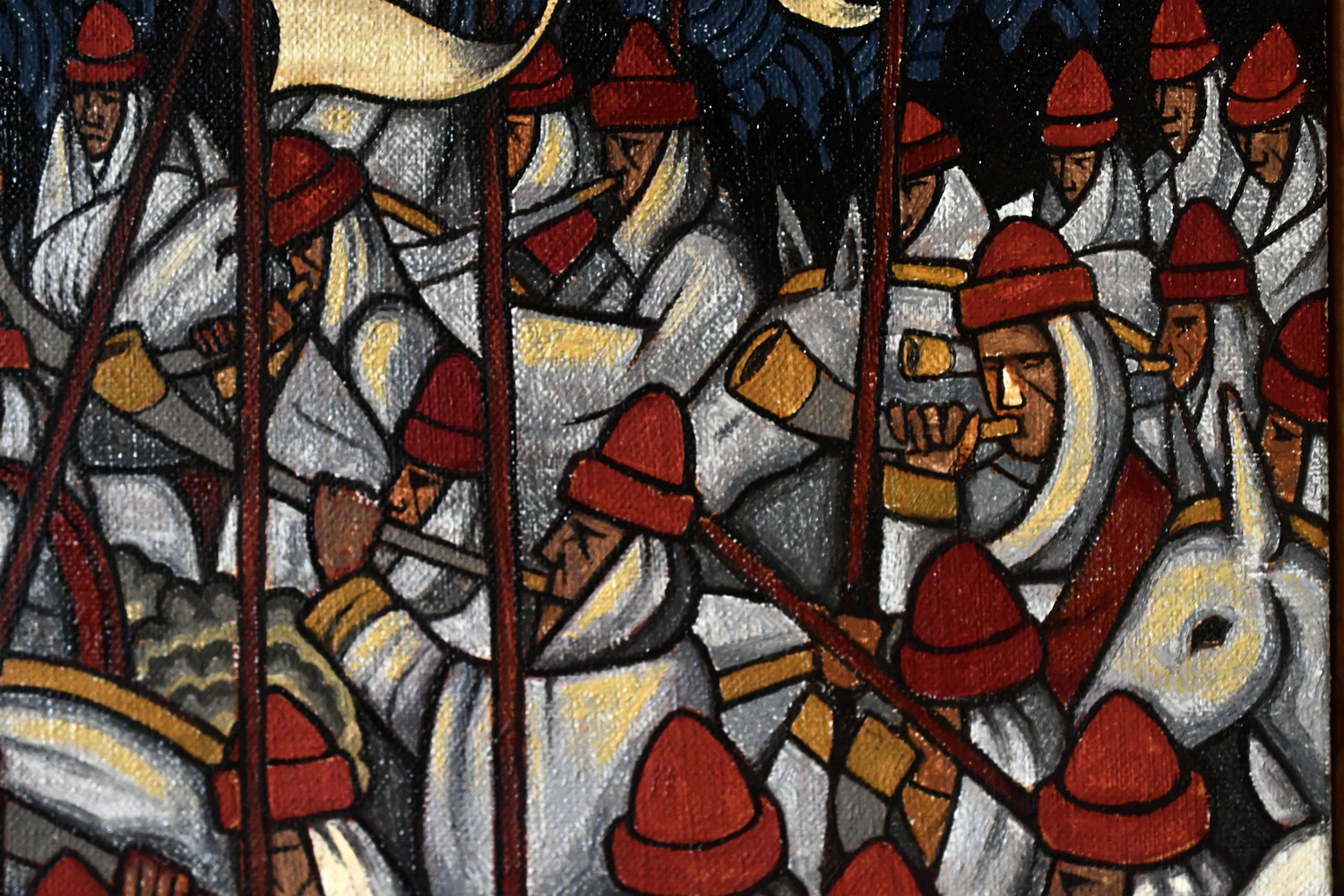
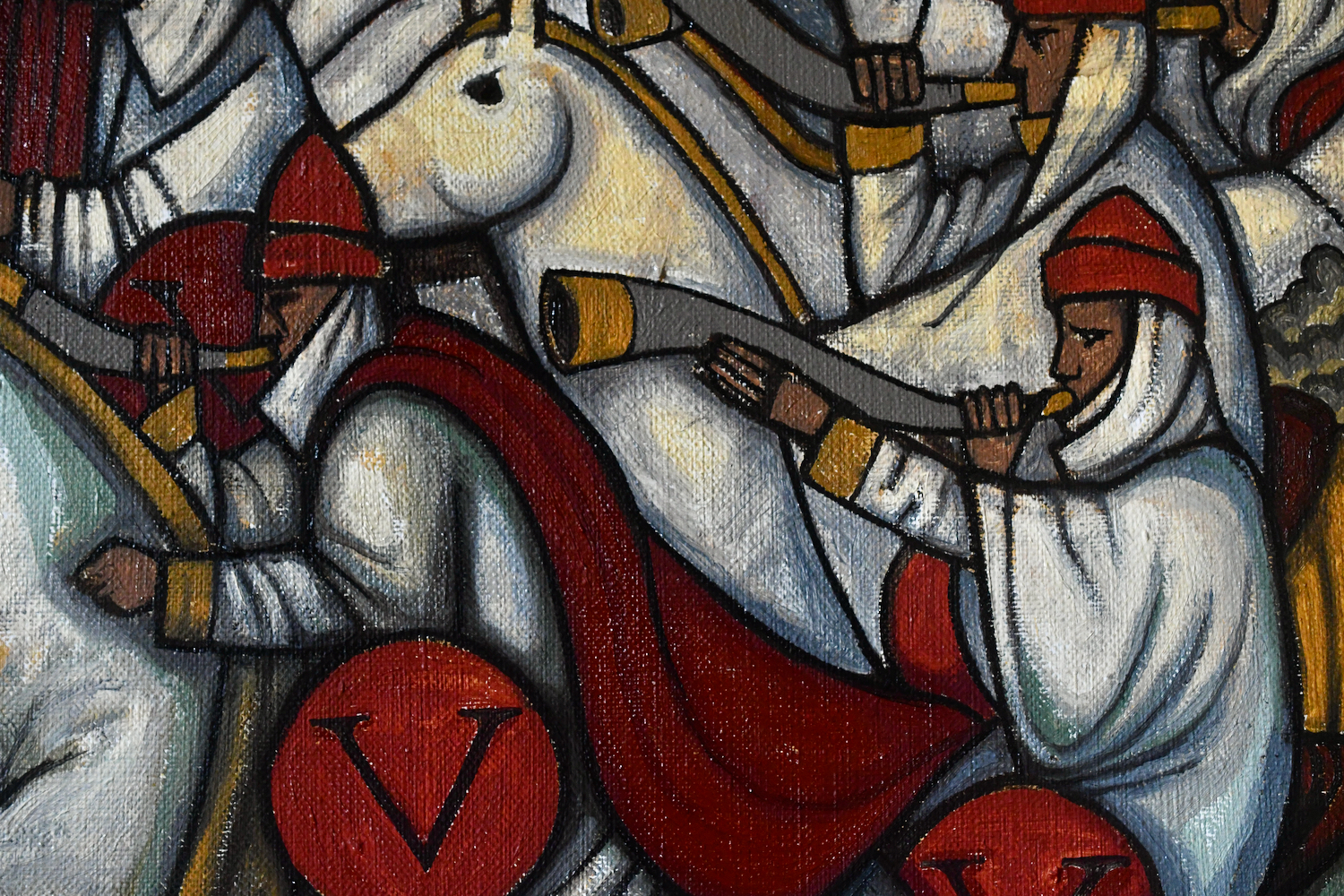
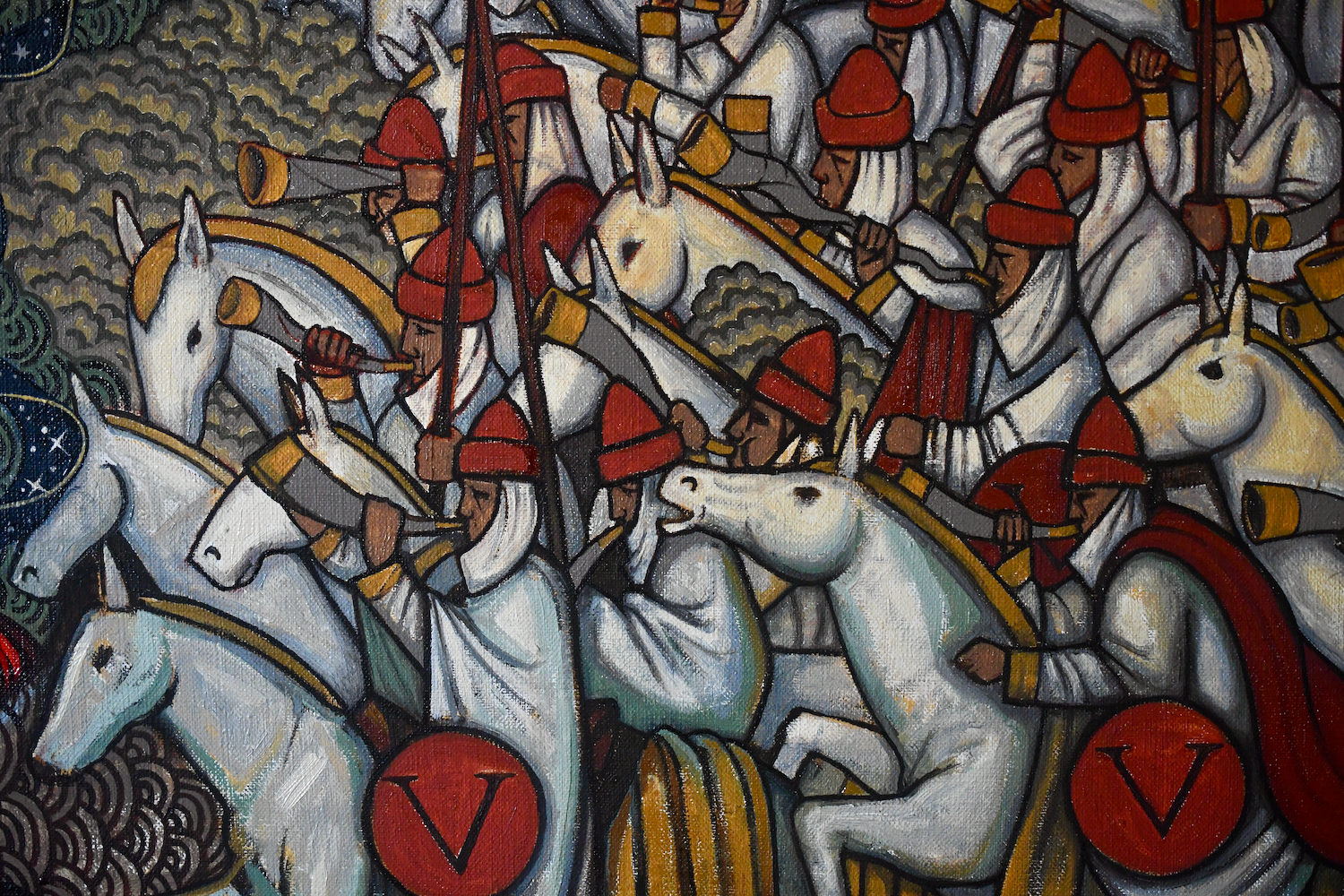
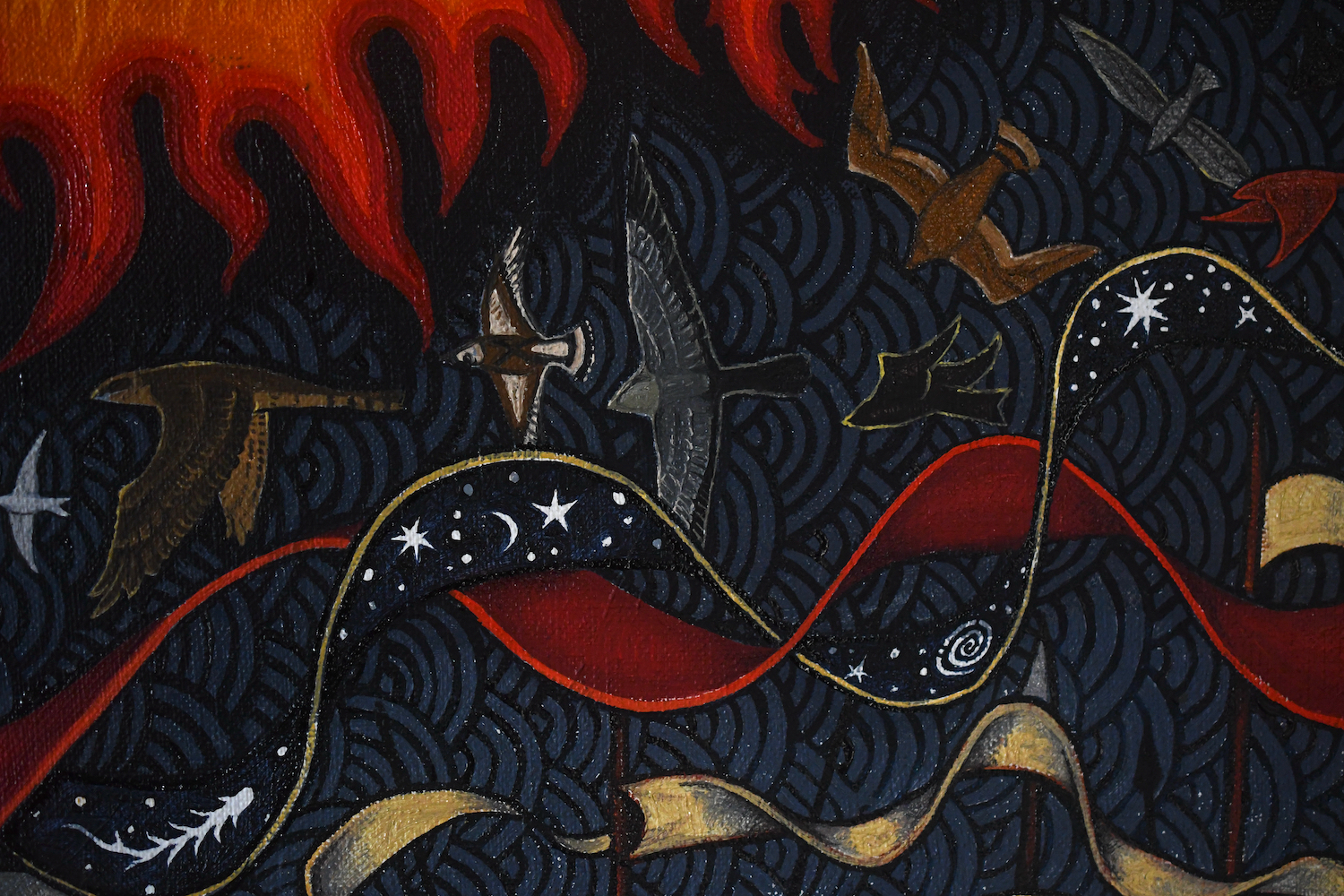
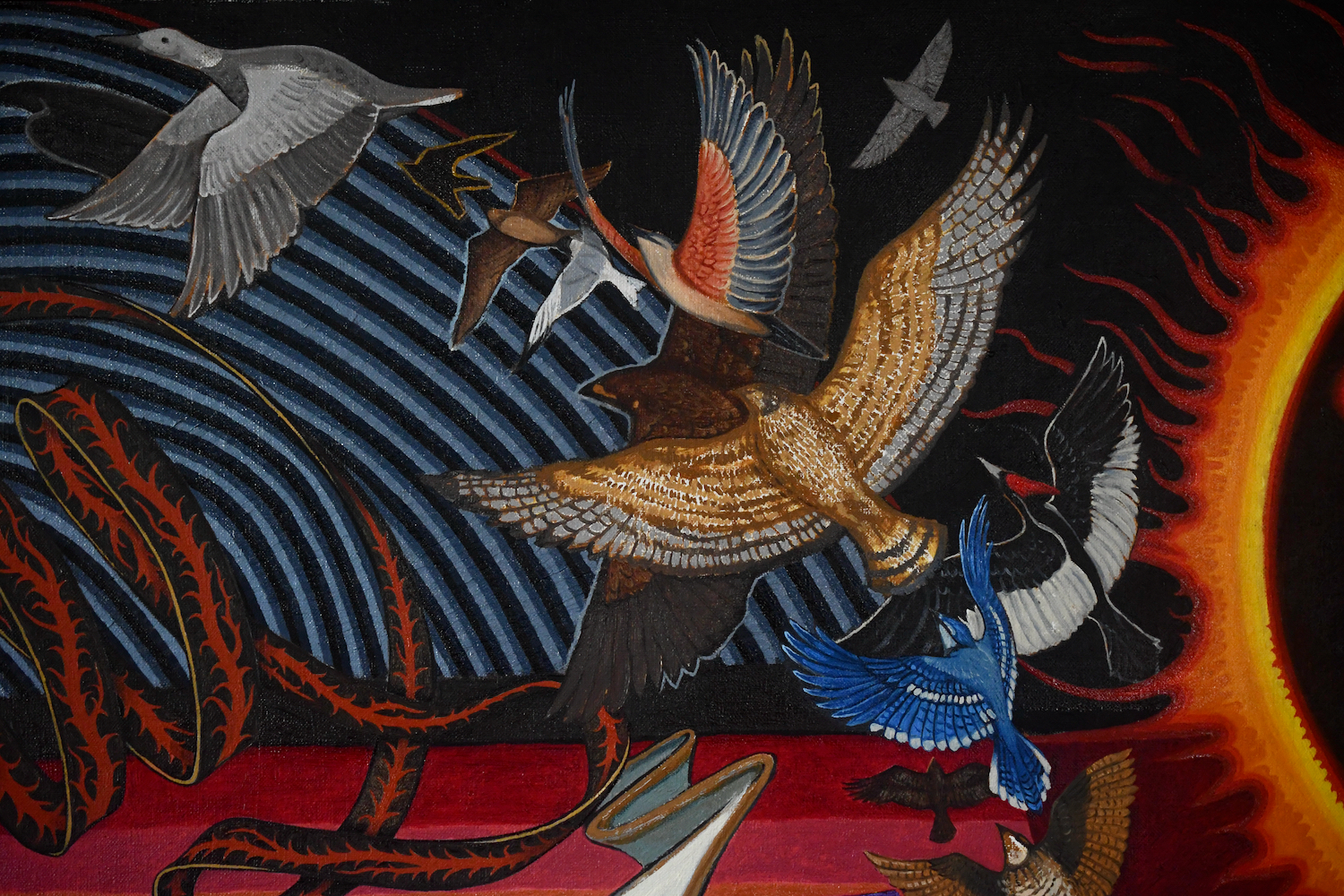
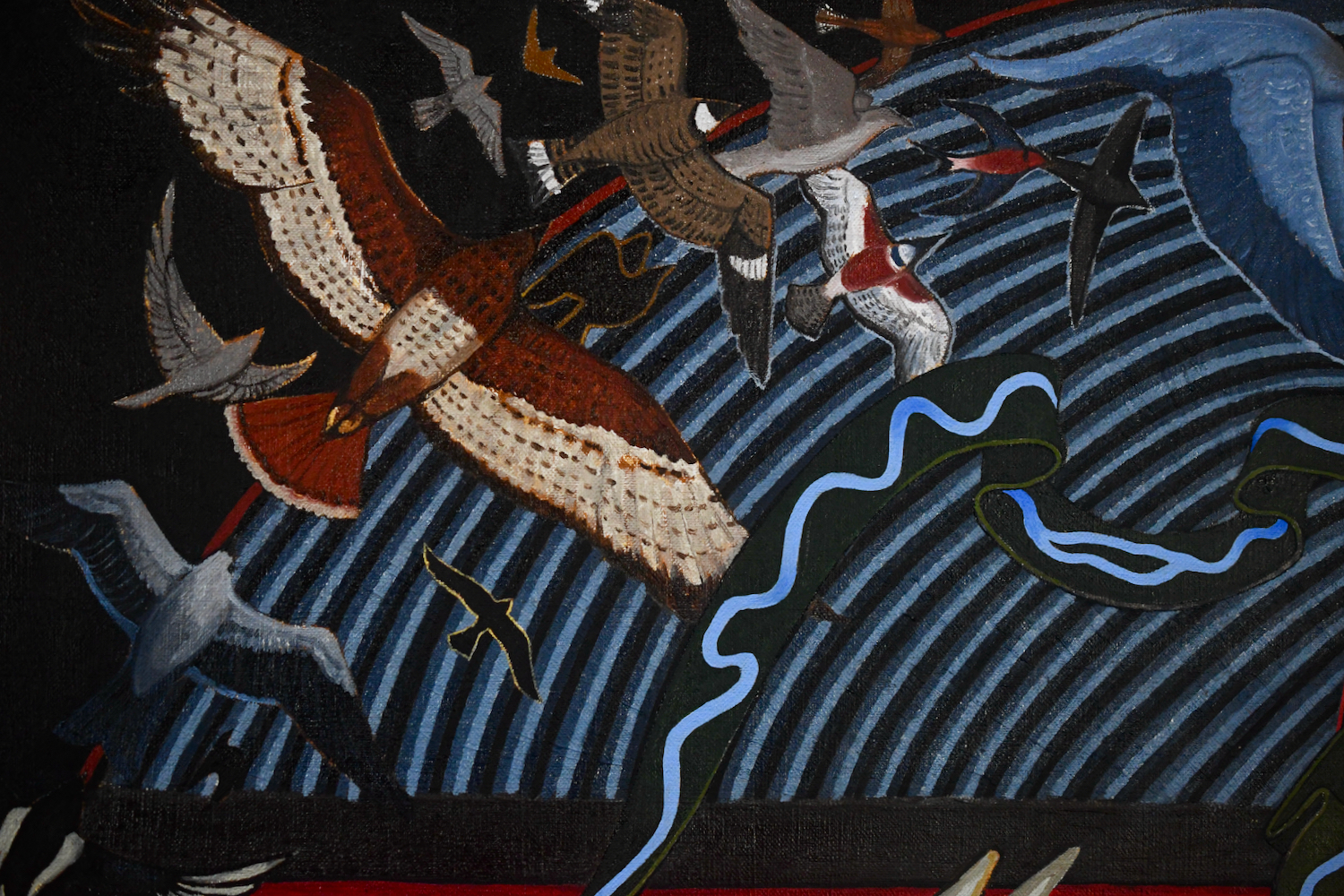
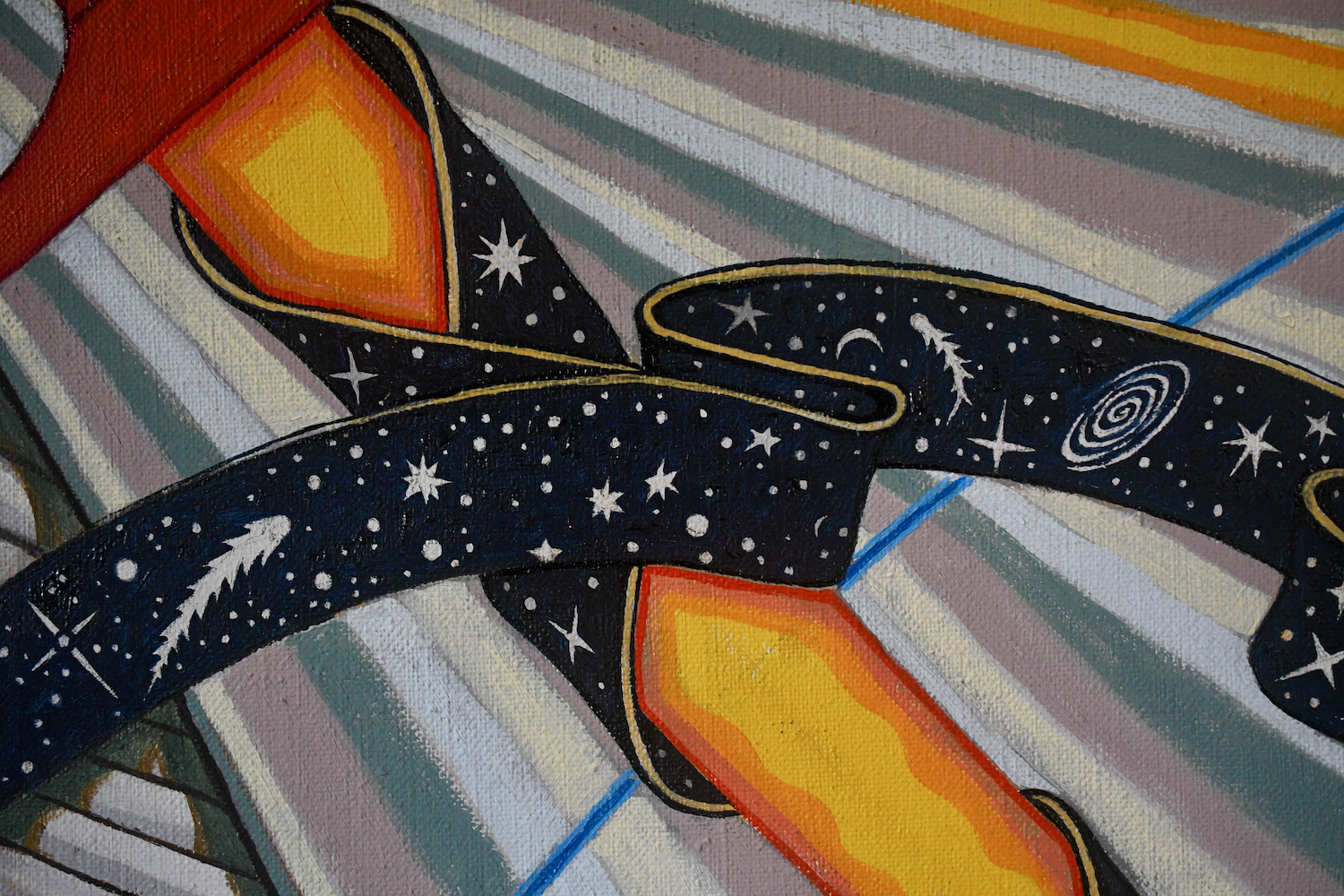

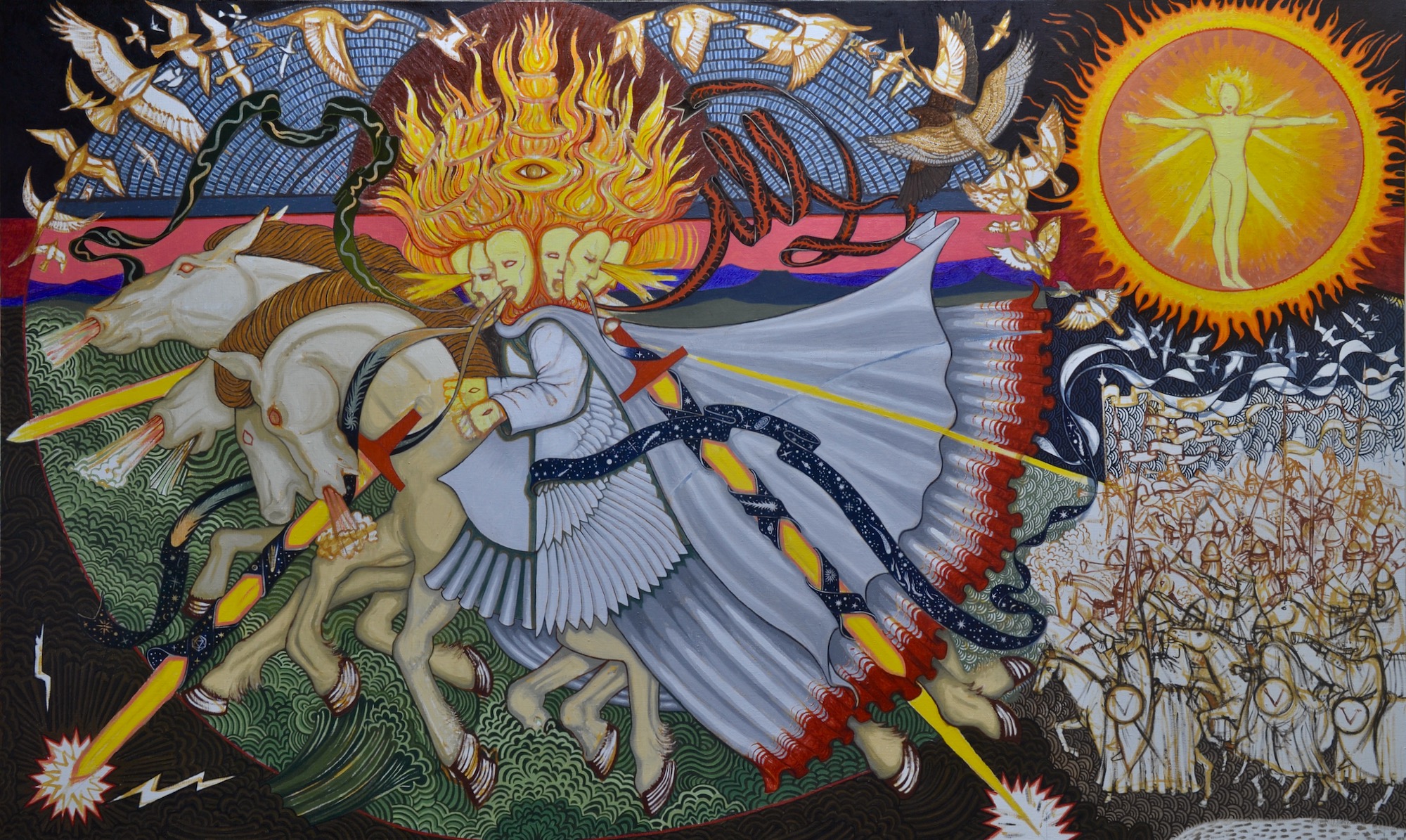
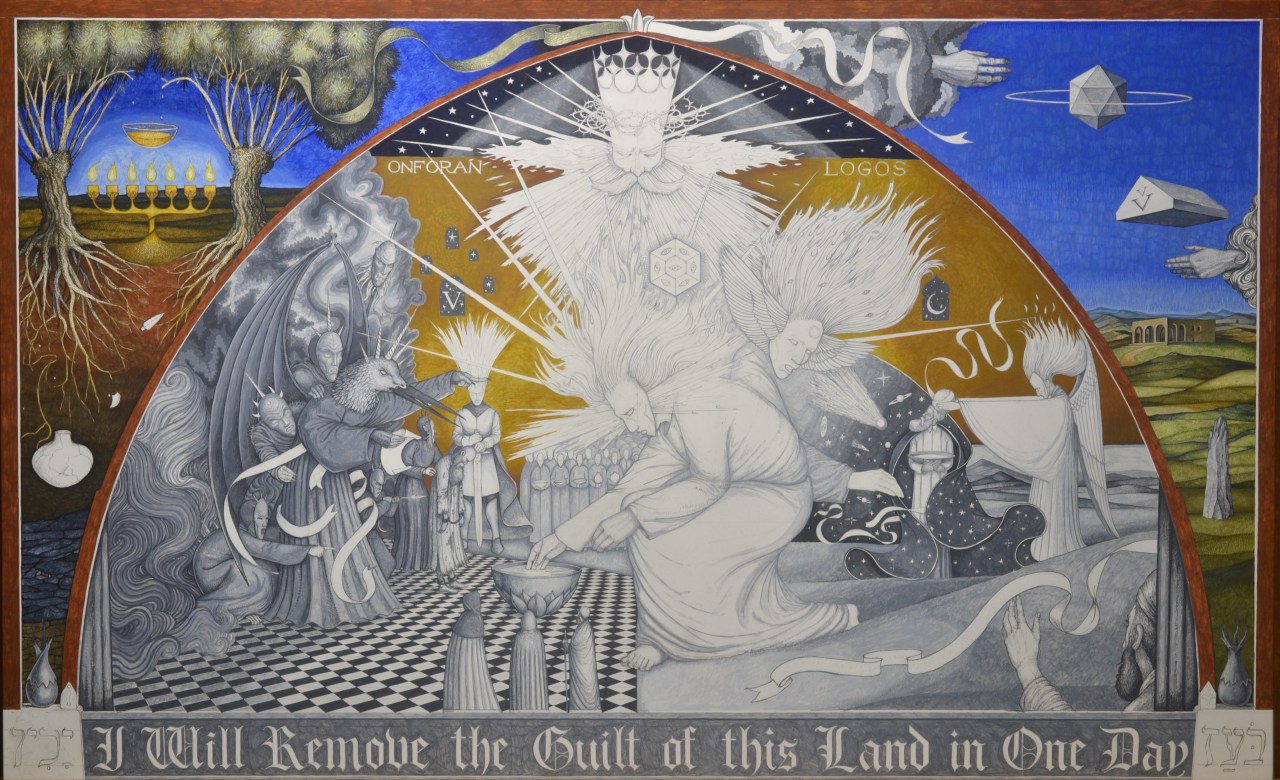
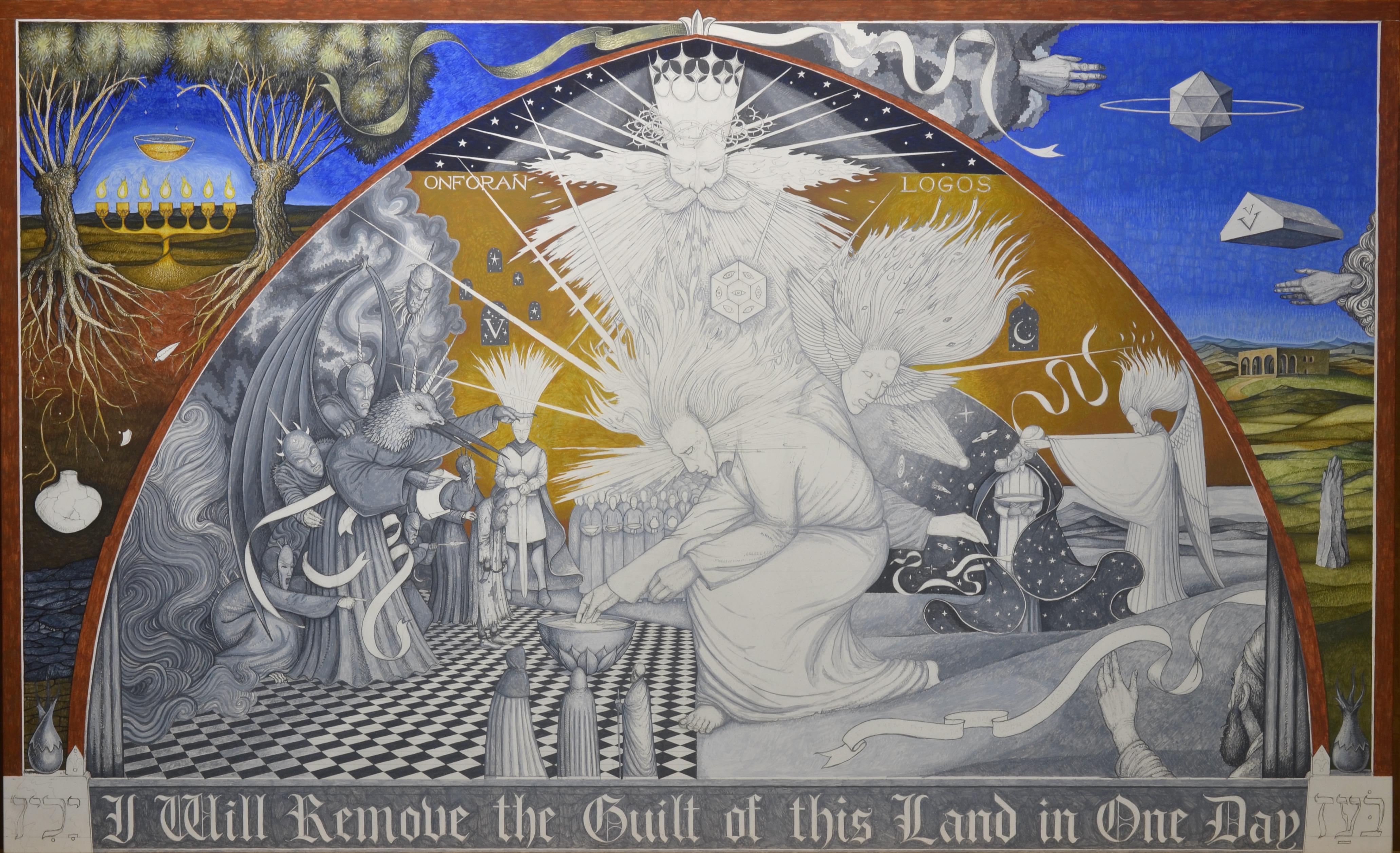
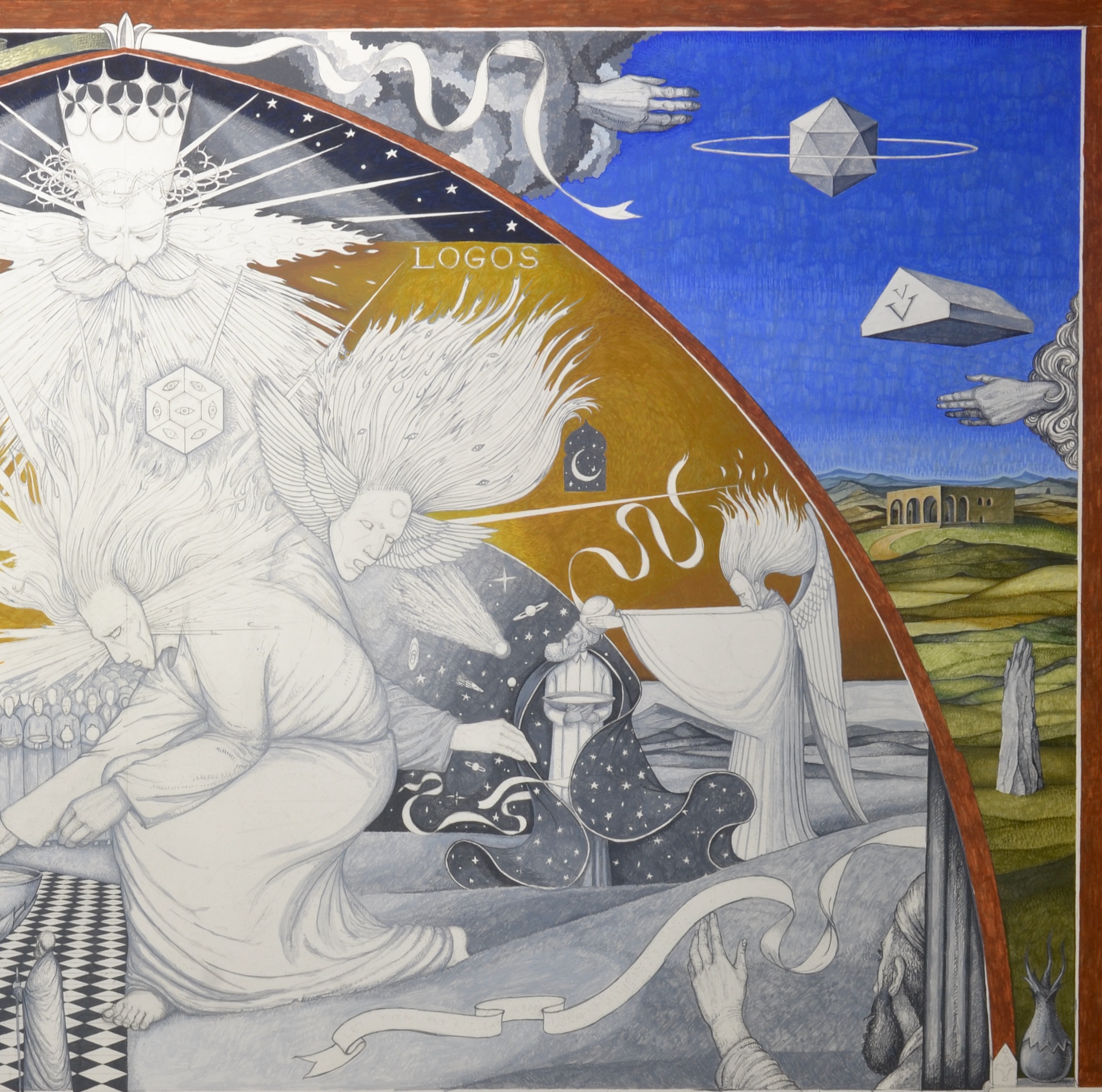
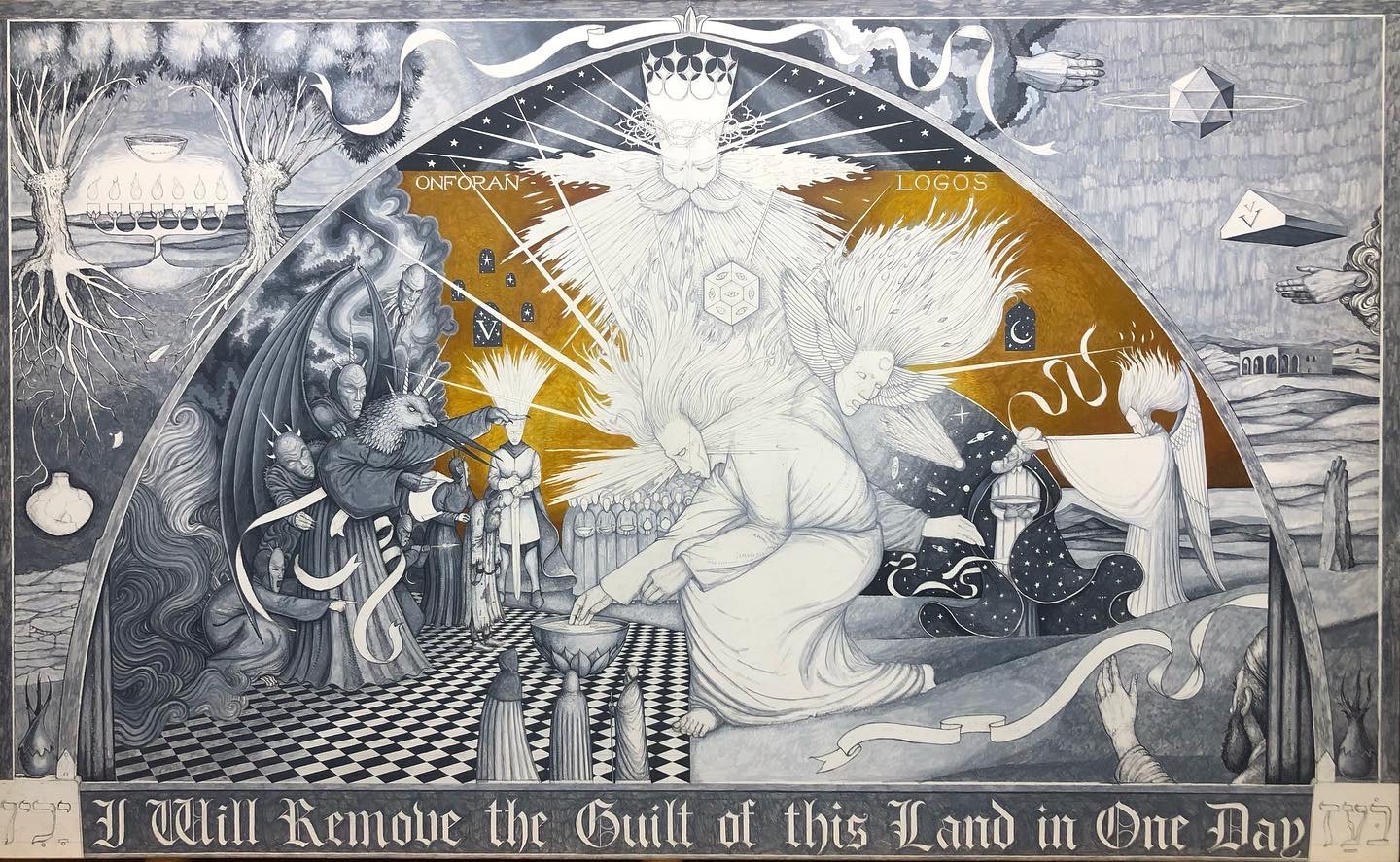
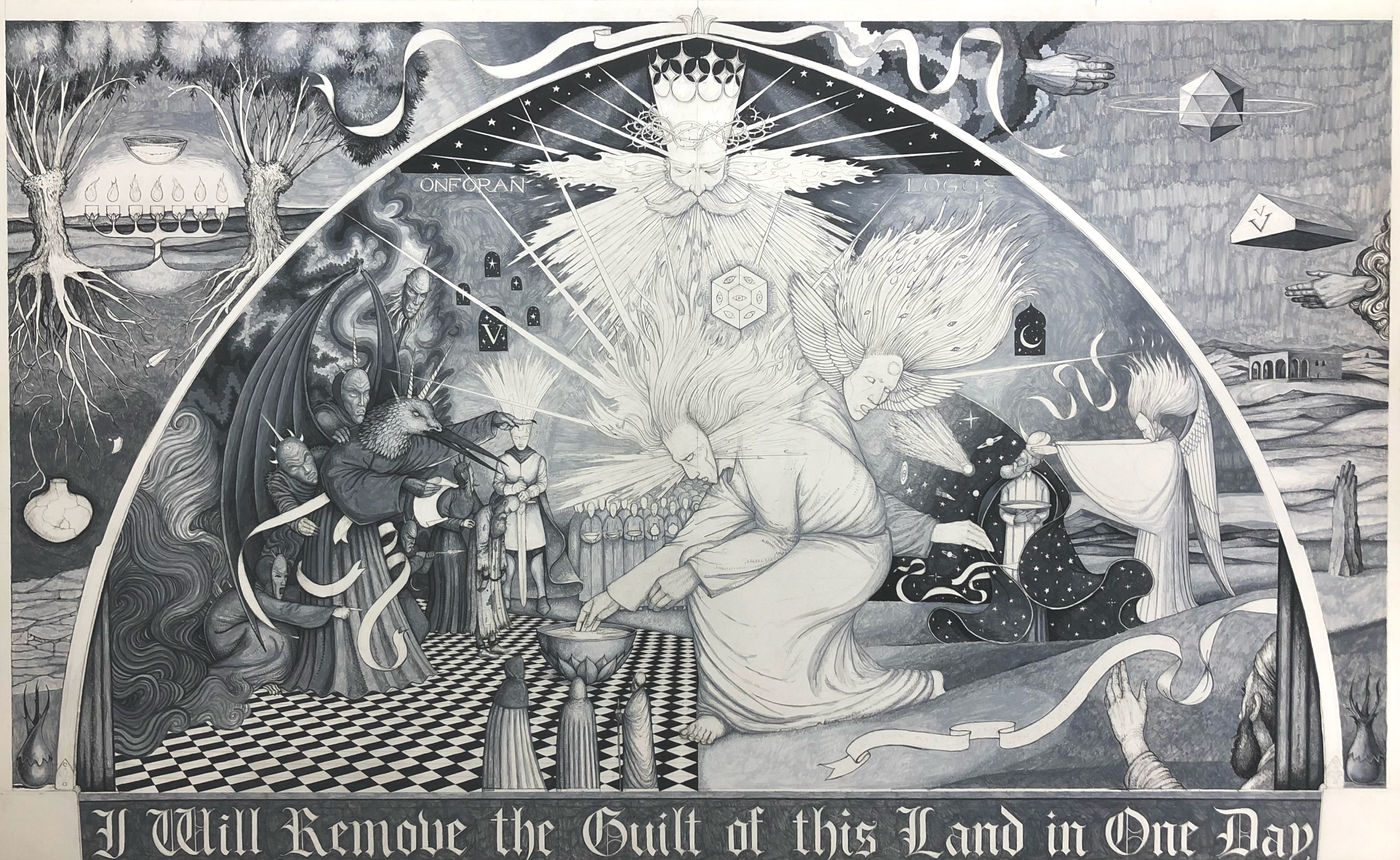
This is a work in progress of the 1st of what will be a diptych of two large linen panels (60″ x 36″) representing the events of Revelation 19: 11-21.




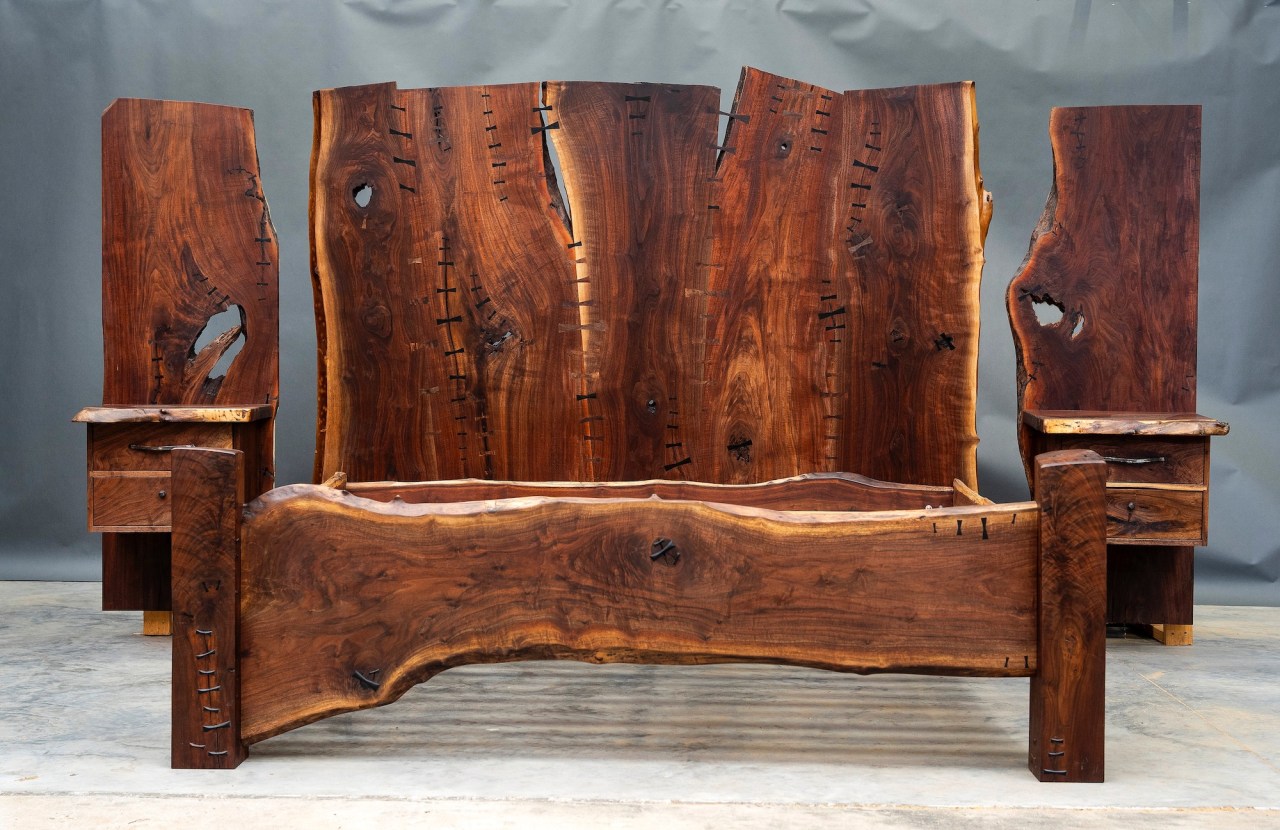

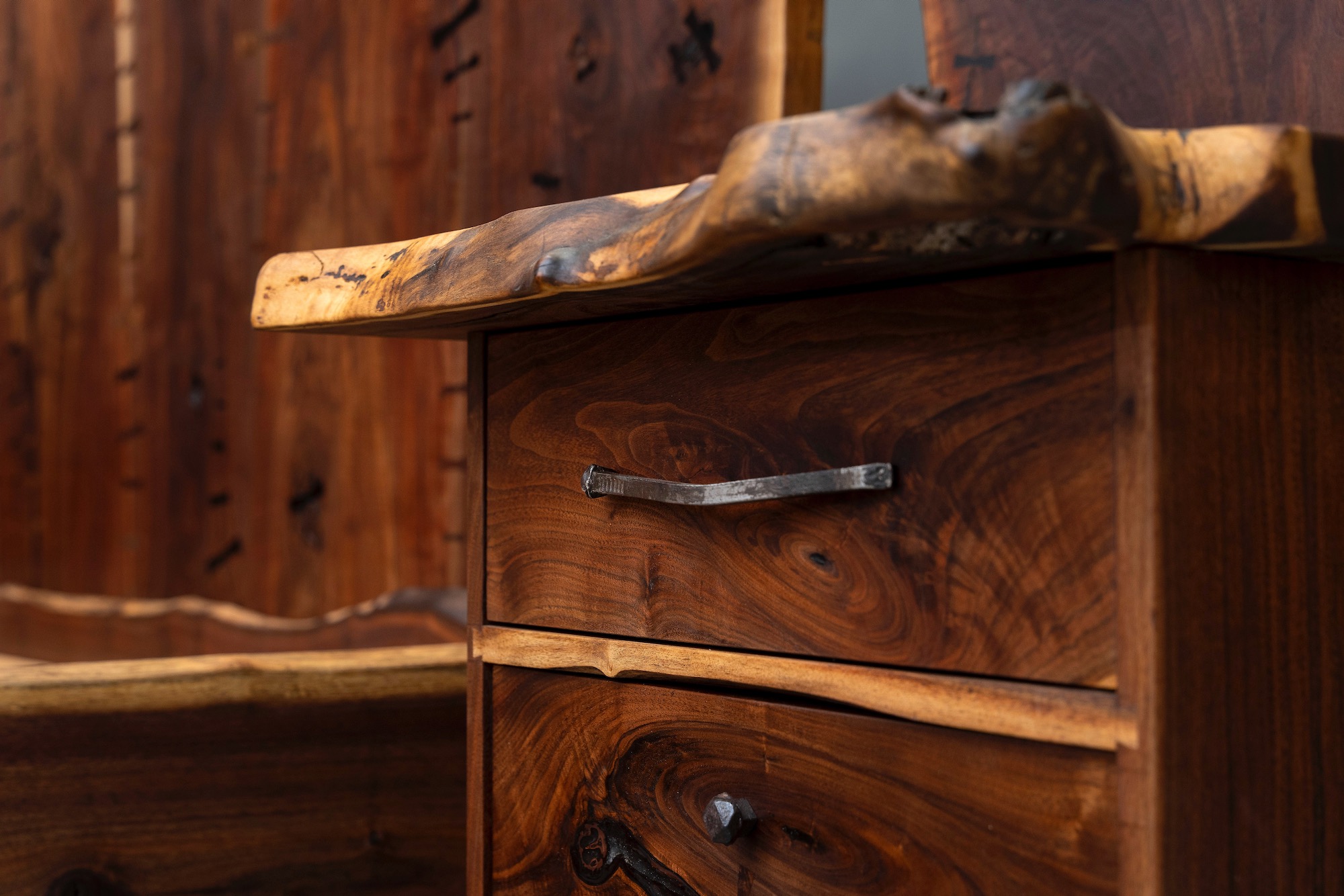
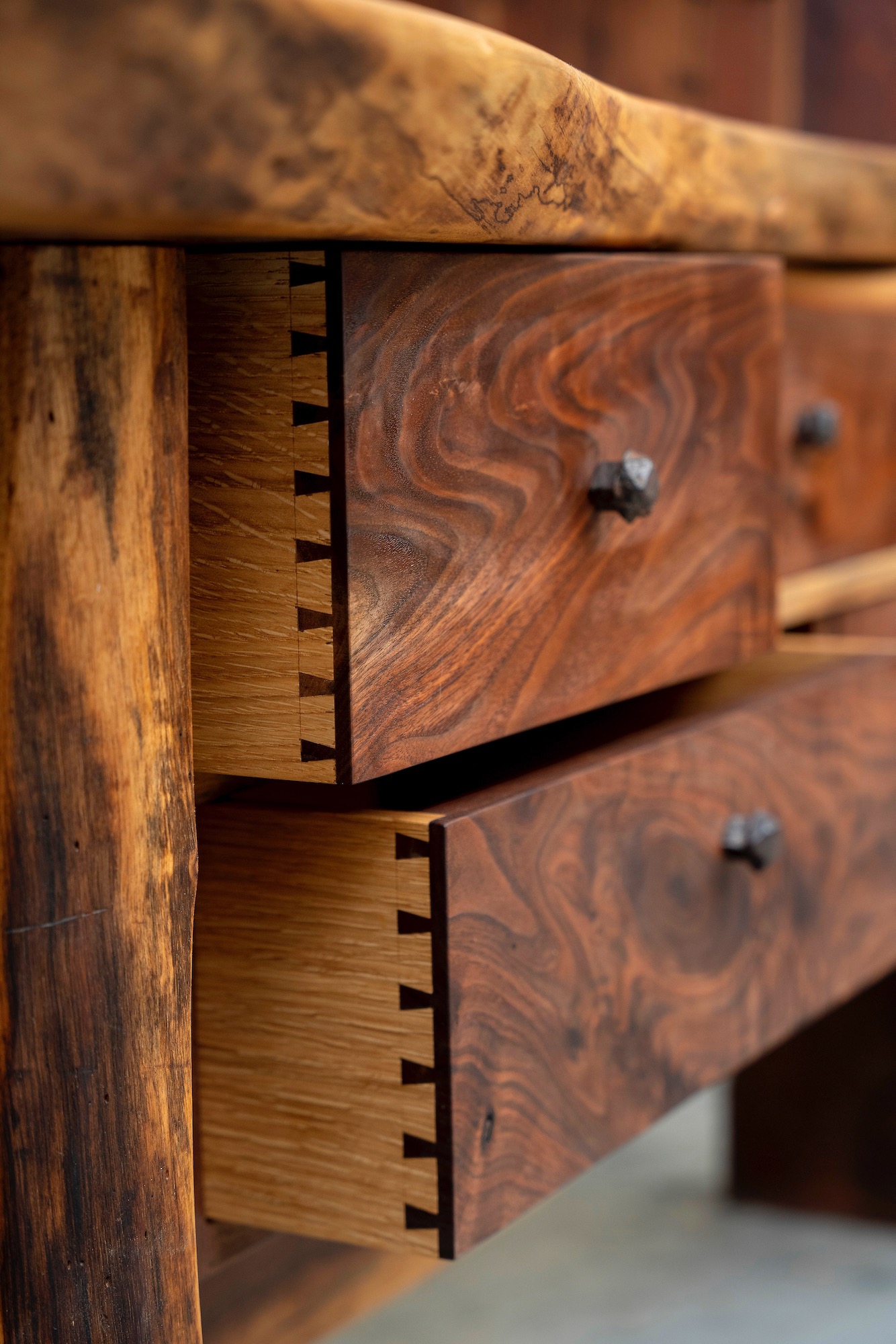
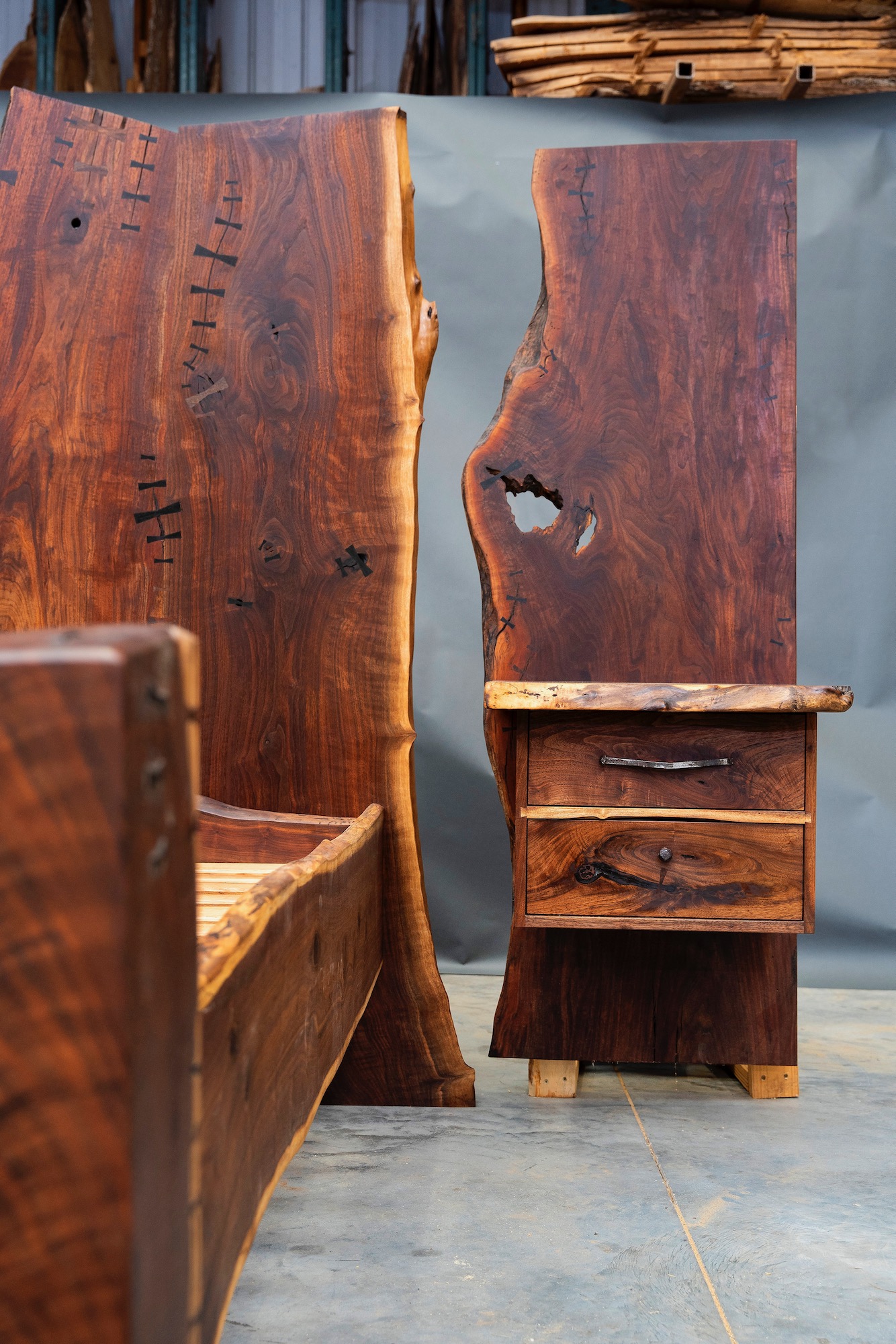
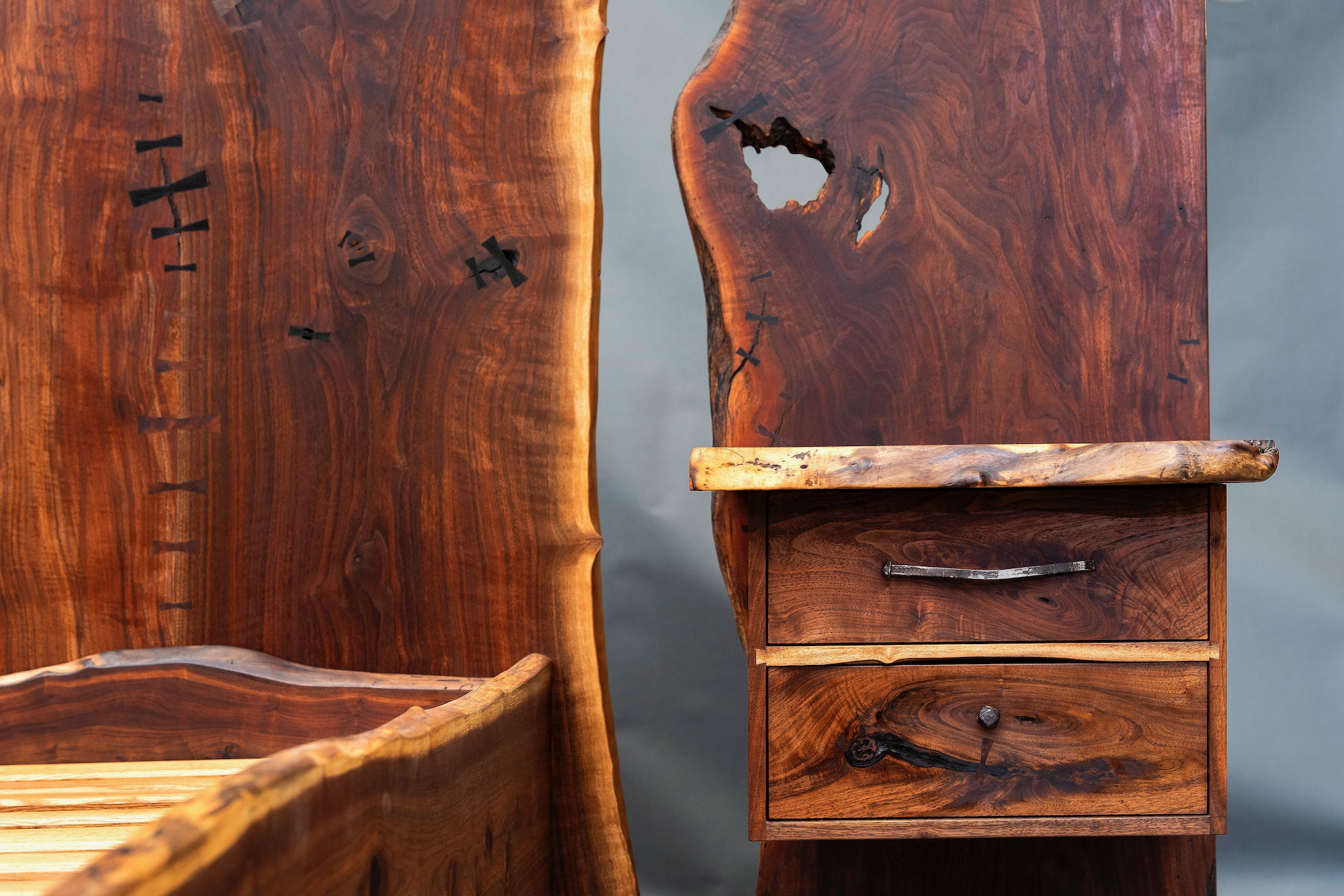
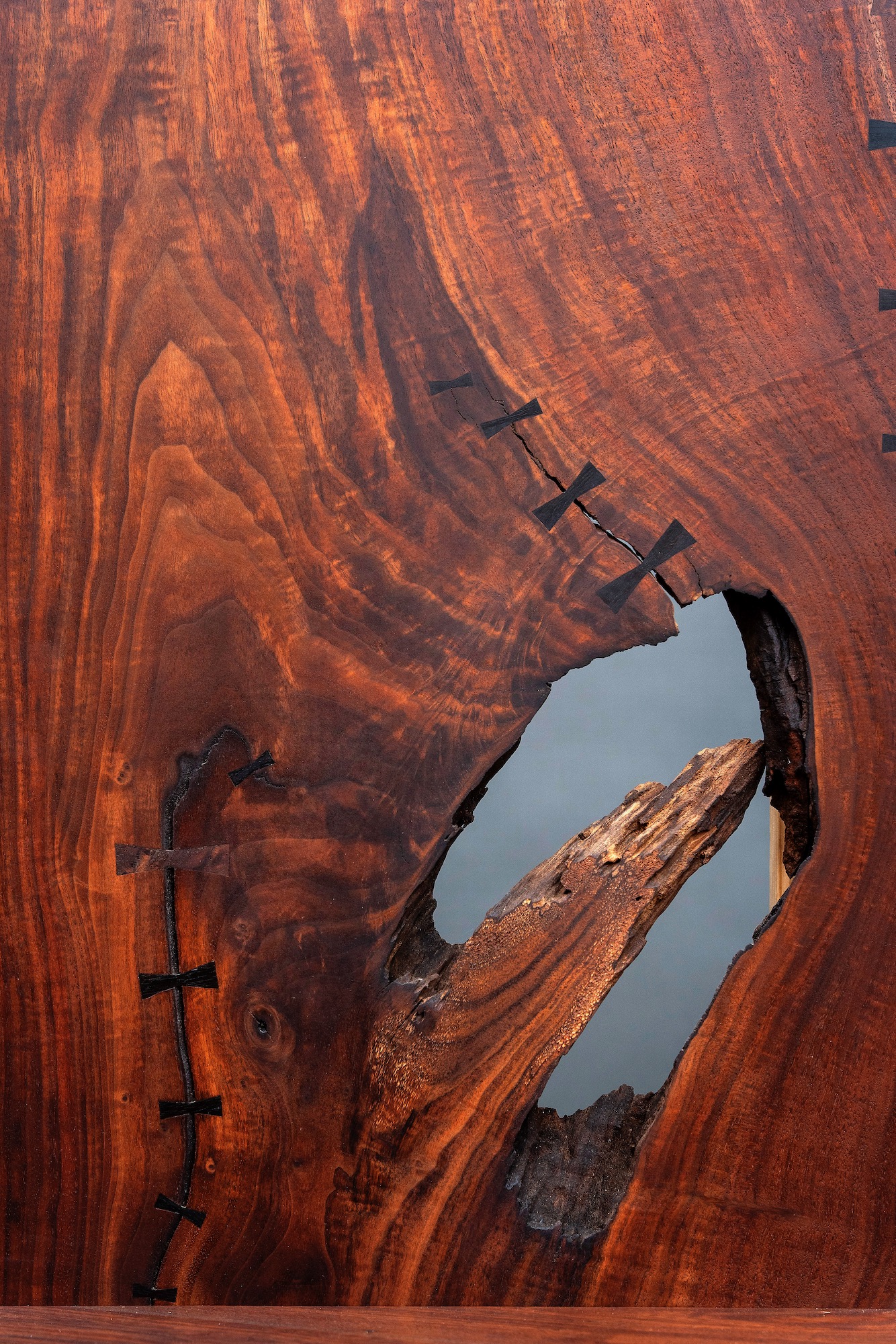
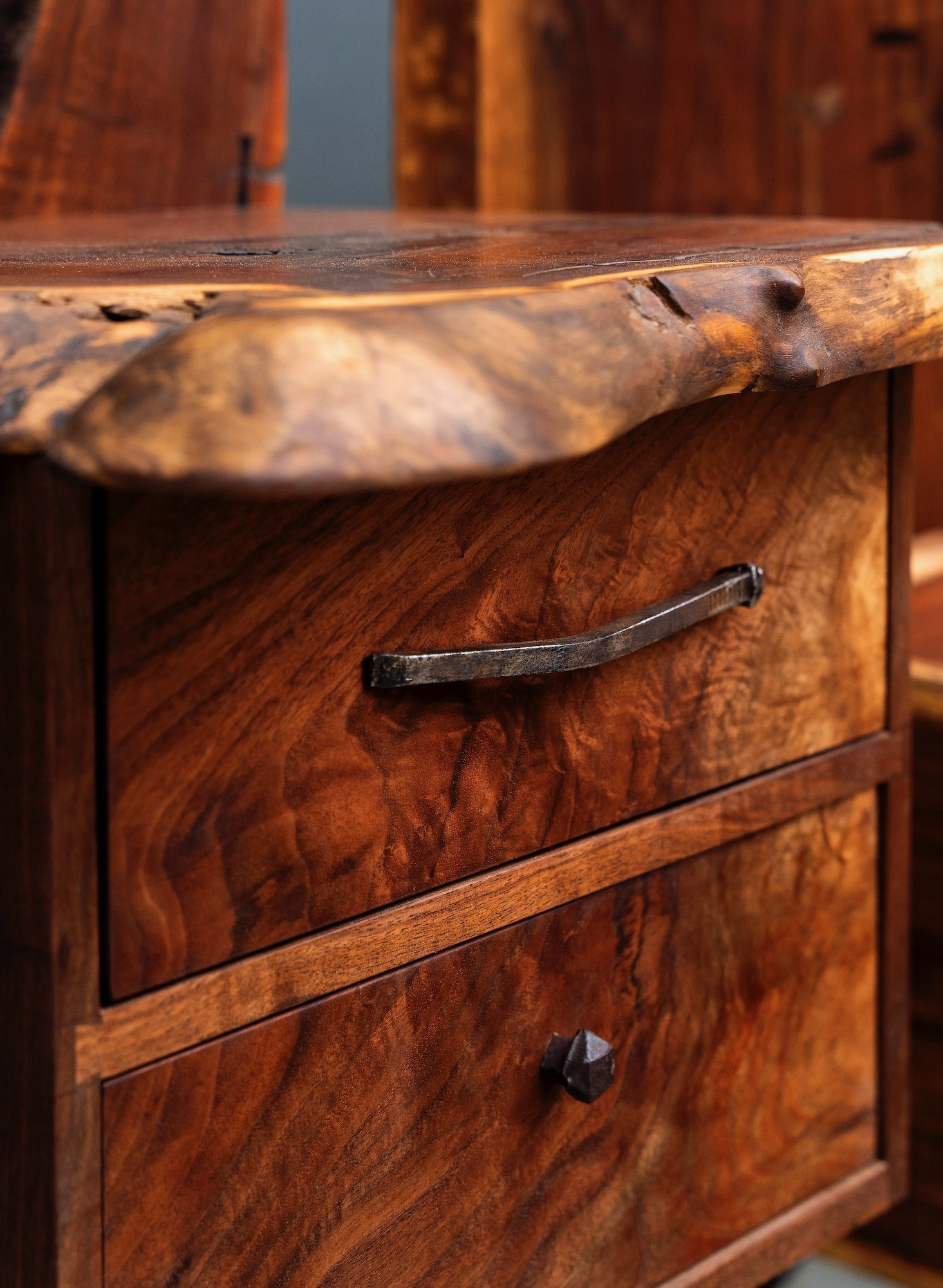
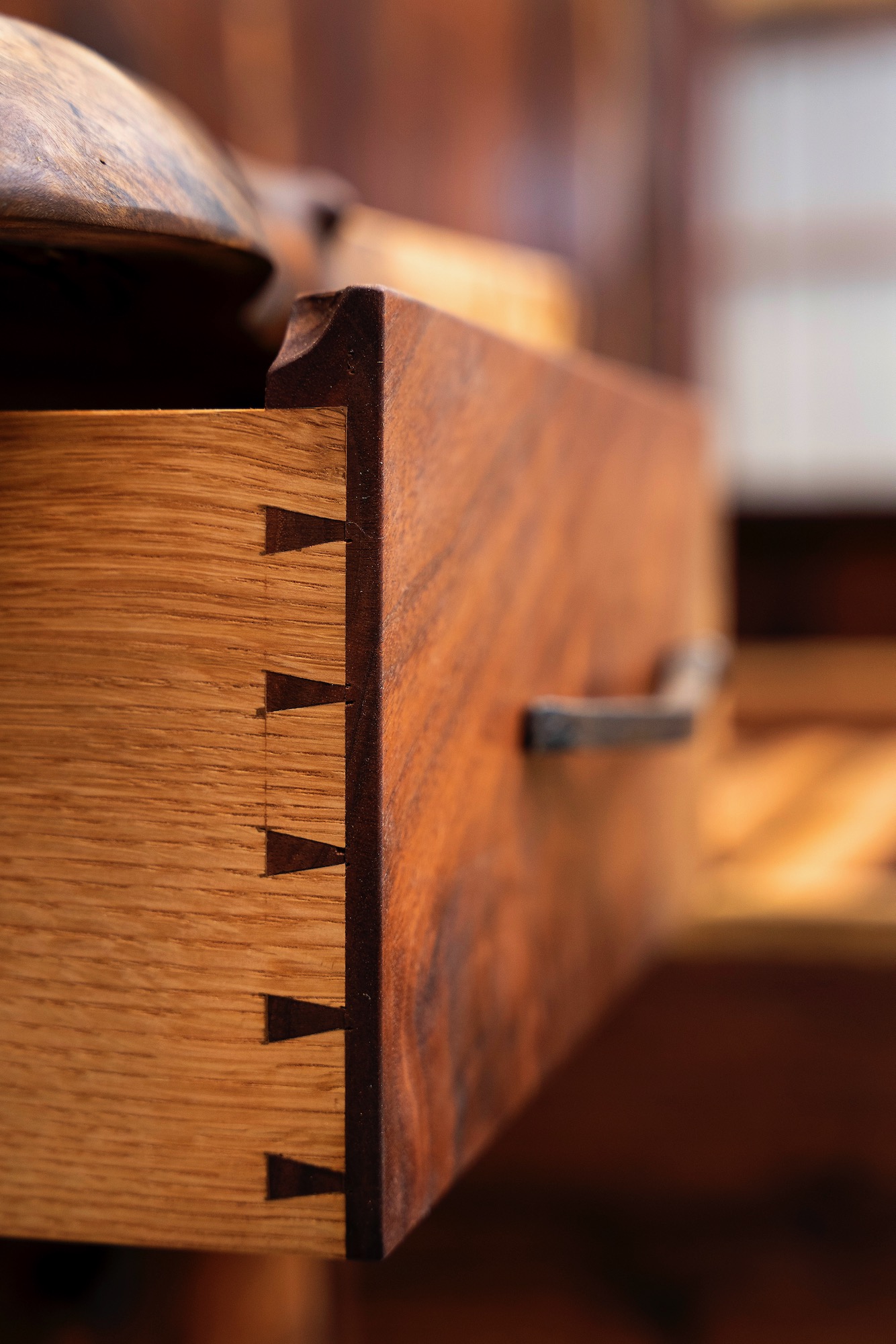
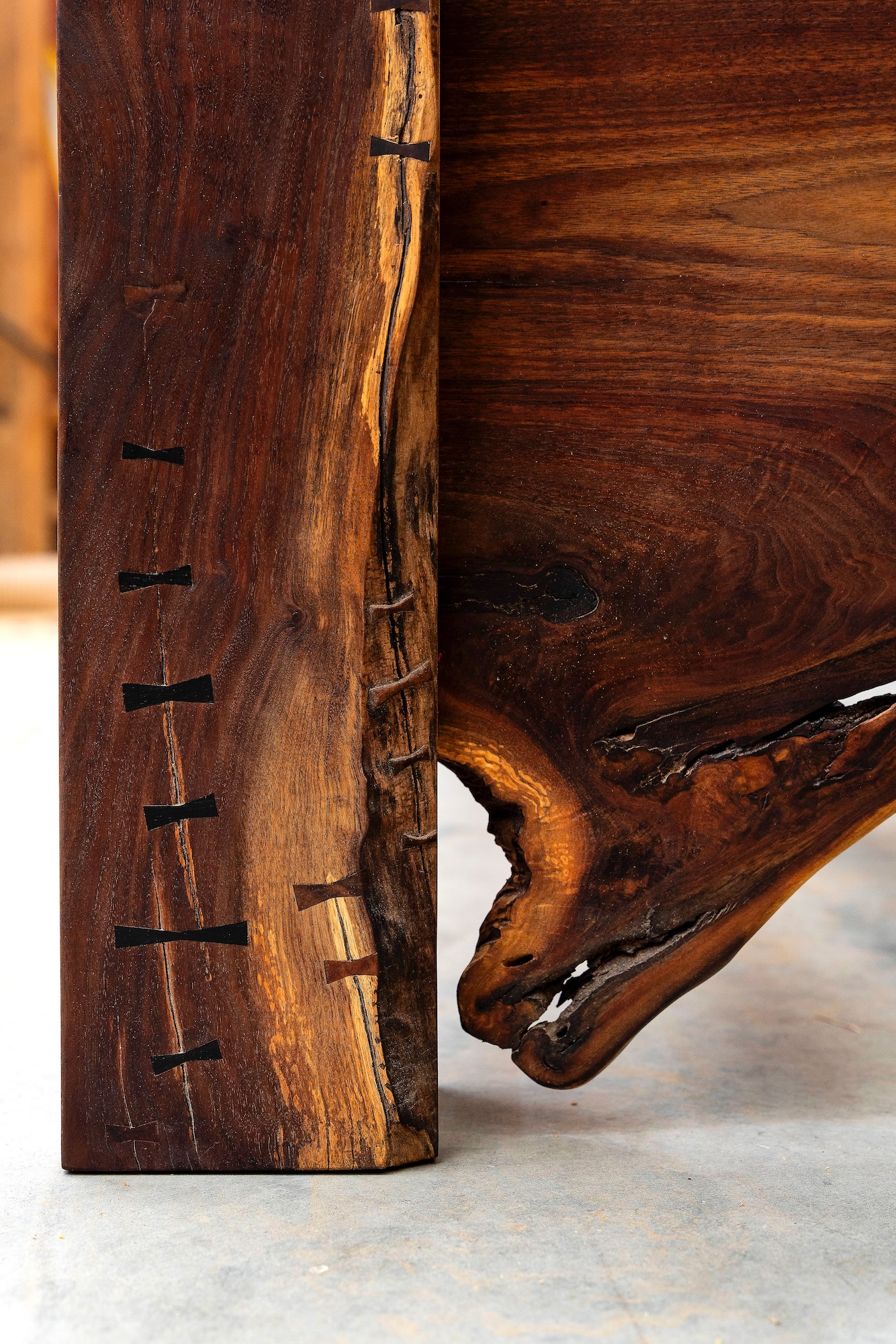
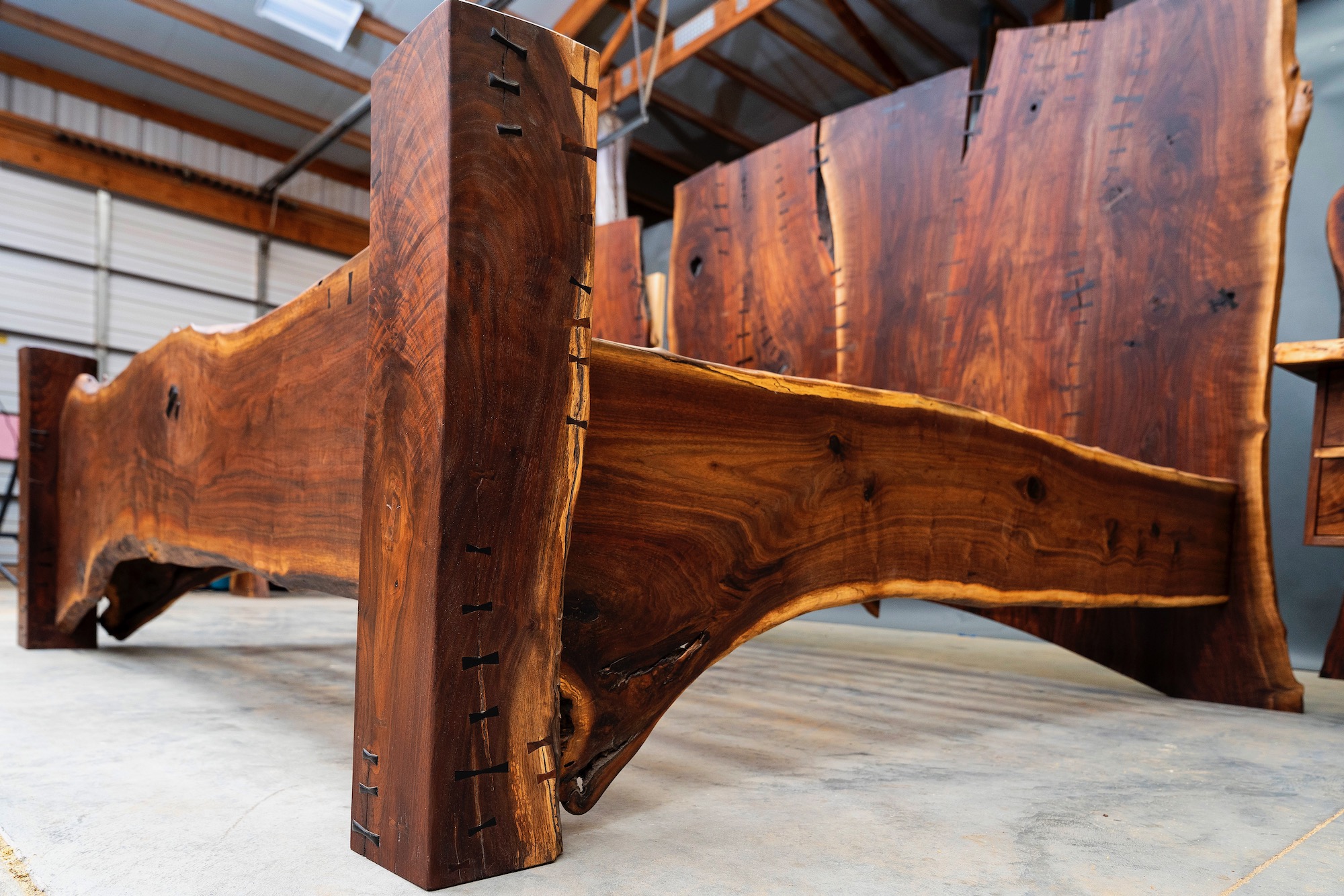
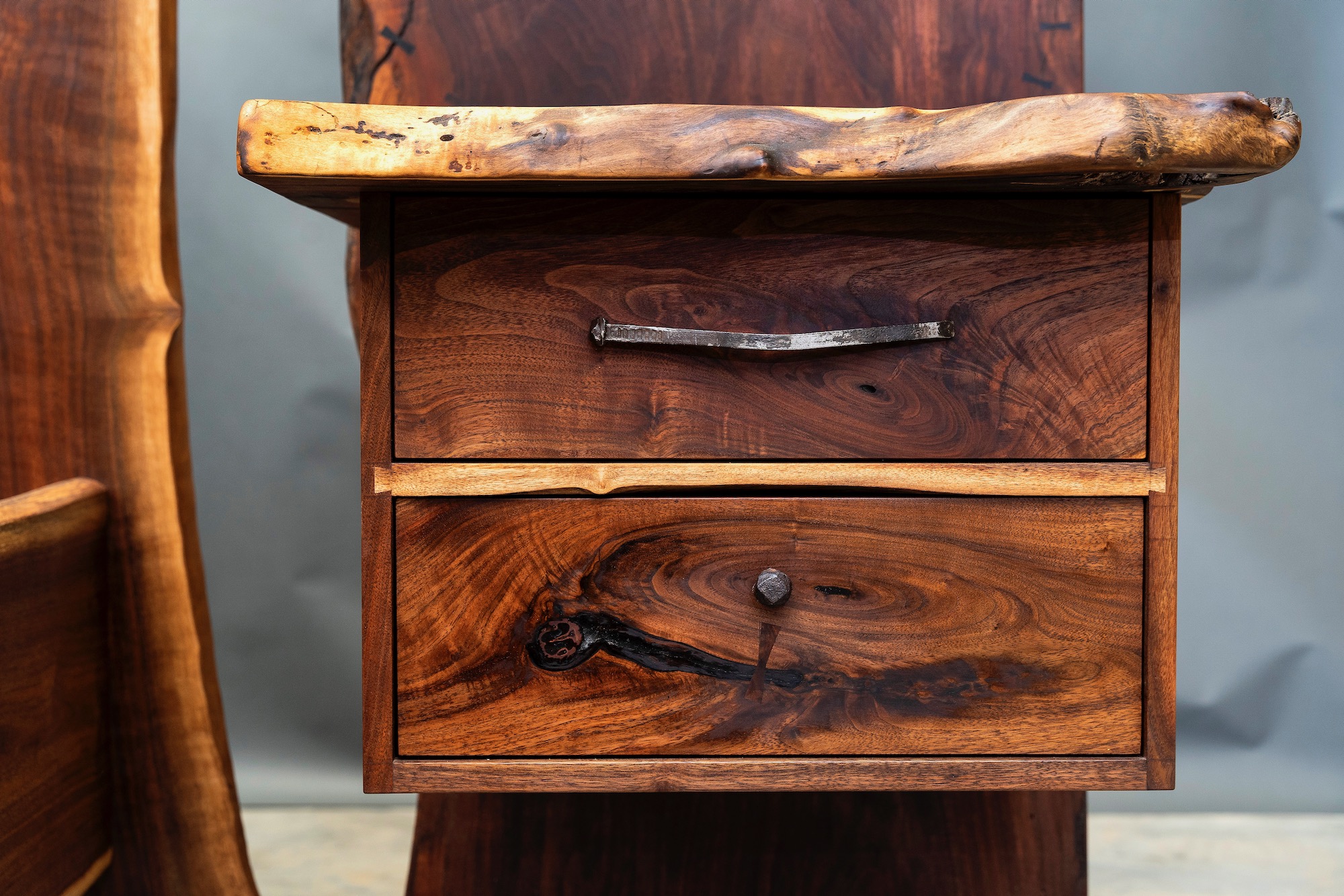
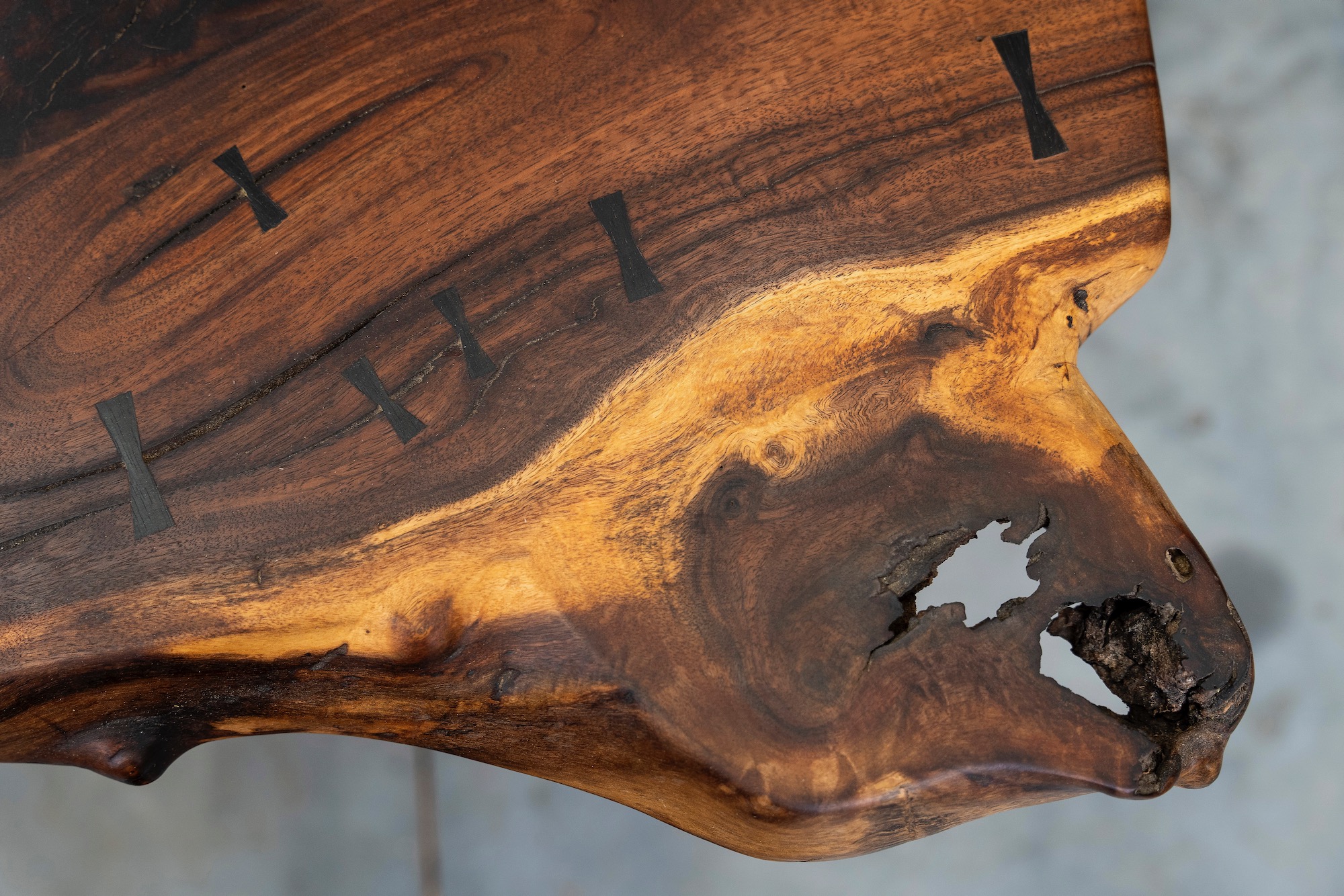
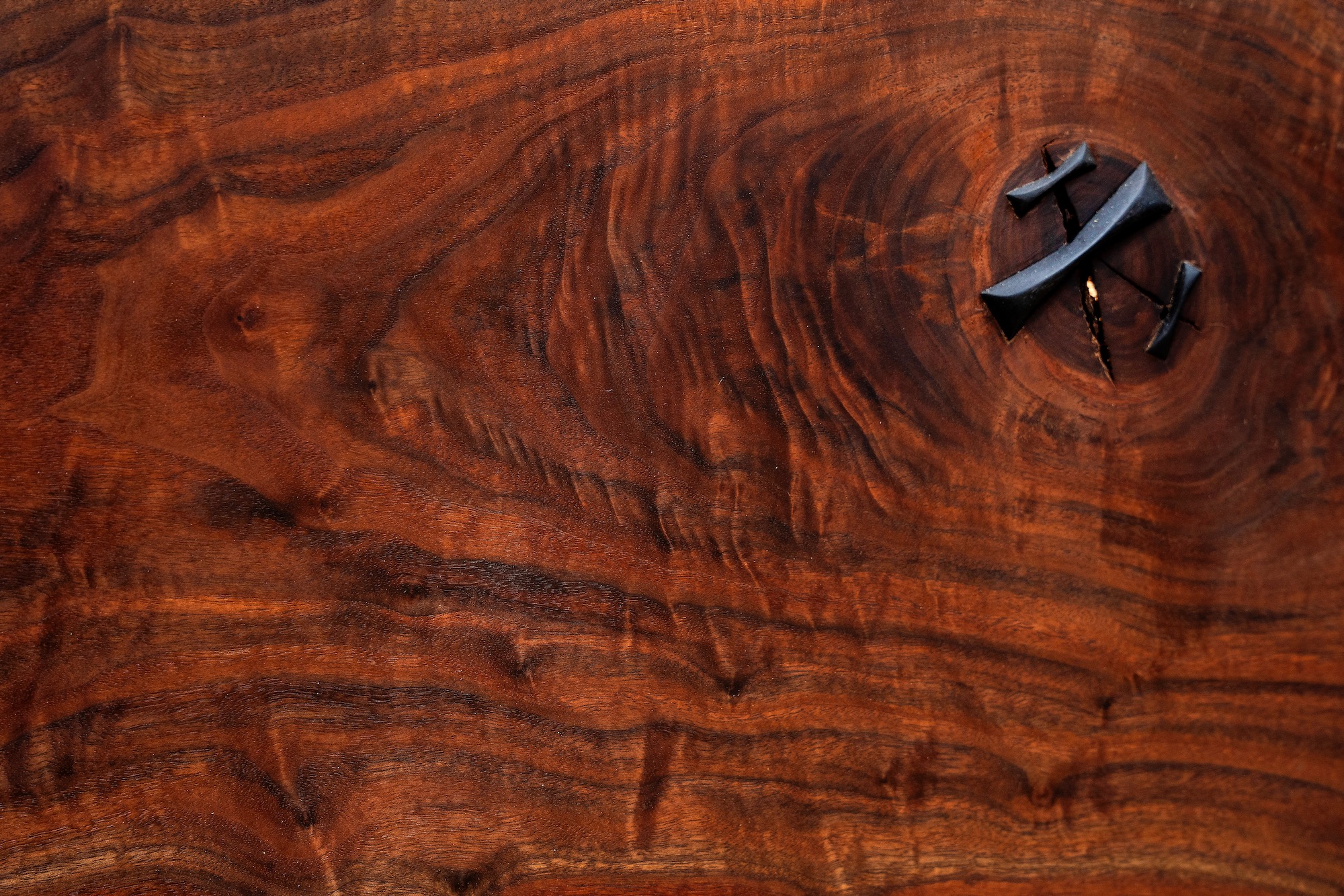
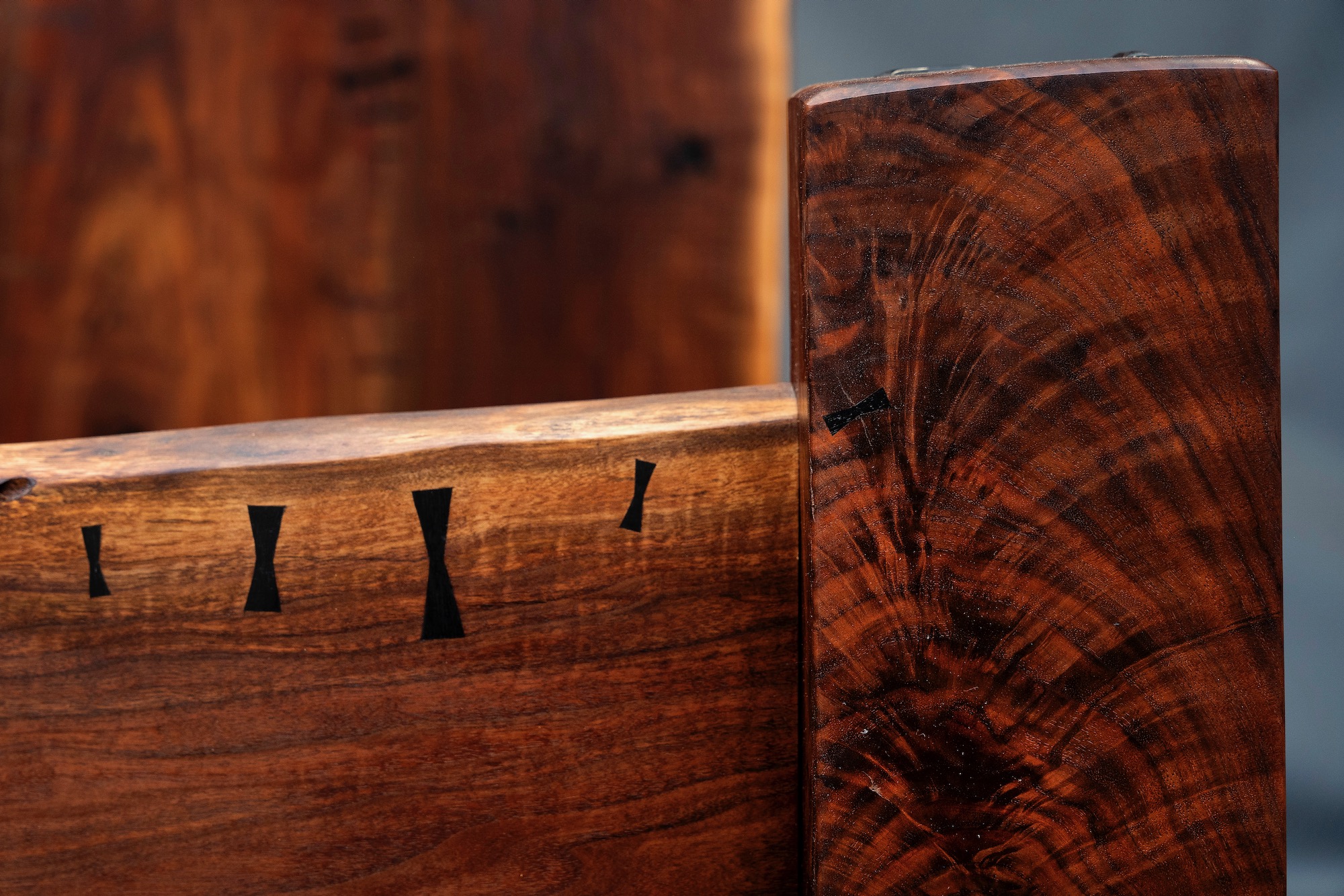
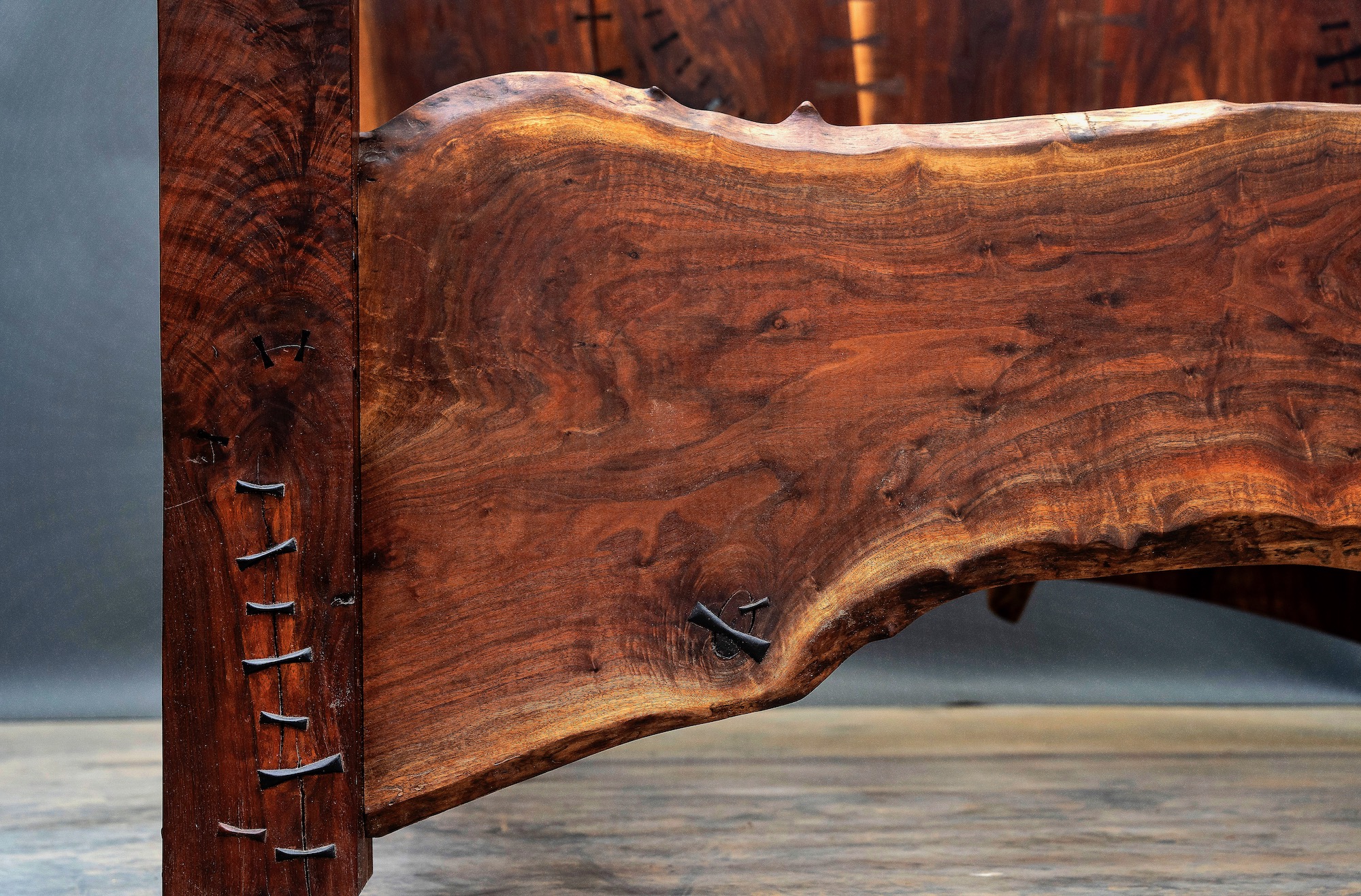
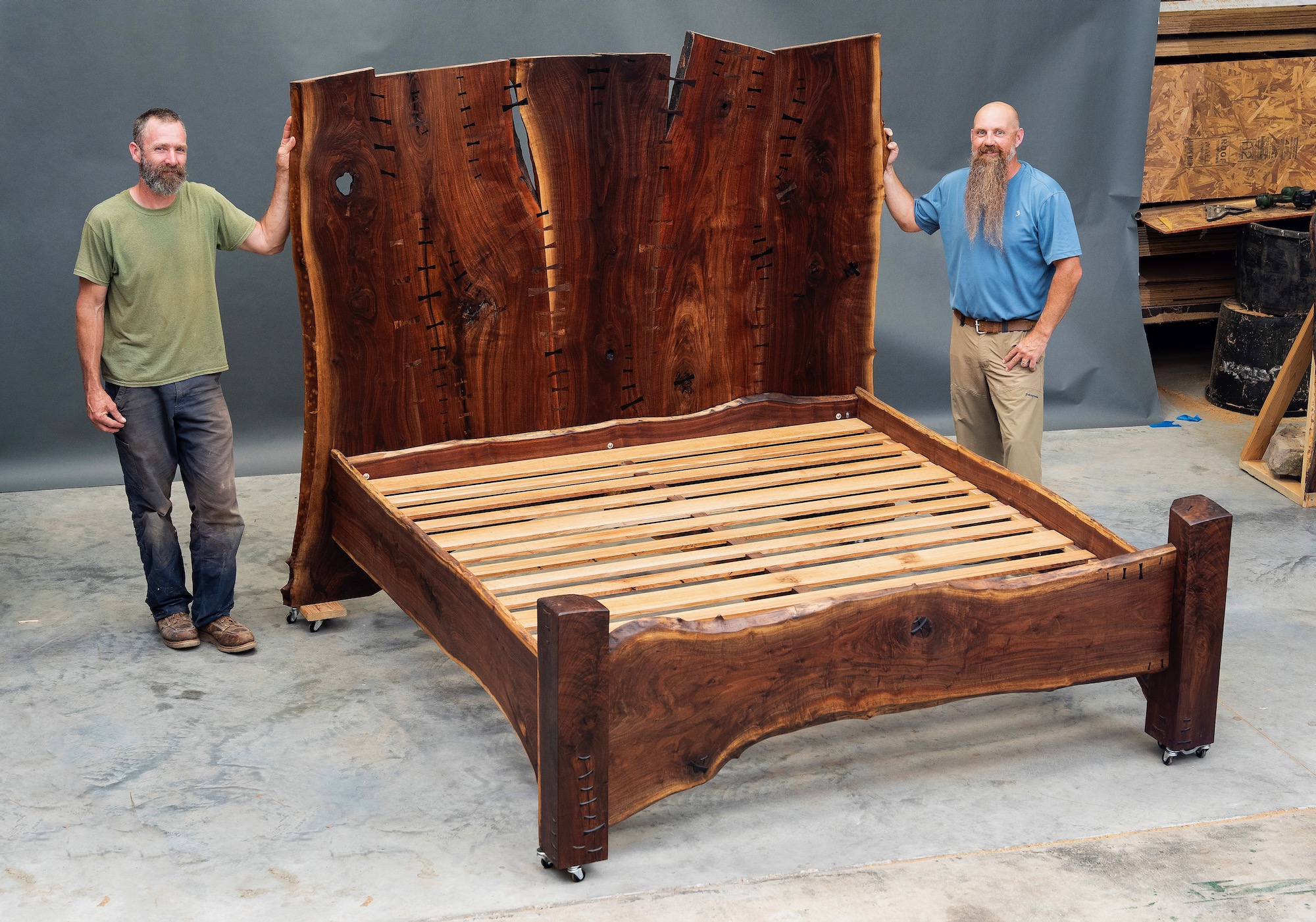
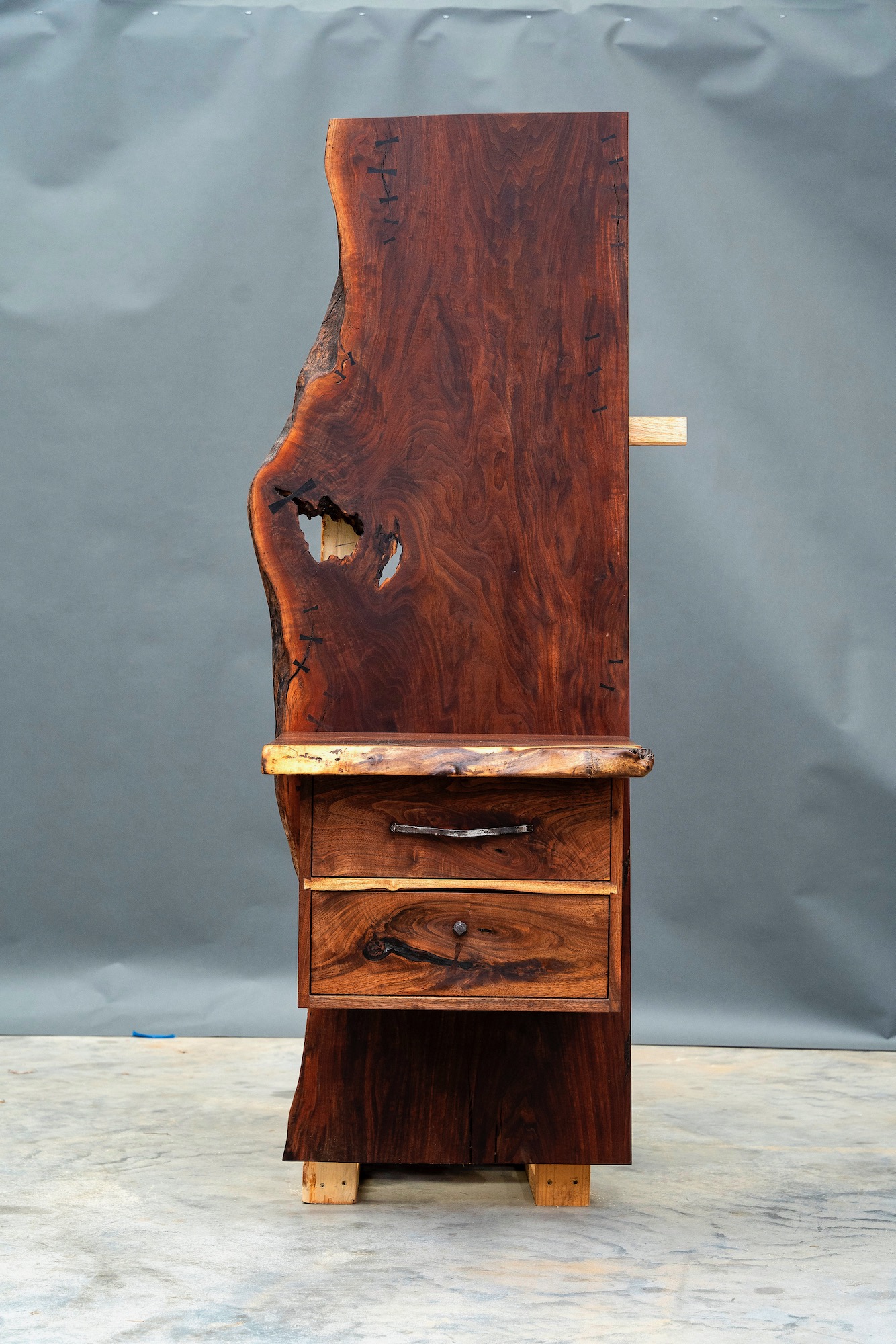
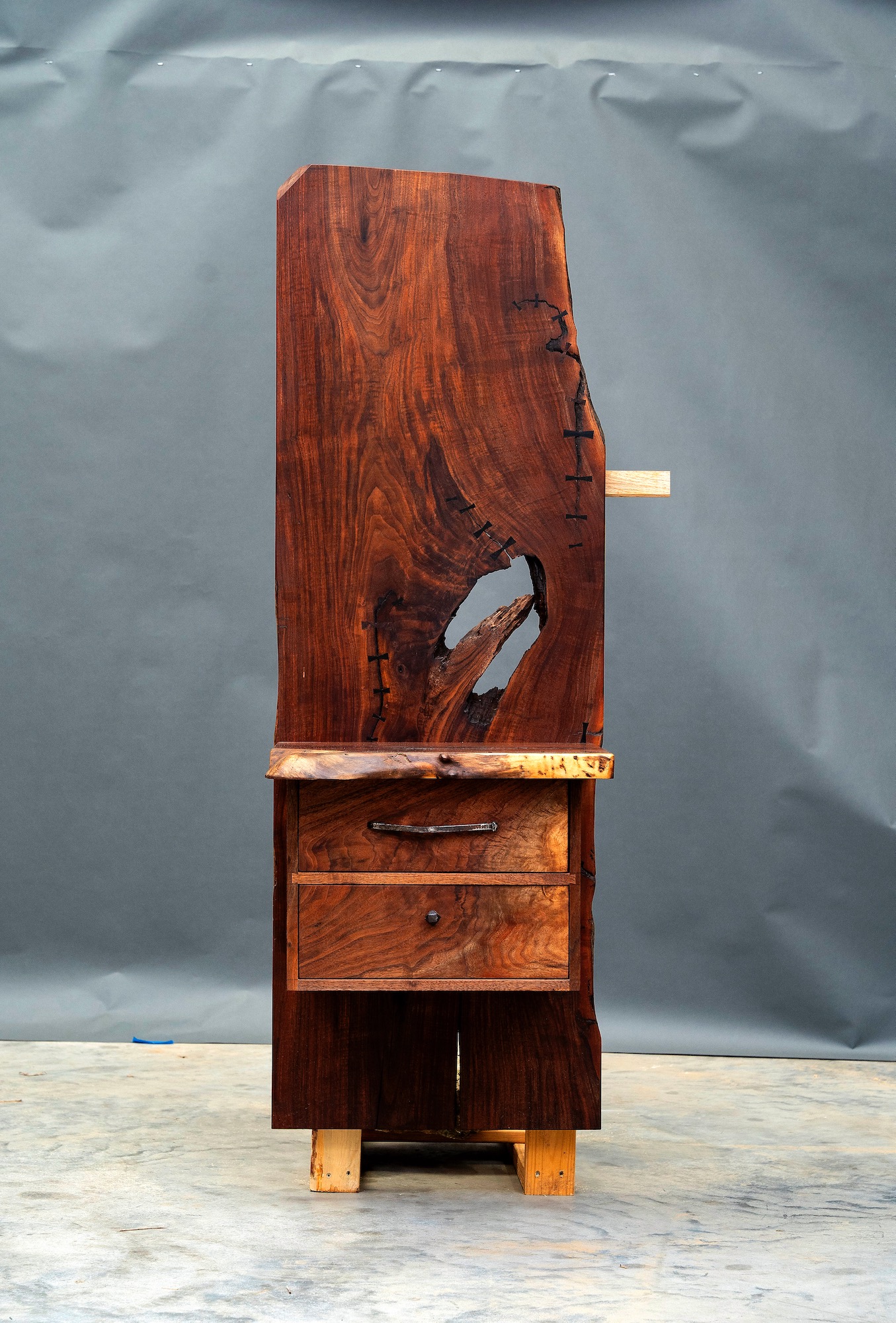
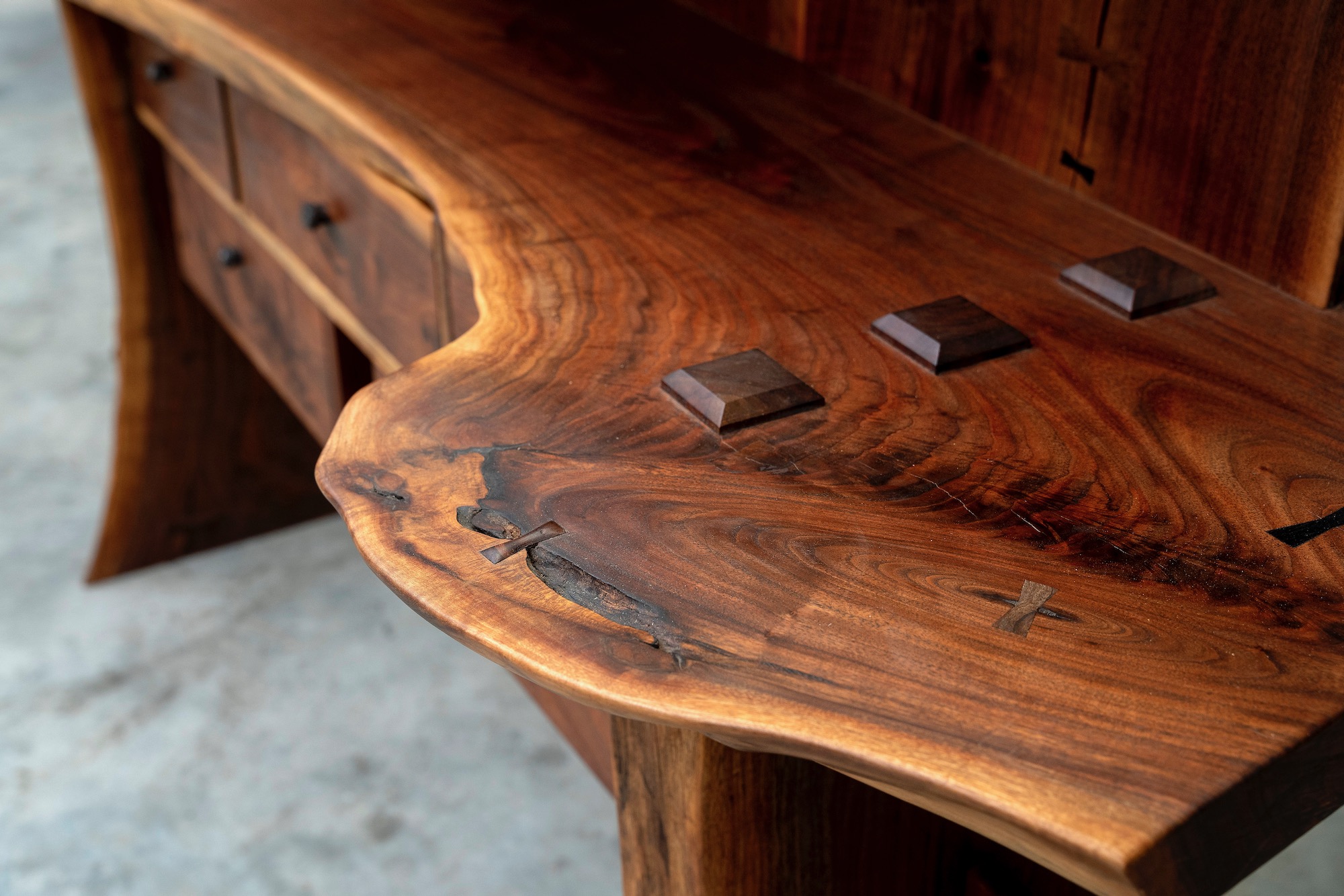
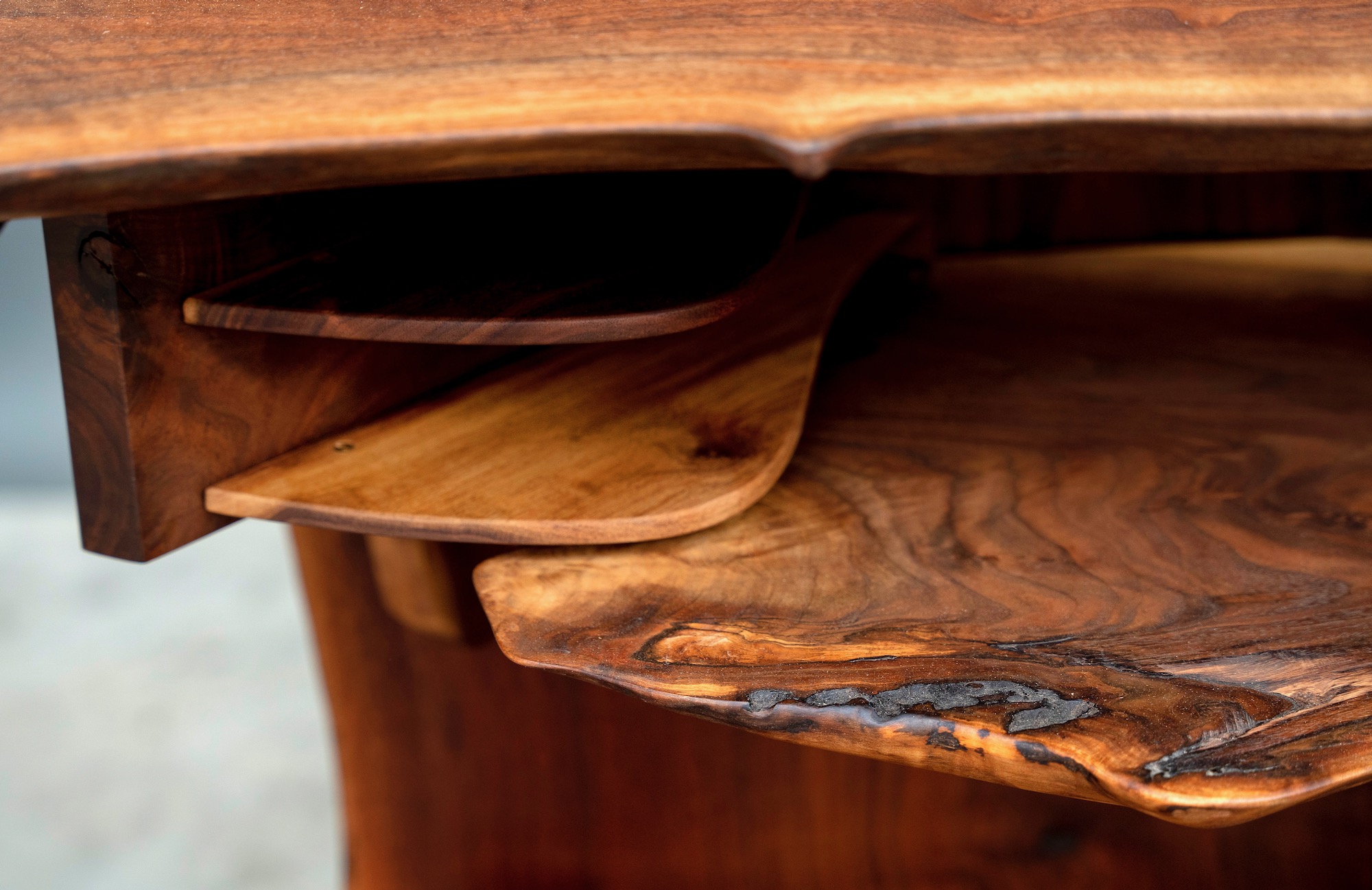
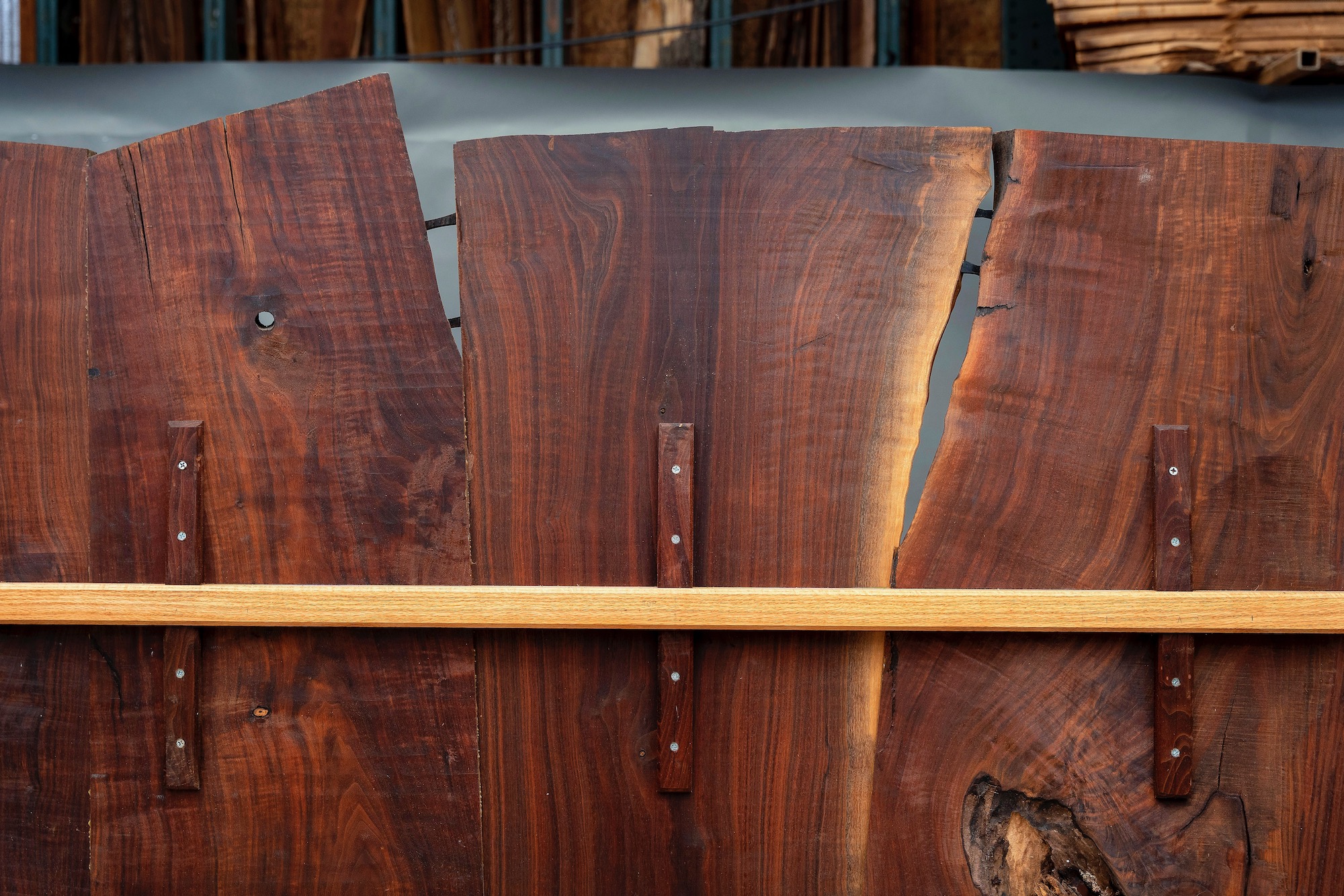
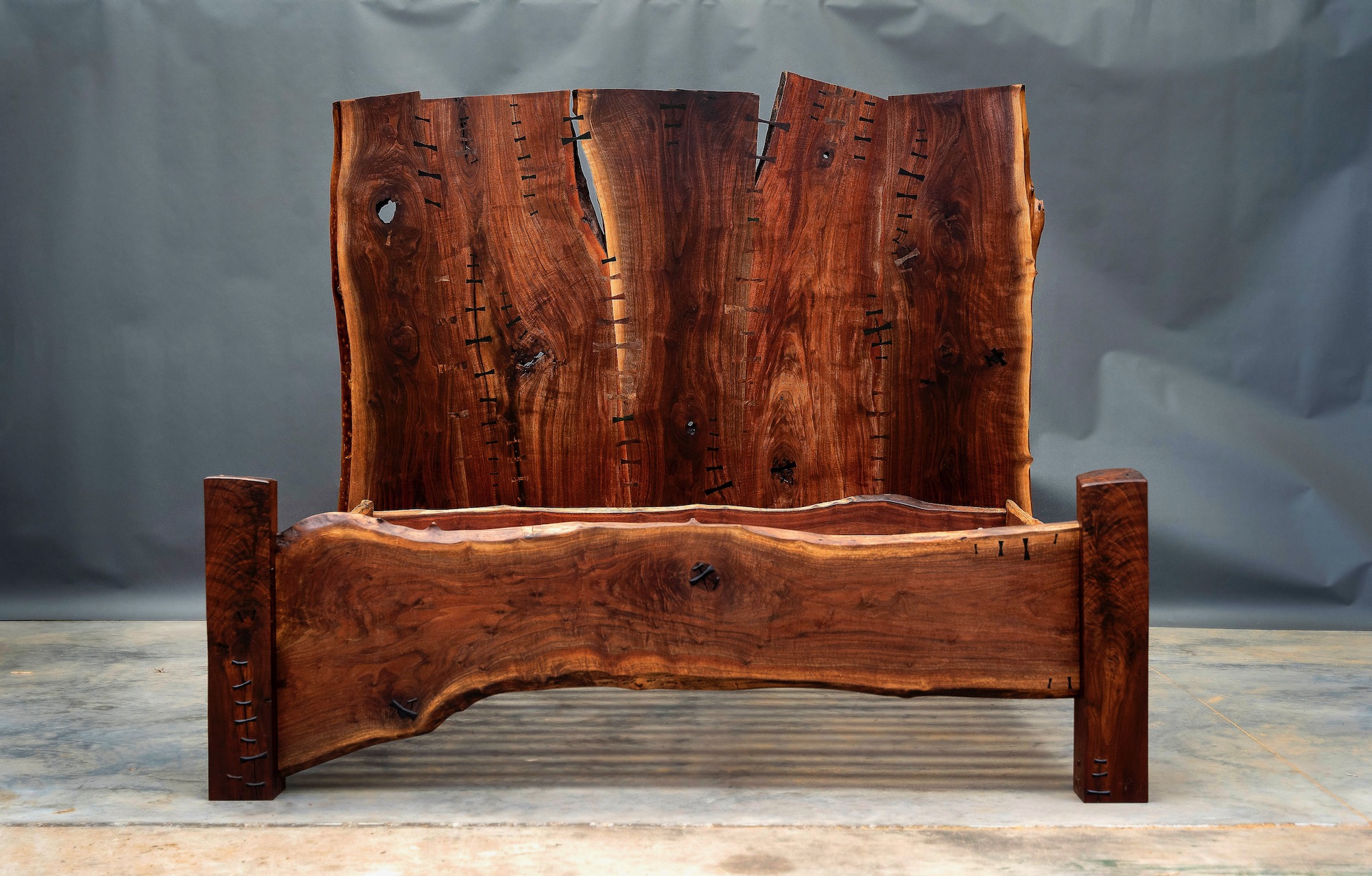
I would like to share these images of a black walnut bedroom, including a king-sized bed, side tables and a dresser, designed and built with my best friend Cody Rolph. We started this project in 2017 and finished it in 2020.

The design and joinery of the pieces in this group hopefully don’t arbitrarily feature pretty slabs of wood, but intend to capture or rather release the light and cadence of the old trees we collaborated with to build humble furniture. We try to see our human efforts humbly in the light of the wrought out witness which the trees spent their lives fashioning.
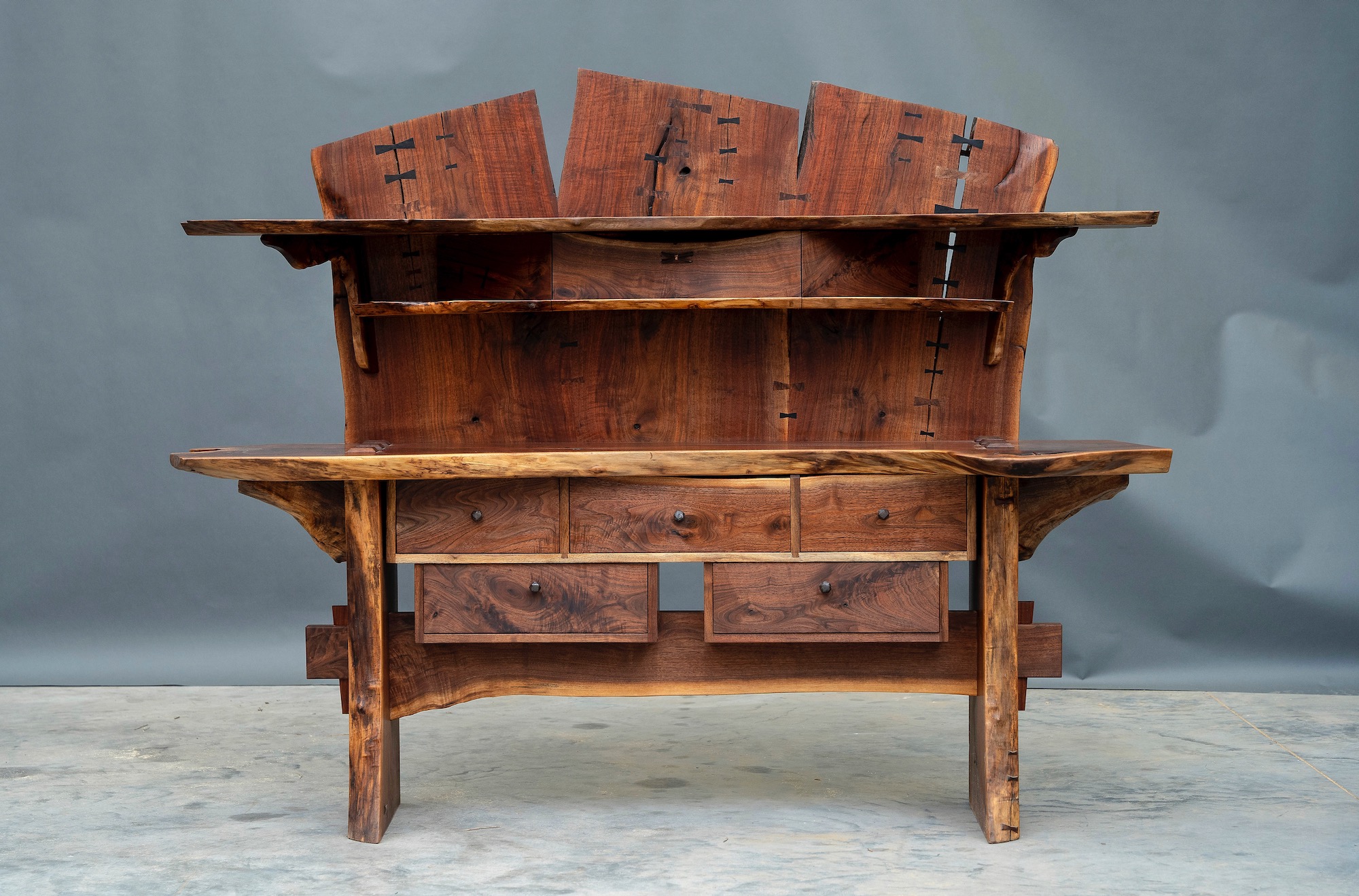
One of the trees we used for this came from the Walnut River valley near Augusta, Kansas, where it was uprooted and set for a number of years suspended by its roots and crowns. My personal experience suggests this process of drying “in the log”lends a quality to the color- different to other air drying methods. Another walnut tree we used came from Cody’s land in a draw on the county line between Greenwood and Elk counties. A third came from a farm near Winfield, KS- on the banks of the Arkansas River- where we scavenged the rejected leavings of a logging operation. All of these trees have peculiar and noble stories and voices, as expressions of a land and of its mineral and even spiritual atmosphere.
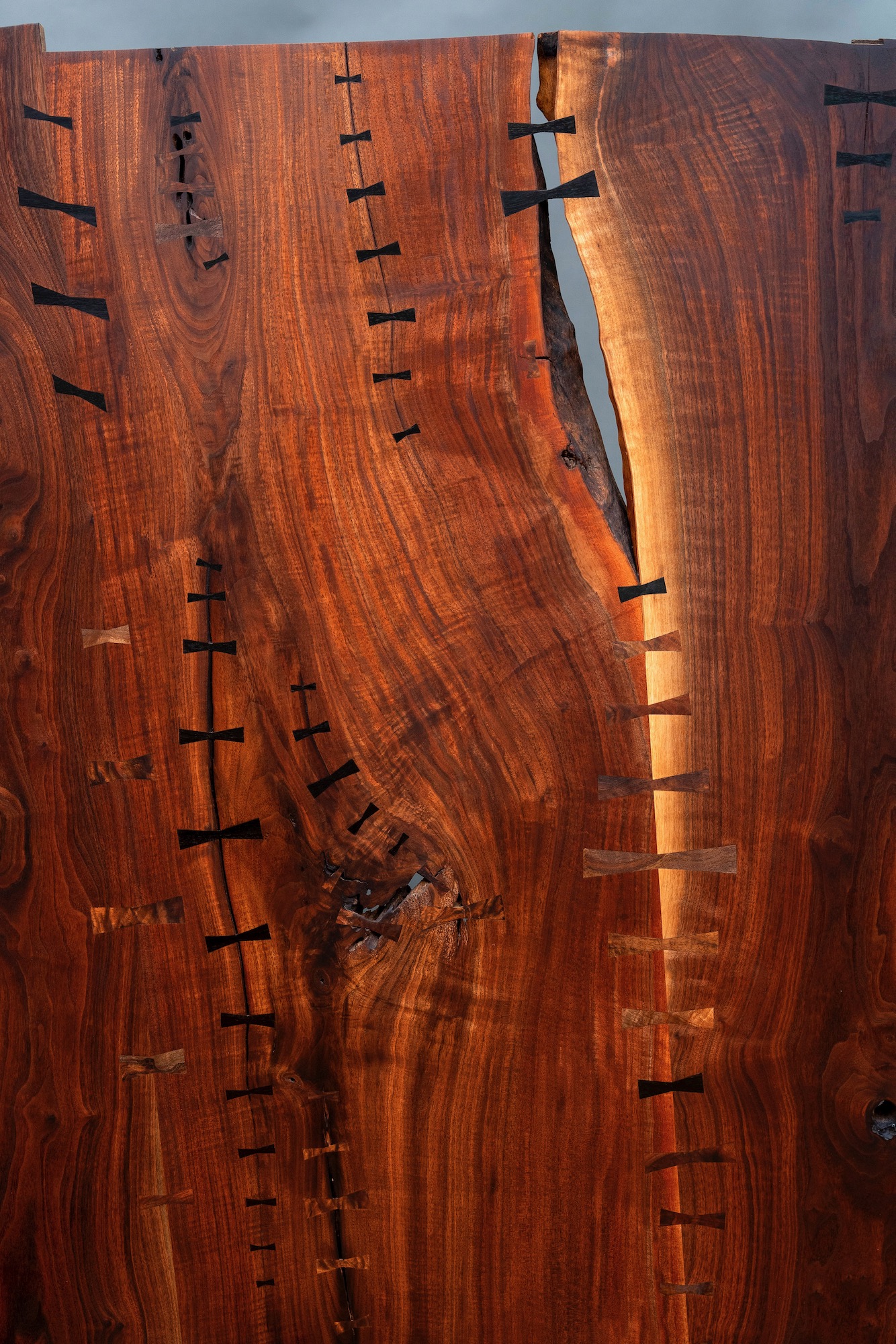
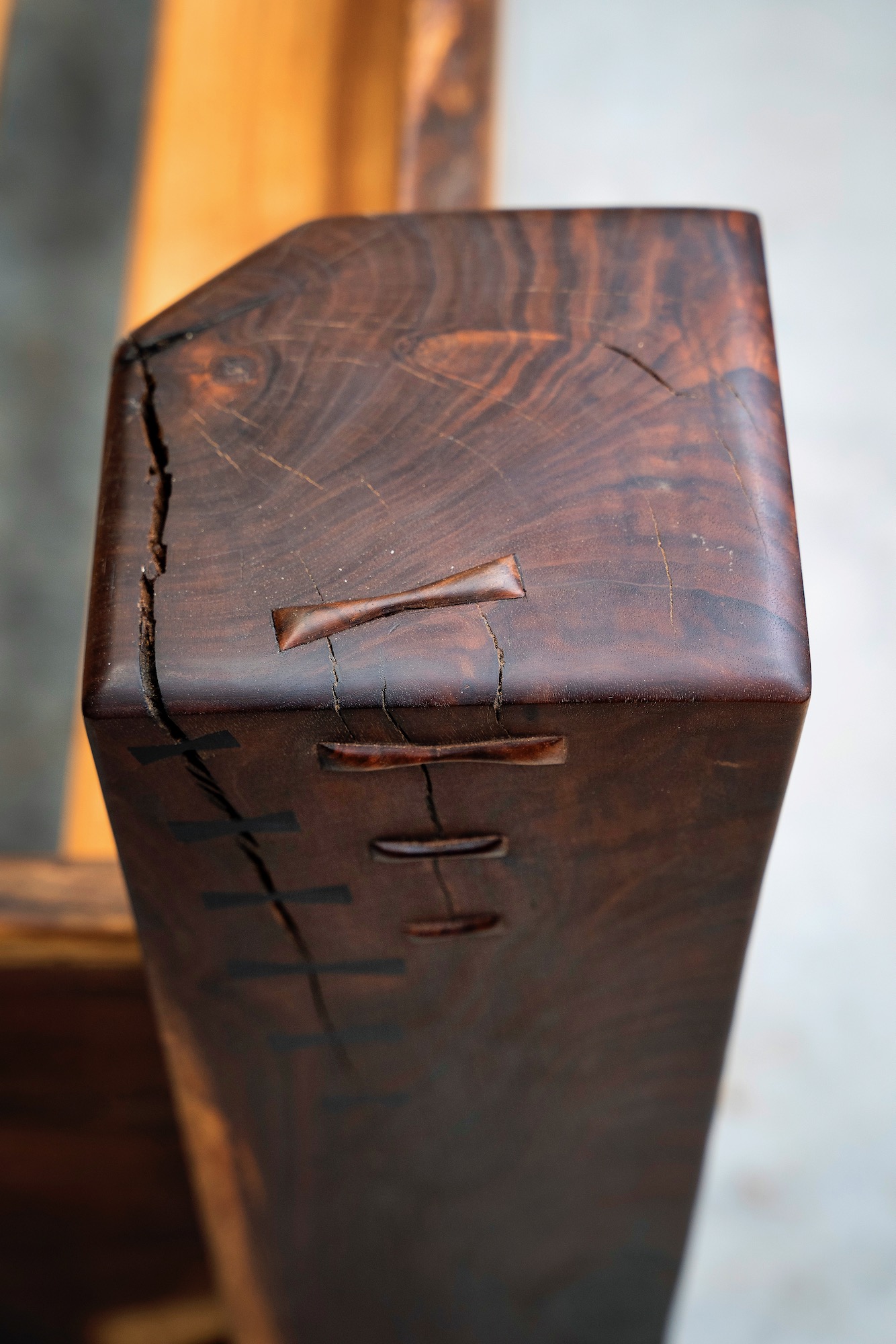
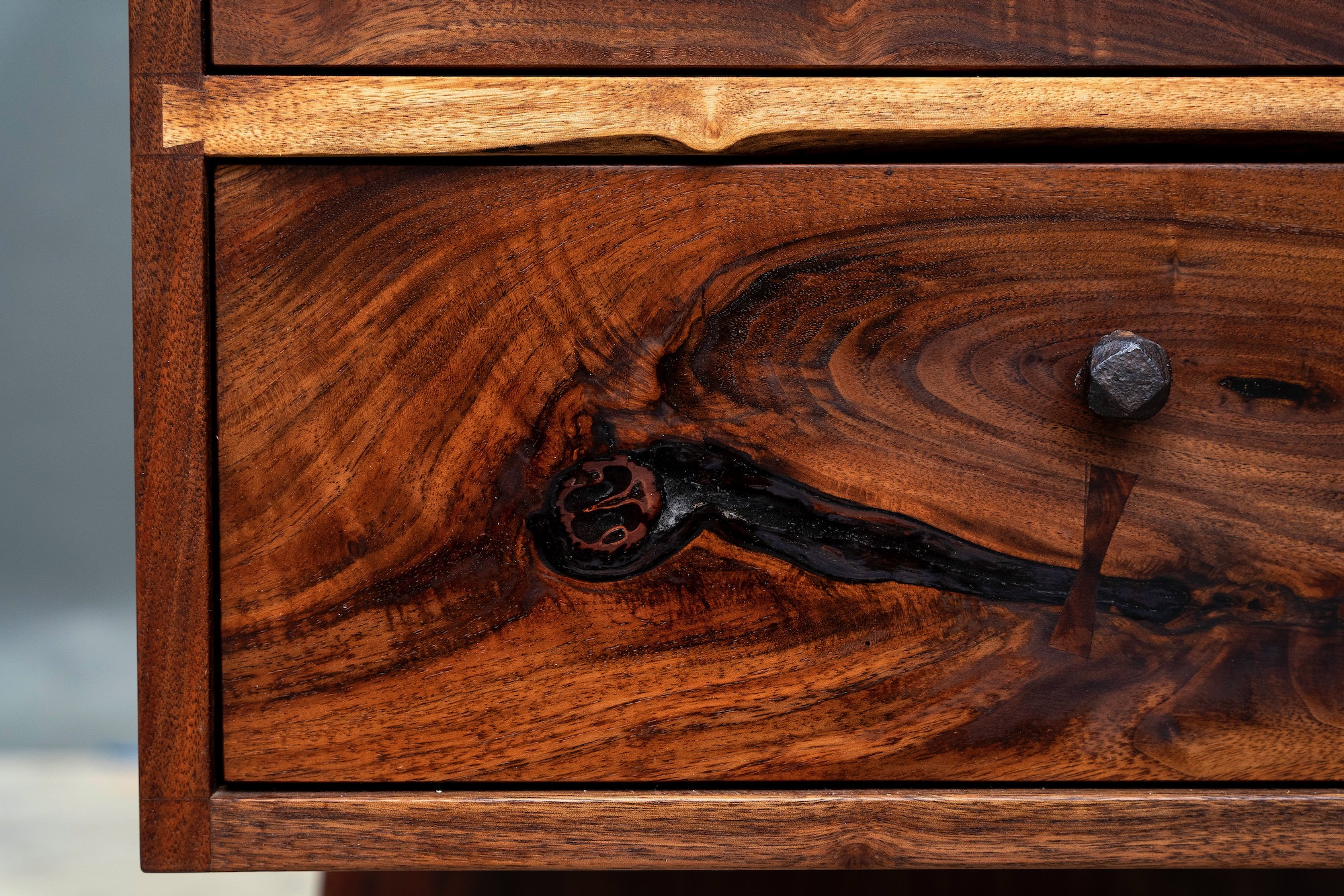
There are over 500 ebony and walnut butterfly joints throughout the pieces. Many of these serve a structural function, in knitting together knots and fractures throughout the slabs. We made the decision to use them aesthetically and rhythmically as well, in an attempt to interact with the movement and tension present in the slabs and their juxtapositions. Every butterfly was individually made and cut in by hand. This isn’t necessarily a testament to skill, but to the frail beauty of hand made lines versus machined perfection. The long labor isn’t to impress, but hopes to be a contemplative act of prayer in process, and to invite and serve that same response in the viewer.
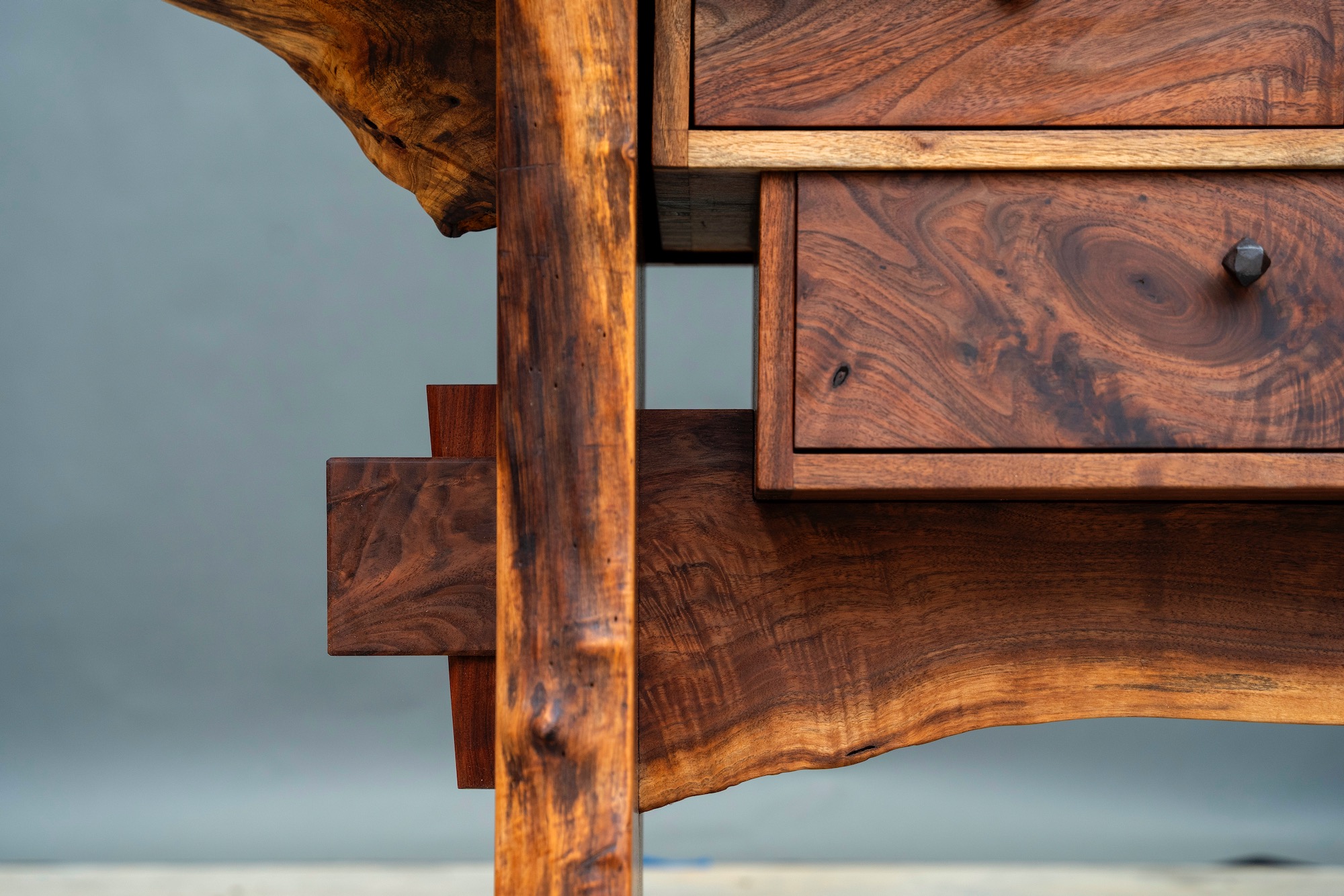
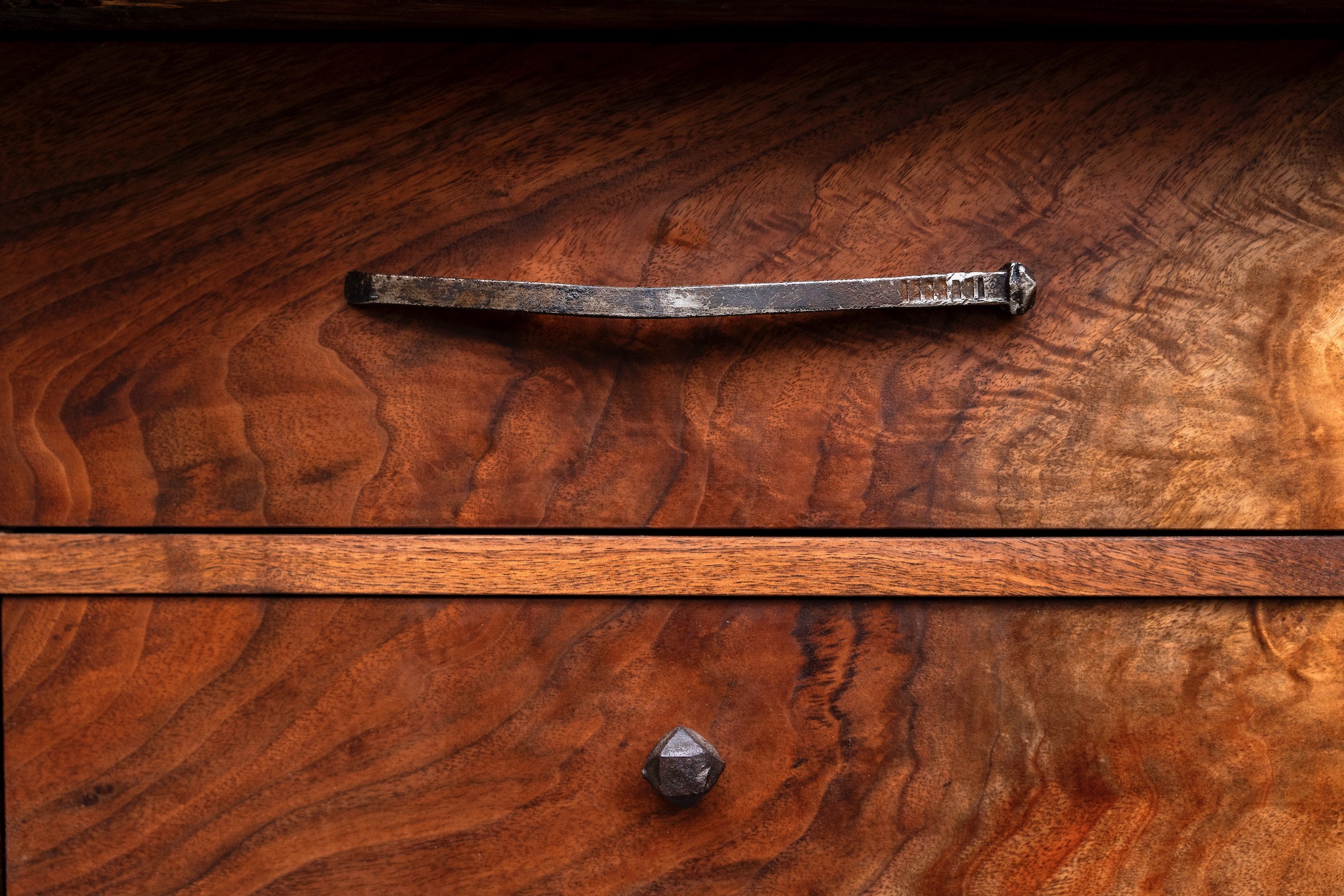
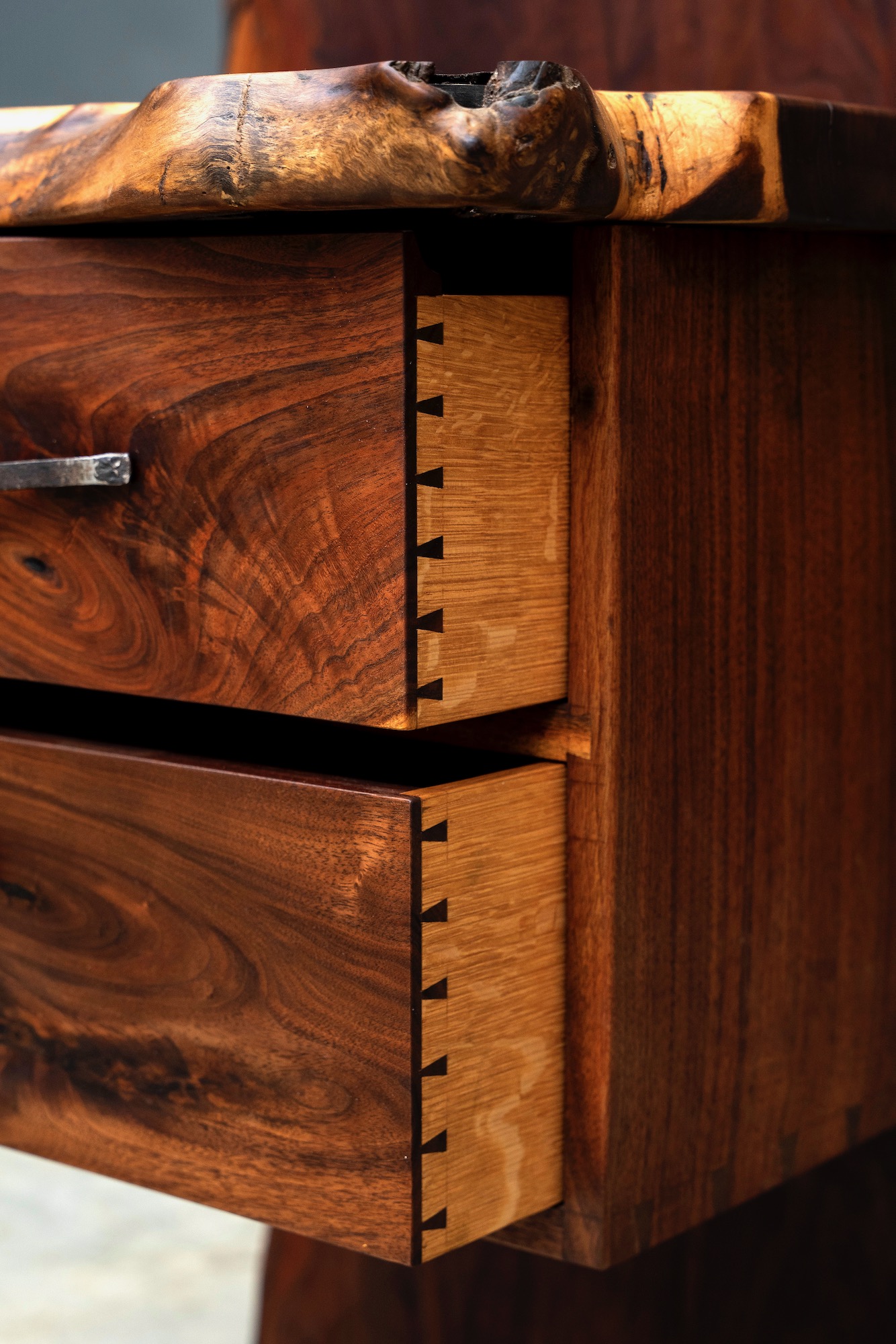
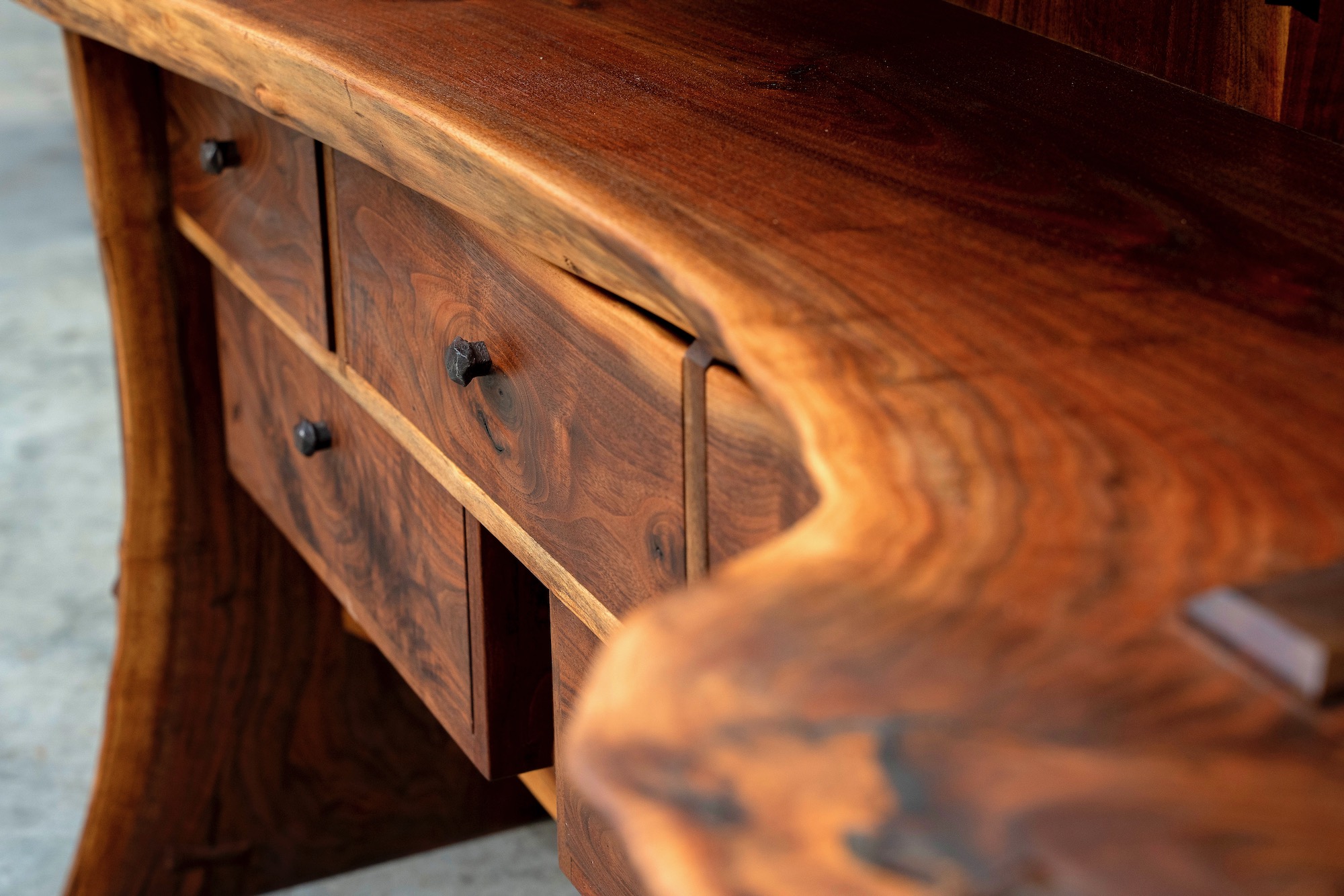
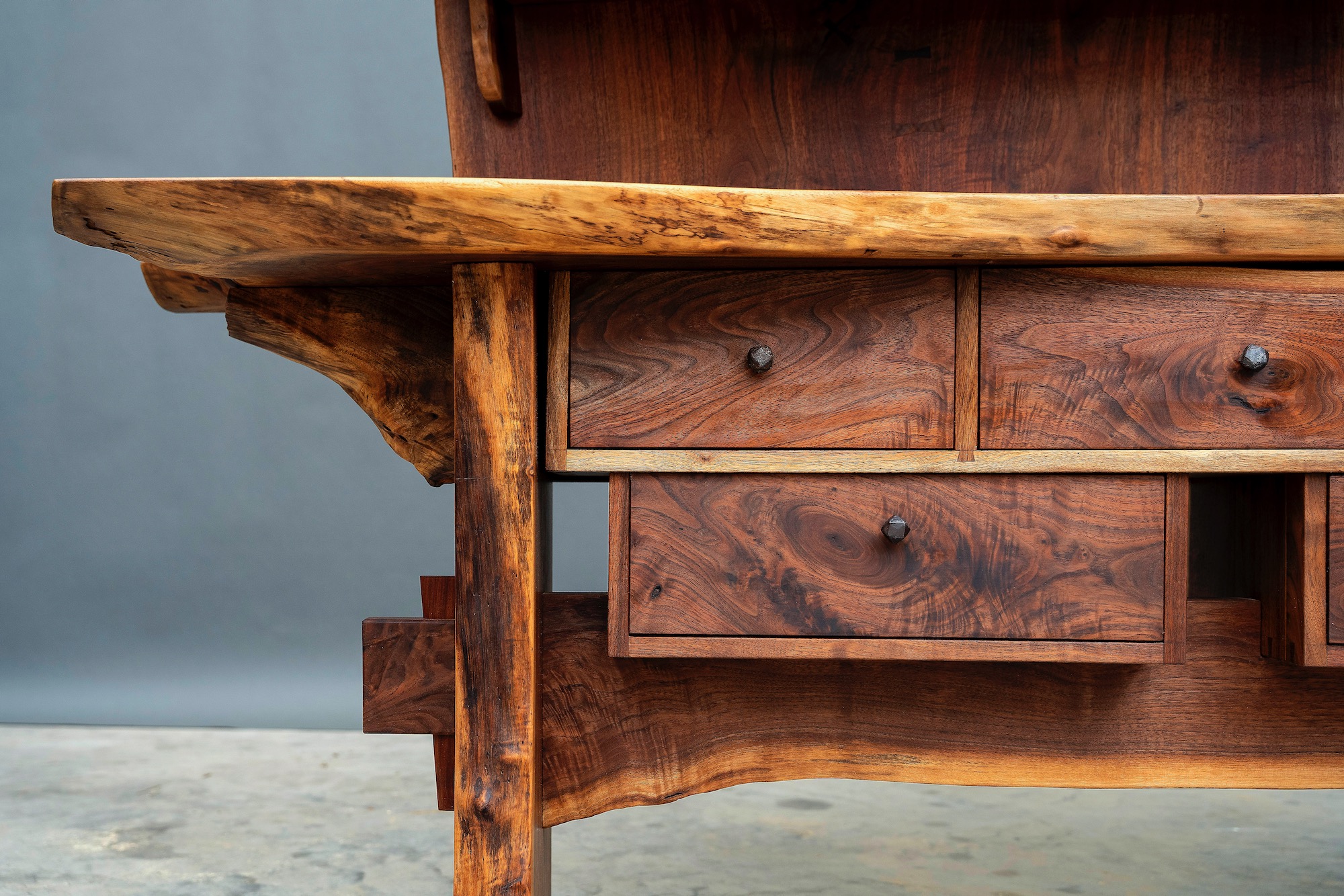
In the same contemplative spirit, all of the structural joints are “through” mortise and tenons, with hand cut dovetails on all of the casework and drawers. The hardware are re-purposed spikes from a derelict centenarian railroad bridge located on Cody’s land.
Thank you for taking the time to look at these images of my friend Cody’s and my celebration and wonder at the crystalized voice of our God in the ligneous song of our brother-trees. Thank you especially to Steve Hebert for having the gifts and knowledge to be able to photograph these pieces for us.
This is a progress update of a painting that I began last year illustrating one of the visions of the old testament prophet, Zechariah. After making a complete grayscale (grisaille) in egg tempera, I have been doing a base color layer in egg tempera with a limited palette, of two earth tones, with a red, yellow, blue, black and white. The final layers of the painting will employ translucent oil glazes.

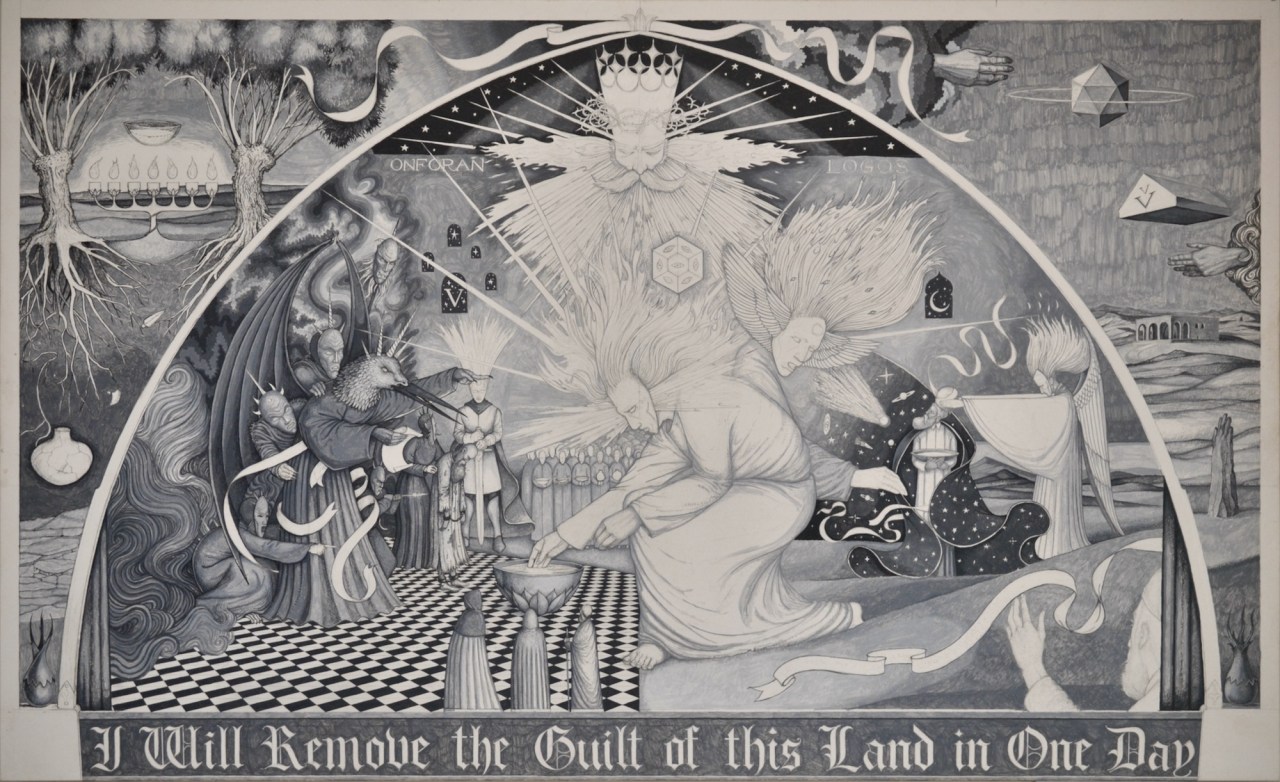
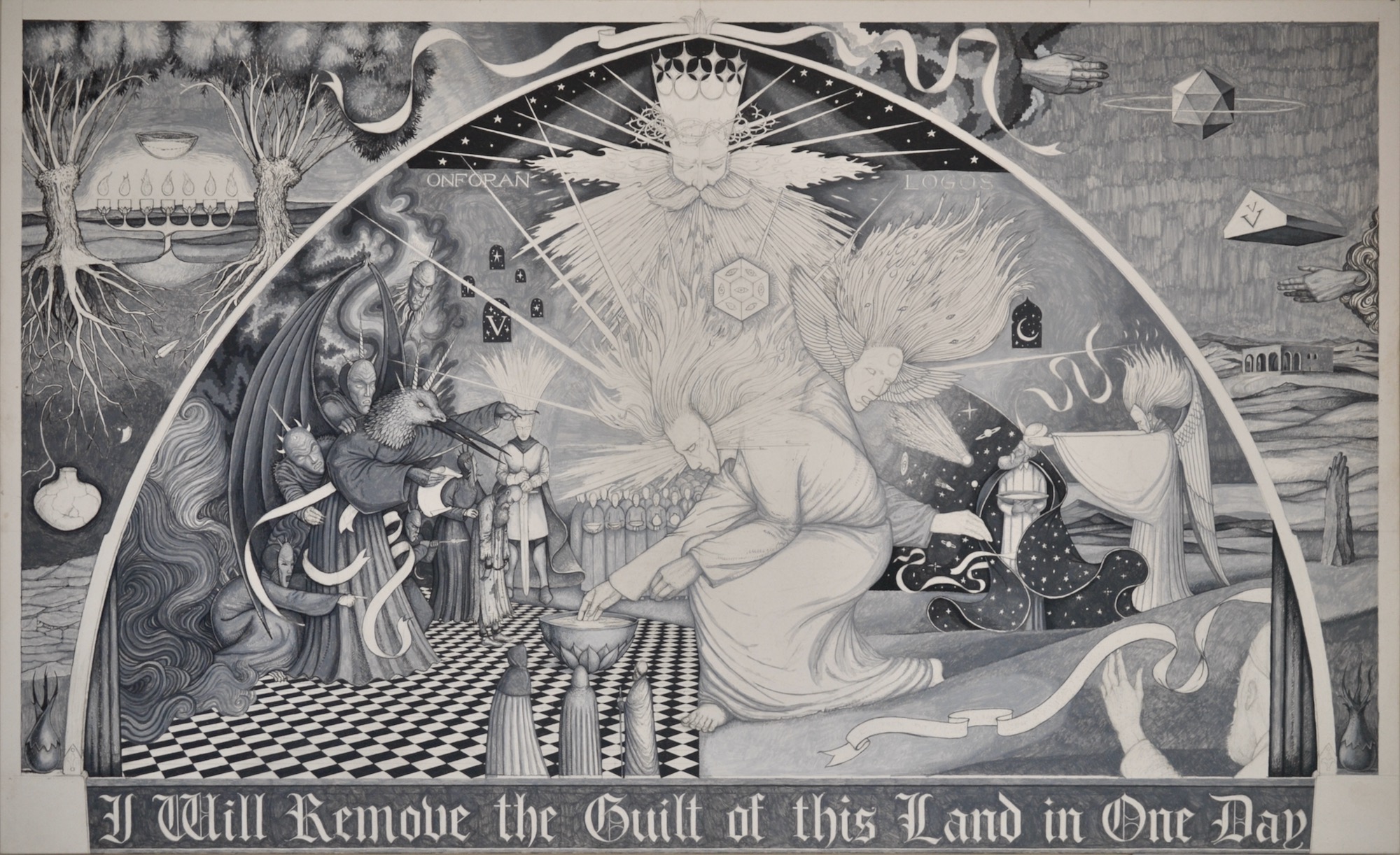
I wanted to share a series of images showing the process of the making of an underpainting which I have been working on for the past few months. The image itself is an illustration of a vision of the biblical prophet Zechariah laid out in chapters 3 and 4 of the book of Zechariah in the Old Testament. It is a beautiful story of God’s grace and restoration, rich in symbolism and images. It is not very long and is certainly worth reading.
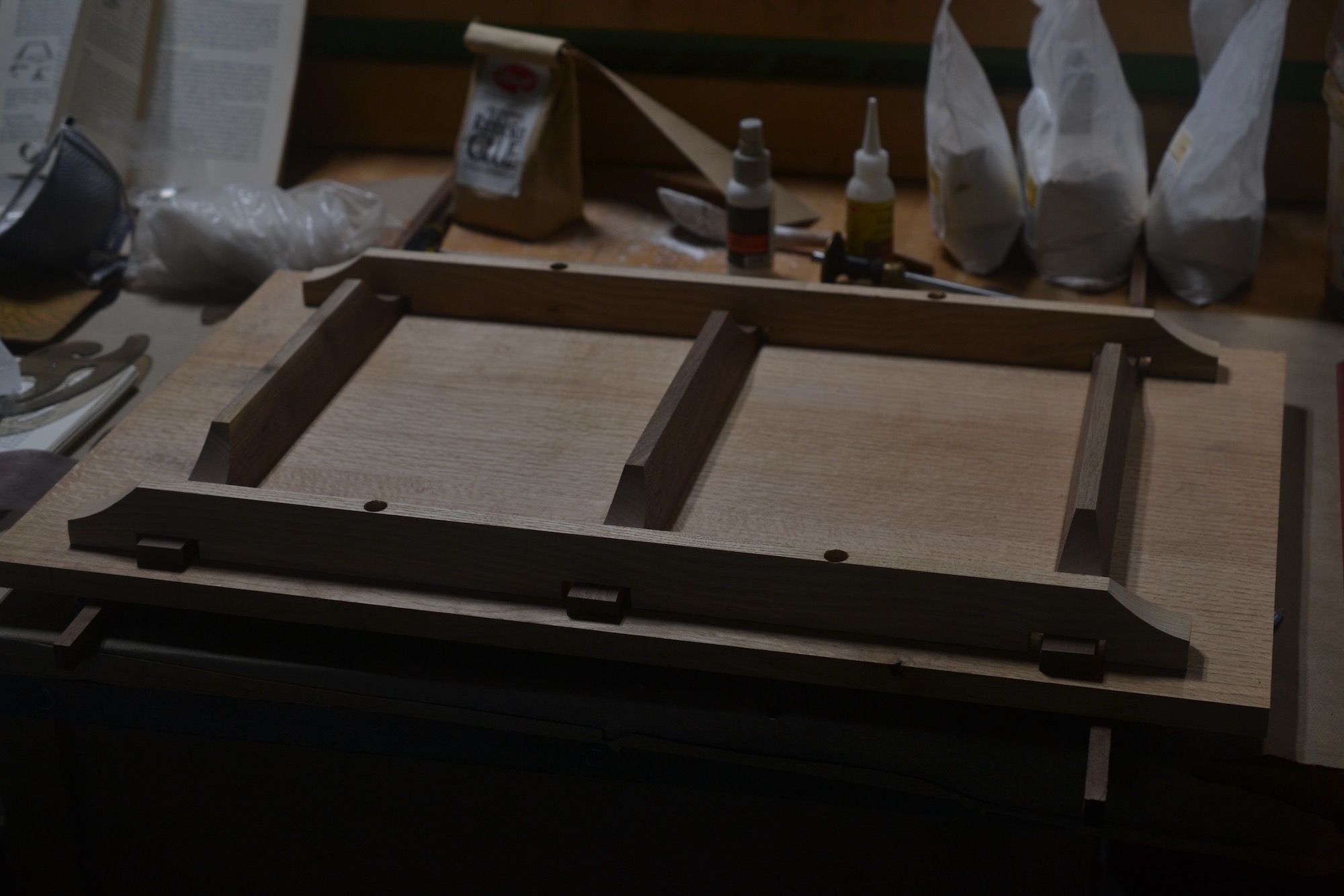
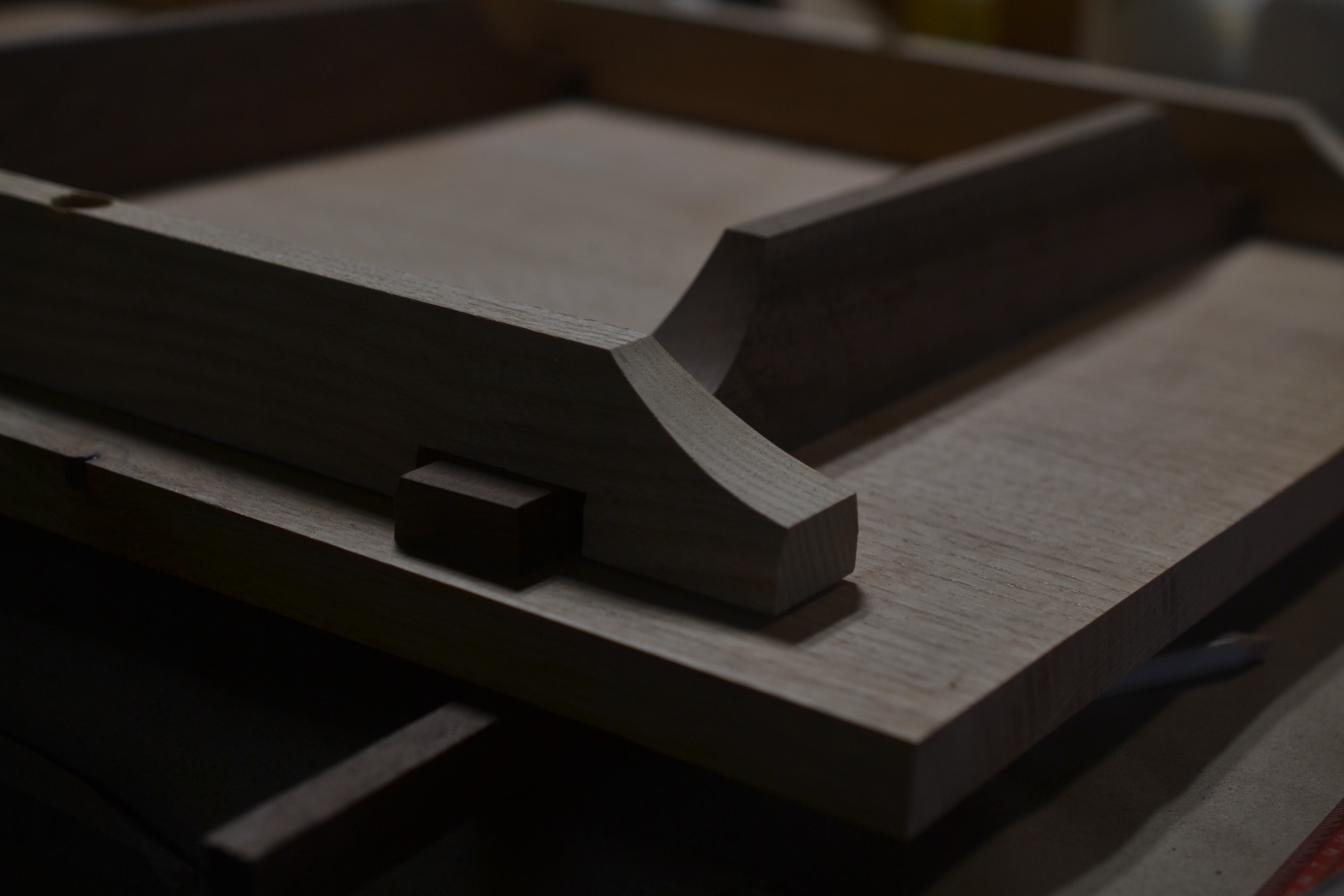
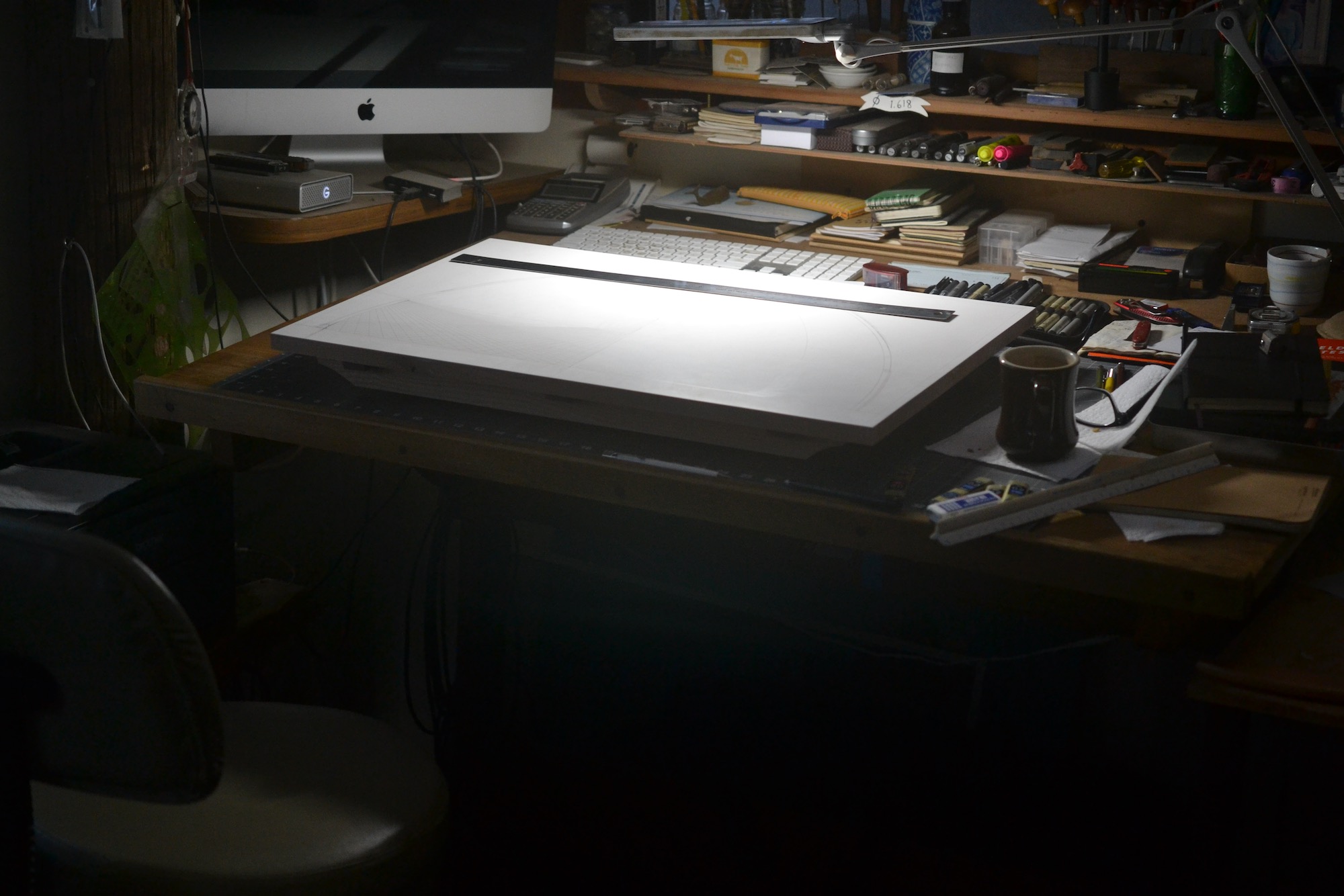
This grisaille is done in egg tempera on an oak panel, built from an oak that came down on my father’s farm in Greenwood county, was subsequently milled (quarter sawn) and air dried for 10 years. The panel has been cradled with walnut and ash to help keep it flat over time. The surface is a traditional gesso as describe out by the 14th century Florentine Cennino Cennini in his Il libro dell’arte. Once the grisaille is complete, I will start to paint layers of translucent colored oil glazes, hopefully to beautiful effect.
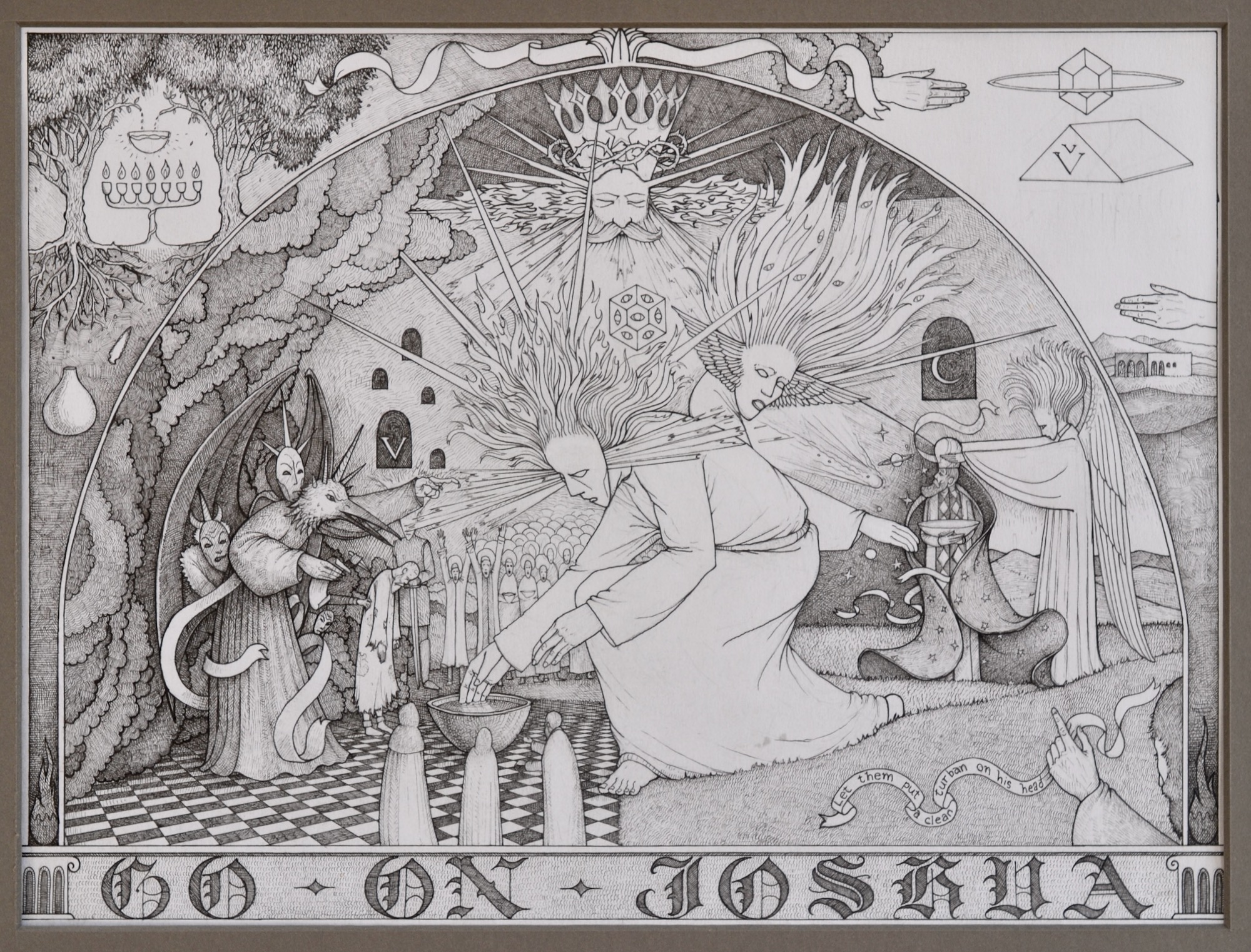
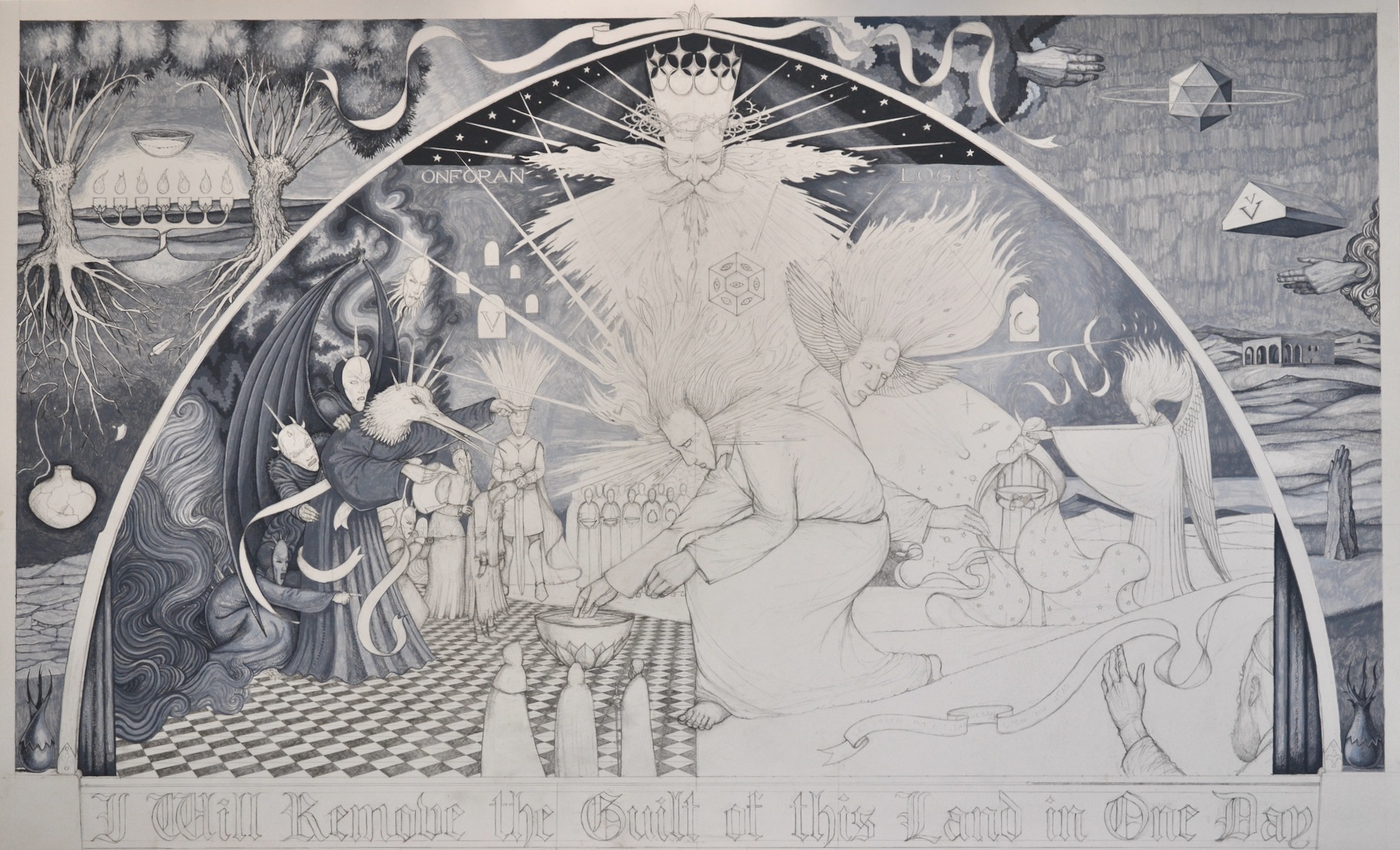
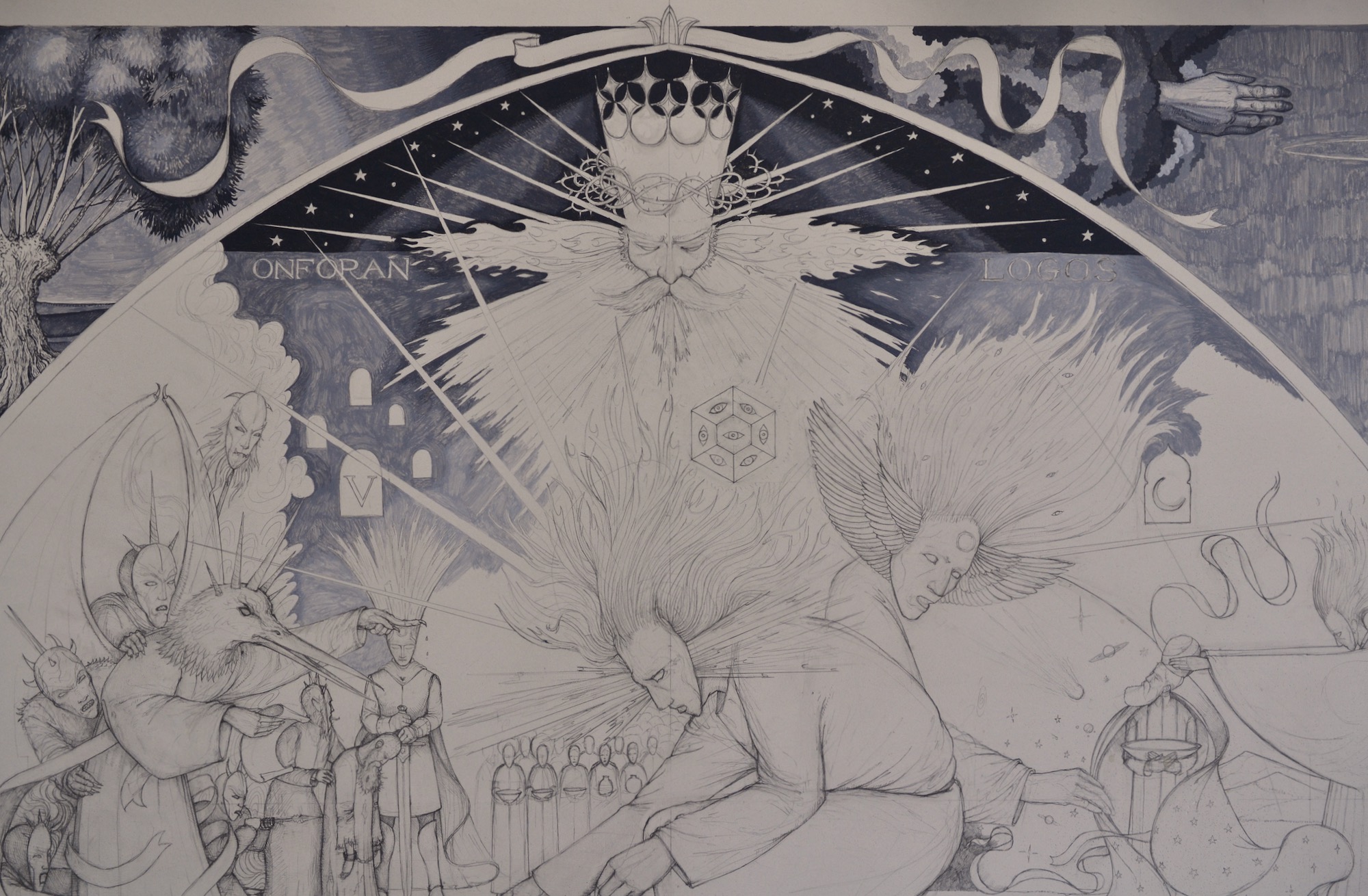
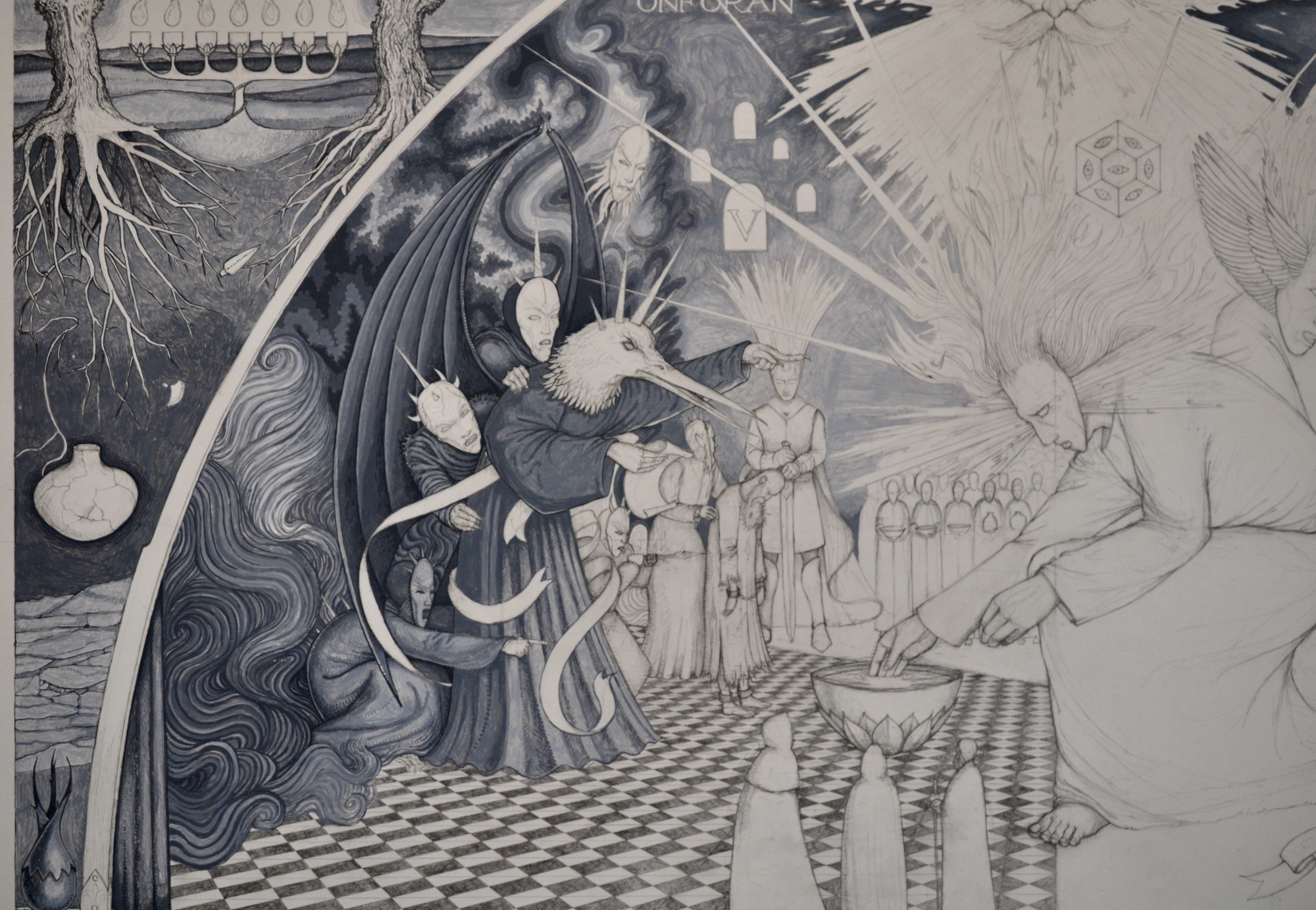
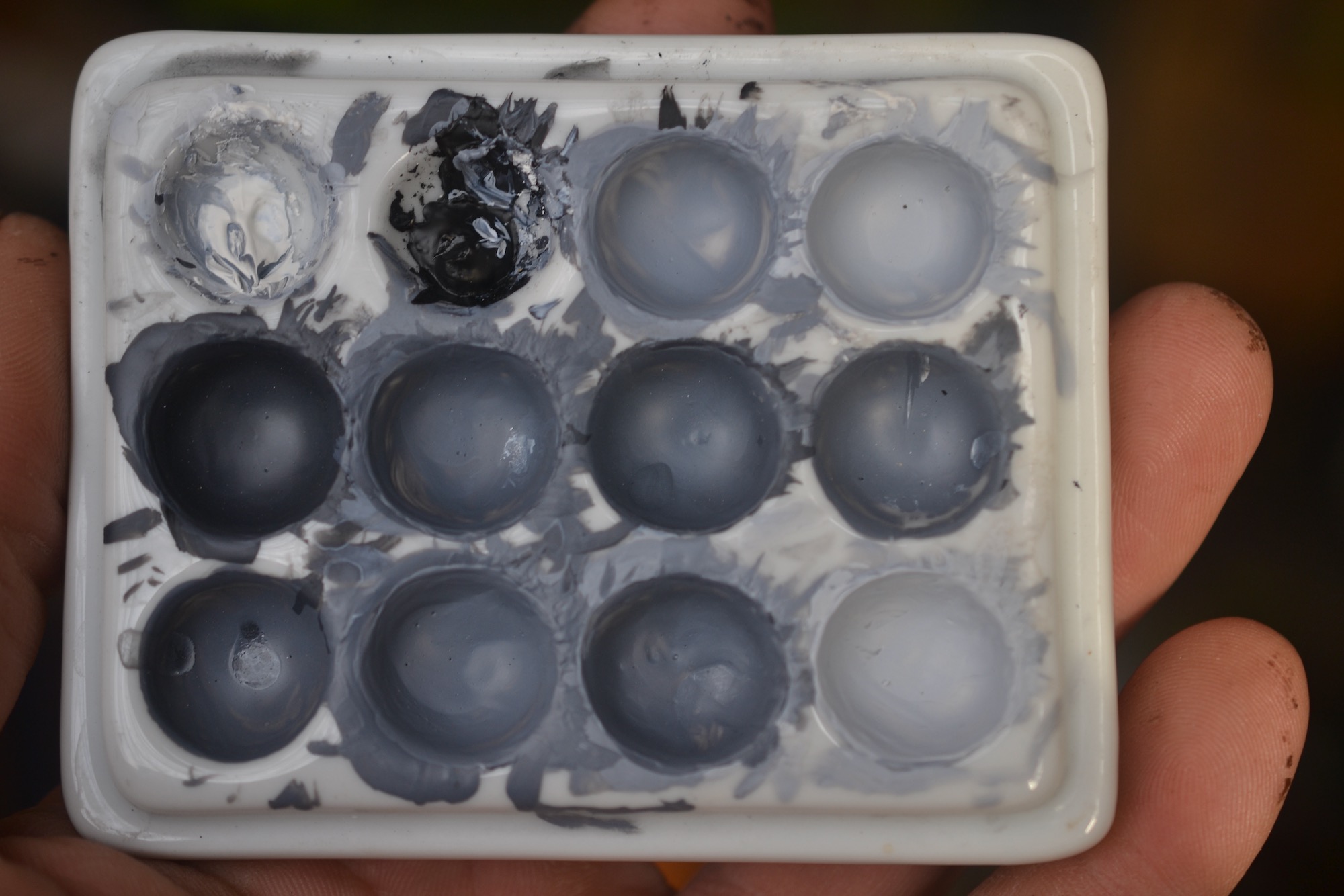
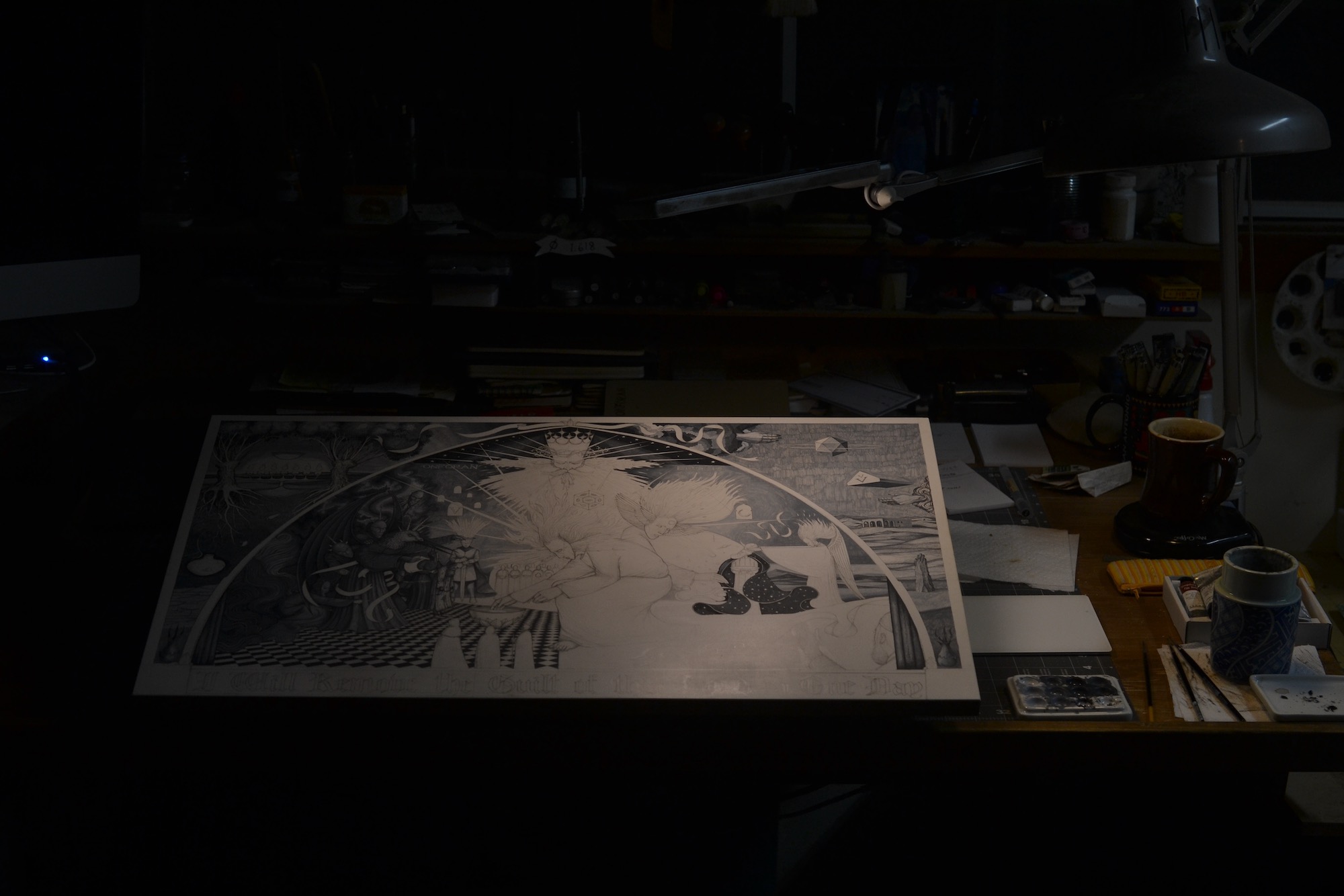
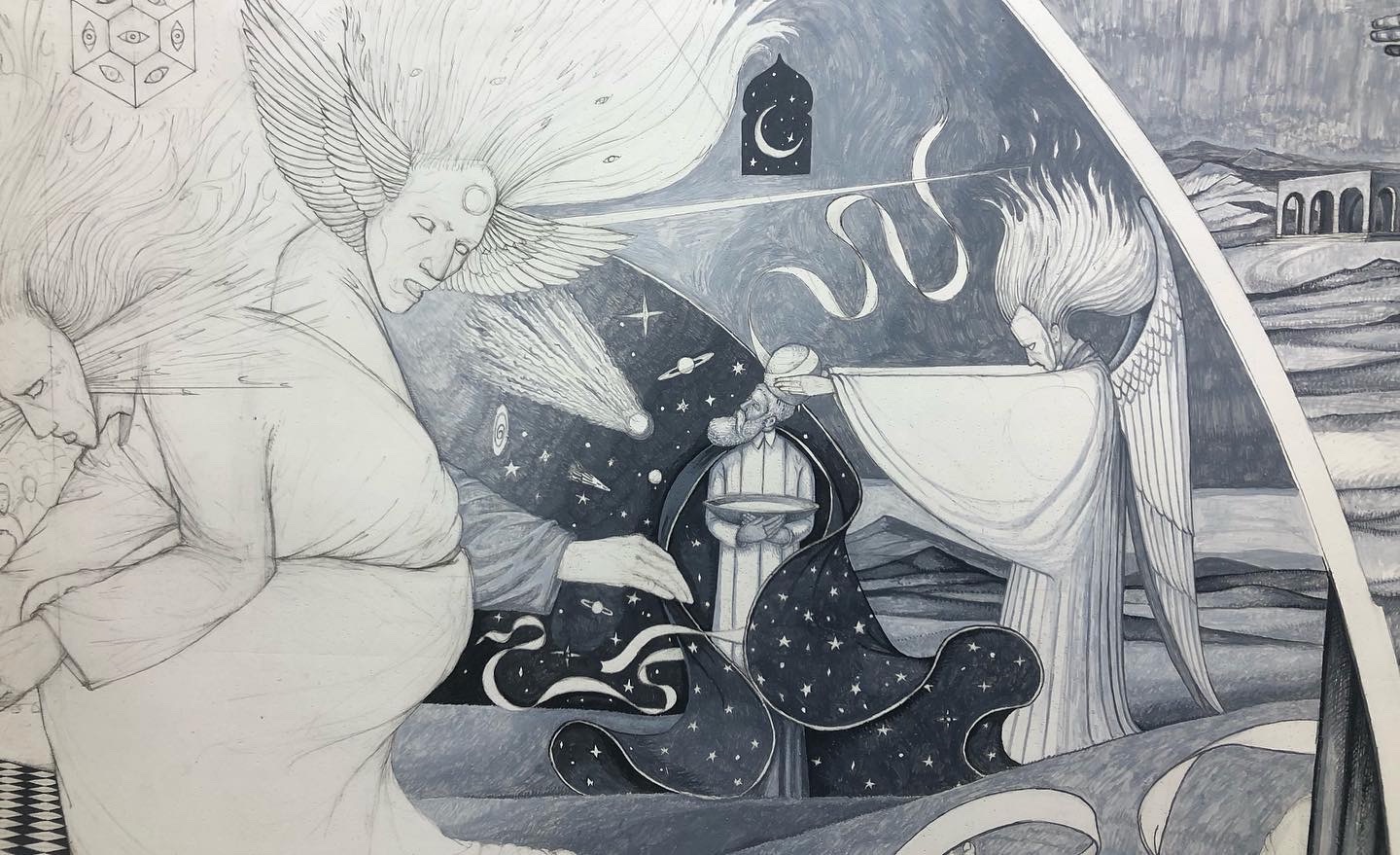


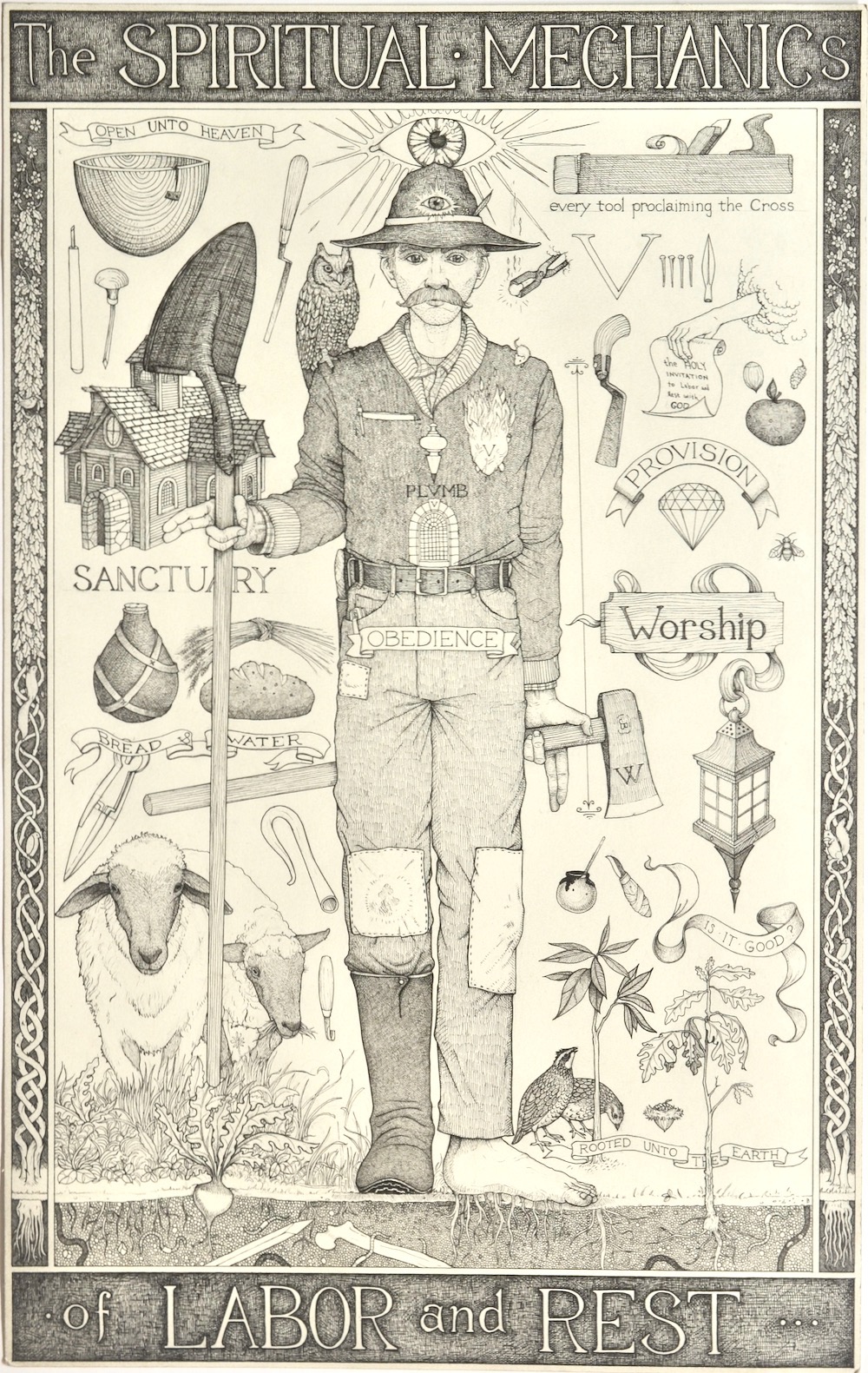
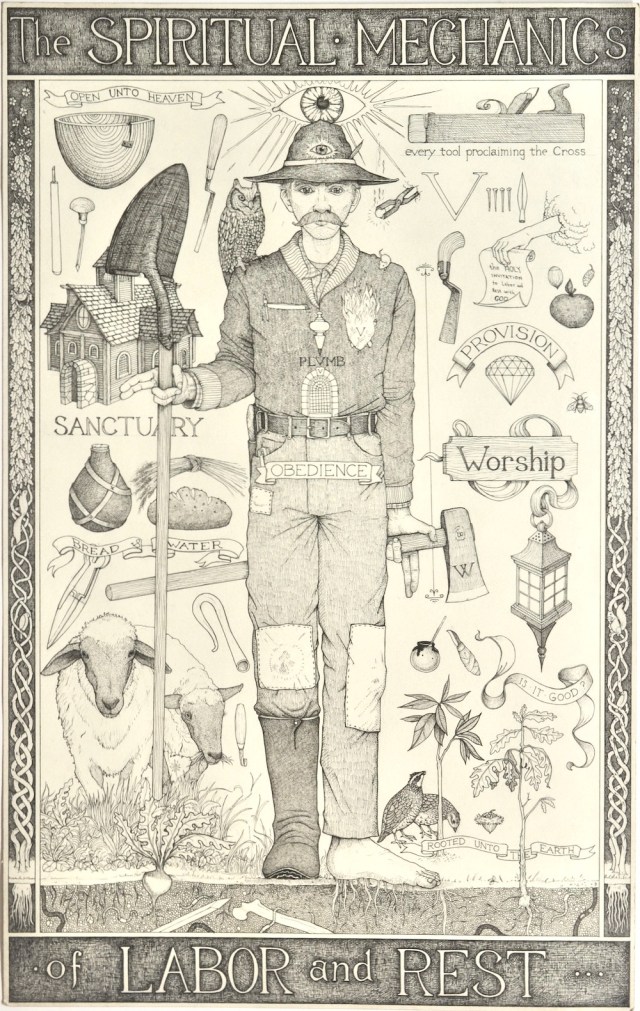
I’ve been working on this drawing for a number of years. It was intended as a companion to another work, The Spiritual Mechanics of Labor and Rest, pictured below.
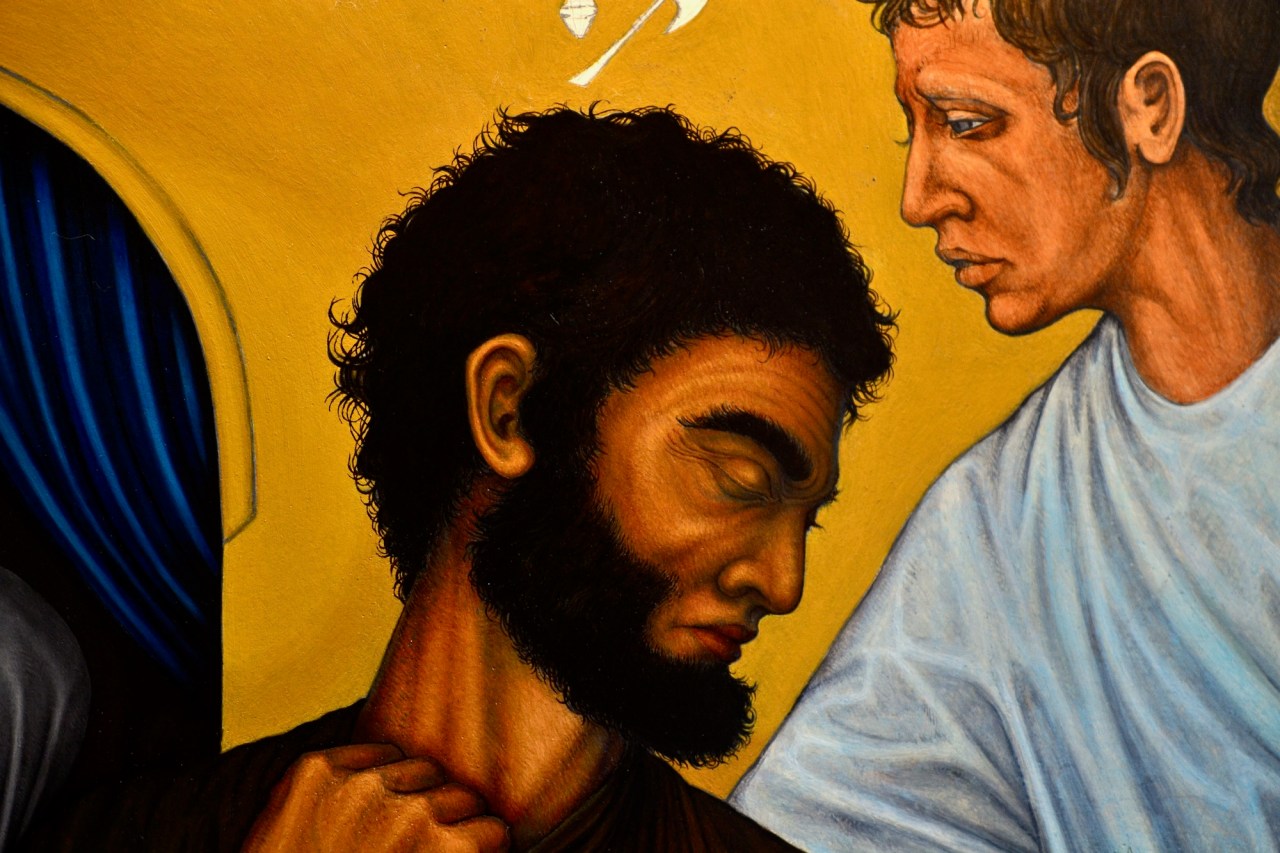

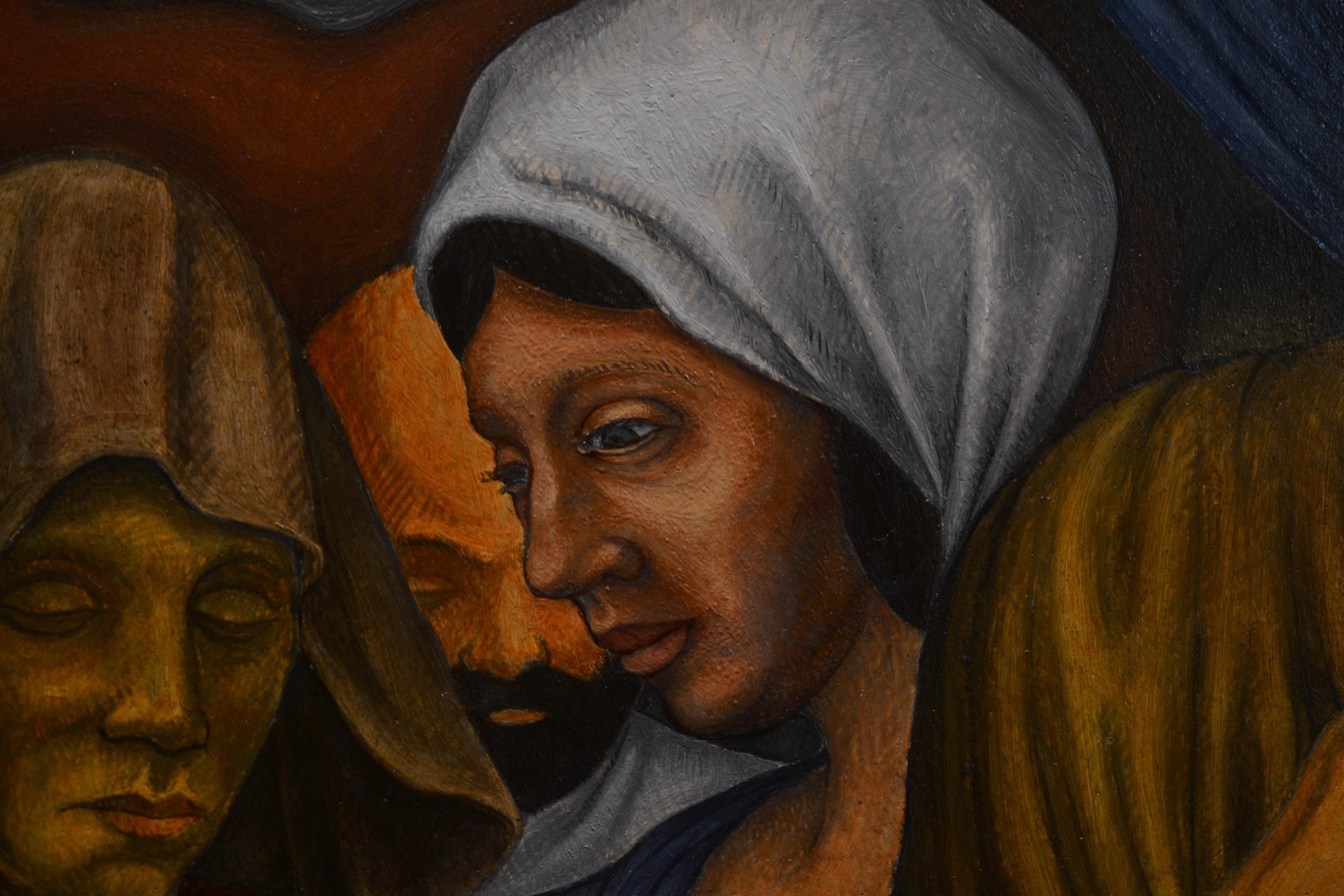
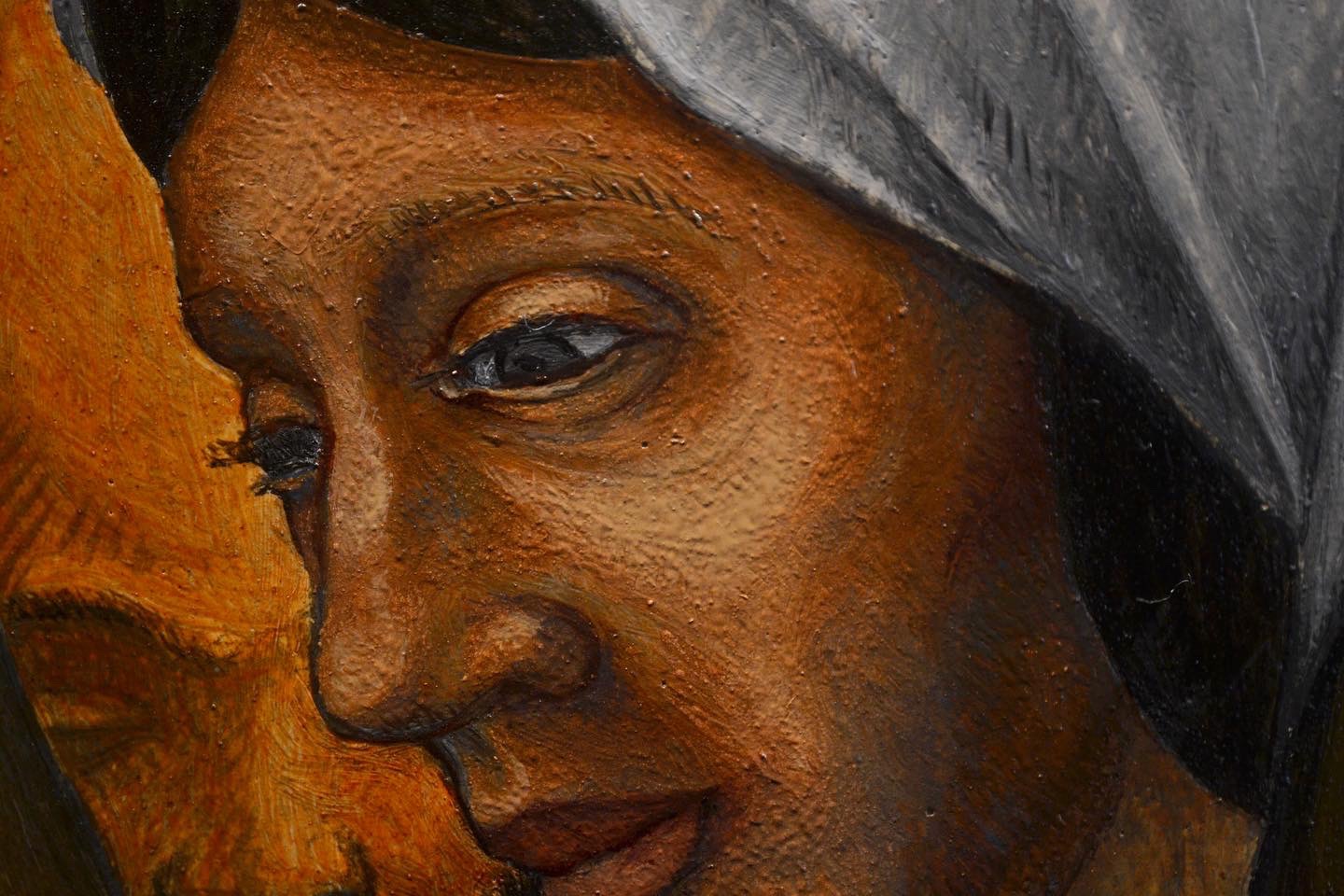
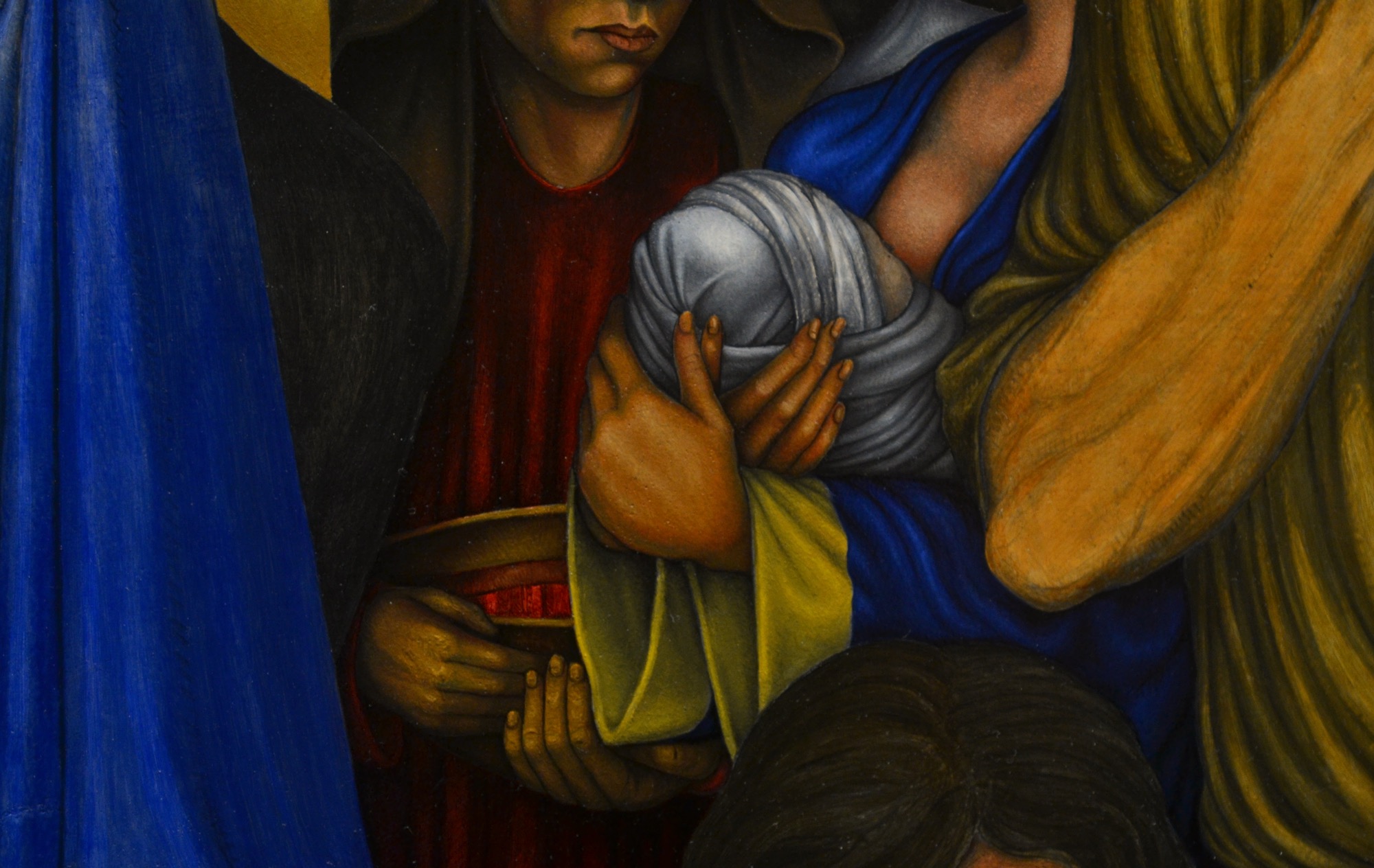
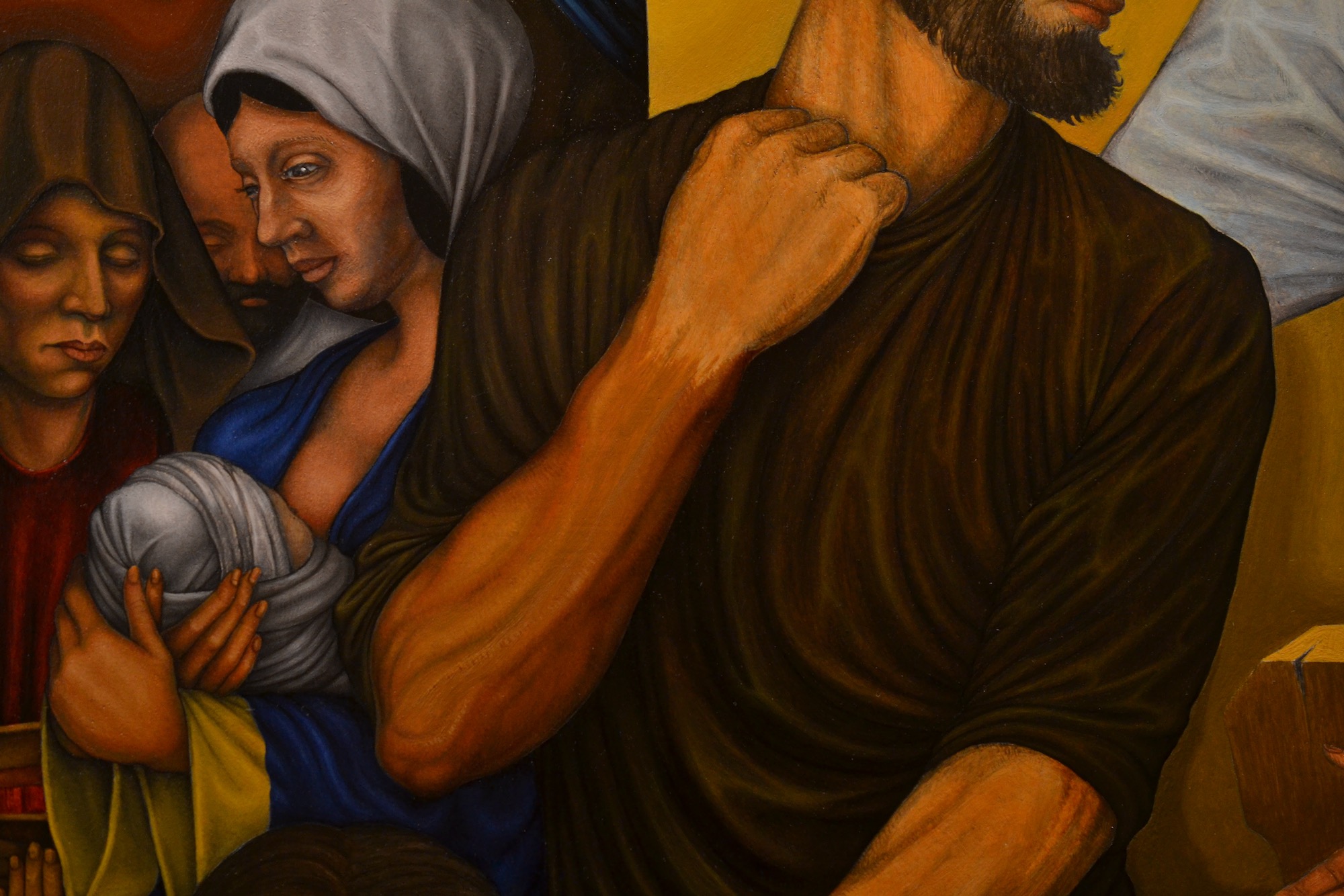
Some details as I am working on the second layer of color and glazes on this painting of Thomas touching the side of the resurrected Jesus.





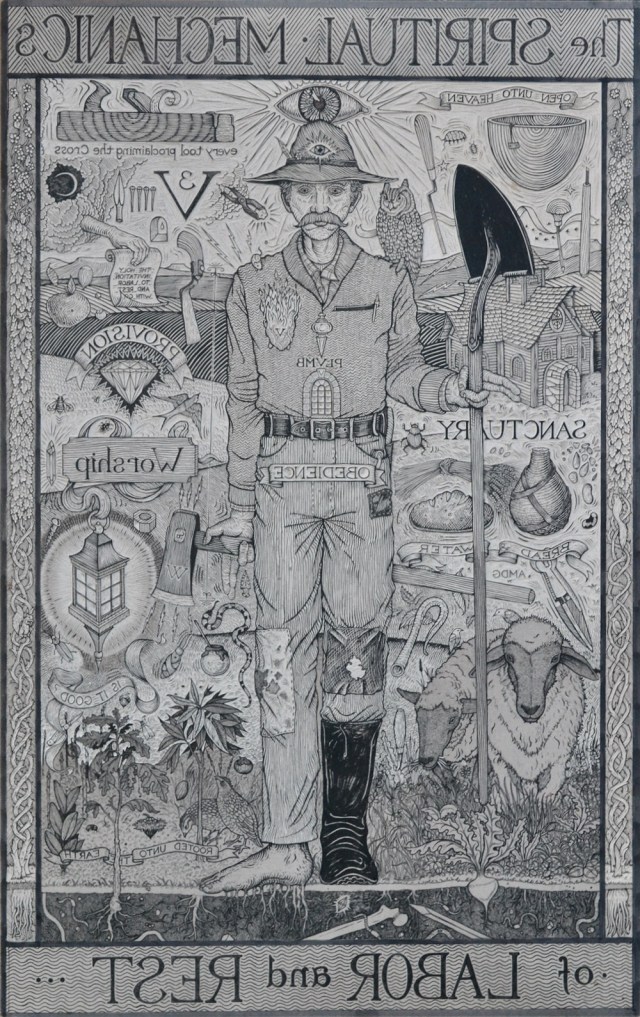
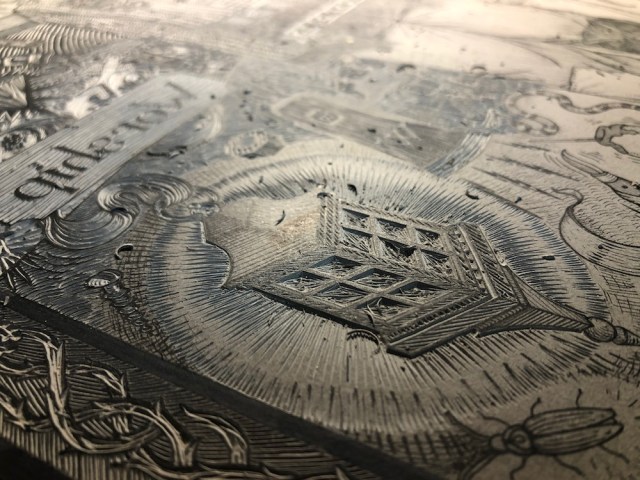
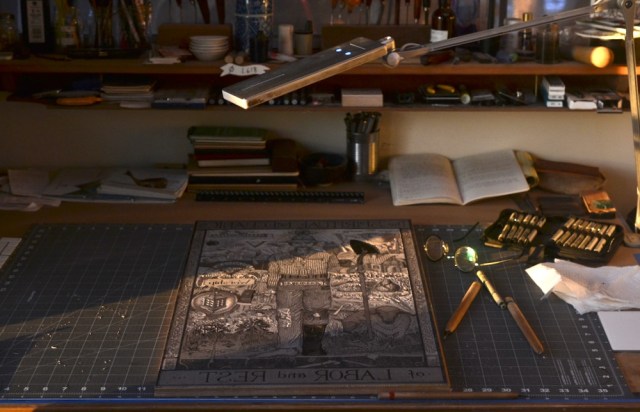
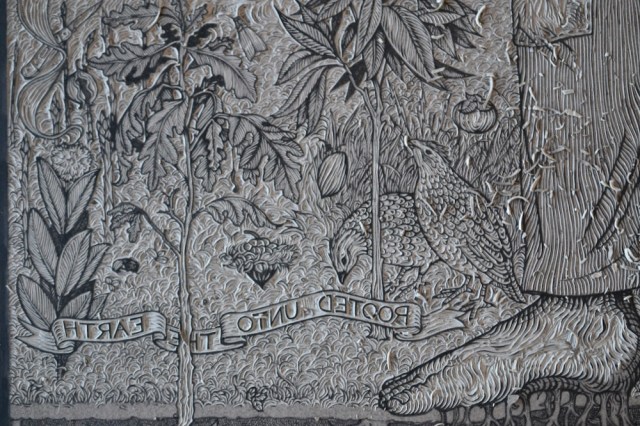
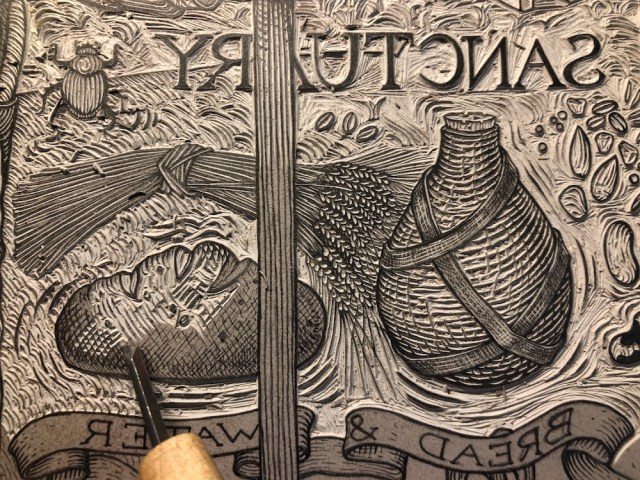
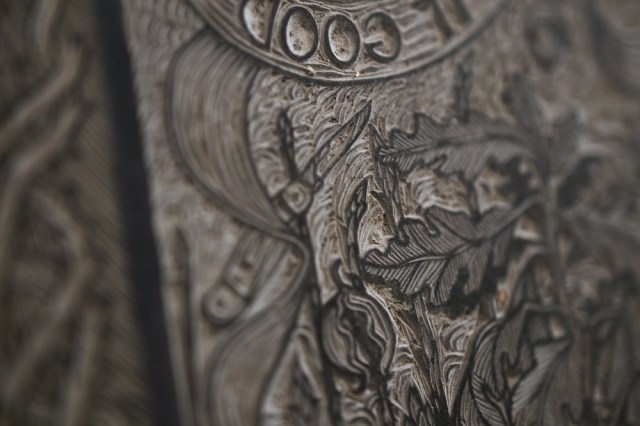
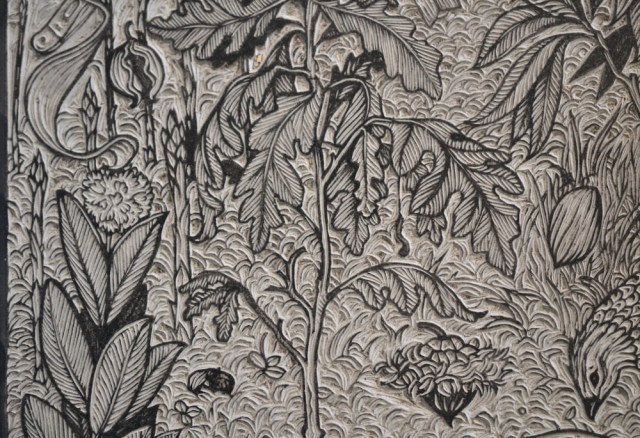
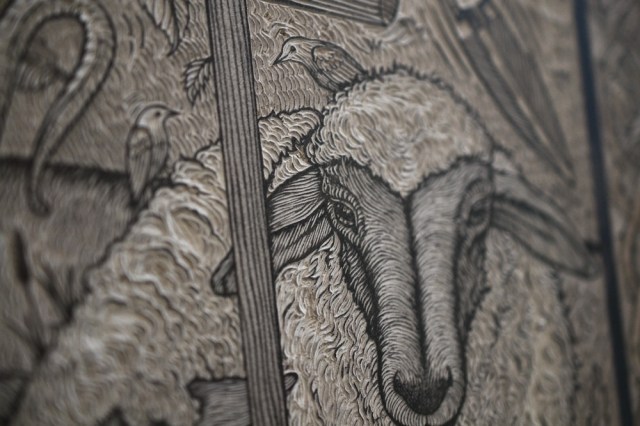
Concerning the invitation to occupy the sacred rhythm of labor and rest and to engage the “resistant materials” not for provision first, but for relationship, for worship, for knowing God. I’ll share more on this when the print is done. The block is about 75% carved. I hope to be able to start making some proofs of the image in two or three weeks.
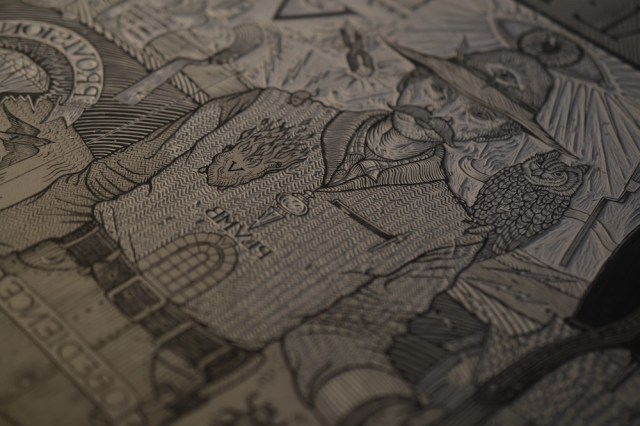
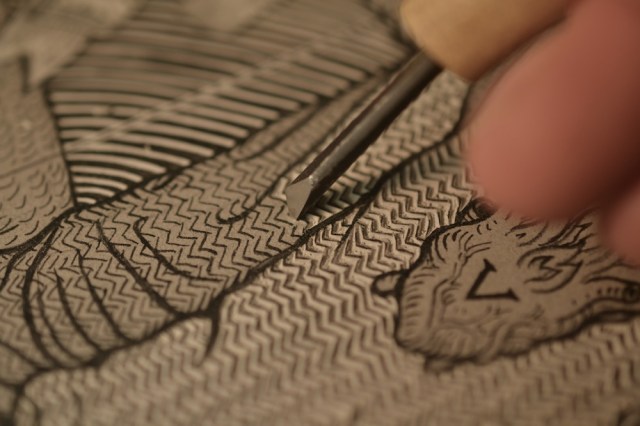
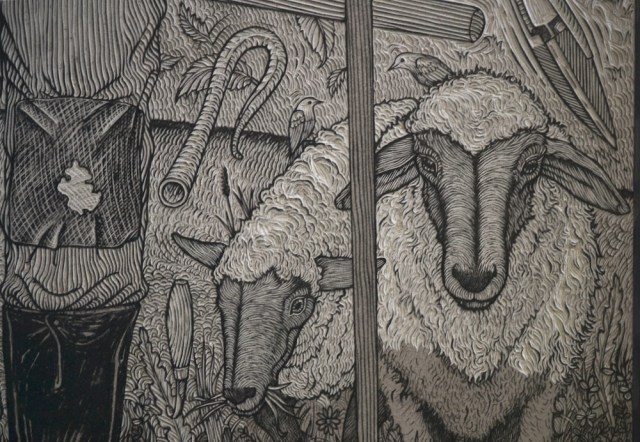
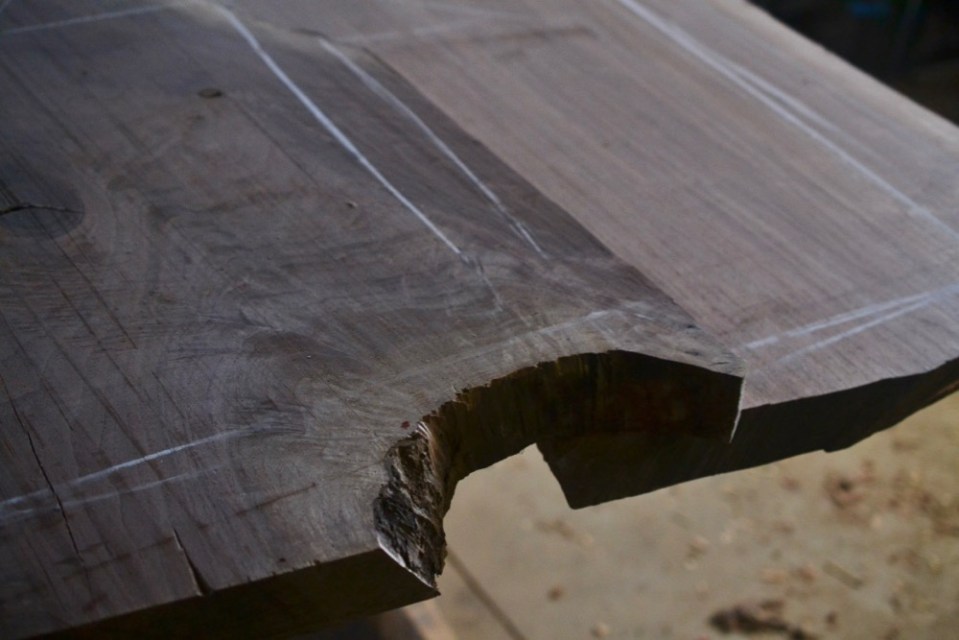
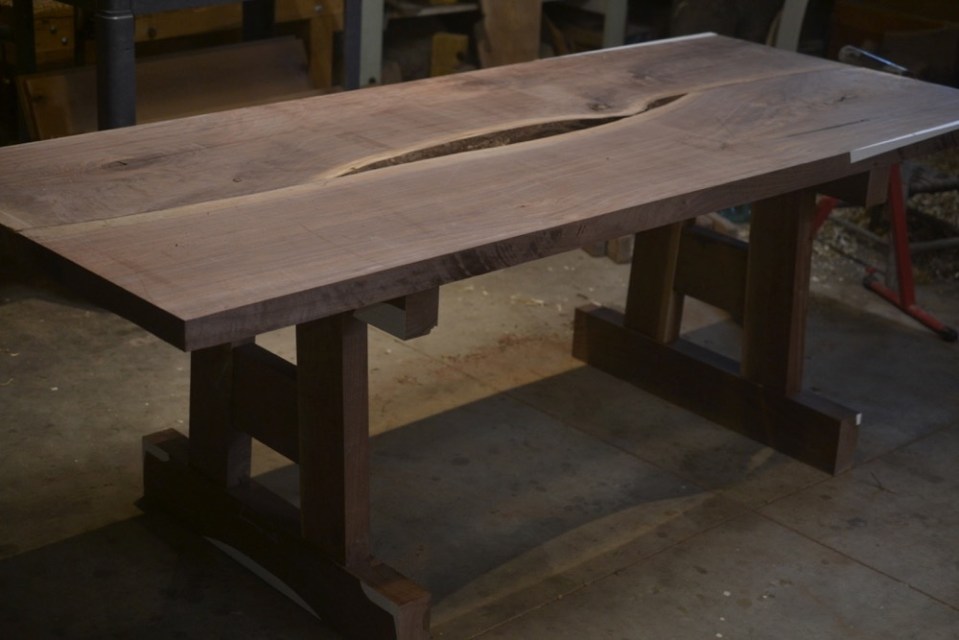
The discovery of the life within the wood and the relationships they form is exciting to uncover. The early decisions are heavy. Every other act in the process is a response to these chalk marks as they try to hear and echo this walnut tree’s voice.
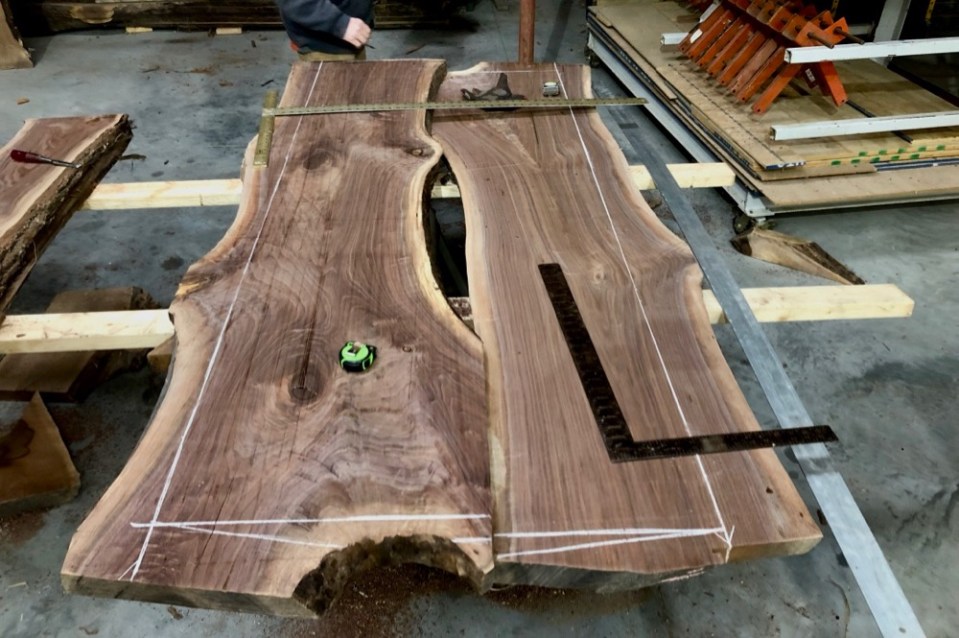
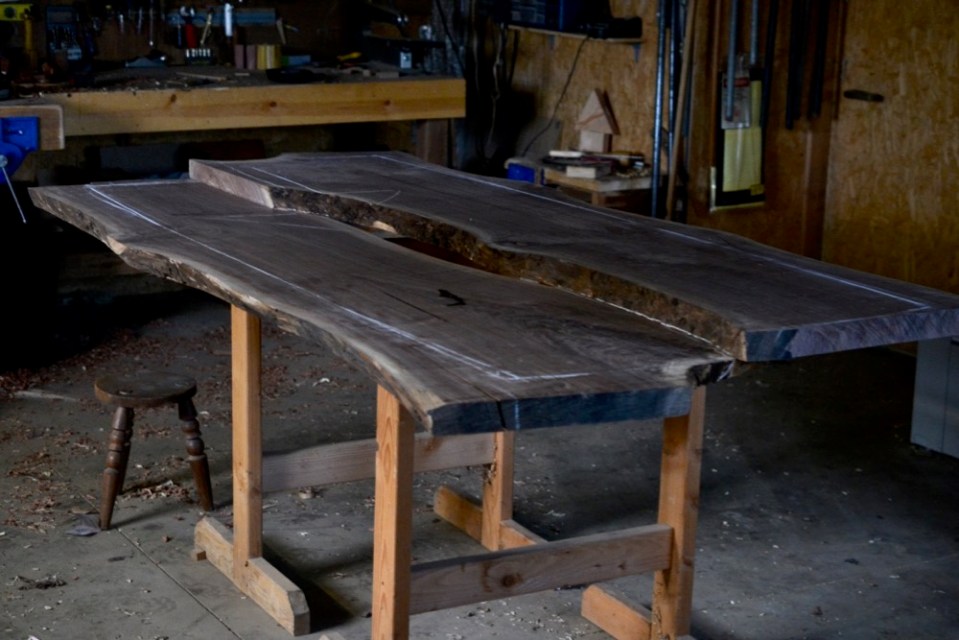
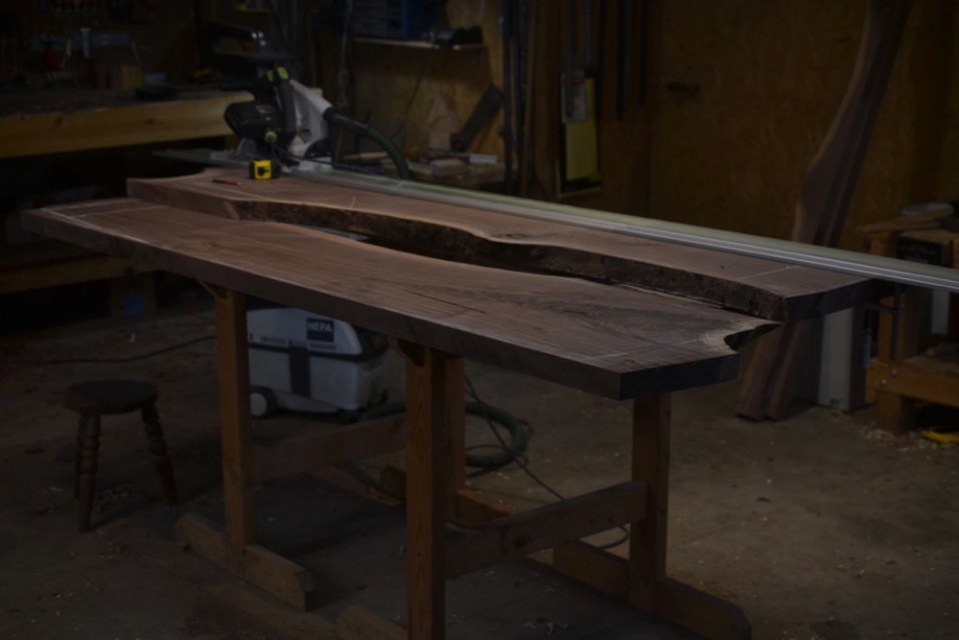
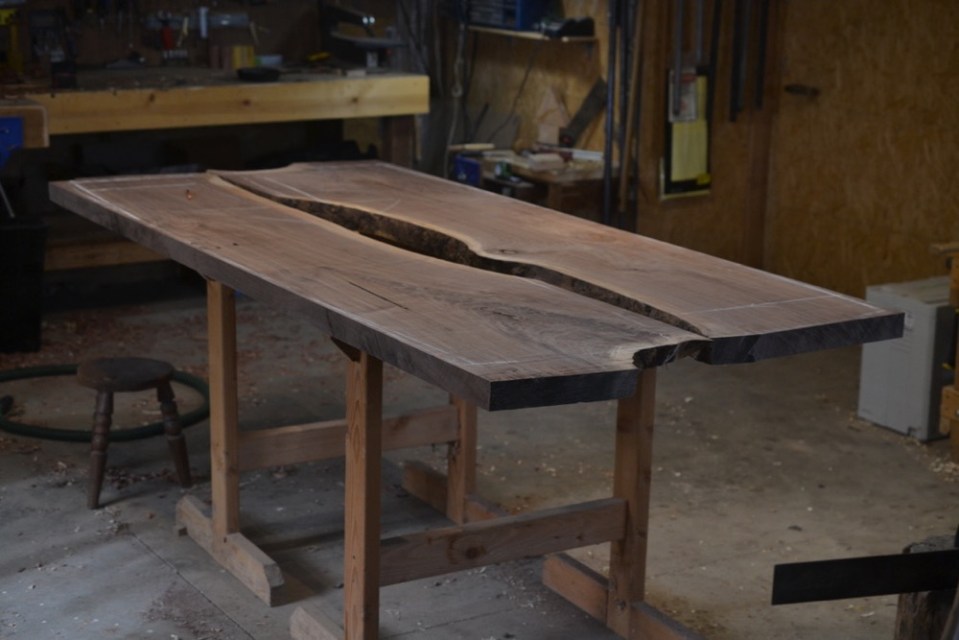
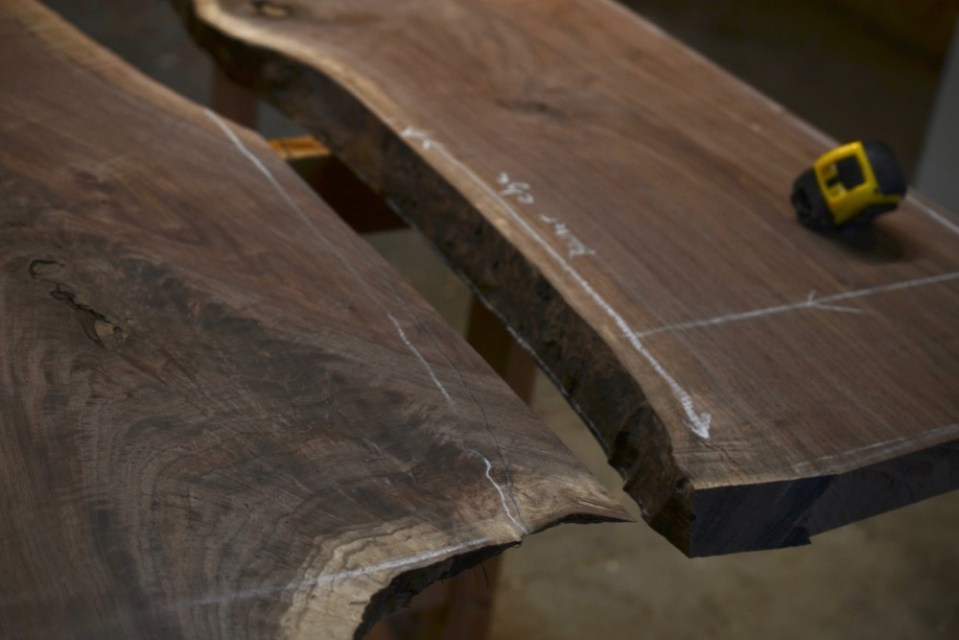

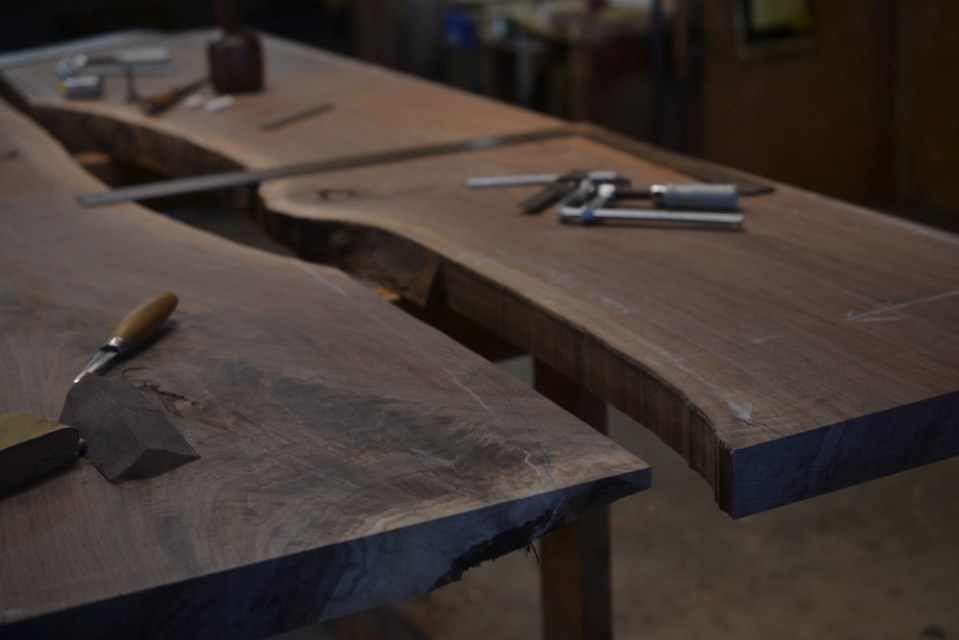
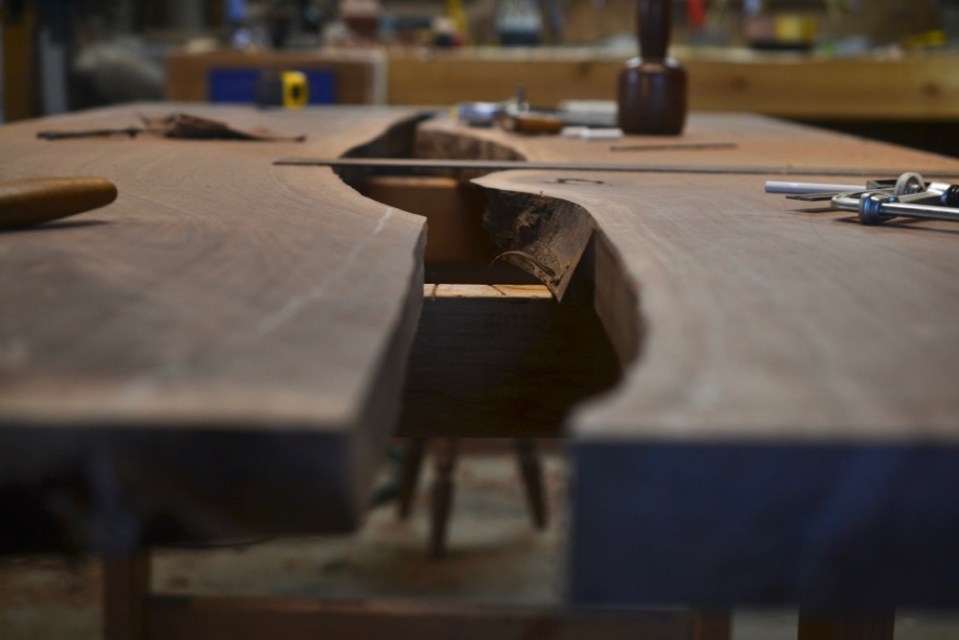
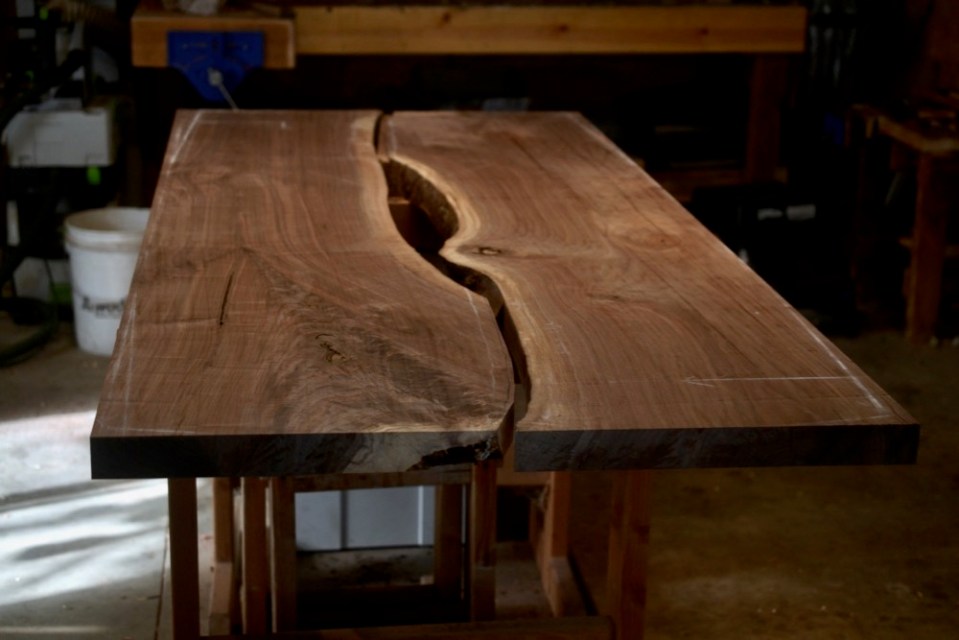
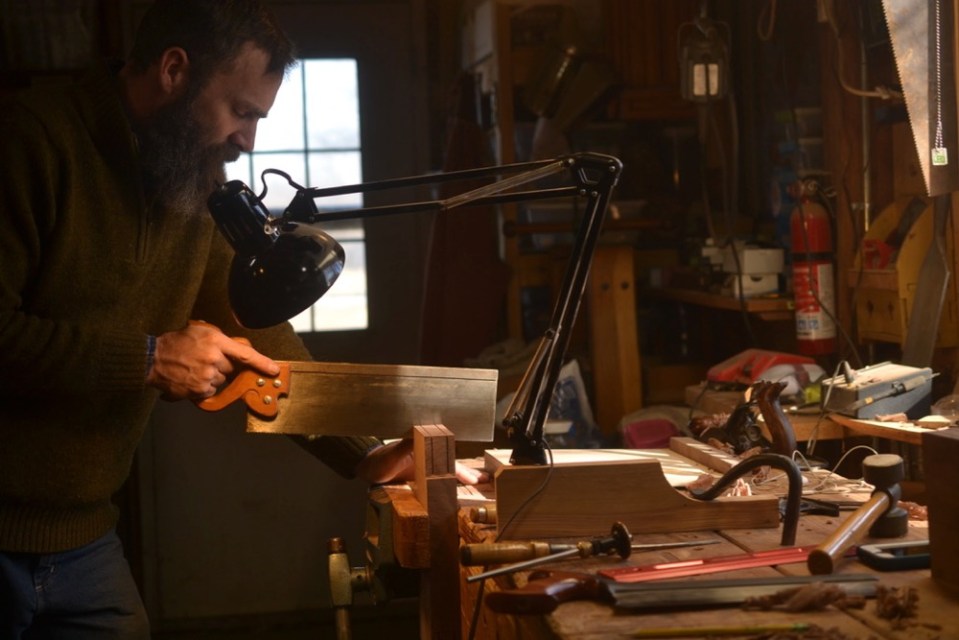
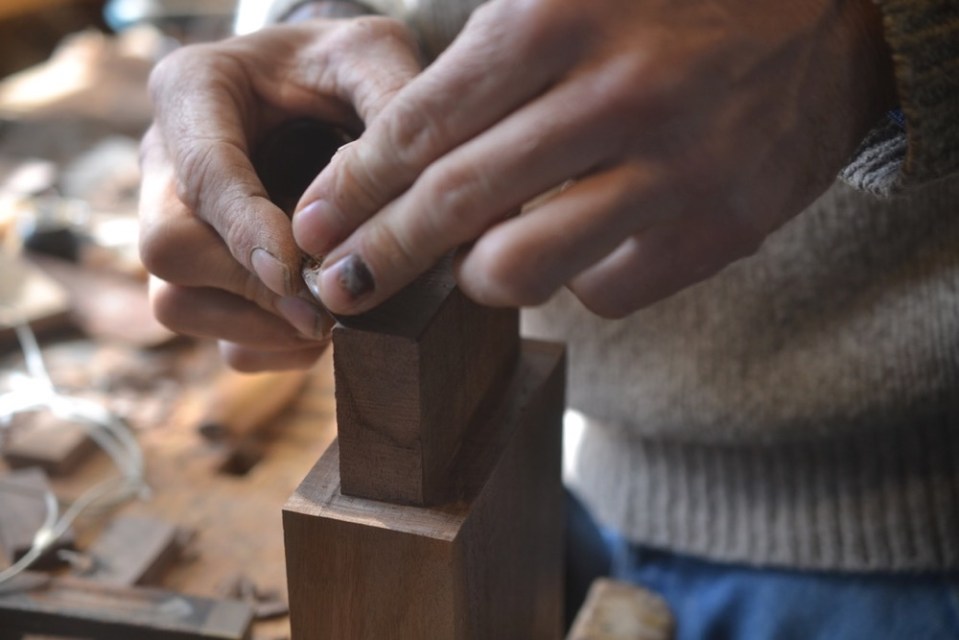
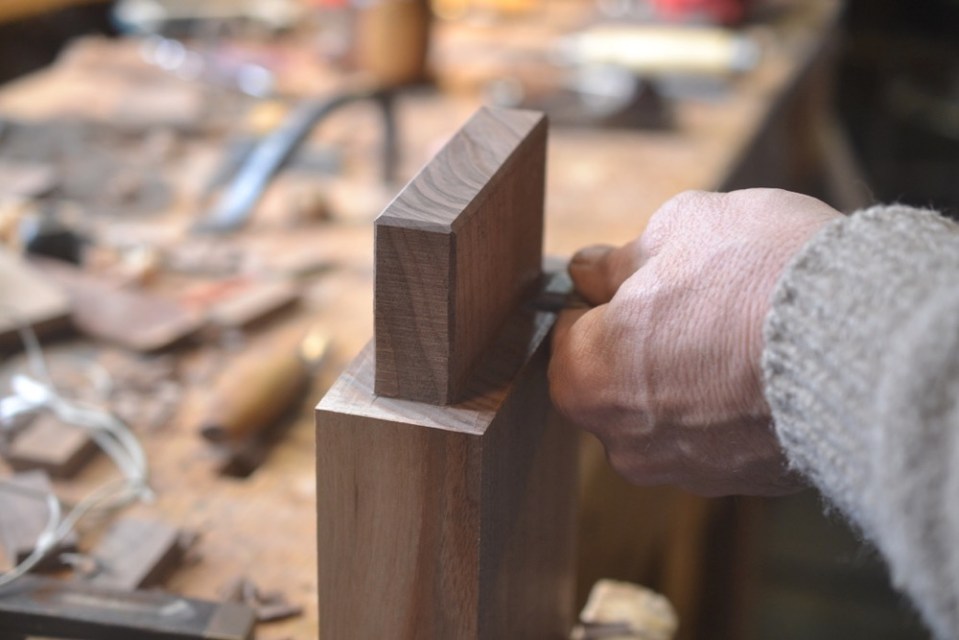
The romance of the craft is backed up by countless hours of “mundane” work- the discipline that builds skill, and makes up the real life of labor. Days are spent creeping up on this scribed relationship and the foundational joinery. It’s a blessing to work, and to rest in the presence, at the same while striving towards the goal. Don’t mistake me, I’ve only had enough meager success at it to know it’s possible.
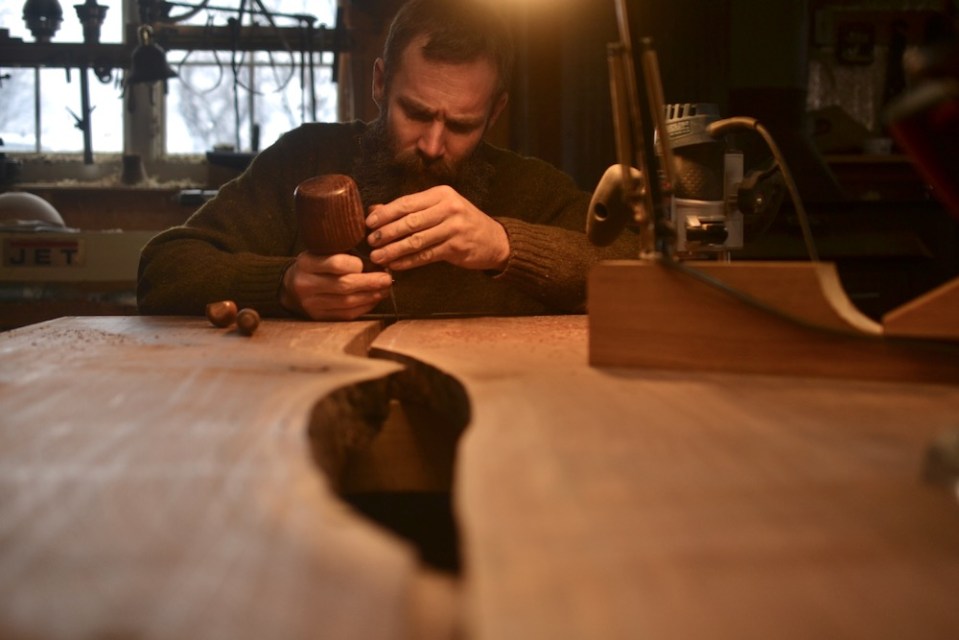
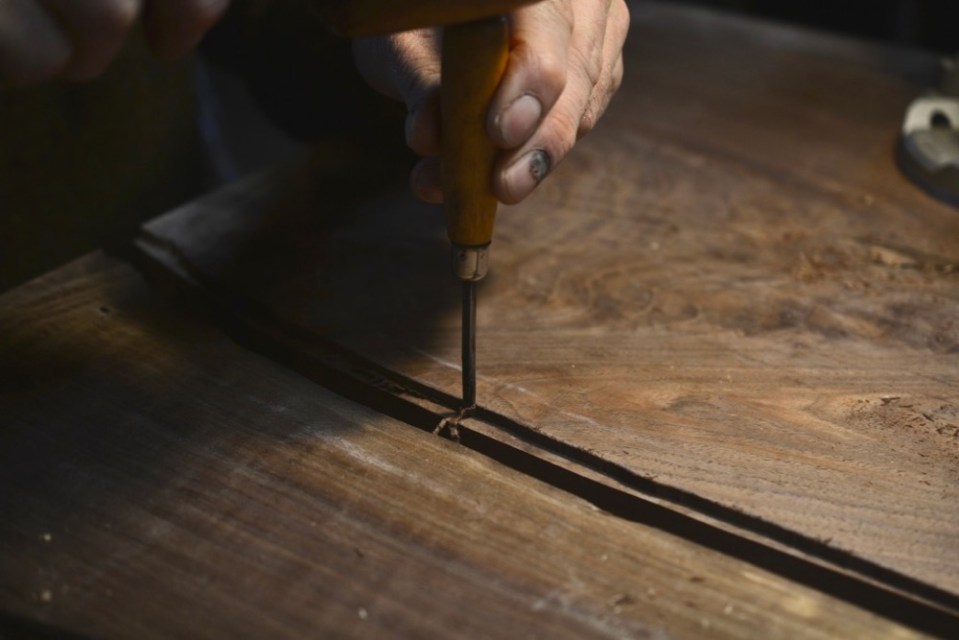
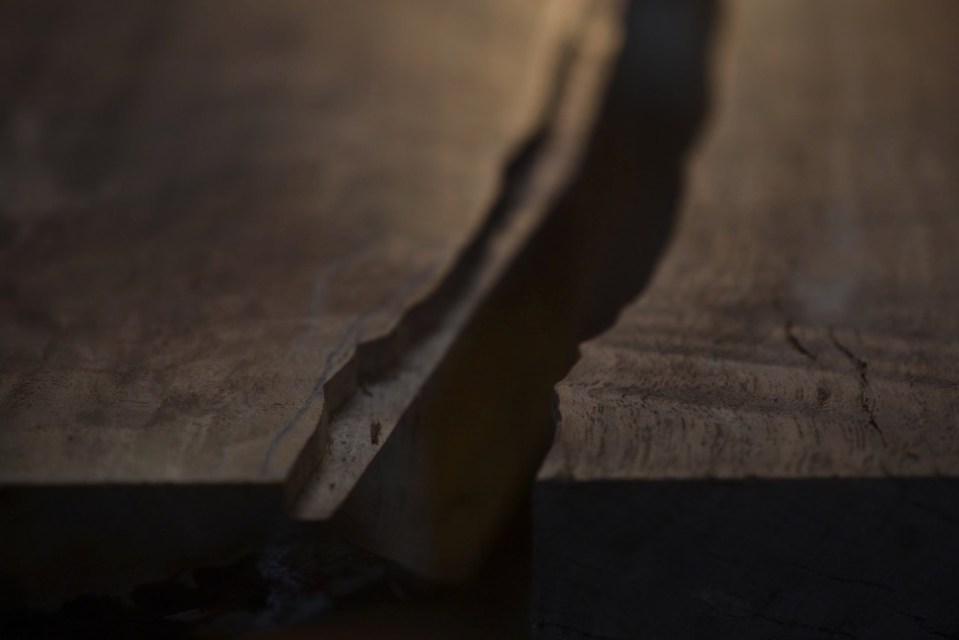

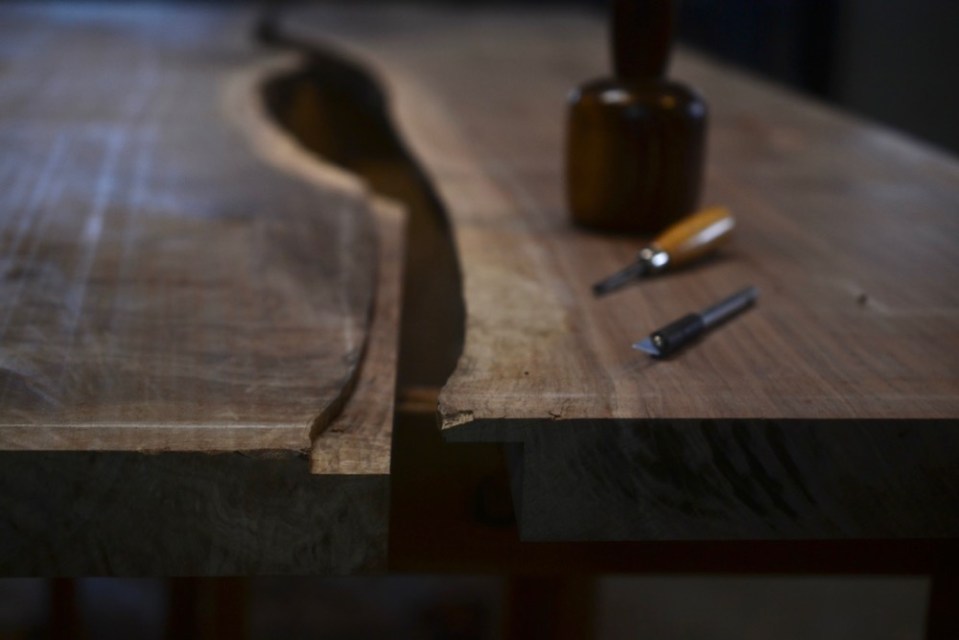


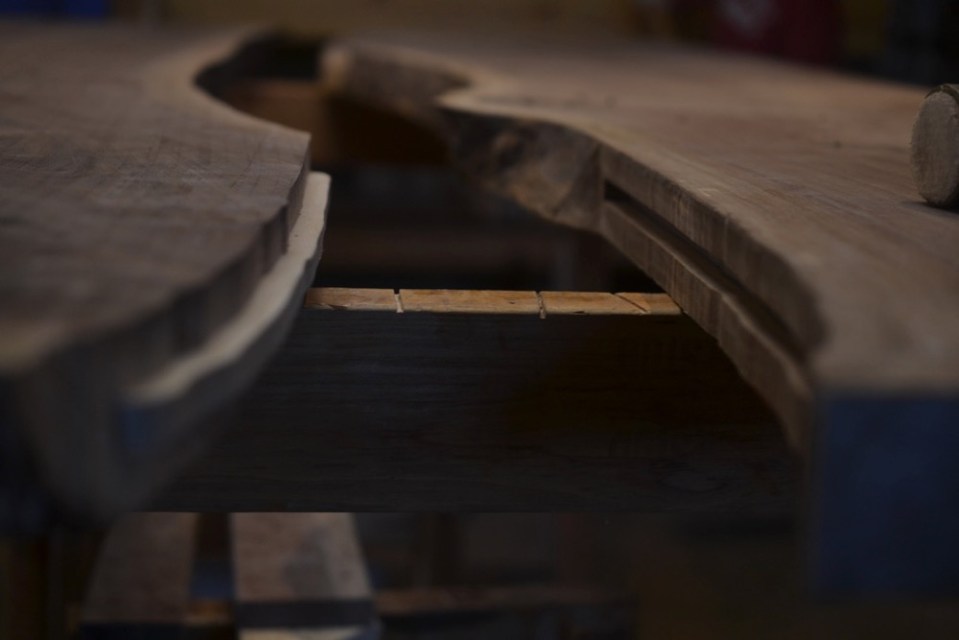
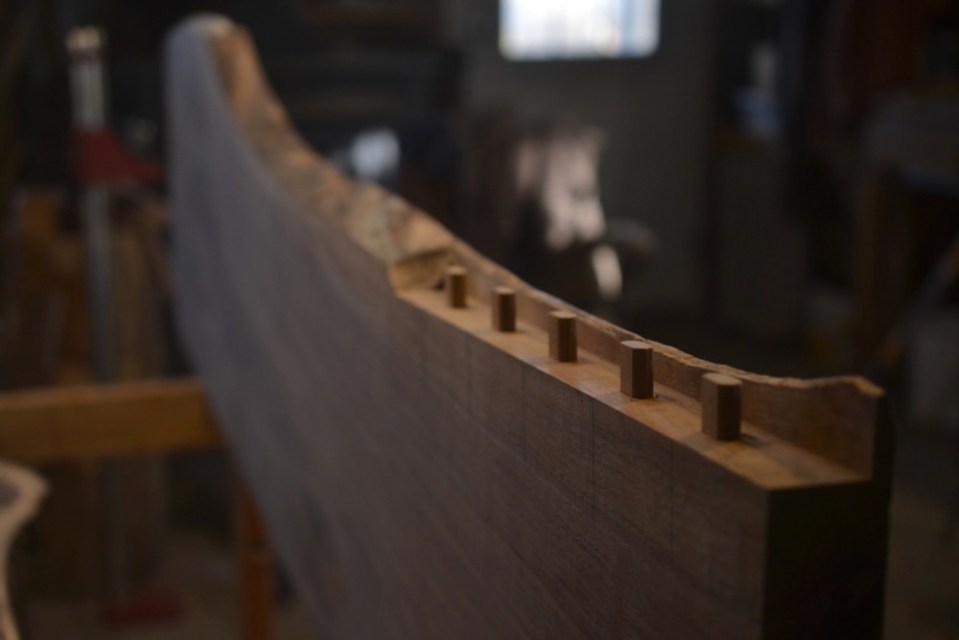
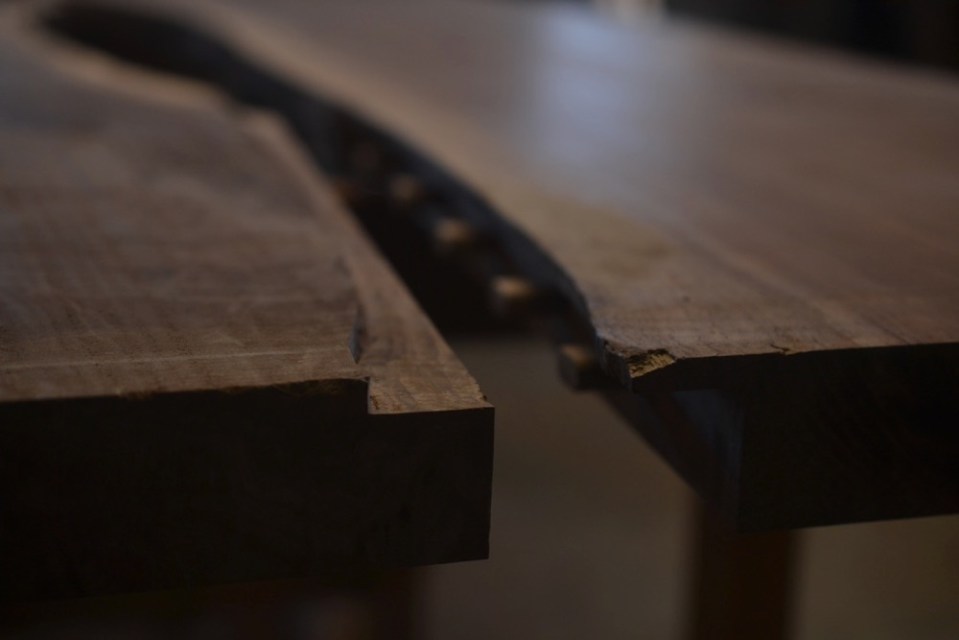
One side of the natural edge was curving away on bottom edge so I had to cut a shallow rebate in order to have a solid joint as well as cleanly scribed edge. This edge was reinforced with dominoes. The opposing edge curved towards the bottom edge and could be cut square. For it I made a floating contoured spline from Baltic birch. Assembled dry all is tight and solid.

Finding a way to visualize the elements in a design is an engaging challenge. Krenov spoke of “composing”, and I’ve adopted his method and language -clamping up and mocking up relationships as the process moves forward. I don’t recall if he used tape, but I recently switched from using blue tape to white tape to mask off shapes- the difference is remarkable.
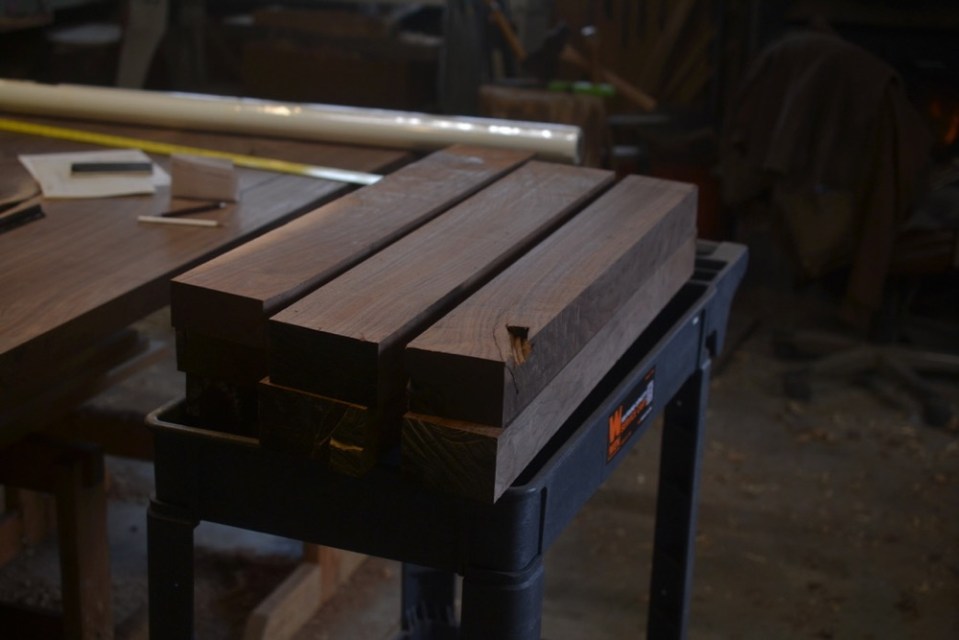
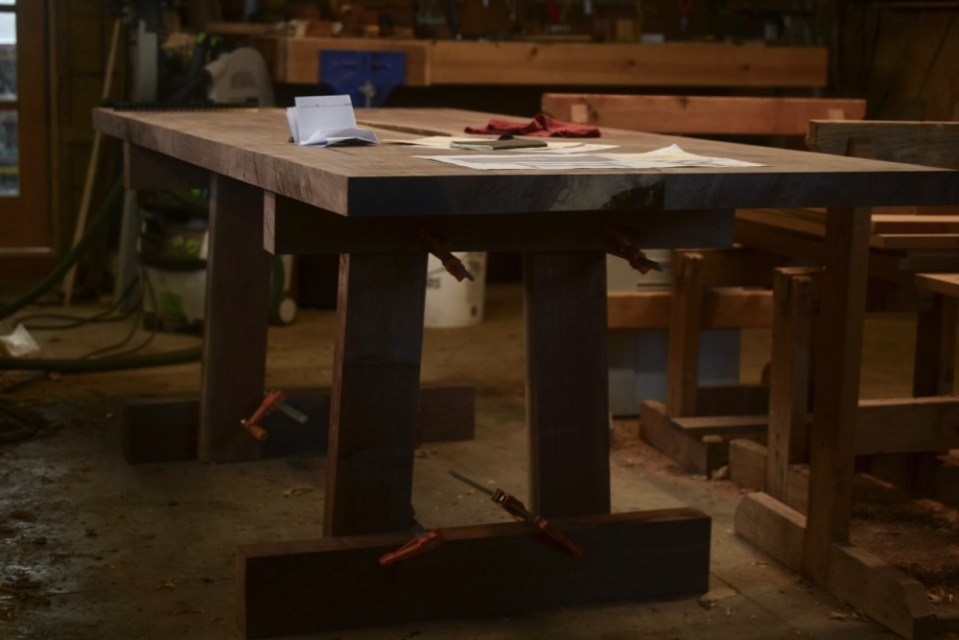

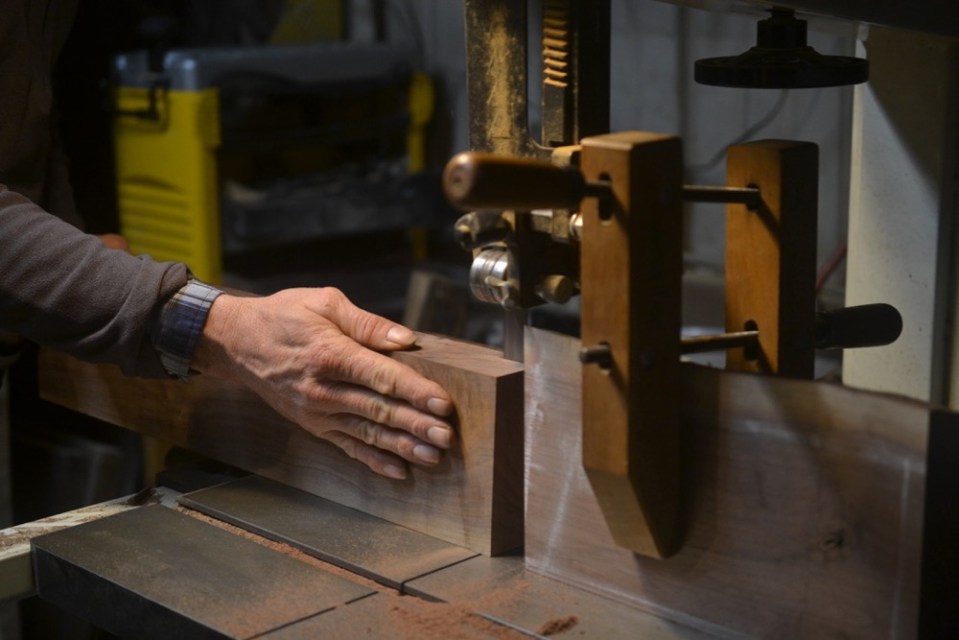
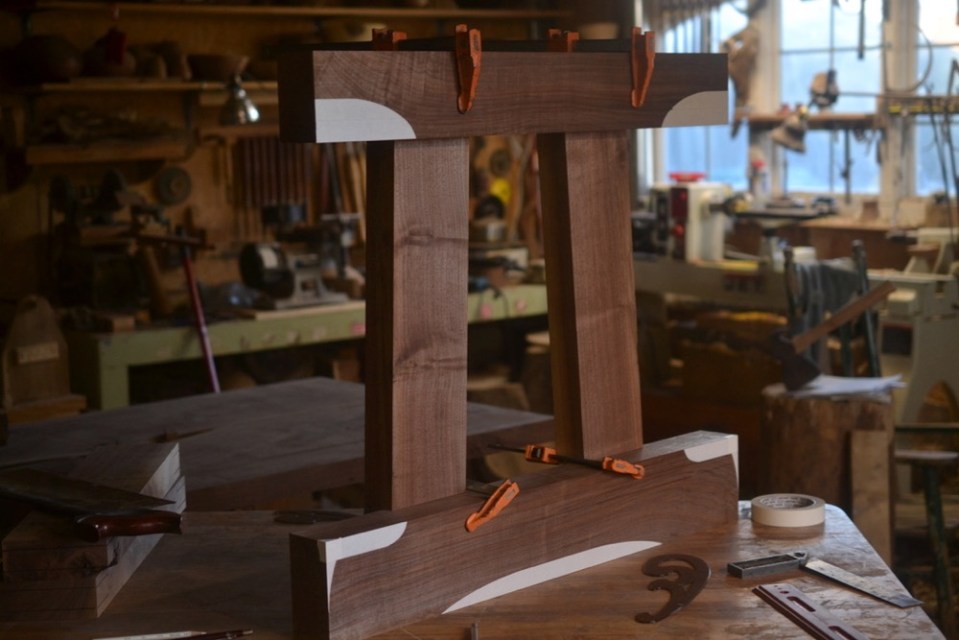

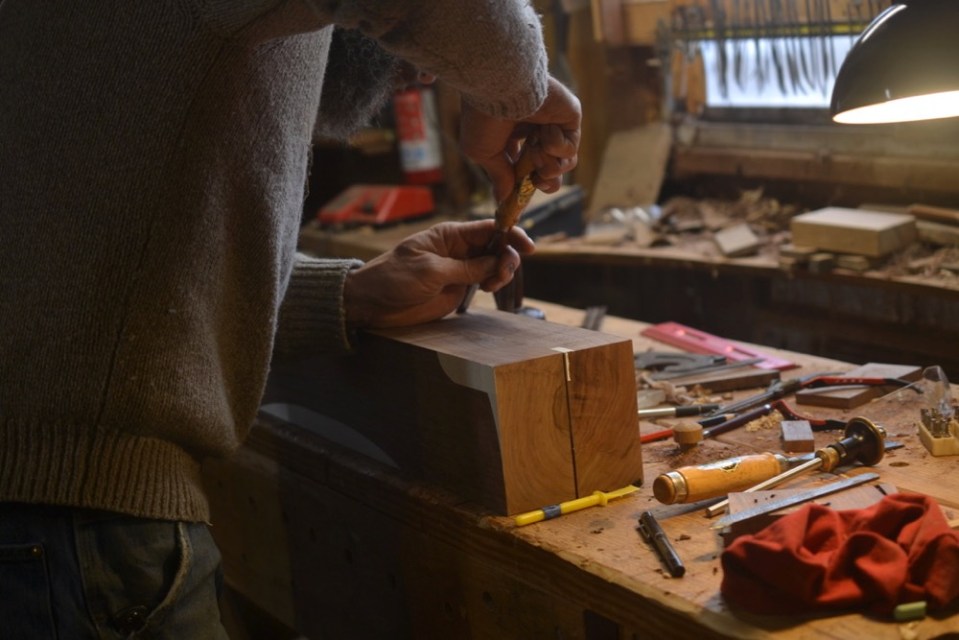
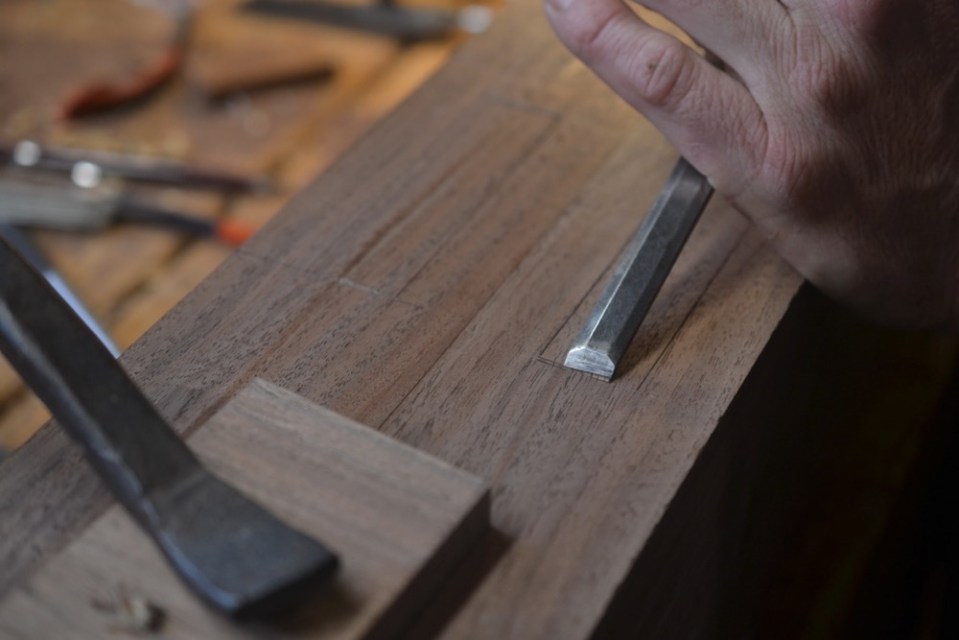
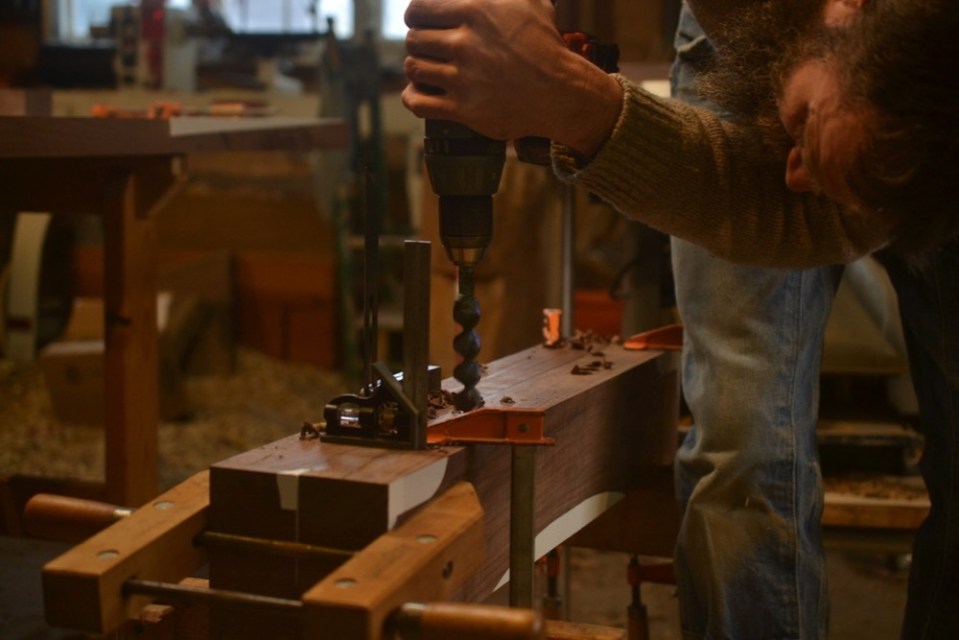
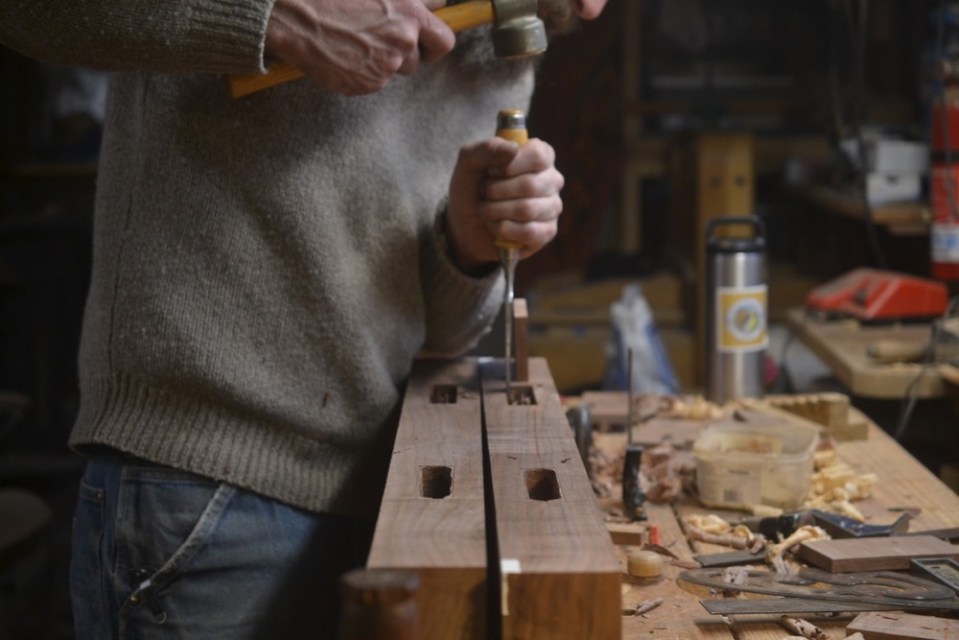
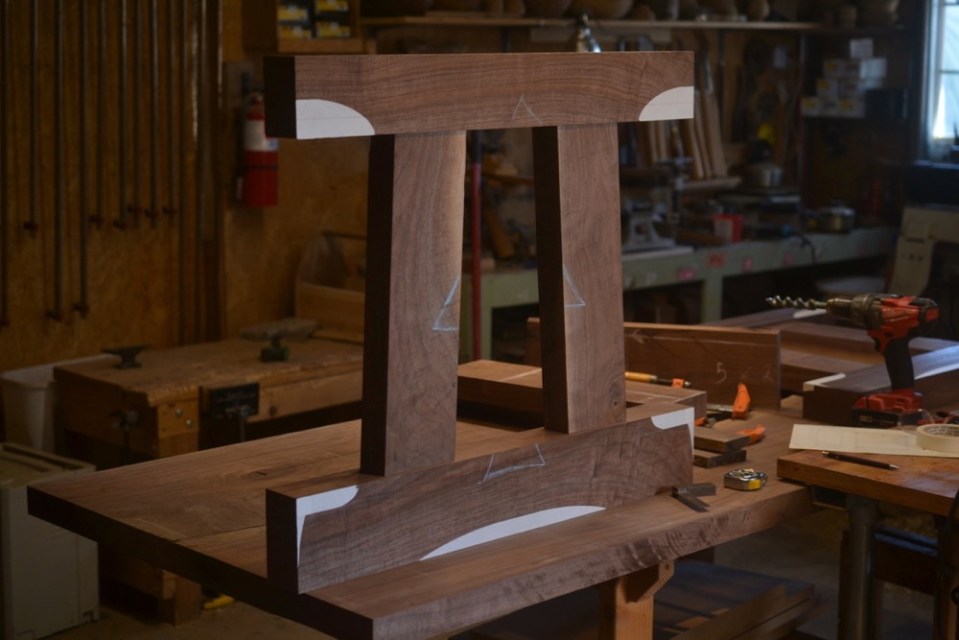
The last bit of joinery for the individual trestles is the horizontal rail completing the “H” form, which will eventually carry the longer rail that will join the two trestles together.
I’m grateful for this job, this material, this process. I heard a song that had a line which proclaimed “I am the record of His grace”.

 The School of the Transfer of Energy