Building an Image

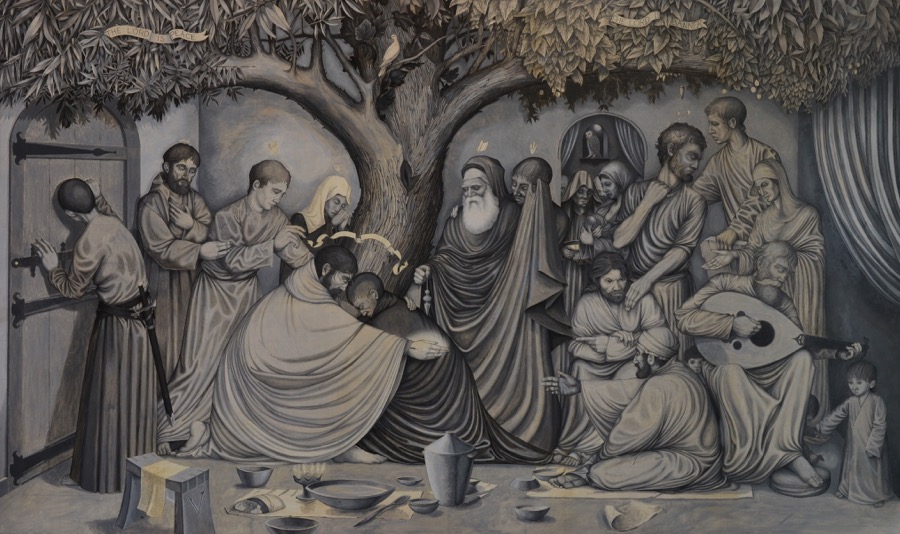
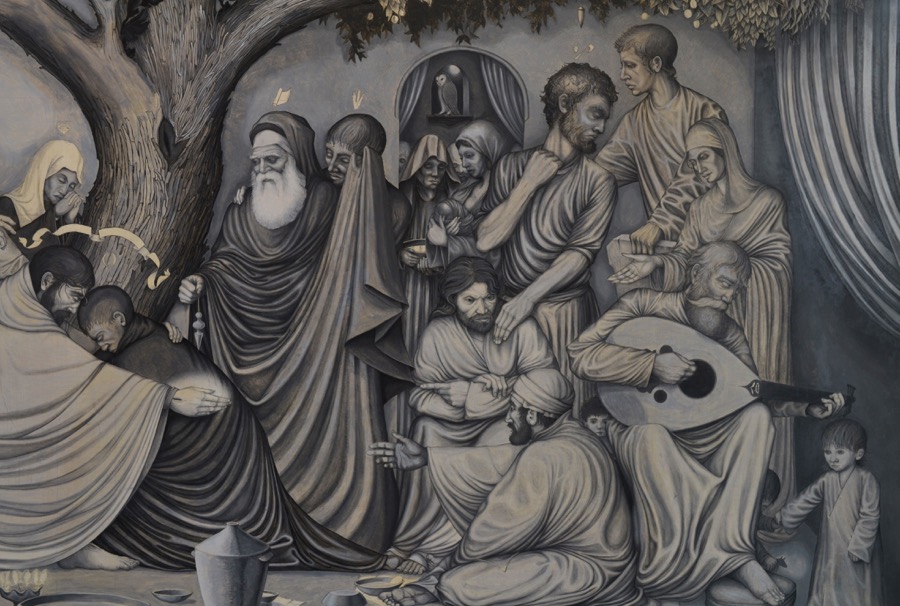
The first glazing layers on Thomas Touching the Side of Christ

figure of Nicodemus from Thomas Touching the Side of Christ

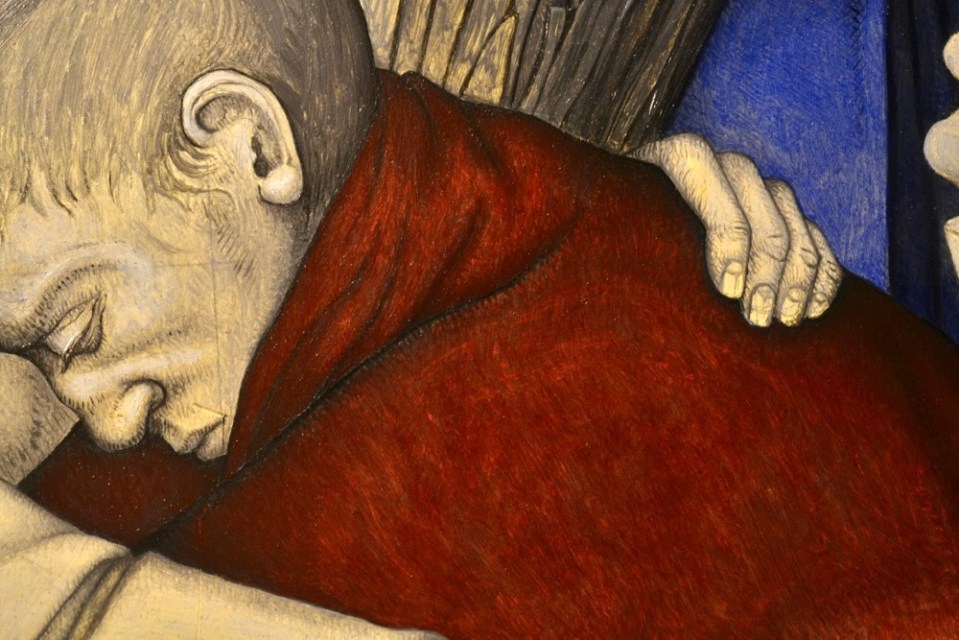
After years of working on the underpainting, this autumn has seen the first  color appear on my painting of Christ and Thomas with all of the disciples gathered in a room together.  I am taking a lot of cues for the colors in this painting from Rogier Van Der Weyden’s famous Descent from the Cross in Madrid’s Prado museum.   
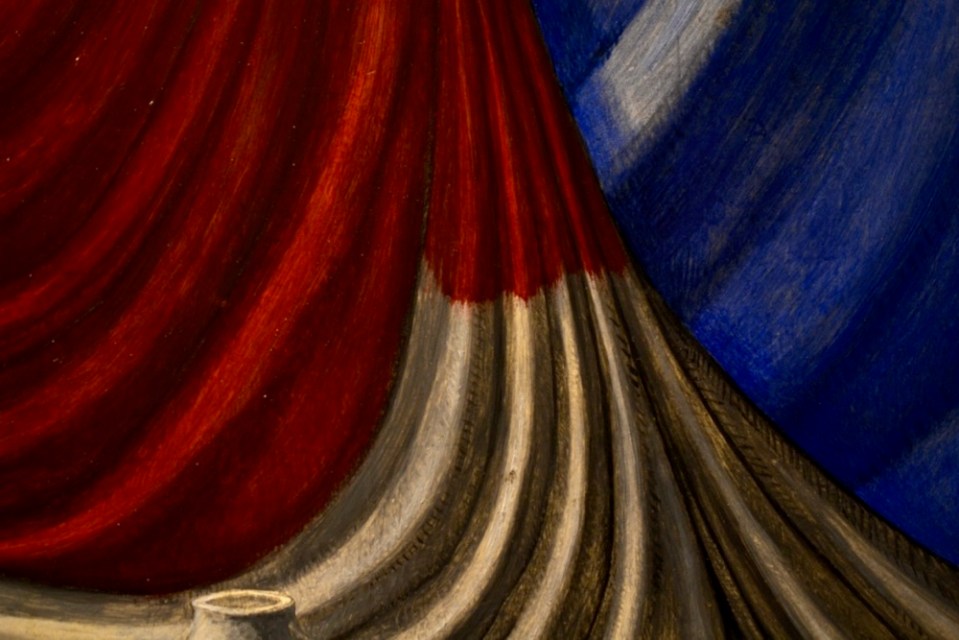
Thomas’ robe in process

It is a clunky and halting phase of the process, trying to use the appropriate colors, and the right medium, and the right balance of medium to paint ratio.  I’ve had to rub out hours of work at a time, when I’ve come back the next morning to realize the color isn’t working.  
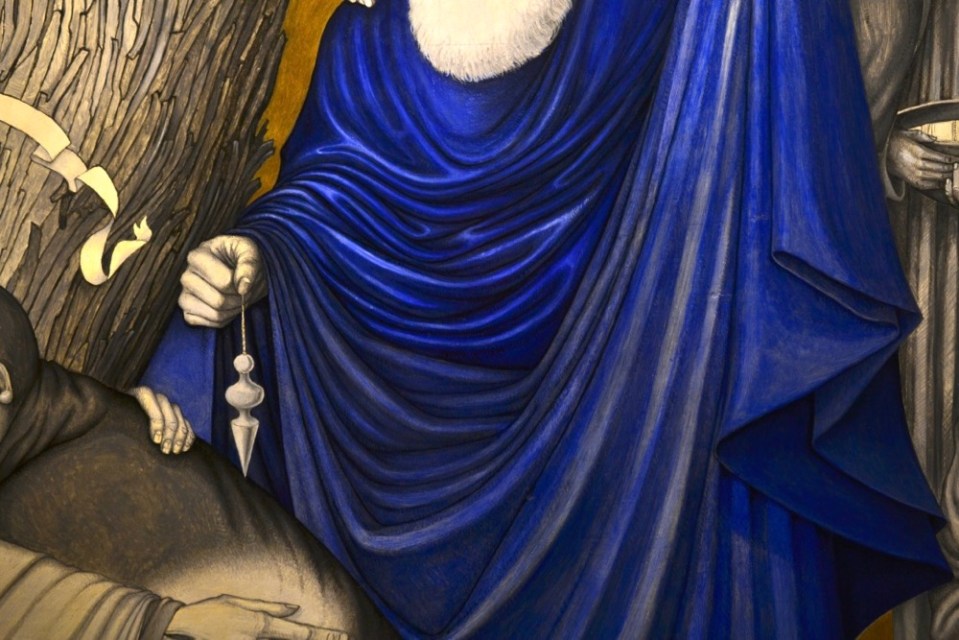
You can see the uneven blotchiness in Nicodemus robe.  This will be resolved with subsequent glazed layers.  

It is tempting to render the layer to a finished state, even though I know there will be subsequent layers.  It is foolish to carry detail too far just yet, and it is difficult to leave certain problems alone until a more appropriate time.  I caught myself over-rendering the blue of Nicodemus’ robe and had to stop myself midway through.
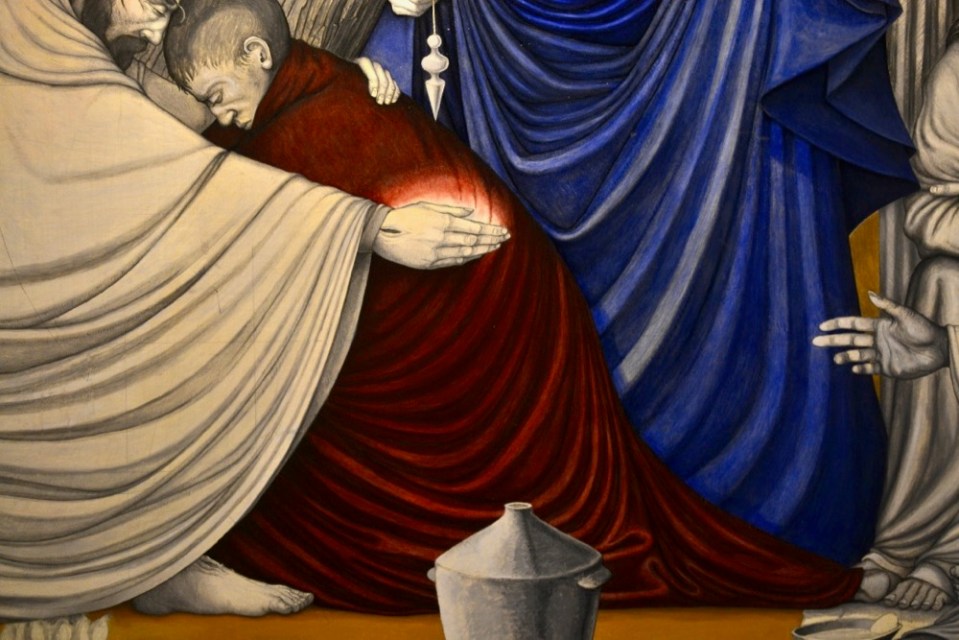
The darkness of the grayscale layer underneath determines a good part of the value of the glazed colors

Glazing takes advantage of the semi-transparent nature of many pigments when mixed with linseed oil as a binder.  By building up multiple thin layers of paint, it is possible to achieve unique and special color and luminosity in a picture, especially in the correct light. 
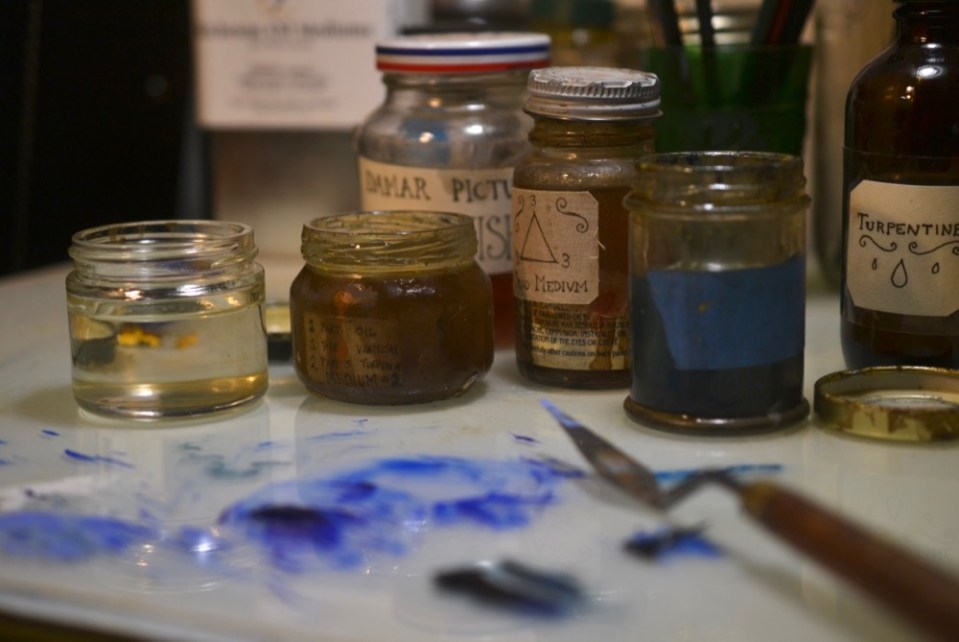
various mediums, and their component parts on the pallet.
Thomas’ garment is a mix of Alizarin Crimson, Quinachradone Red, Burnt Sienna, and Cobalt Green.

This painting is a huge learning experience.  They didn’t teach this sort of thing in art school while I was there, so I am having to work through a lot of discovery and failure, even while taking advantage of the many written treatises on painting throughout the centuries.
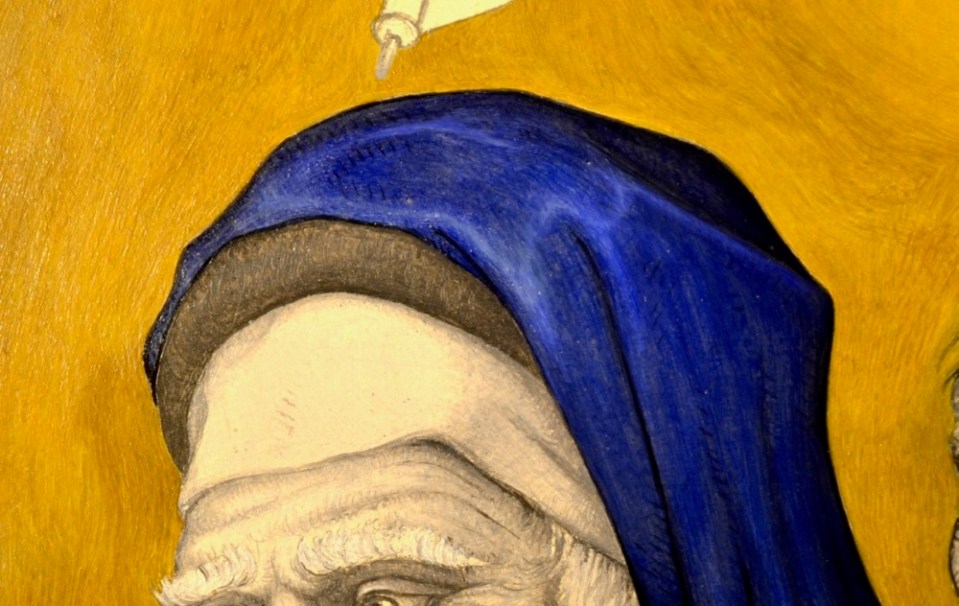
The relationship of the blue and yellow is particularly nice

The Sacred Process

Is labor a sacrament?  The invitation of the Eighth Day?  A sacred collaboration with the living God?  I can’t help but to note that the call to labor in the garden came before the curse of toil.  I am certain that labor is about more than just earning my bread.  There is something deeper there, not just for the artist, but for the ditch digger and the roofer, the farmer and the nurse.  “Whatever you think, it’s more than that…”  ISB.

summer woodwork - 6


summer woodwork - 1

summer woodwork - 2

summer woodwork - 8

summer woodwork - 3

summer woodwork - 4

summer woodwork - 15

summer woodwork - 14

summer woodwork - 12

summer woodwork - 11

summer woodwork - 13

summer woodwork - 5

summer woodwork - 7

summer woodwork - 10

summer woodwork - 9

summer woodwork - 19

summer woodwork - 20

summer woodwork - 21

summer woodwork - 22

summer woodwork - 24

summer woodwork - 23

summer woodwork - 26

summer woodwork - 25

summer woodwork - 27

summer woodwork - 29

summer woodwork - 28

summer woodwork - 17

summer woodwork - 16

summer woodwork - 35

summer woodwork - 18

summer woodwork - 30

summer woodwork - 32

summer woodwork - 31

summer woodwork - 33

summer woodwork - 34

Mule Resophonic Witness

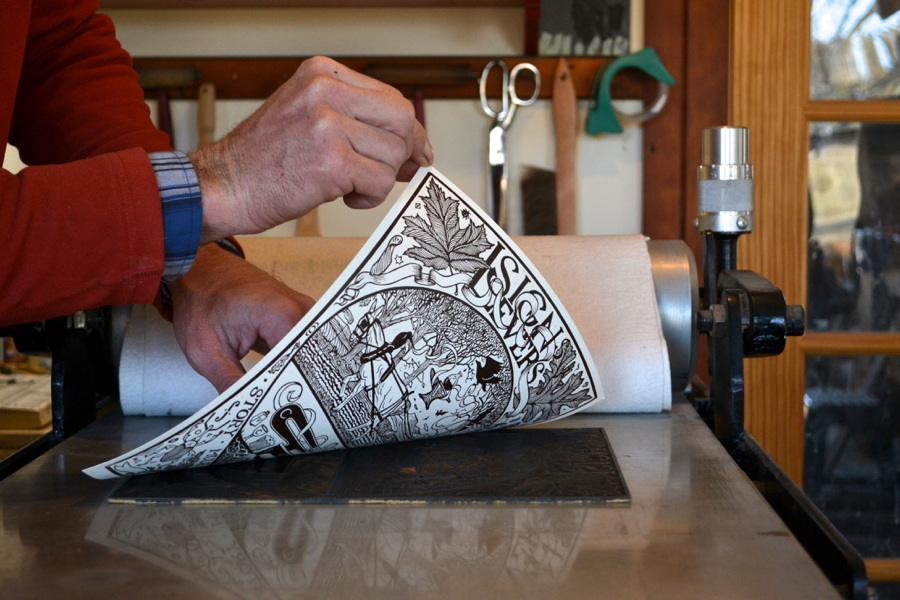
I recently completed work on the handmade certificate of authenticity for Mule Resophonic Guitars, shipping him the first Batch this past week.  I hope you enjoy the finished piece and a few photos of the printing process.

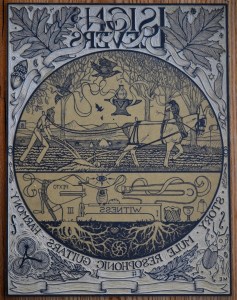
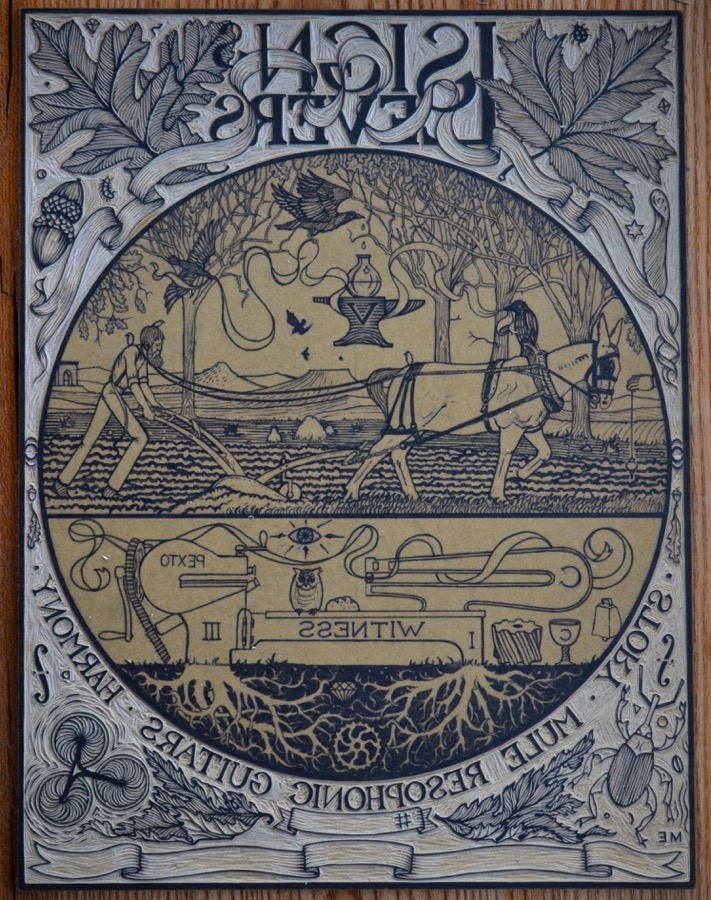
Mule Resophonic Witness, 2018 linocut, printed with sepia ink on French’s paper

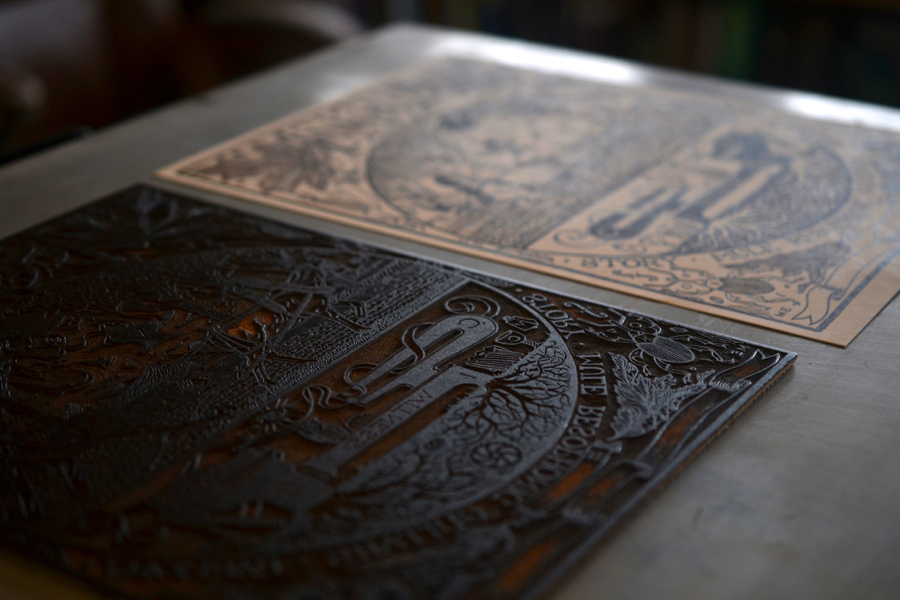
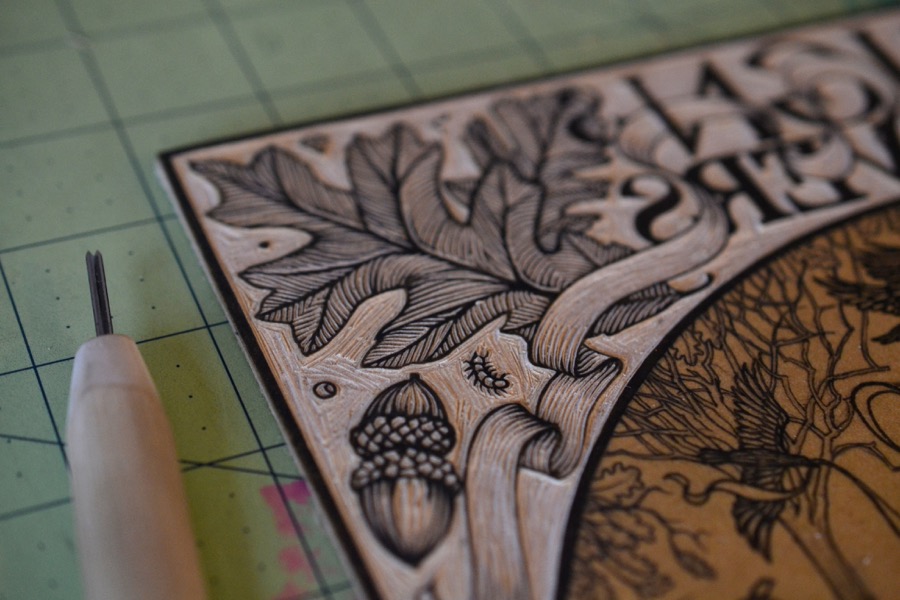
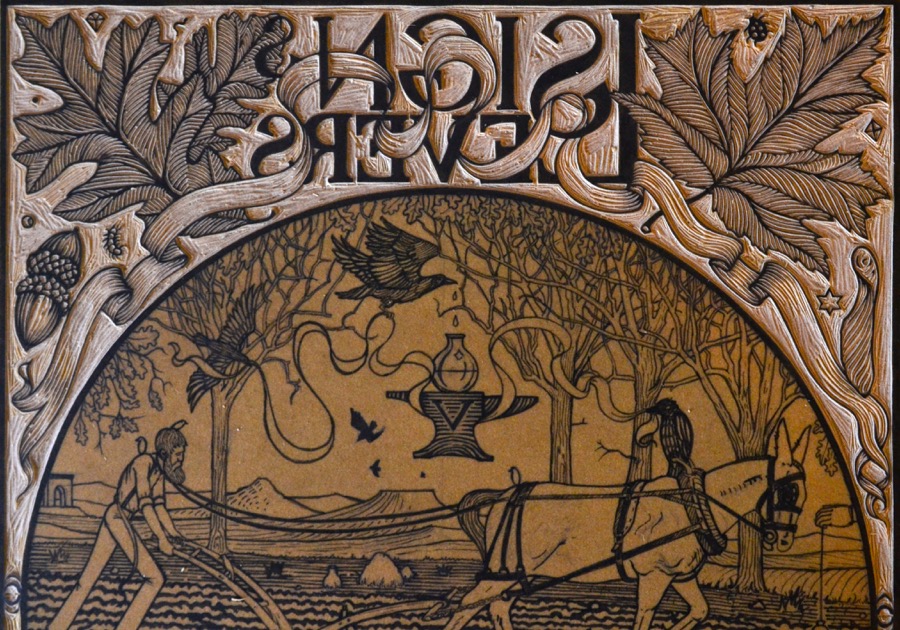
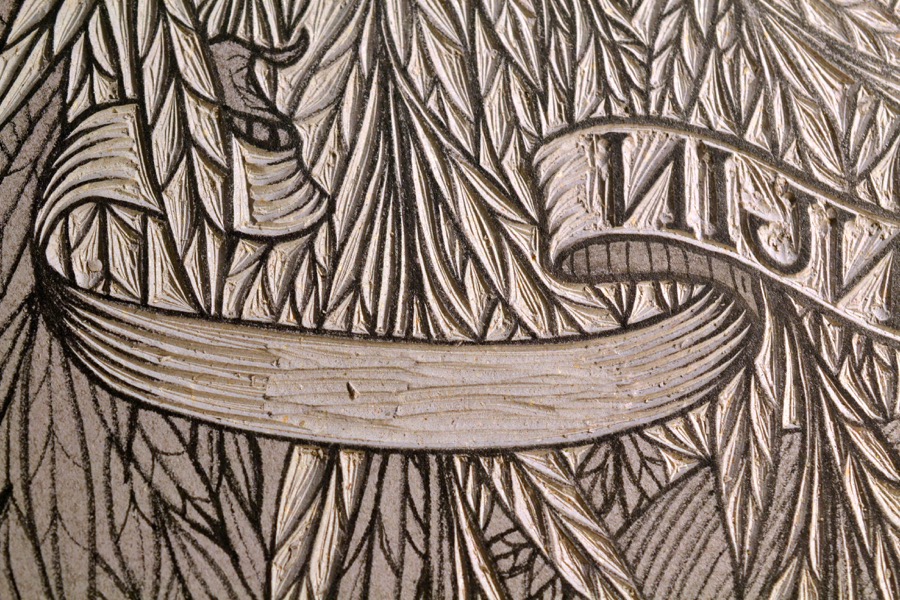
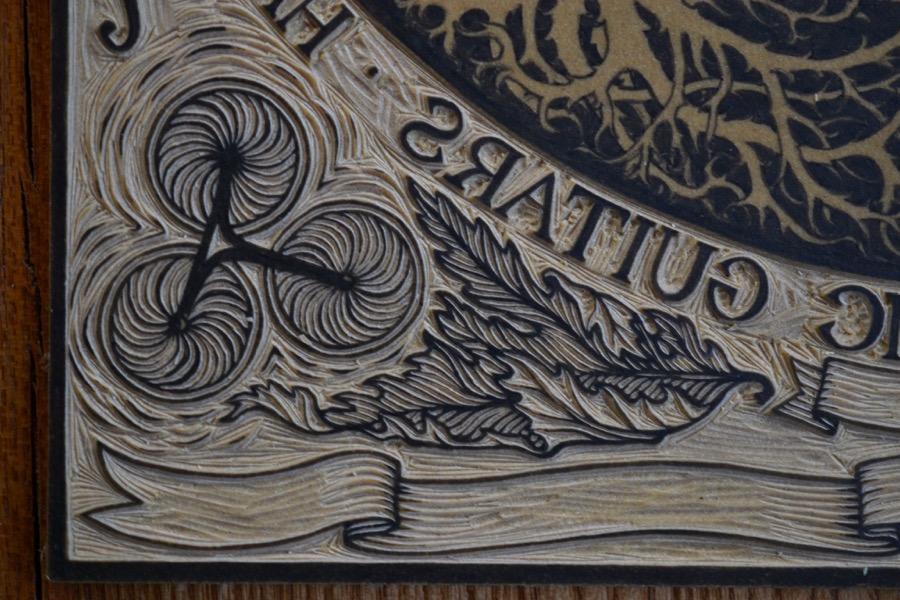
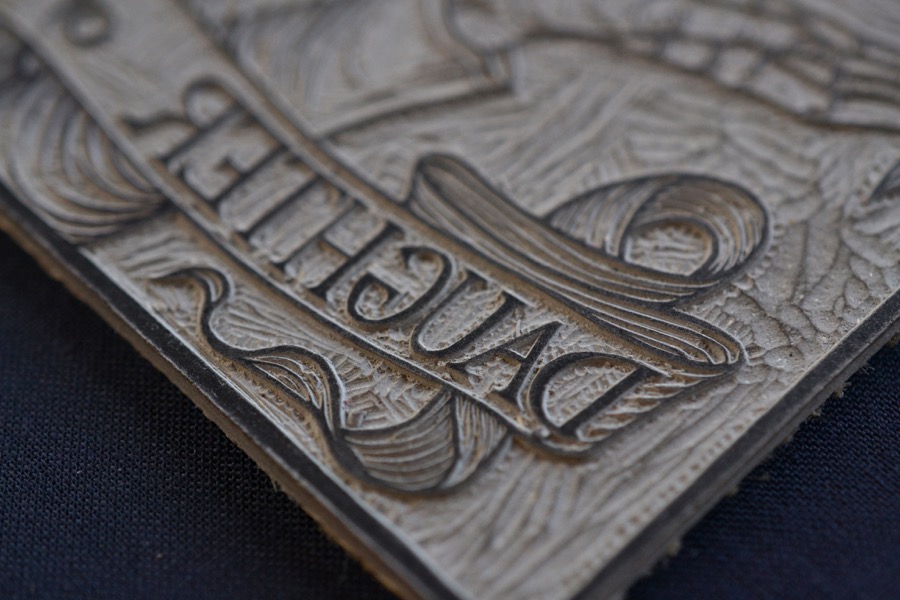
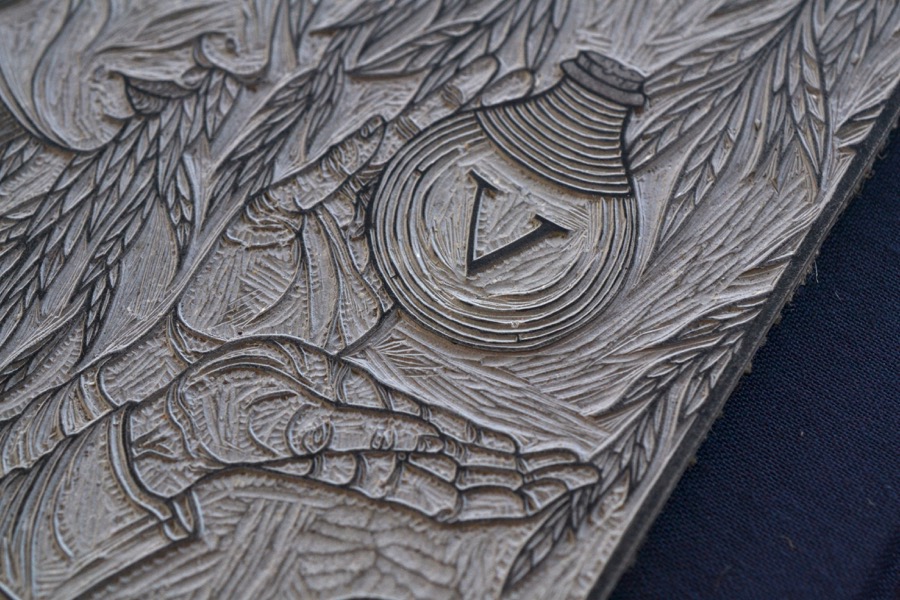
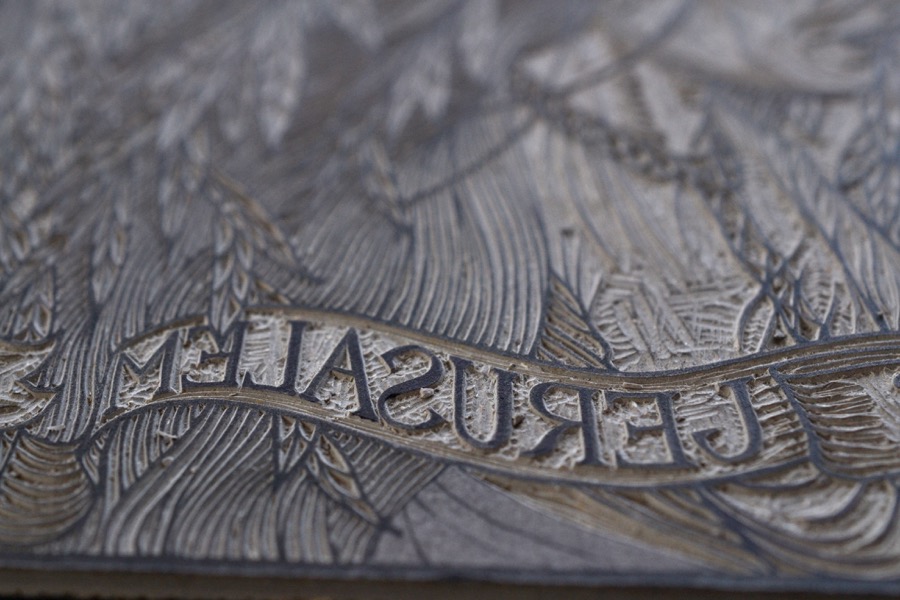
The block after numerous printings becomes a beautiful object.

The first batch of prints sent off to Matt Eich, now to be included with every guitar he and his team build, including the name of the customer and the number of the guitar written in the banners at the bottom of the print.

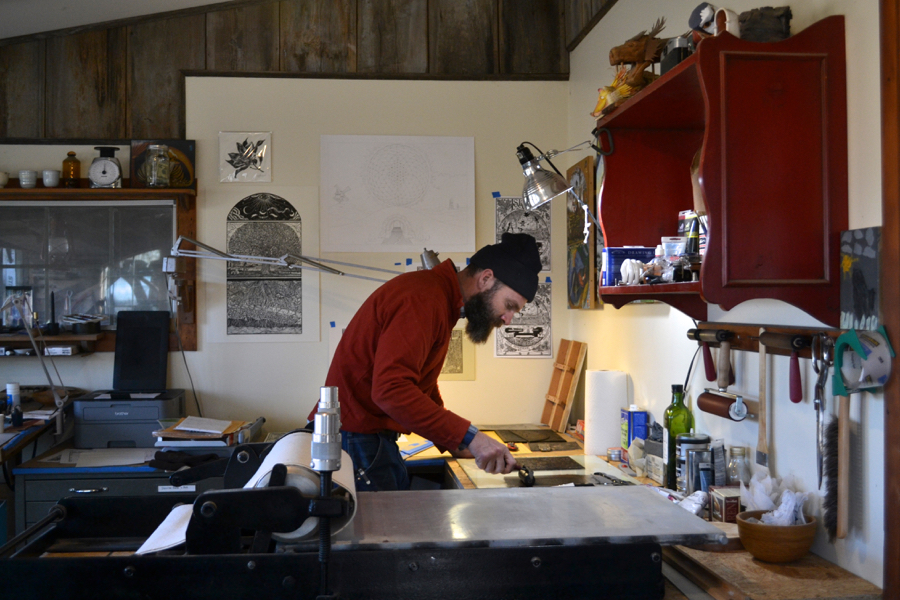
inking the block

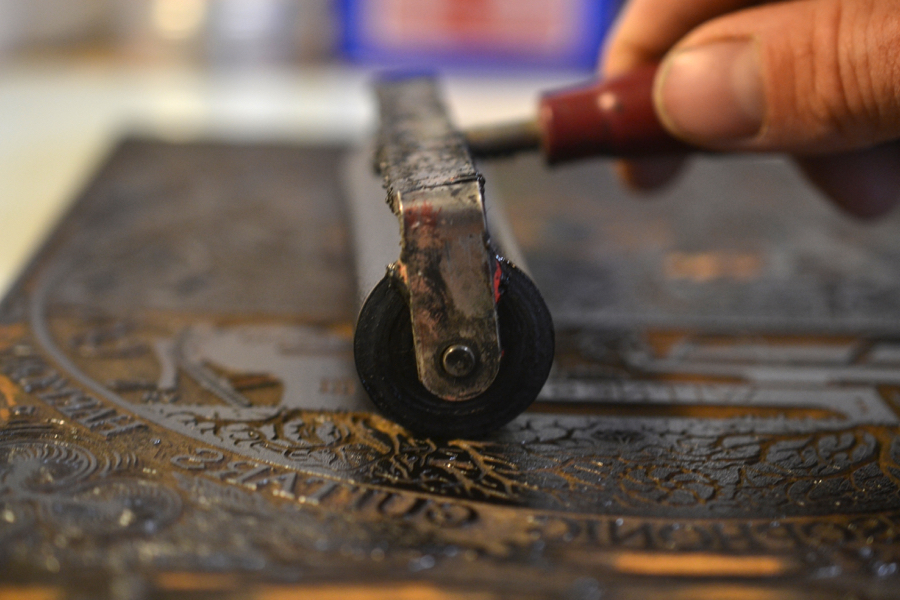
Tthe trusty and bespattered 4″ speedball brayer.

A detail of the inked block.

Registering the paper on the block and press bed using a simple jig.

The delicate task of lifting the print from the block post printing.

print and block side by side

Examining the proof for flaws

The much reworked original drawing of the design.

The Rich Story of Carved Lines

Usually the prints I make are deeply personal illustrations of my heart, vision and journey.  From the early days printmaking has been, to me, a form of prayer, offering up to the Father layers of concern and expression of things I do not often fully comprehend.  Within that context is a platform to explore the visualization of spiritual concepts, revelations and principles- basically a blundering effort to make the unseen seen on some level.  I wonder that I am taken up with making a “graven image”  and how that settles with the second commandment (Exodus 20 verse 4 if you are interested).  Hopefully, what I am making are objects that are doors or windows that might lead one into worship, certainly they are far from worshipful in themselves.  I take comfort that the Merciful One will ultimately be the judge of my heart on this one.

These images here, are a divergence in a way, in that, they are the mixture of my expression and visual language with the story and purpose of two other entities.  The first of those is Matt Eich of Mule Resophonic GuitarsHe has been building these beautifully crafted and, by all accounts, almost magically sounding guitars for five years now.  The resulting print will be the certificate of authenticity that will be presented with every instrument that he sells.  Matt is passionate about story and building rich relationships with his customers, and he invests personal expression into every instrument.  His sense of story has been woven together with mine here, I hope.
On a technical level, I am always in an attempt to push myself past where I was before in my work. It may only be in a way that is visible to my own eye. With printmaking I compose a design and I wonder if I will be able to pull it off- if the level of detail will translate as a small mammal, or a vine, or a bird- or just a confused tangle of ink. Many times it has resulted in the confused tangle. This print for Matt has tons of this risk built into the design, and I think his spirit has elevated me, because I somehow feel a door has been unlocked.  Of course, I really won’t know until the ink hits the paper- but there is hope that these tiny branches will be able to speak.

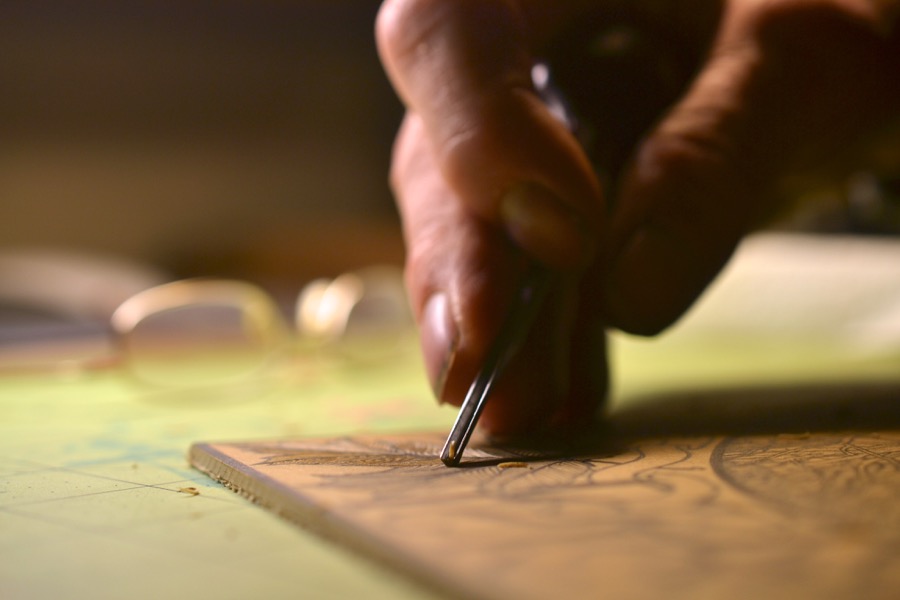
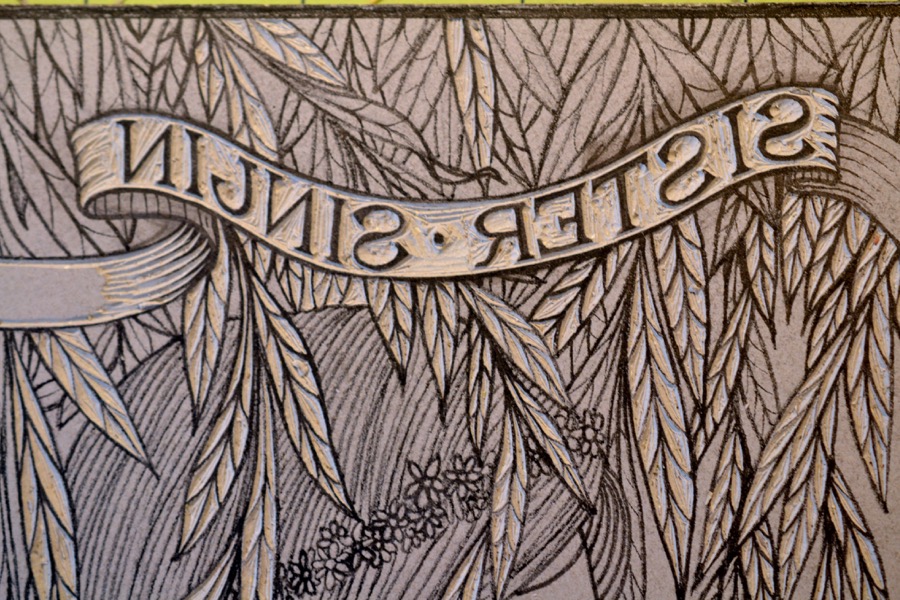
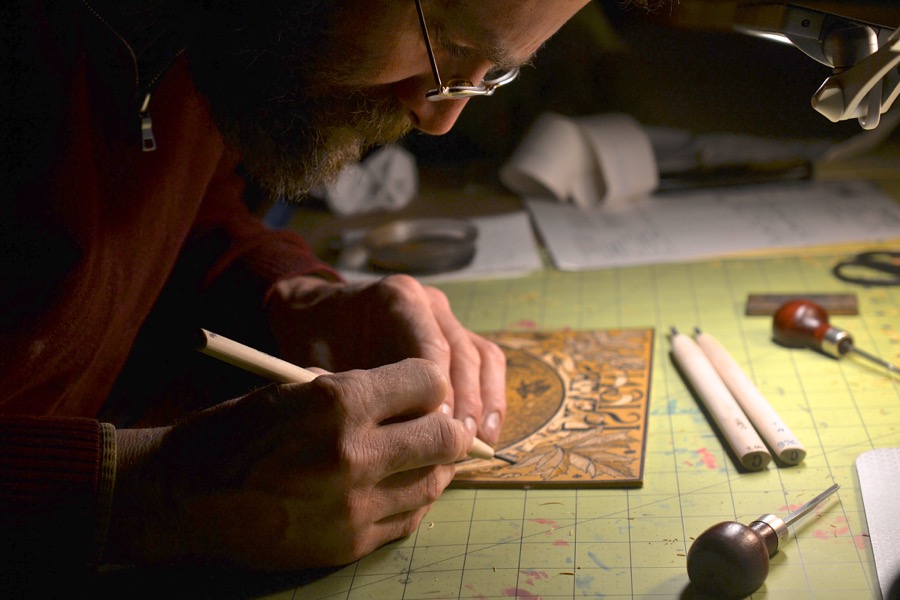
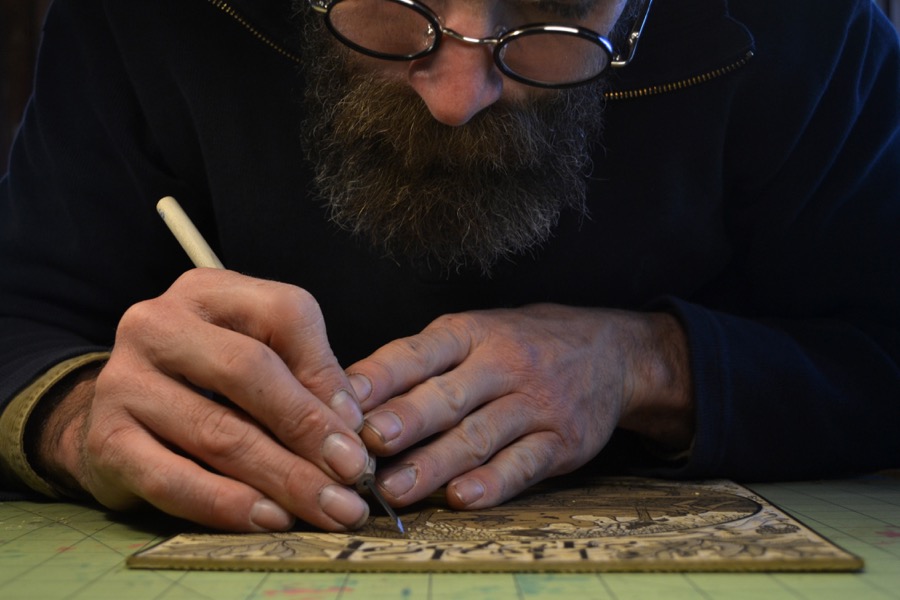
The second entity is the musical trio Sister Sinjin.  My good friend Elizabeth Duffy is part of this group of women who sing devotedly to the glory and love of God.  This image from this block will become the cover art for their upcoming record.  The contemplative spirit of their music really seems to offer a counterpoint to the industrious detail of the print I’m making for Matt.  I’ve noticed and appreciated the contrast as I have been working back and forth between these two blocks.  The quite offering of the woman and the persistent labor of the plowman.  Both have offered a lot of opportunity to grow and develop and express, and I am grateful.  There are many photographs of the carving process below, which is still underway in both cases, though I am nearly done with the Sister Sinjin block.
A Profile in Plough Quarterly

My family and our work were humbled to be featured in the most recent edition of Plough Quarterly.  There is a profile by Susannah Black, and a feature on Go On: Inner Man Version, an altarpiece I made back in 2003, and also an excerpt of my responses to some questions about our lifestyle, called Farming the Universe.  If you choose to take the time to read some or all of them, I sincerely hope that you enjoy them.

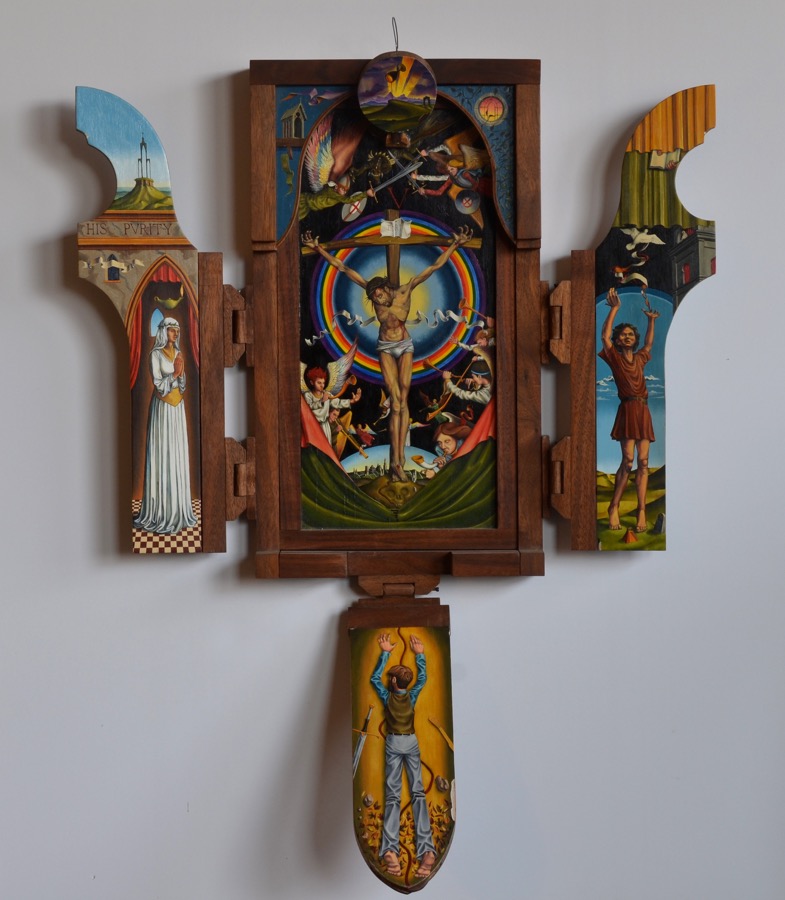
Go On, Inner Man Version, 2003, oil on wood panel, closed position

Go On, Inner Man Version, 2003, oil on wood panel, open position


Thomas and Jesus

Underpainting Complete!

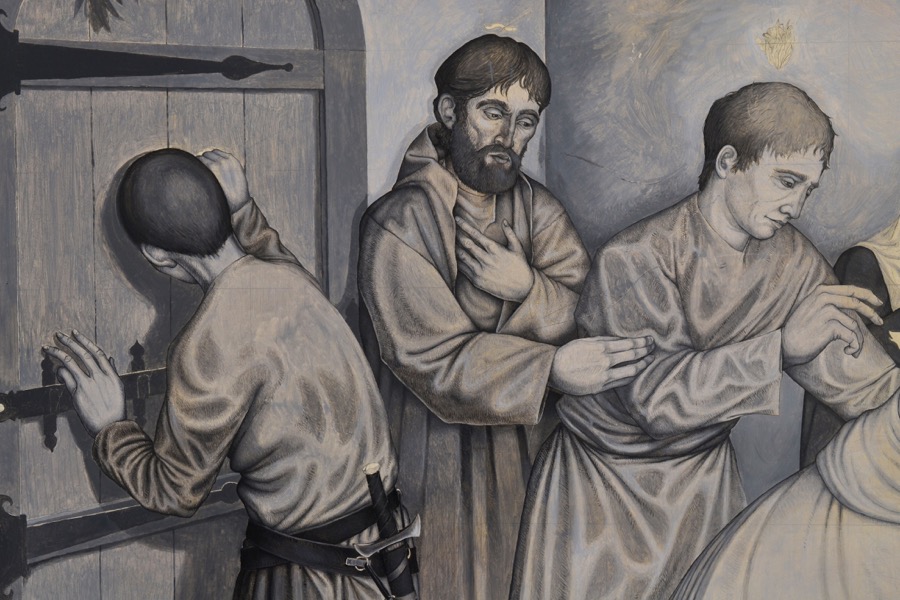
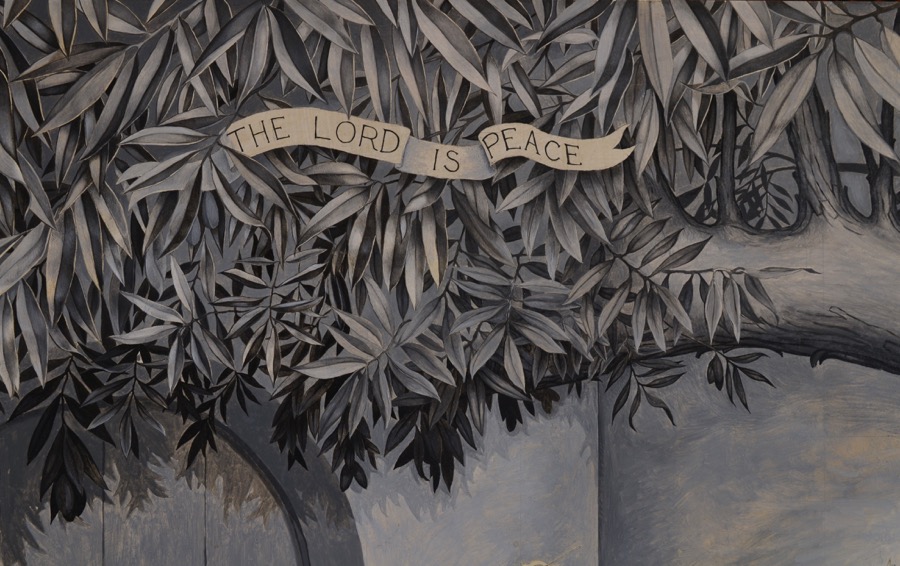
The grisaille underpainting of Thomas and Jesus, et all is finally to a point where I feel ready to begin applying glazes of color.  After 6 years of work I thought I should take some decent photos of the whole thing before the next phase.  Thank you for watching.

The Benthic Vessel

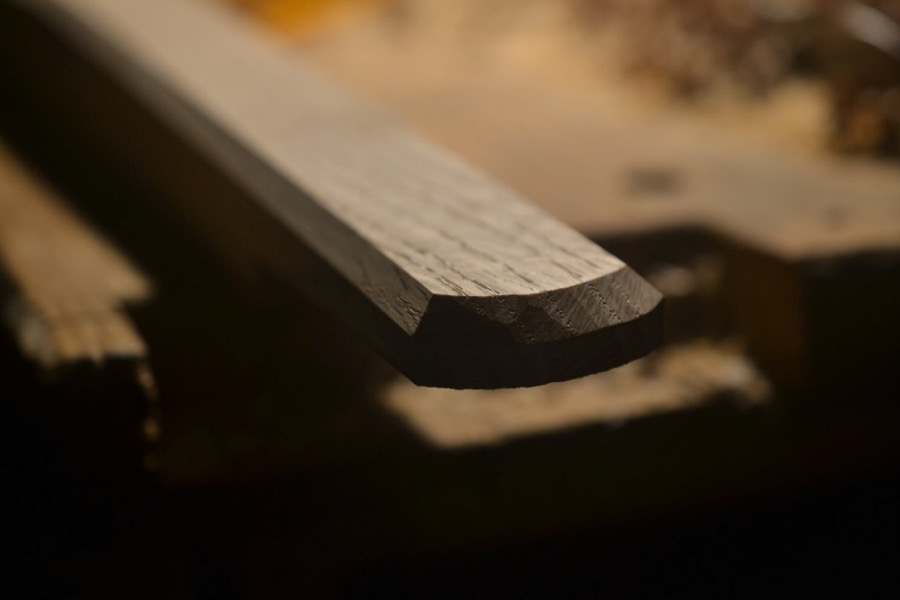
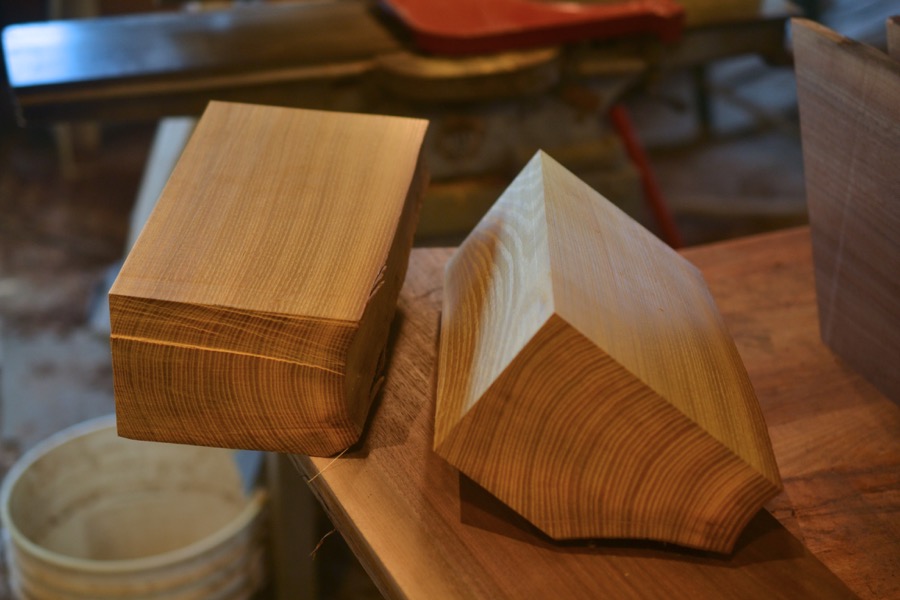
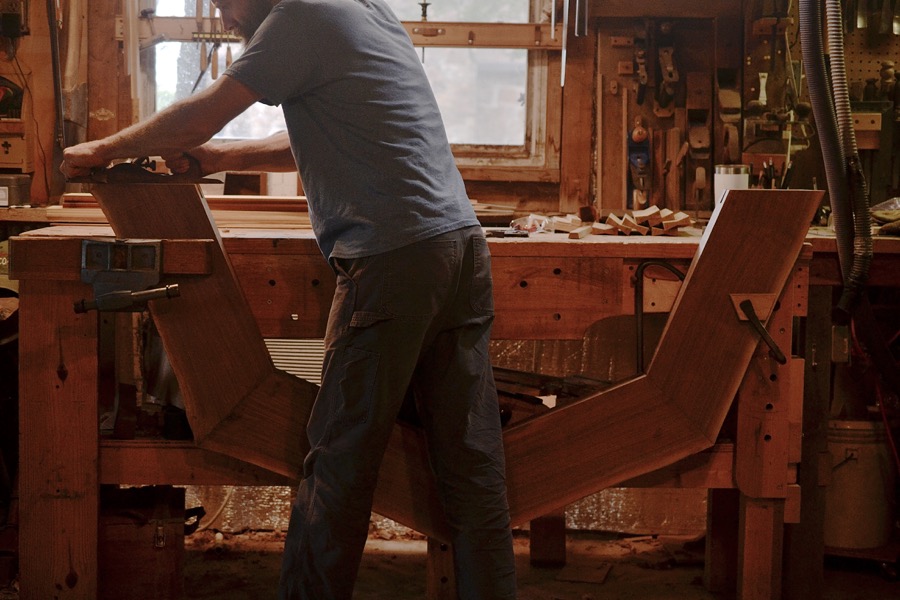
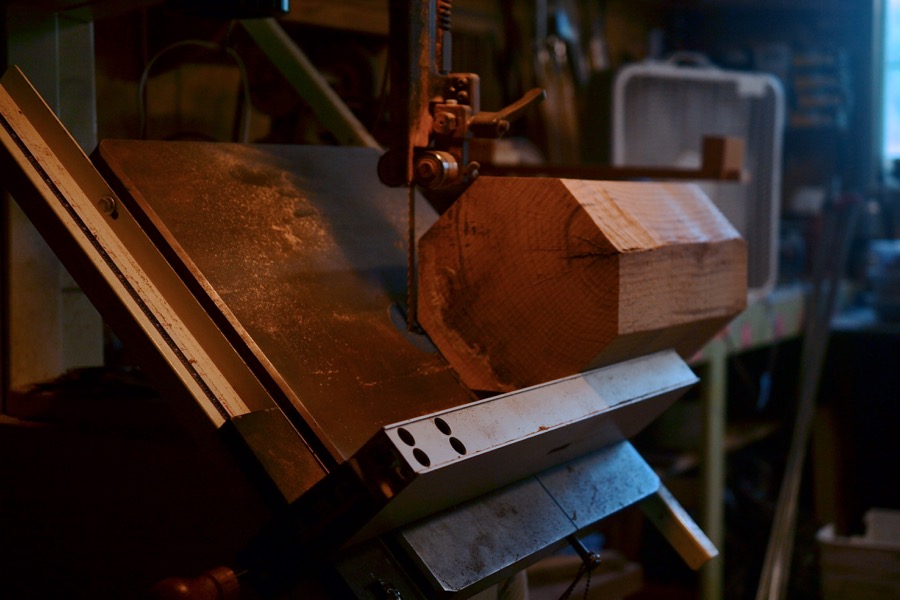
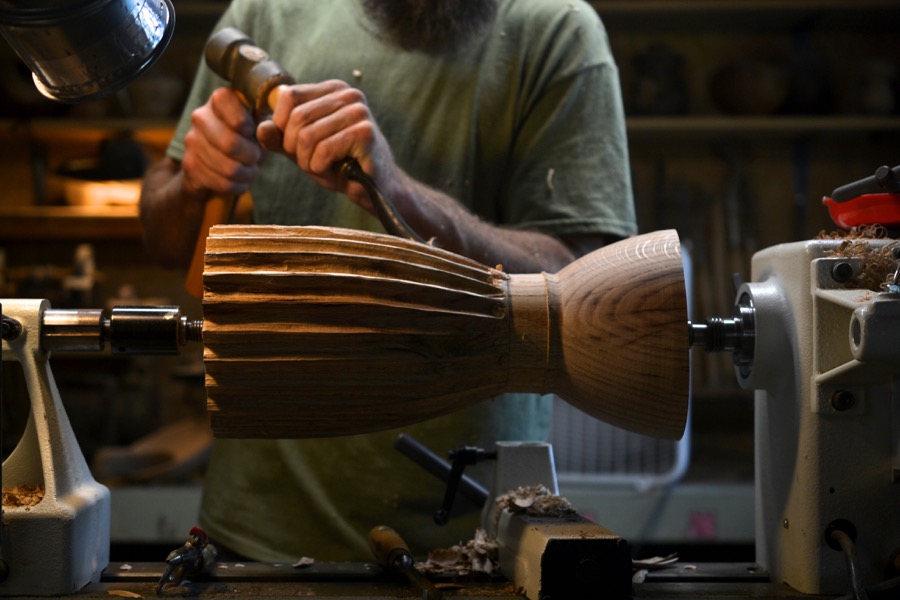
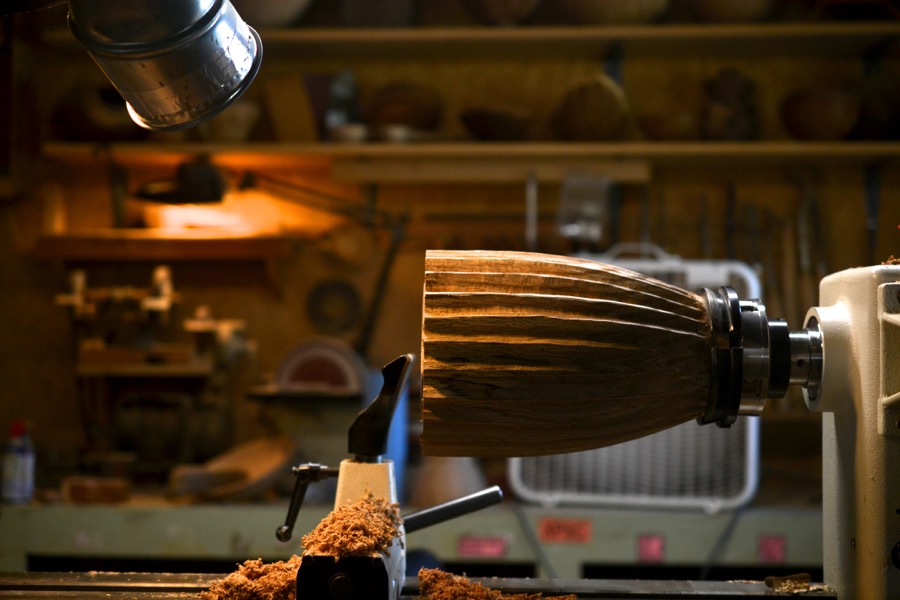
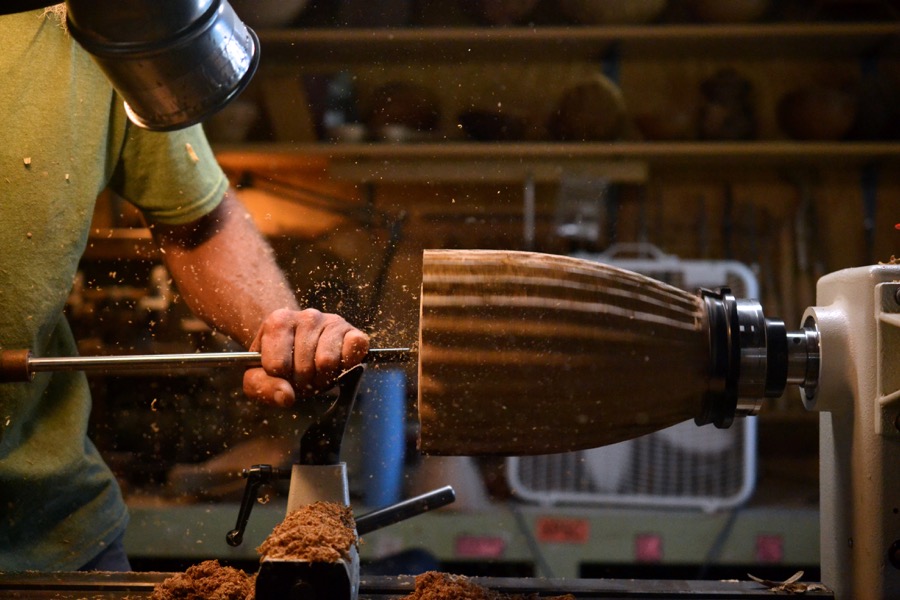
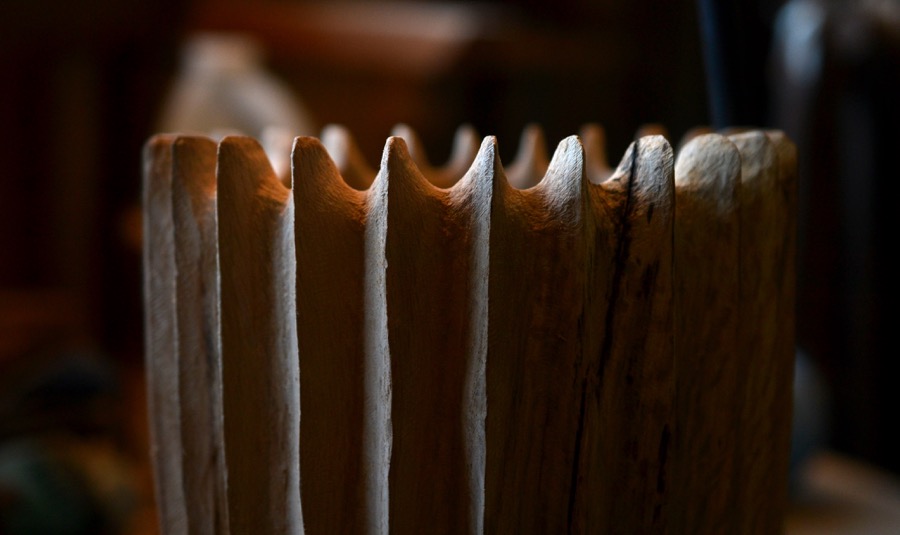
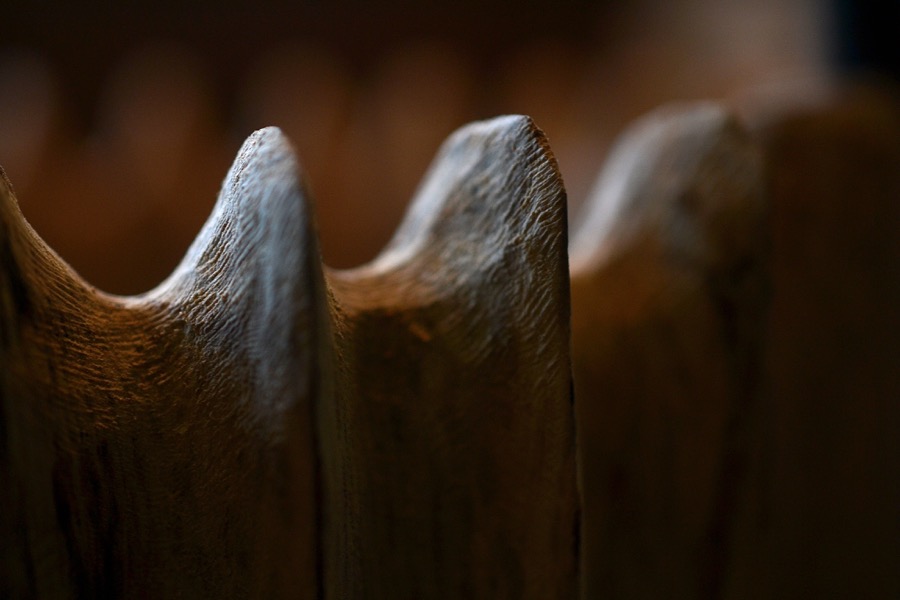
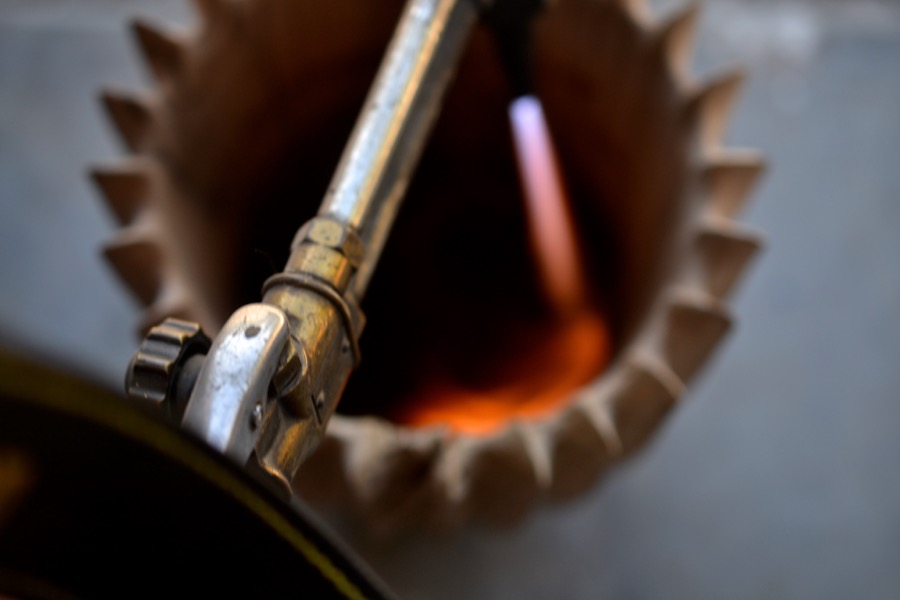
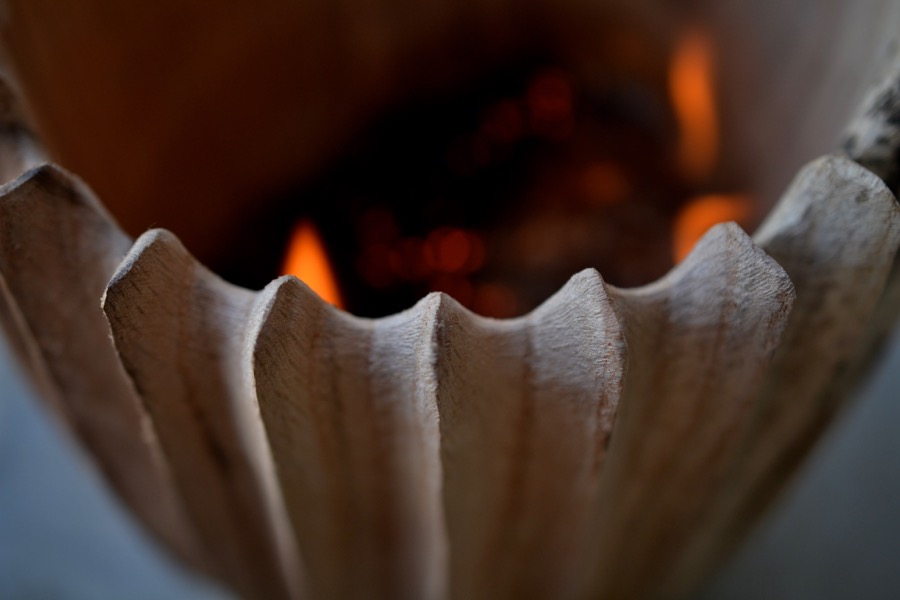
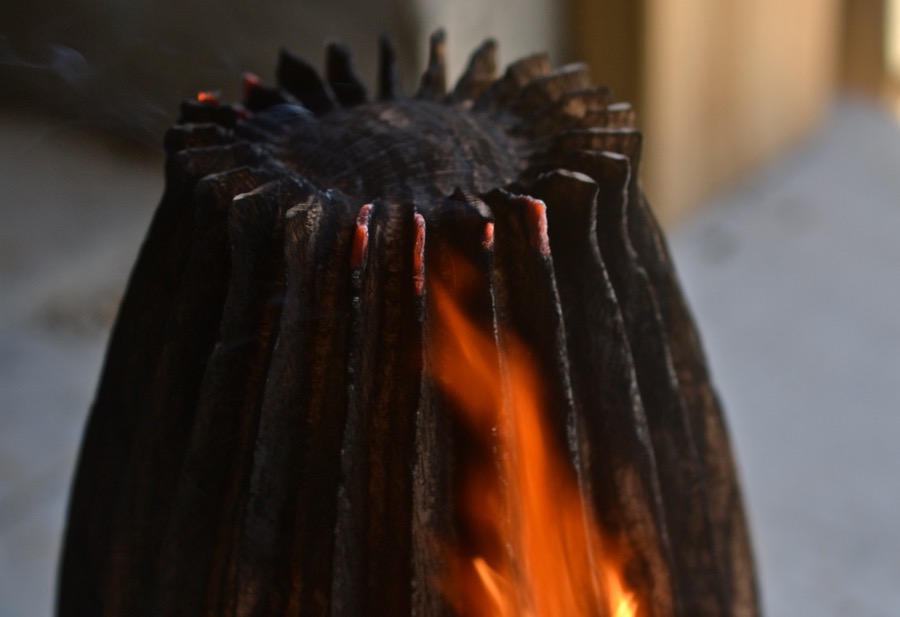
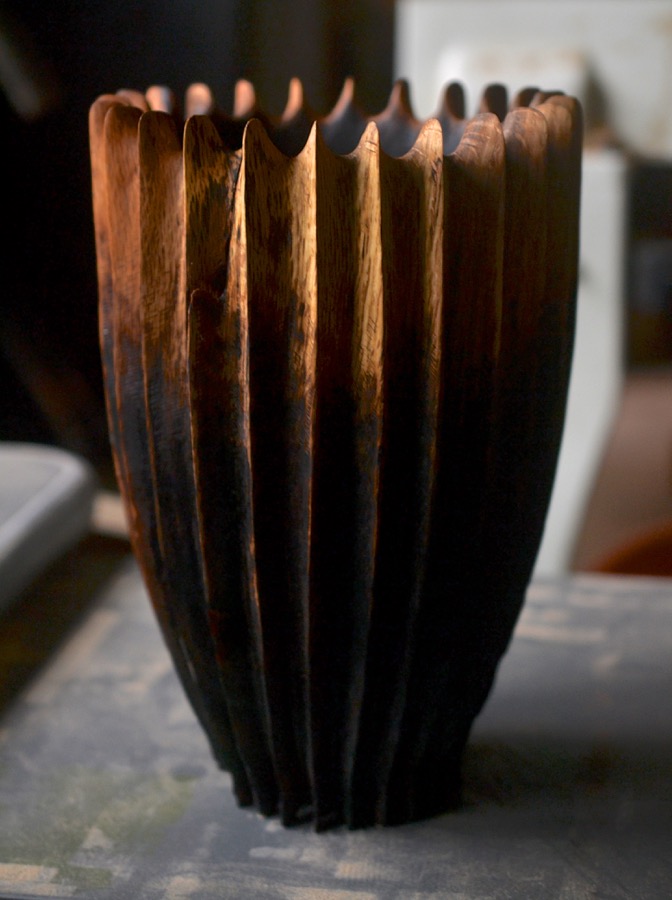
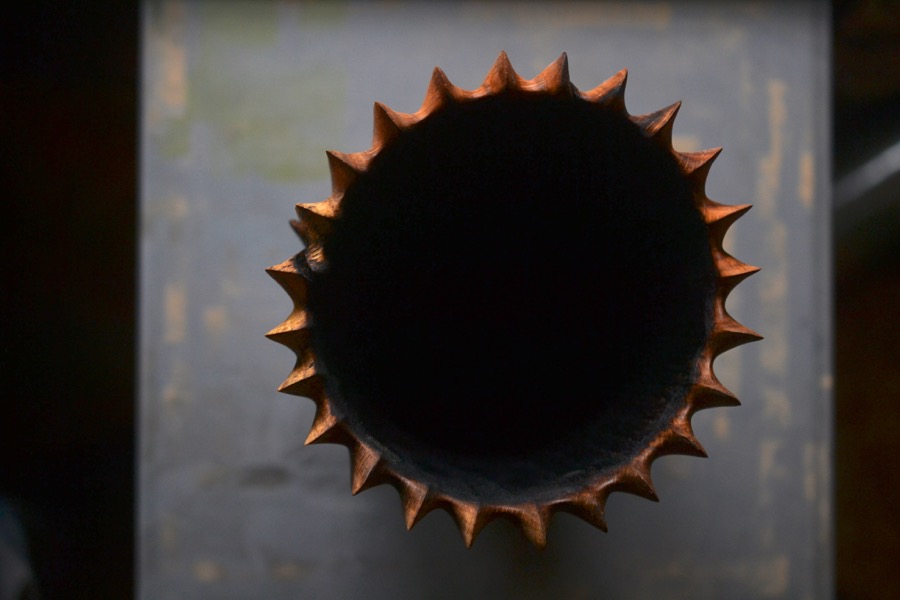
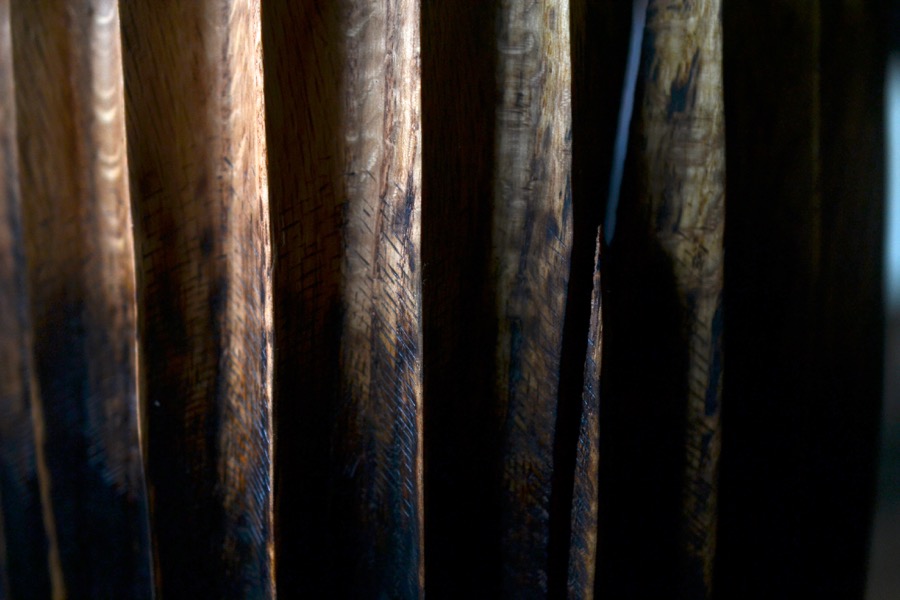
Benthic:  of, relating to, or occurring in the depths of the ocean (from Merriam-Webster).  So dubbed by my friend, Tom, this form is known as The Benthic Vessel (in red oak).  No one is sure whether they like it or not at first, including me.

Crosstimber Tables

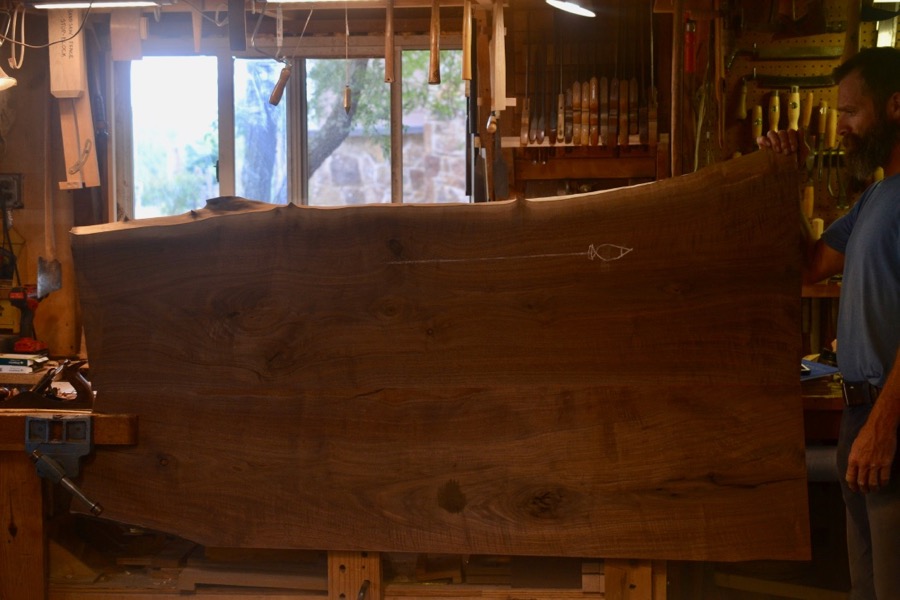
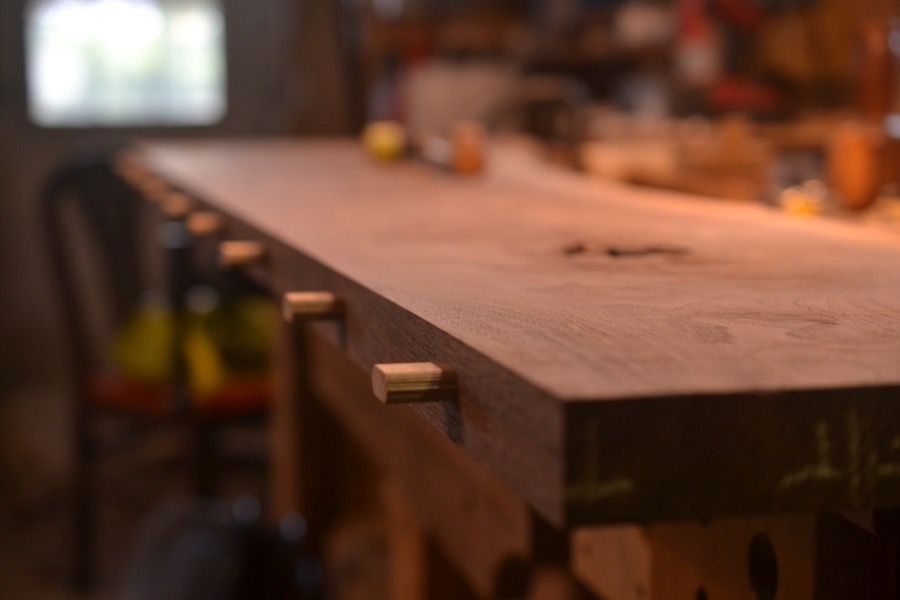
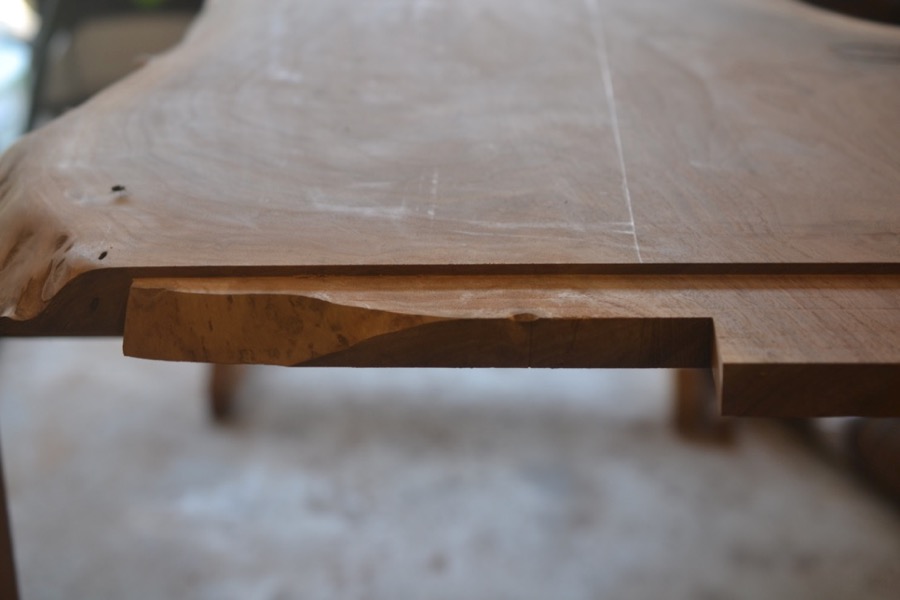
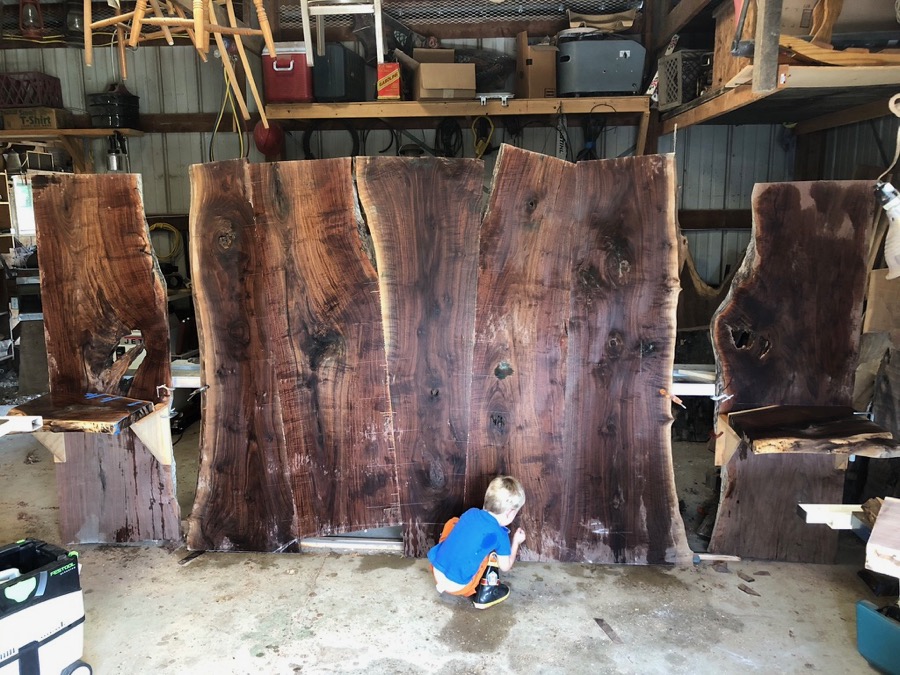
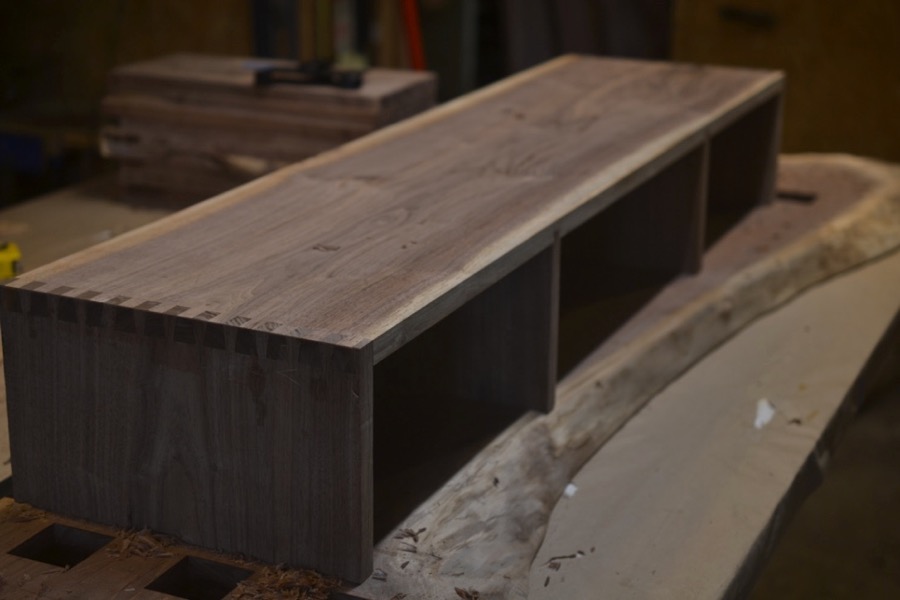
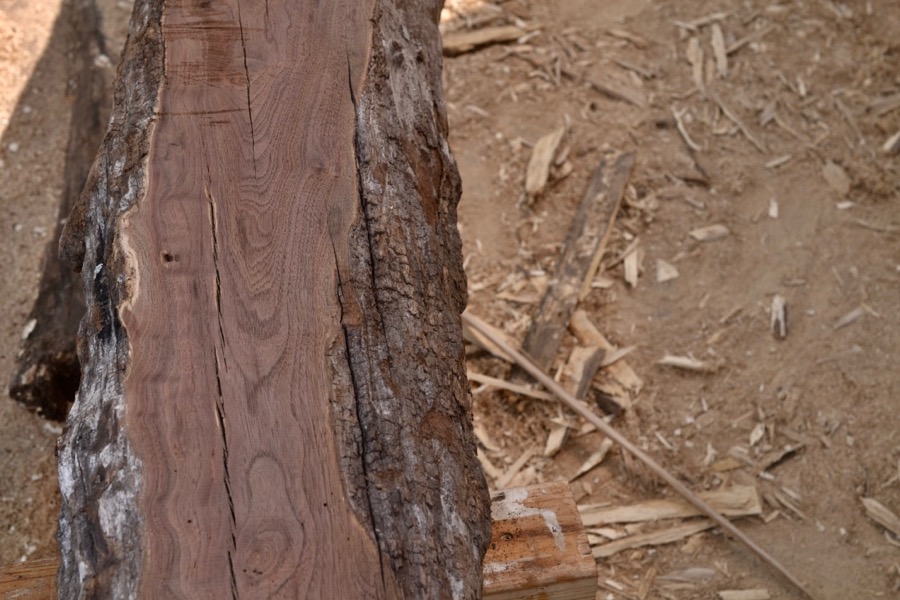
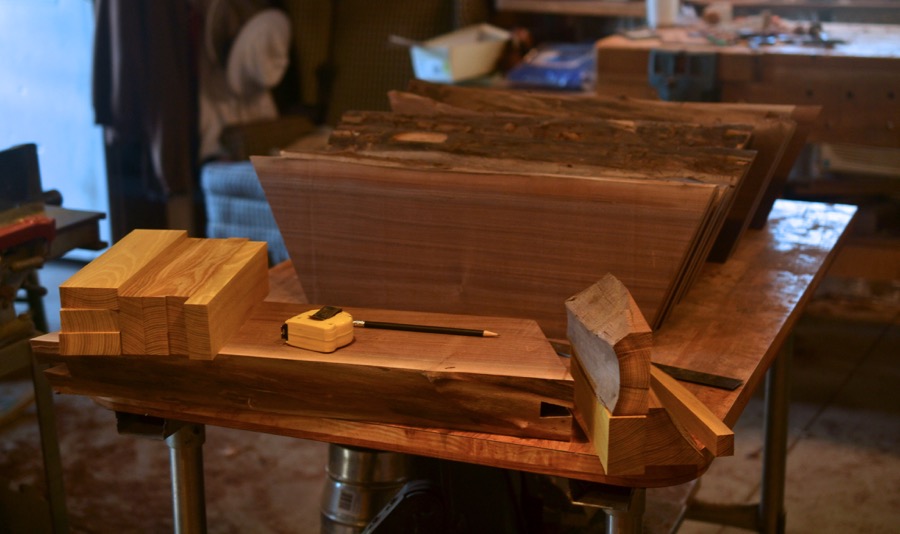
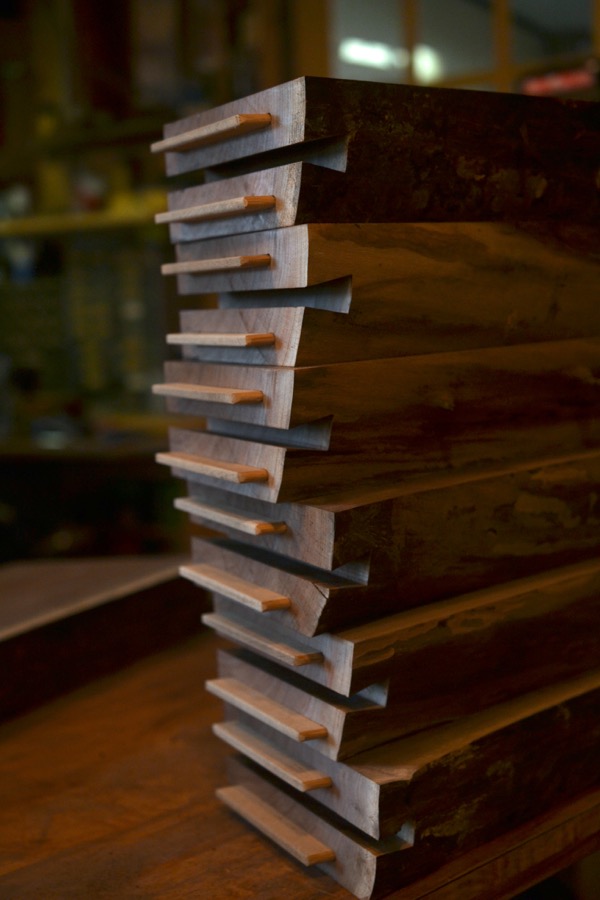
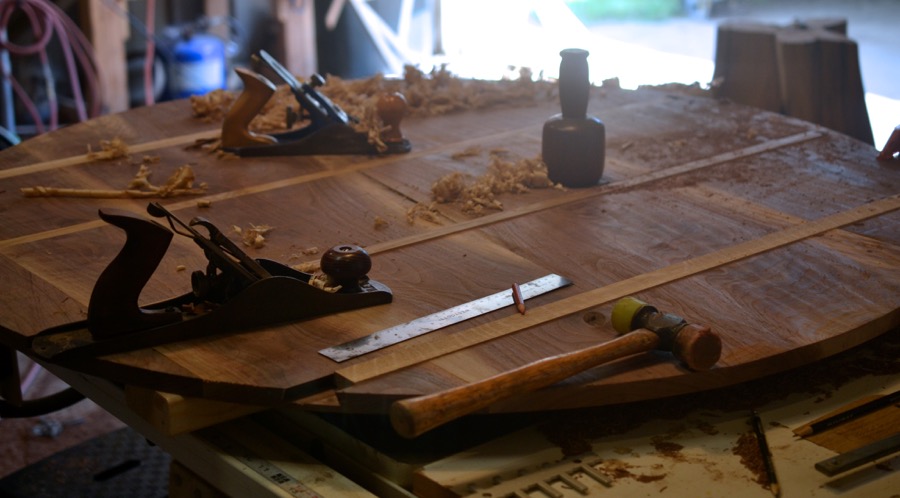
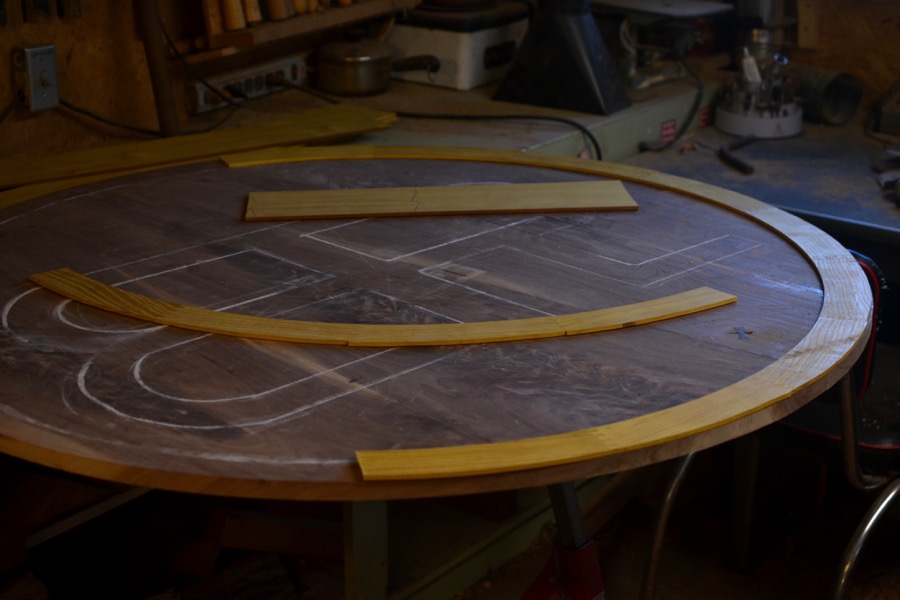
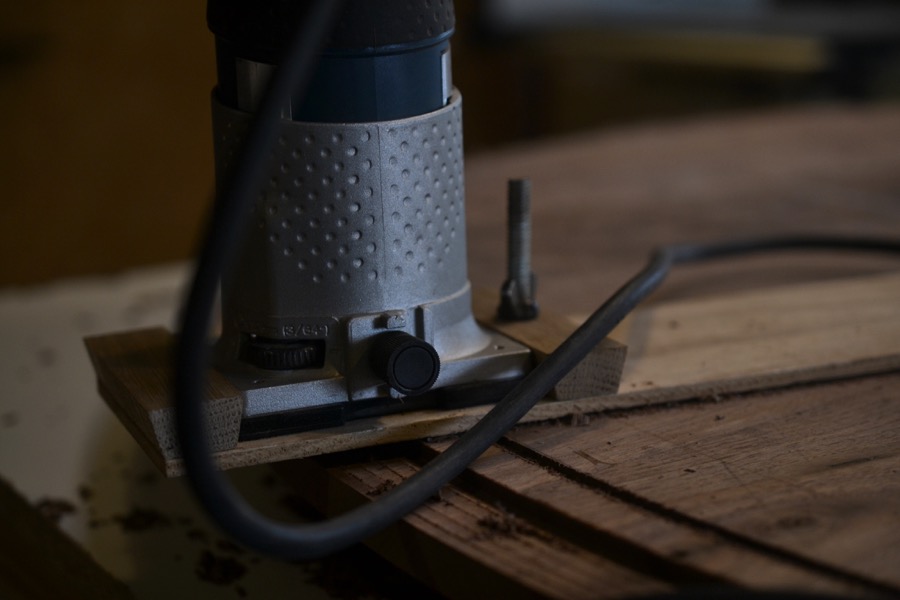
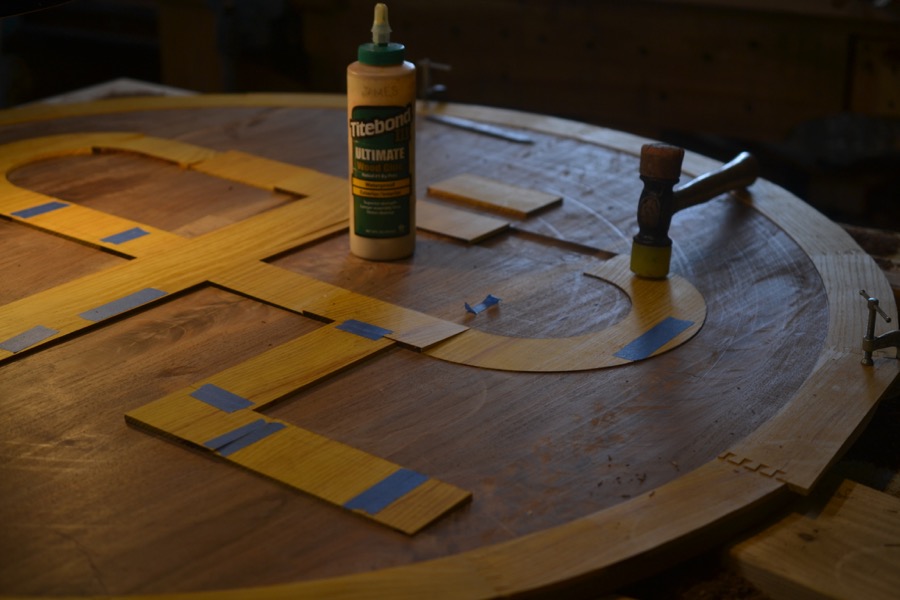
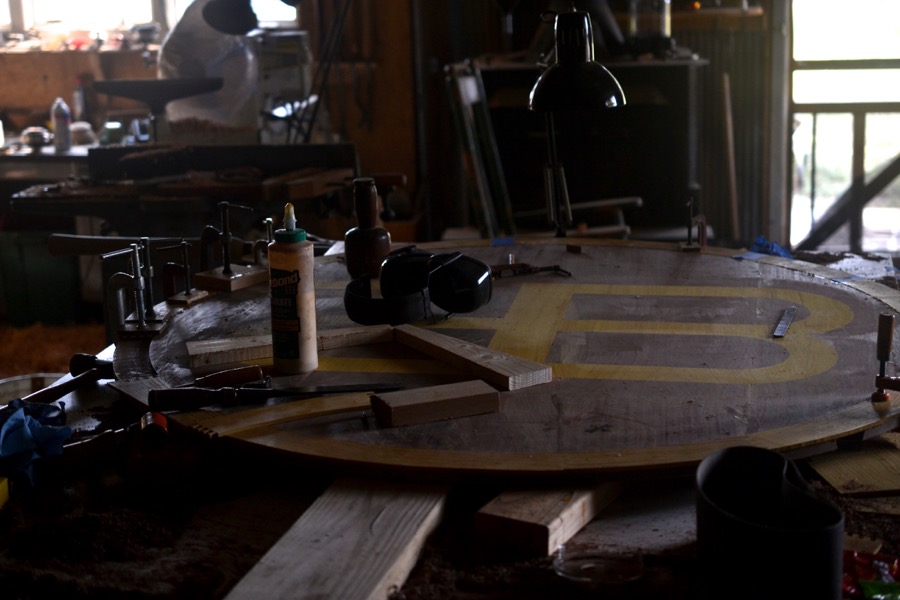
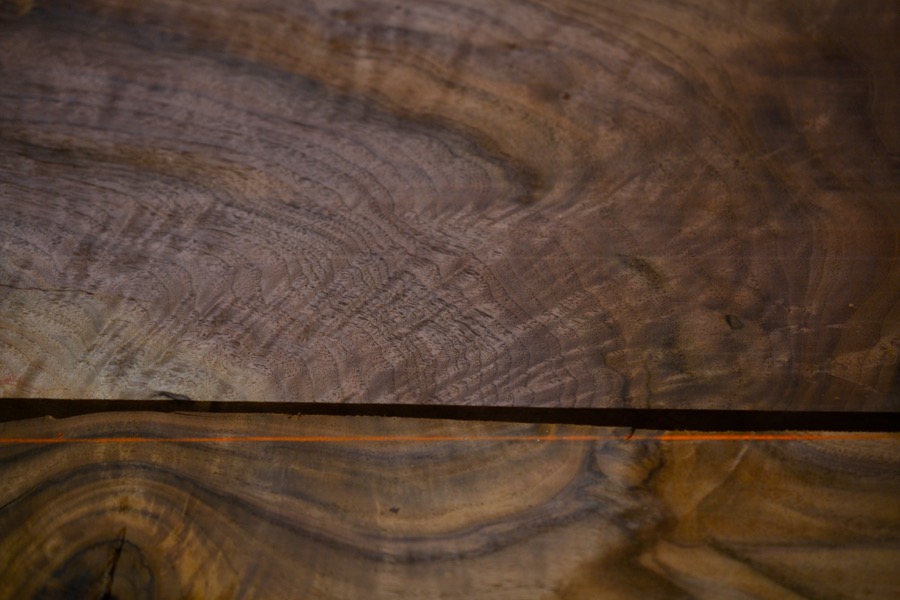
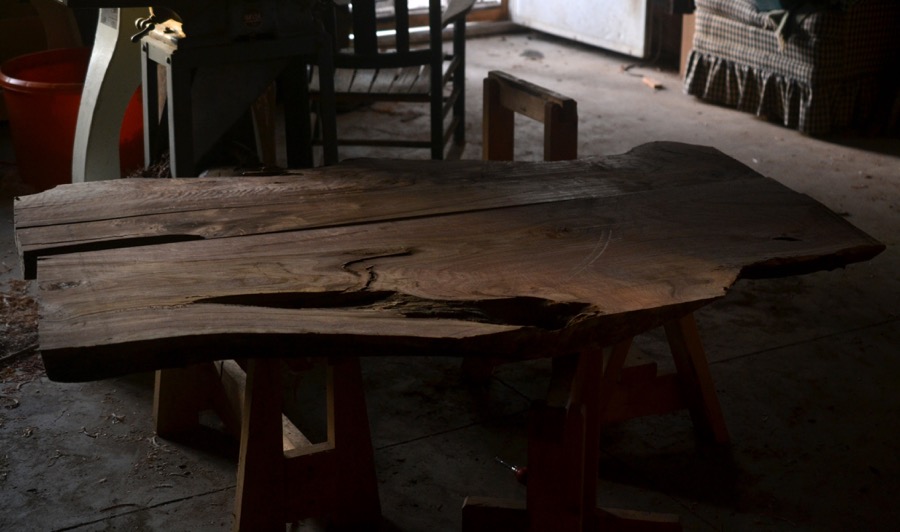
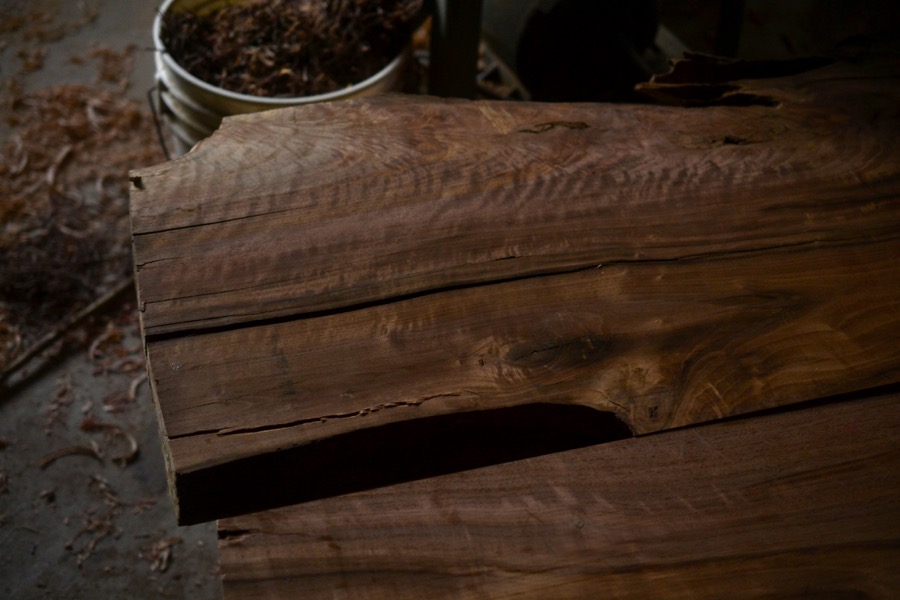
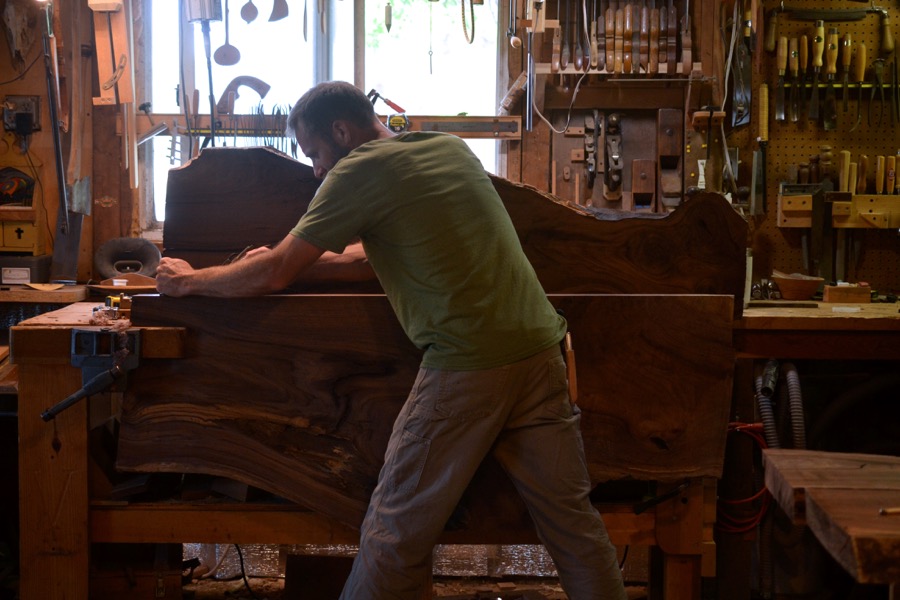
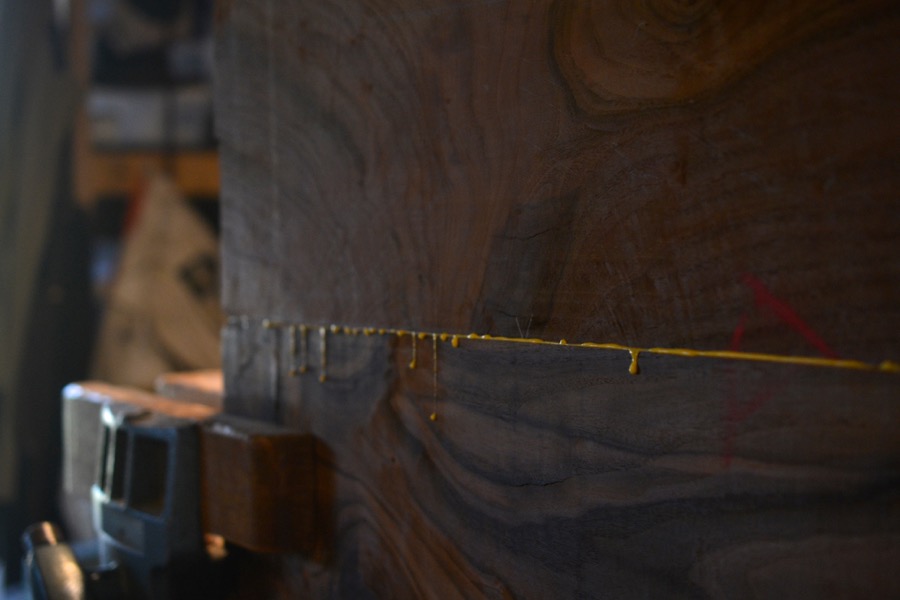
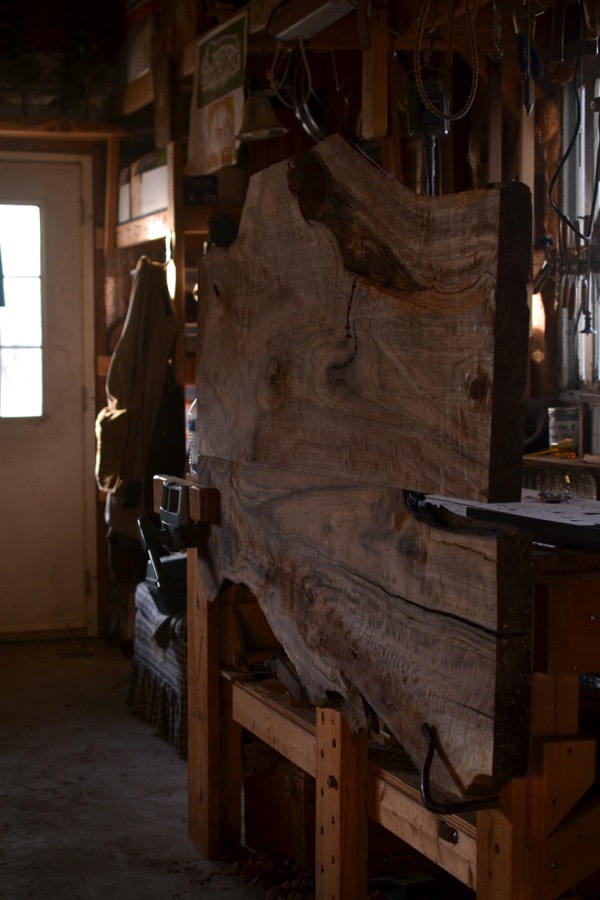
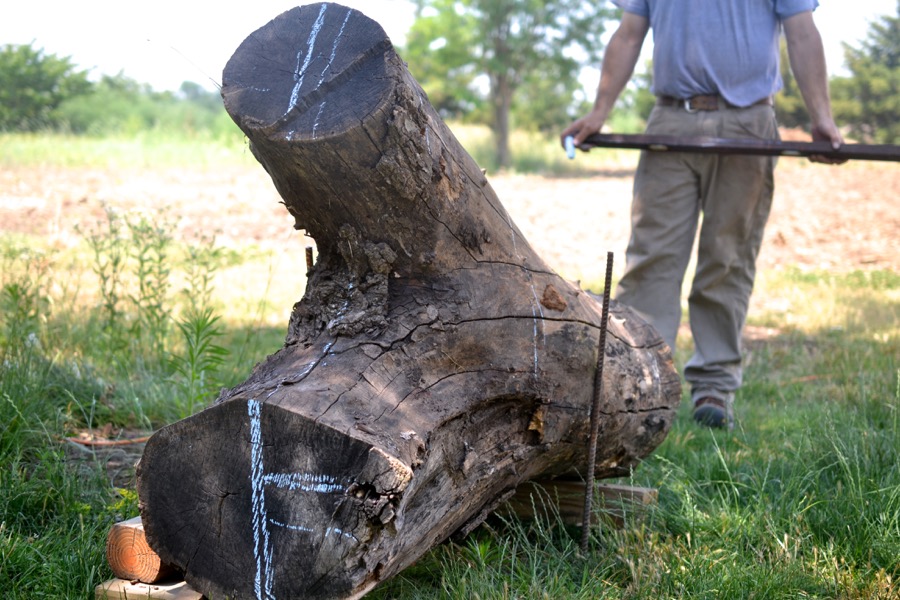
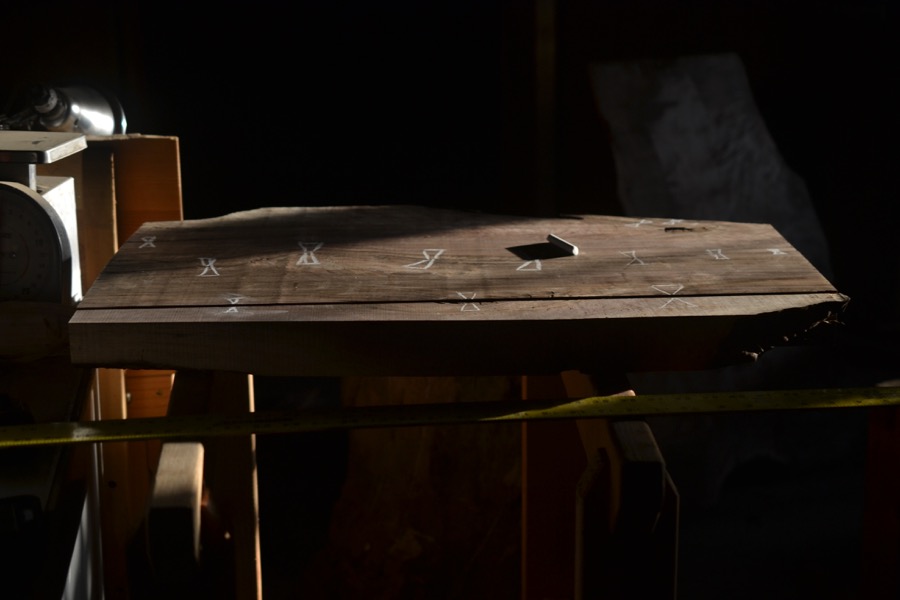
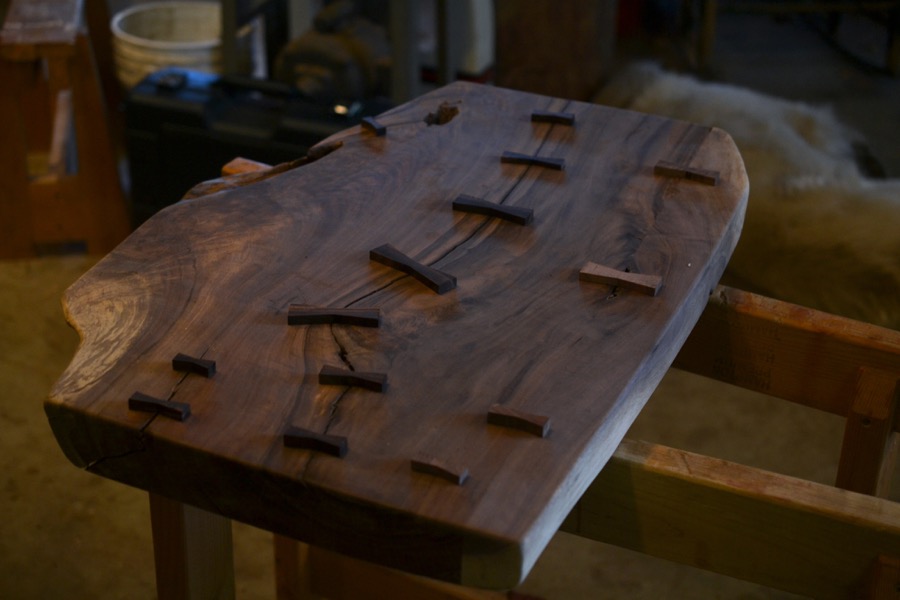
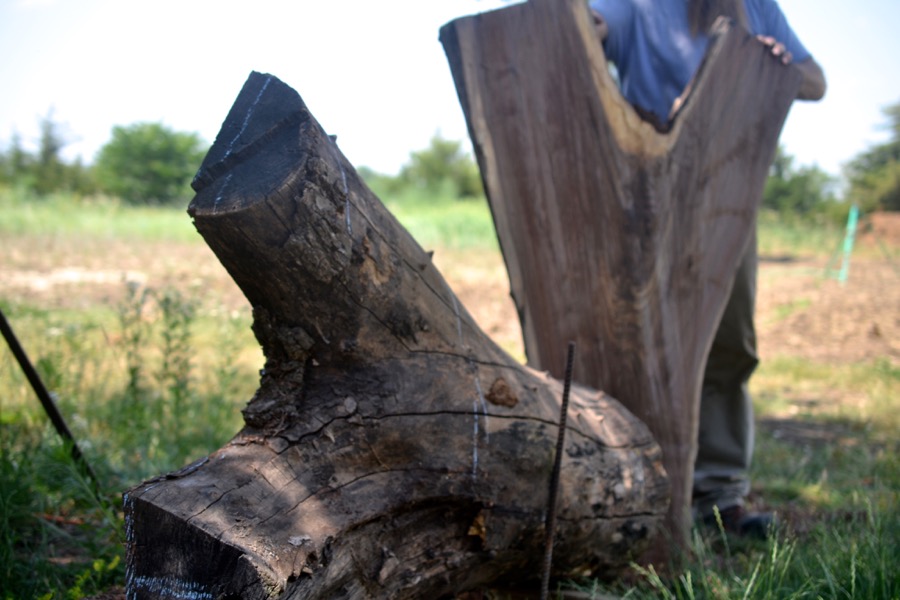
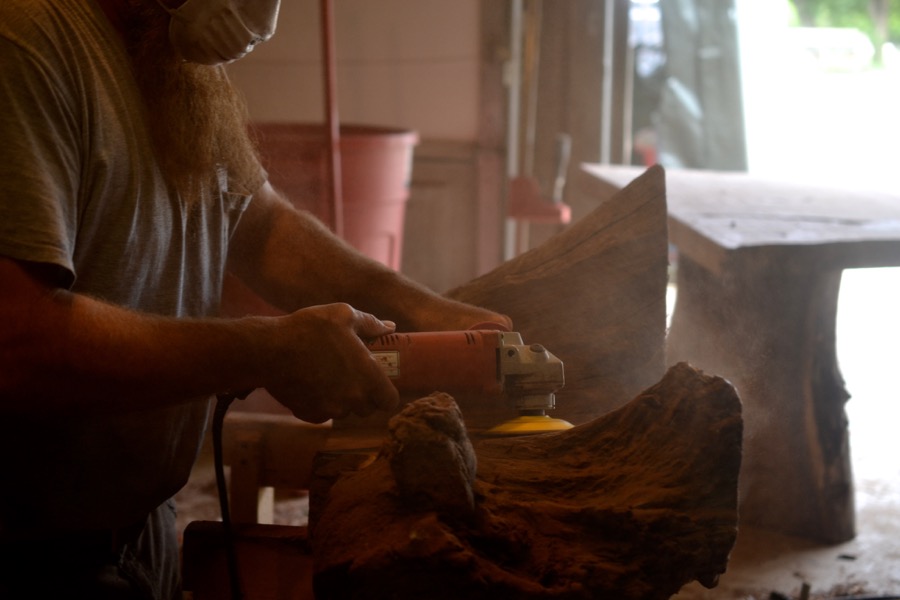
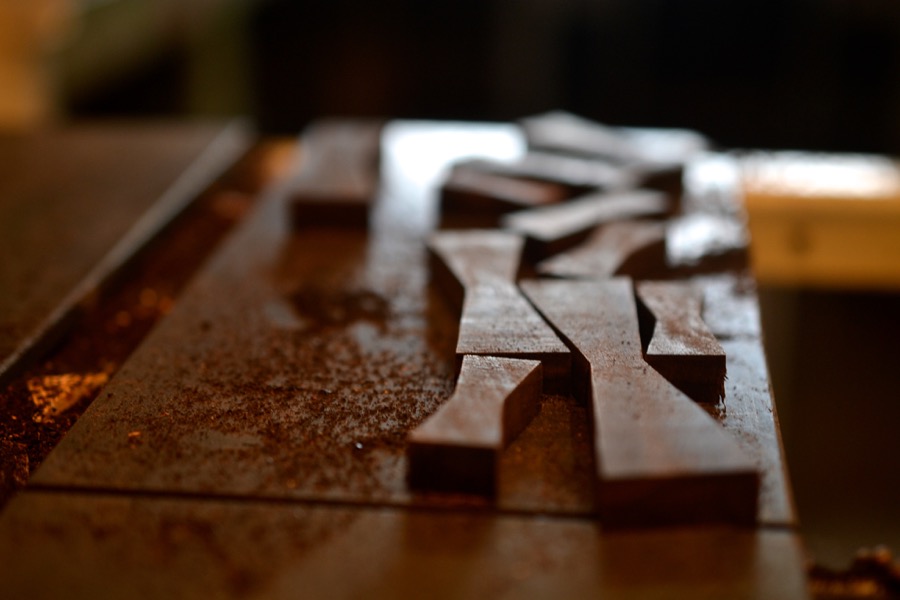
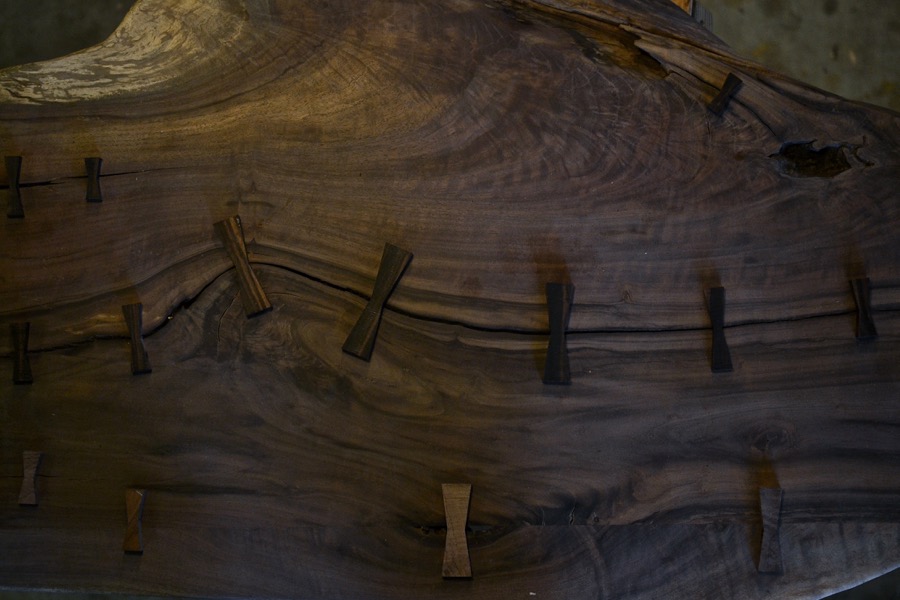
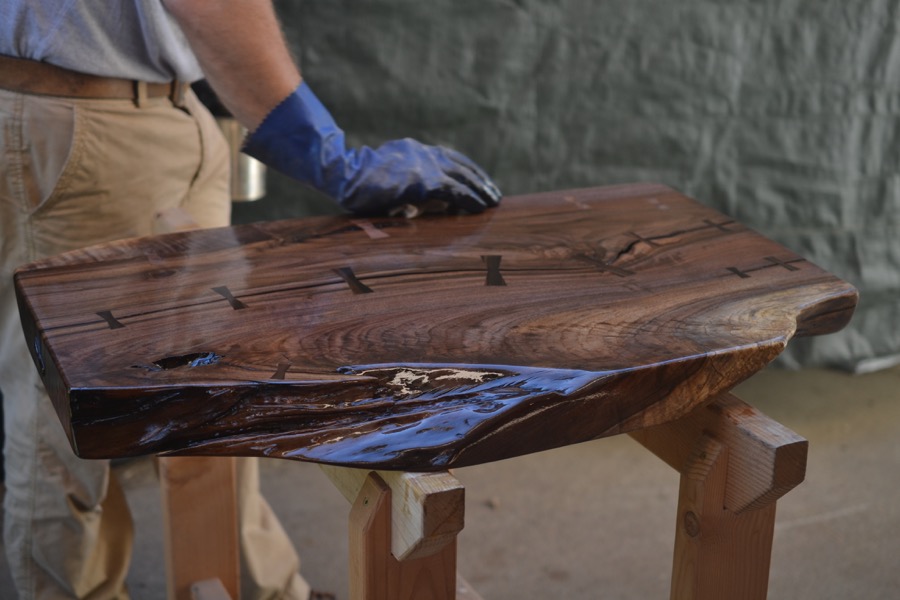
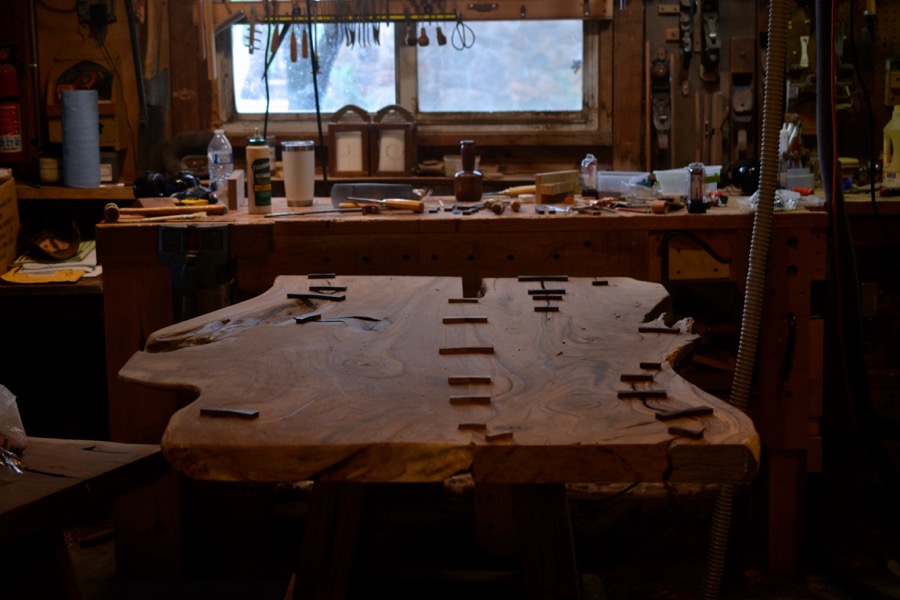
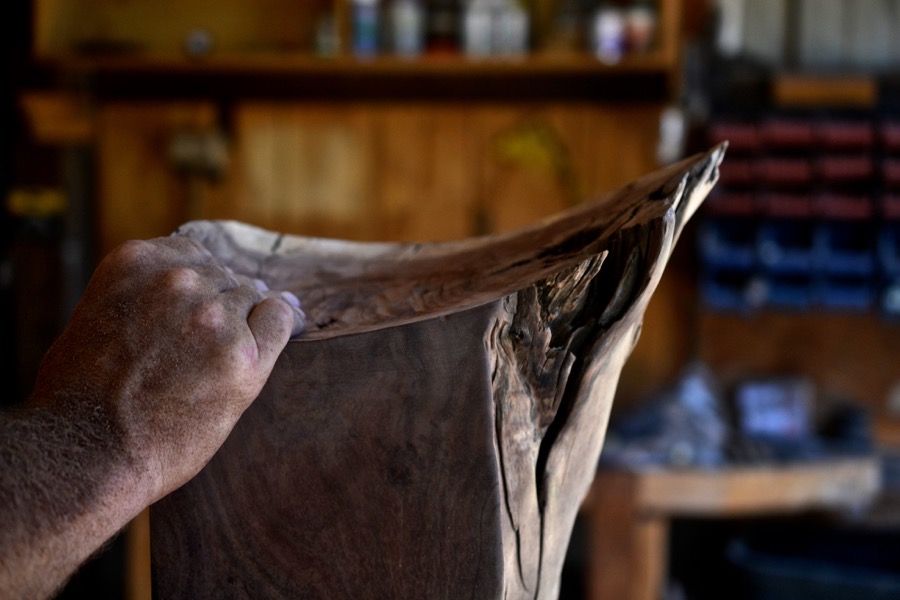
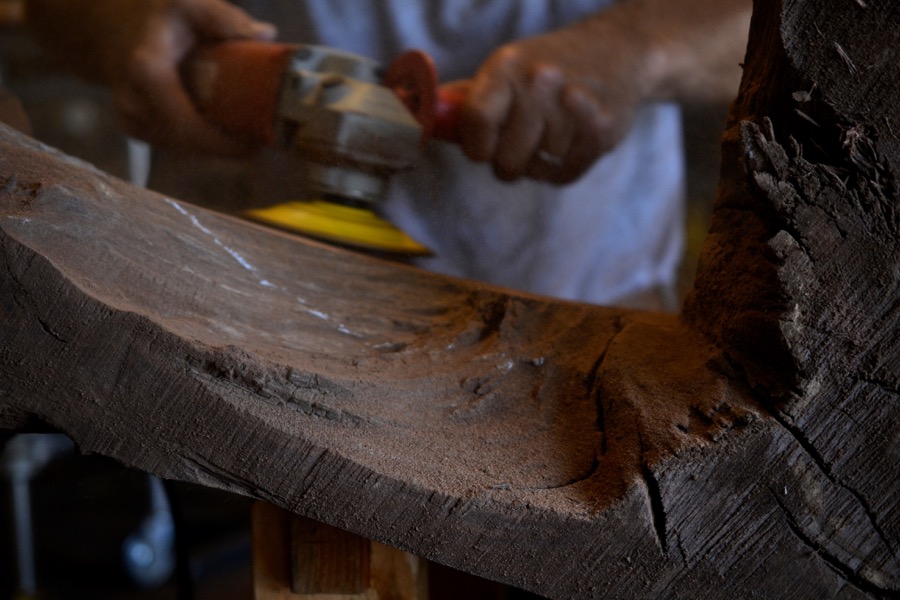
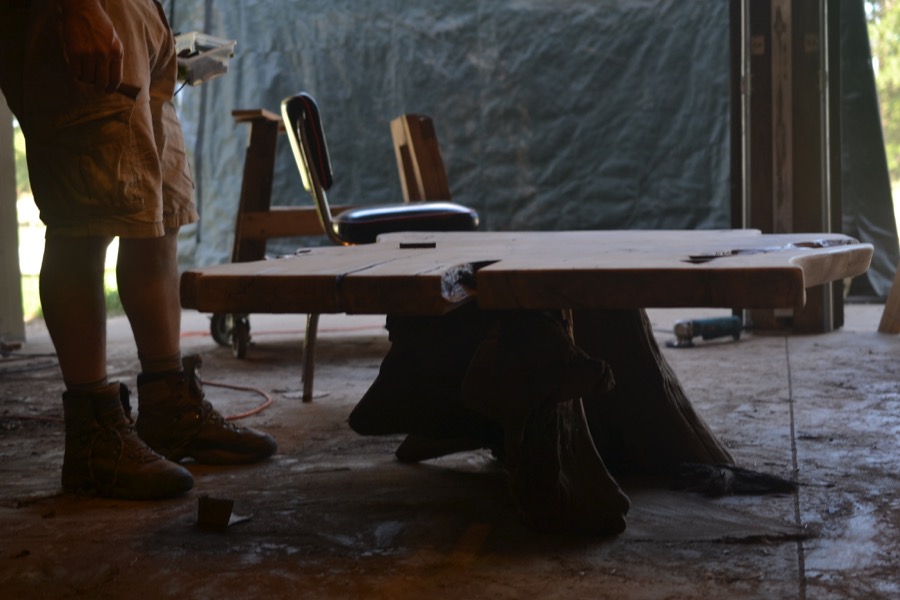
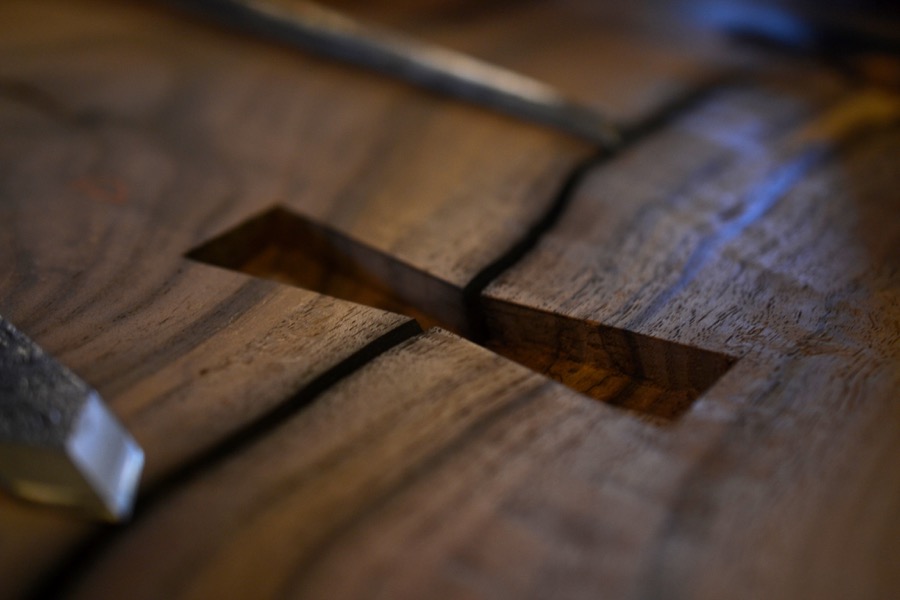
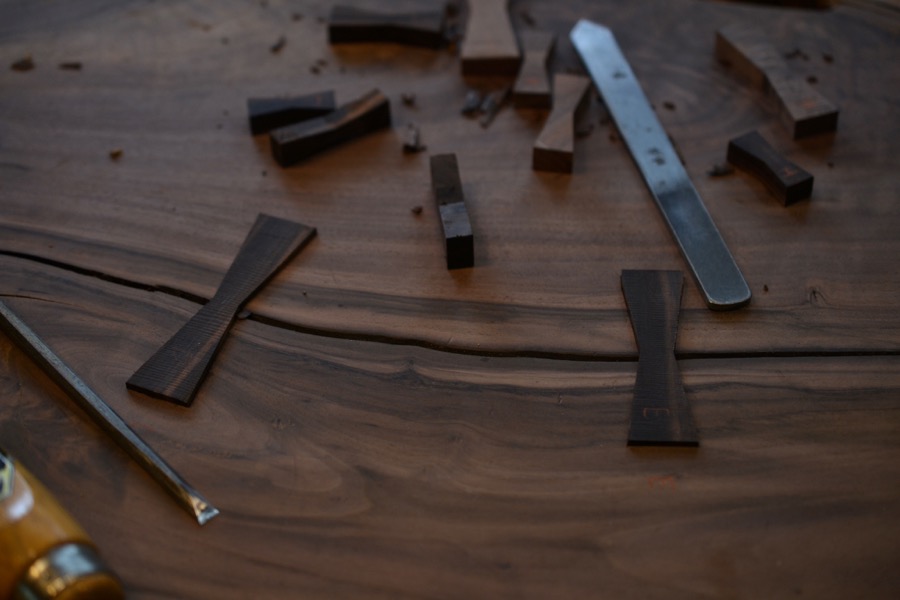
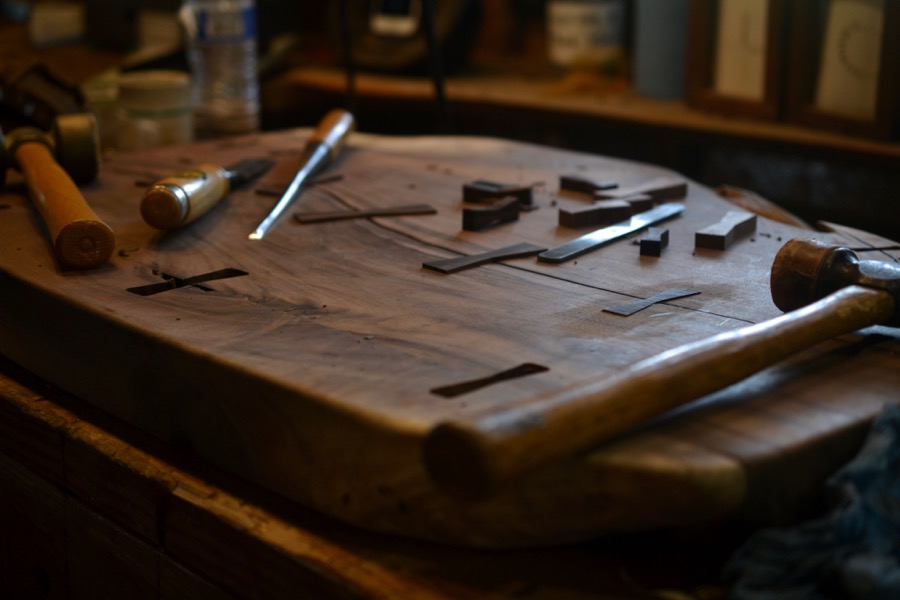
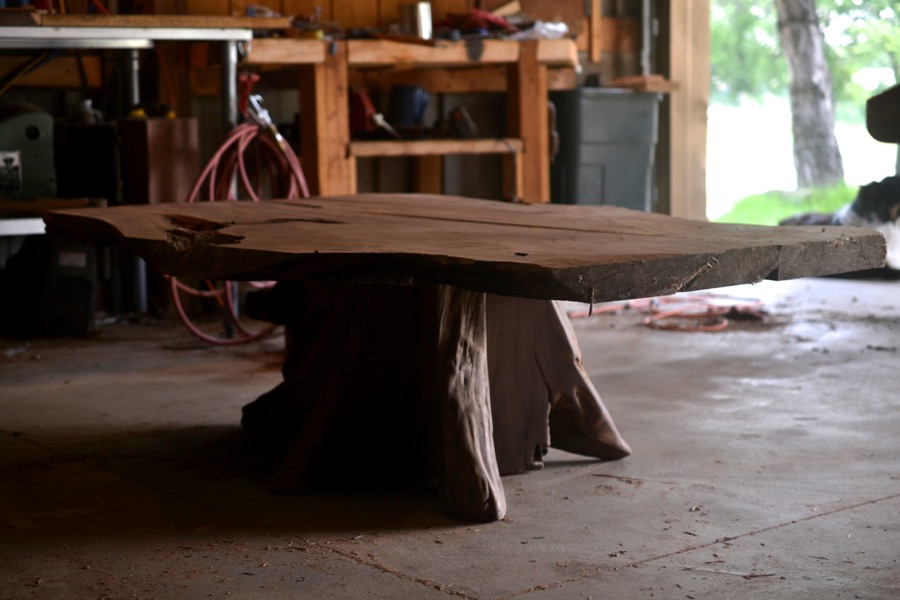
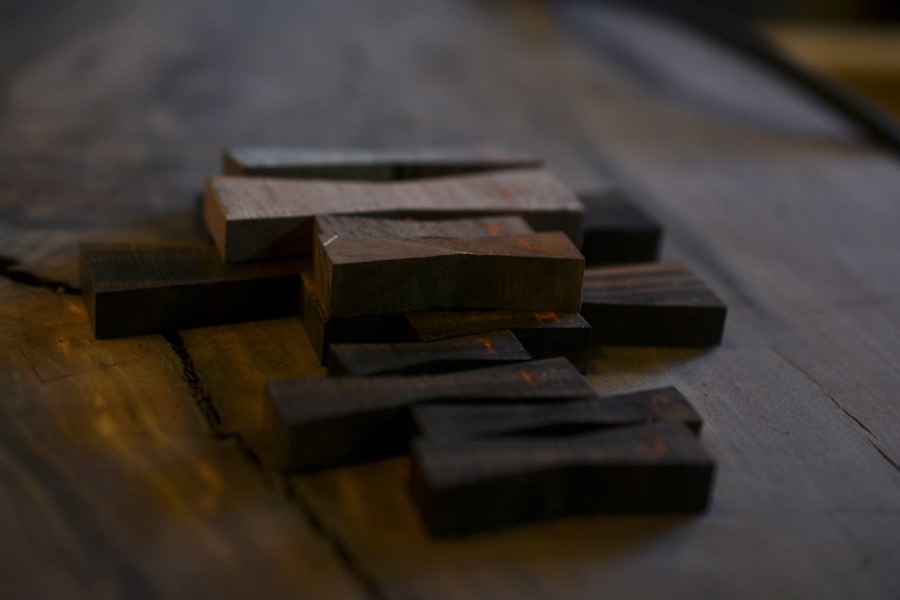
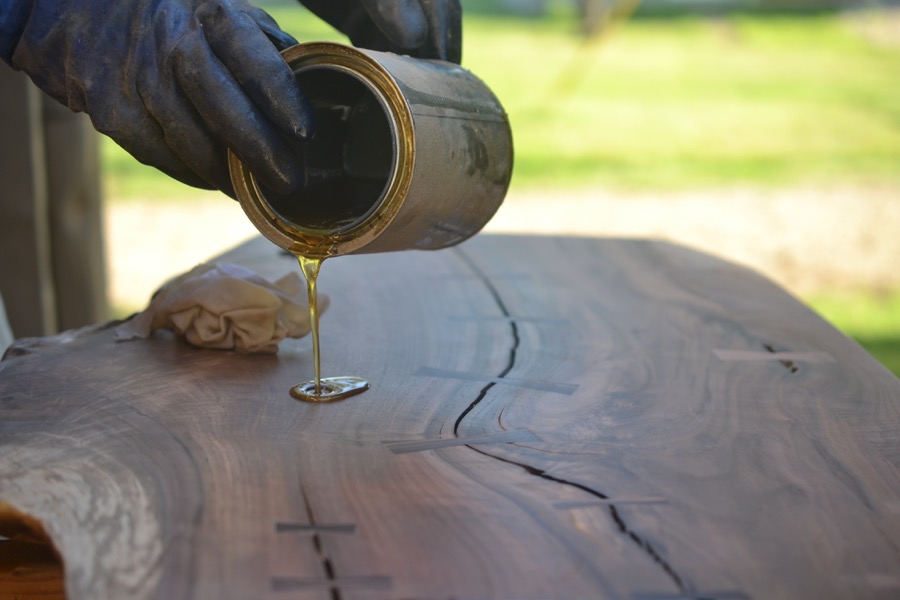
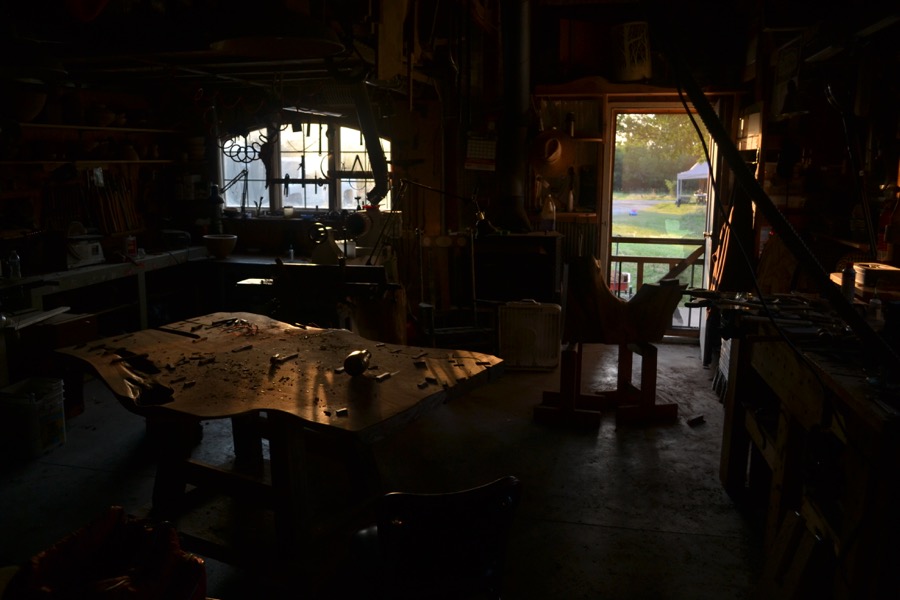
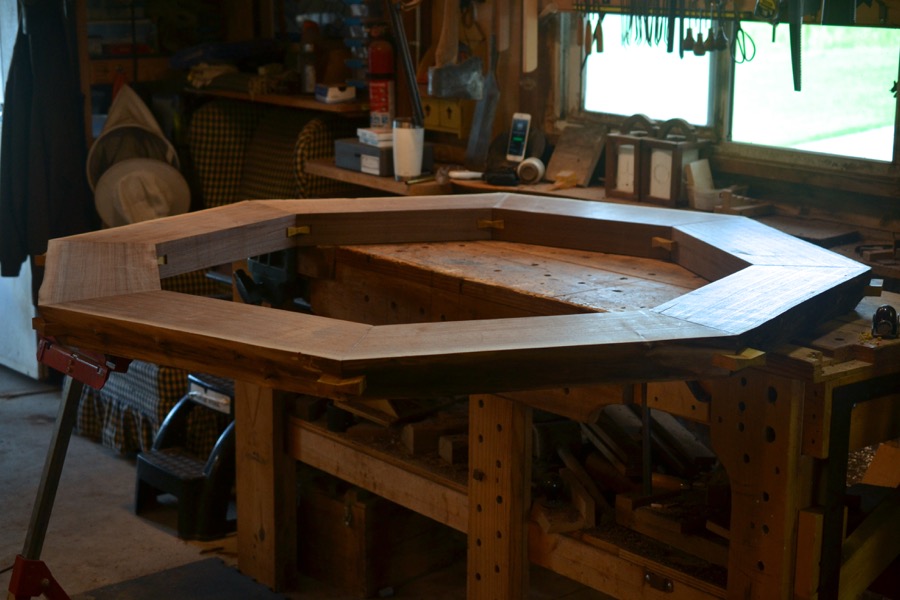
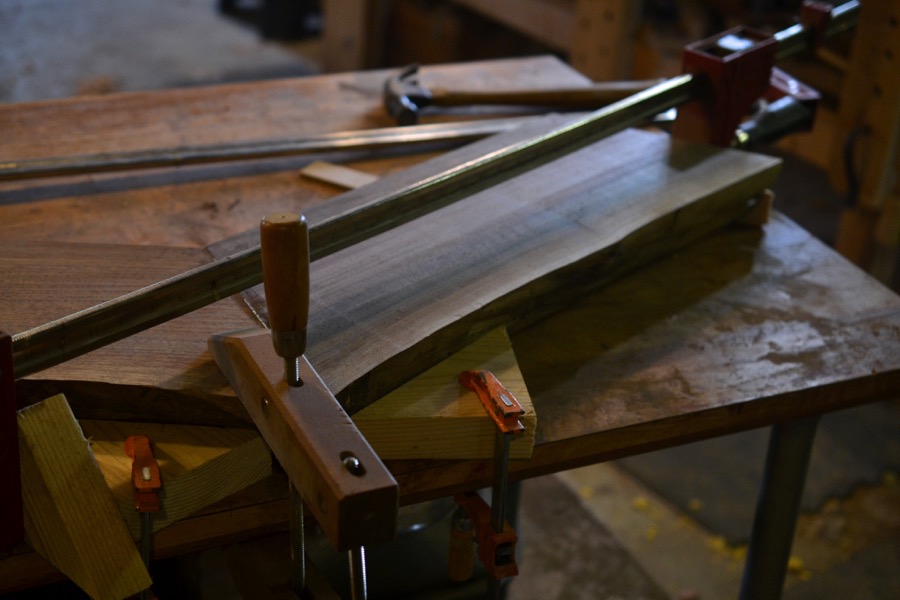
These images document a build in its early stage of a family of black walnut tables, centered around a richly grained and beautifully colored walnut tree which we salvaged from a farm near Winfield, Kansas.  The tables are a collaboration between my best friend/business partner and myself, sharing designing and building tasks to create, what we hope, are some authentically good pieces of furniture in the continuing tradition of live-edge/natural-slab furniture.

Walnut Timber Mantelpiece

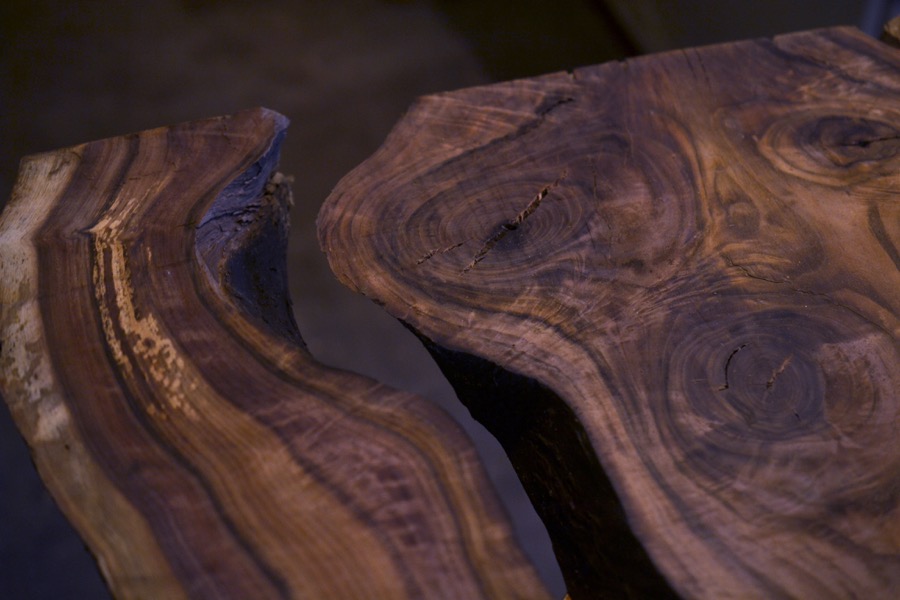
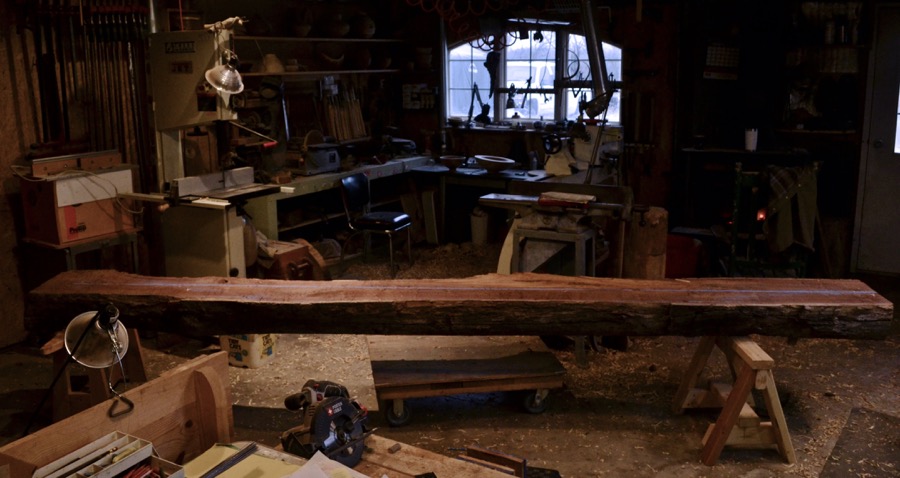
The six and a half inch thick, 13 foot long walnut slab filled the shop as it came from the chainsaw mill.

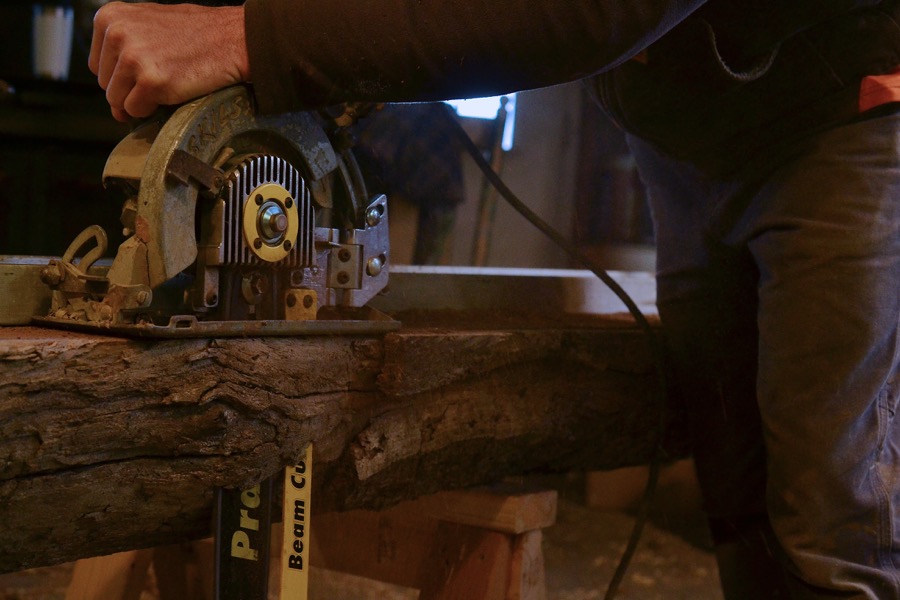
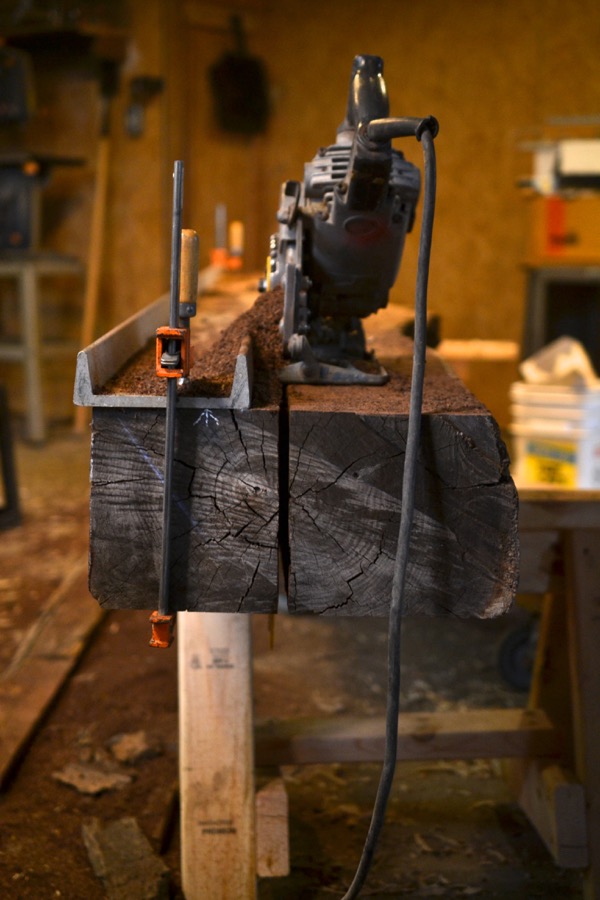
Beam cutter on the old worm-drive

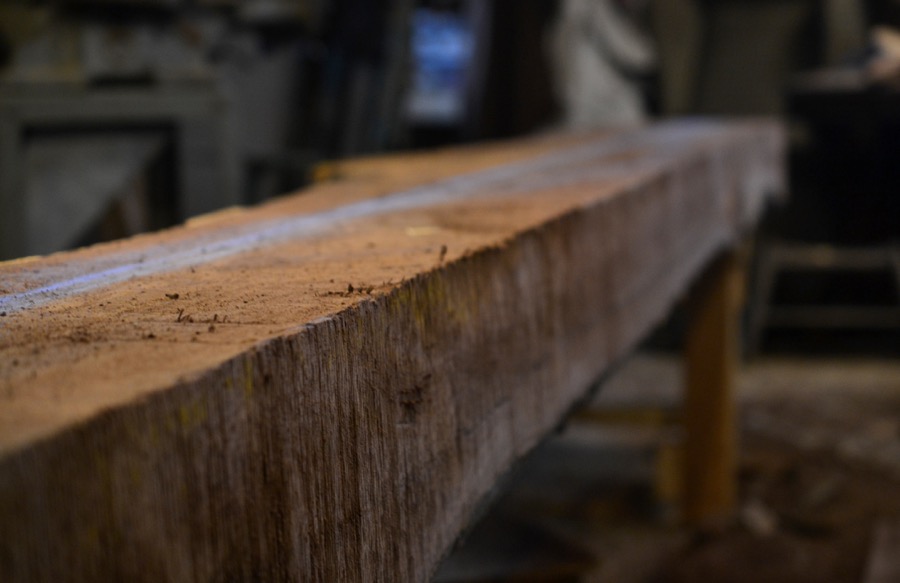
“rough-sawn” to the max

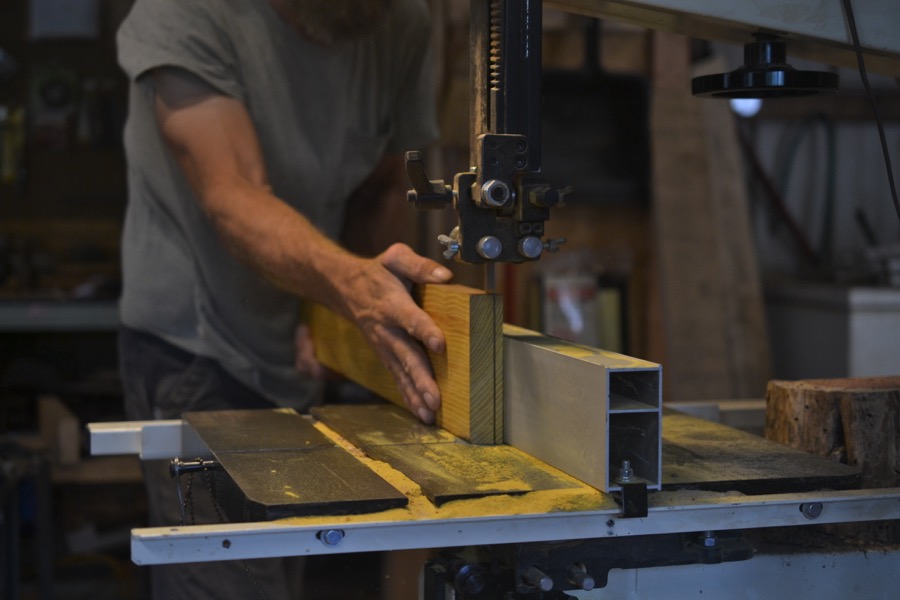
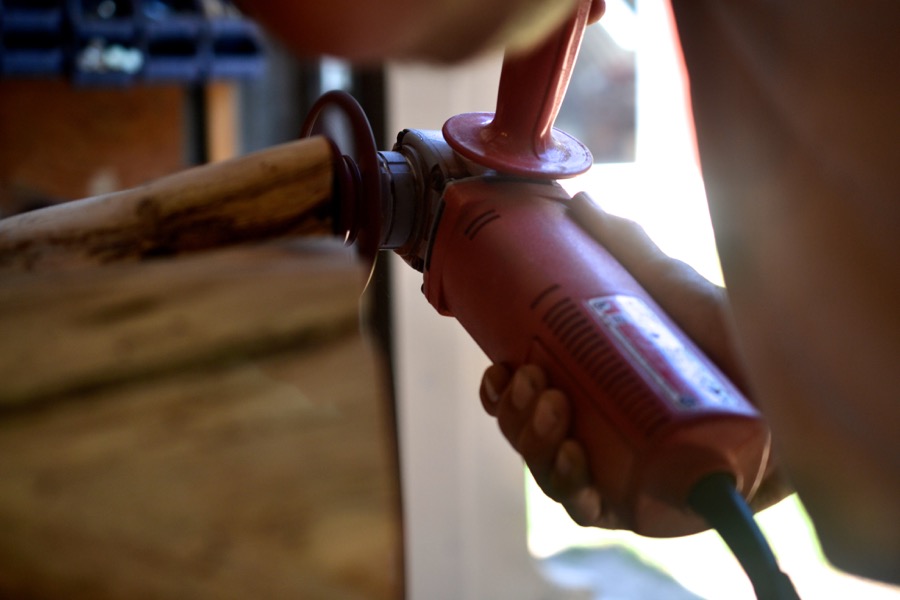
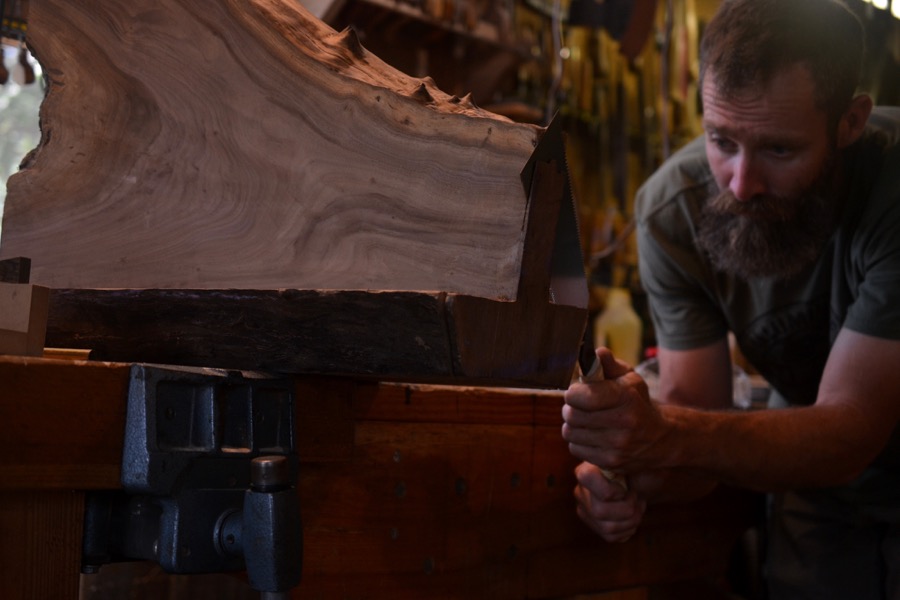
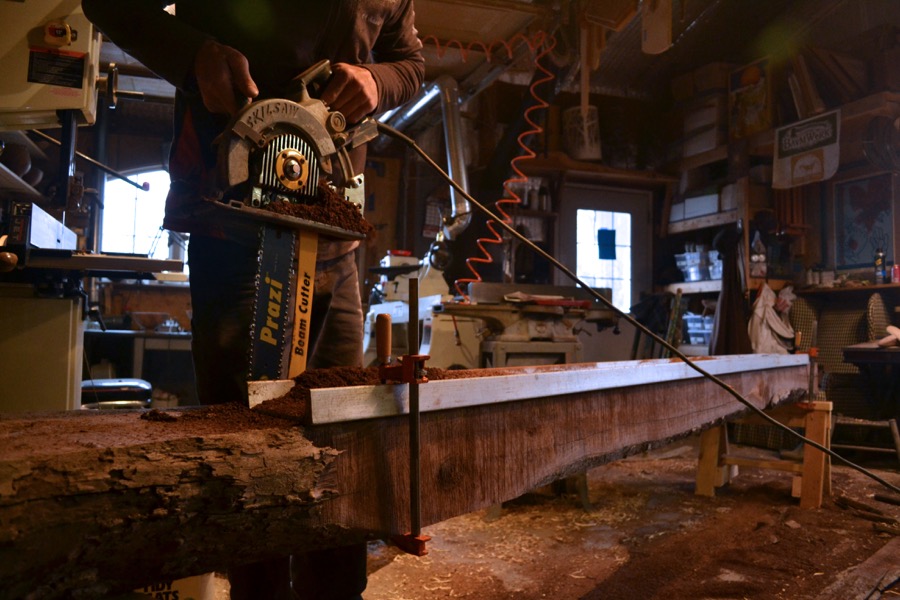
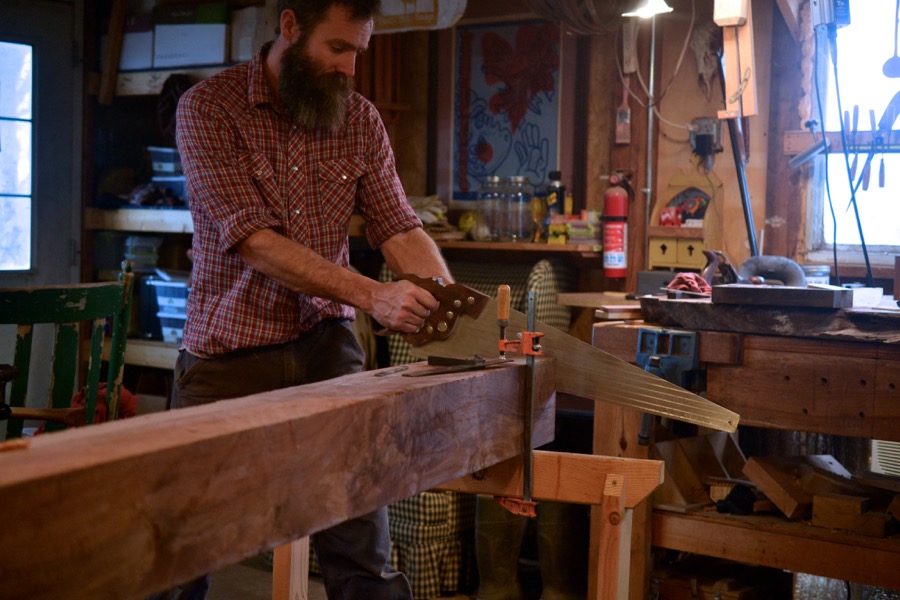
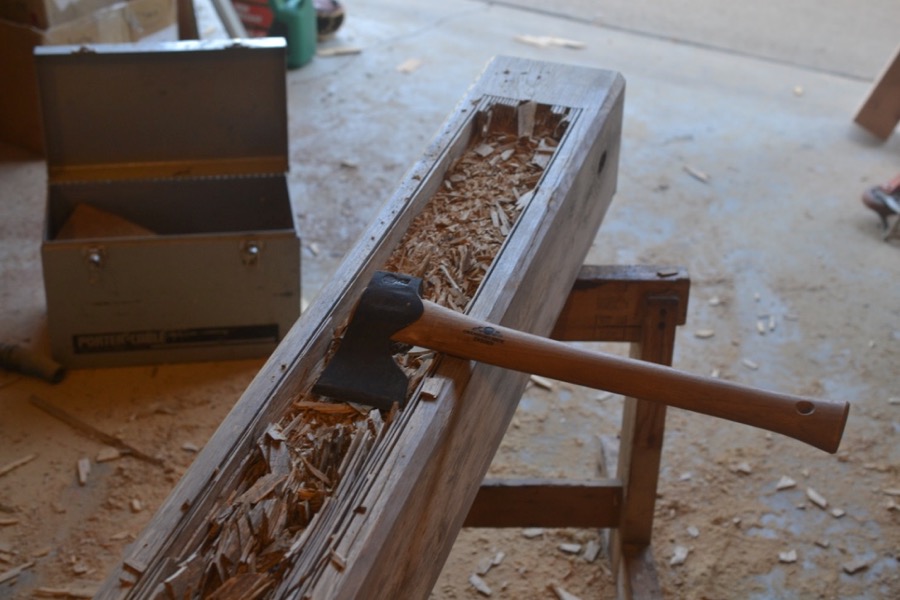
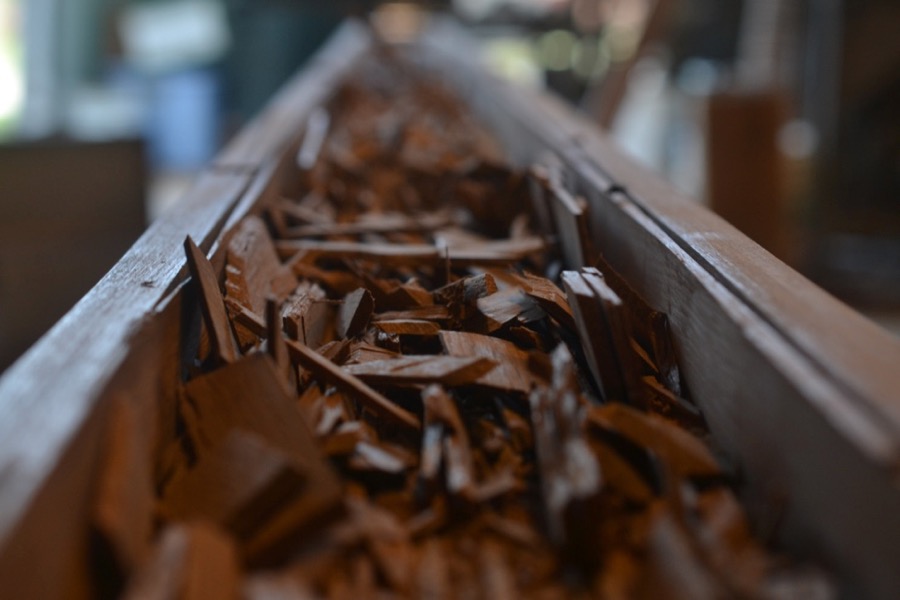
Using the “beam-cutter” to rip the slab into a six inch square timber

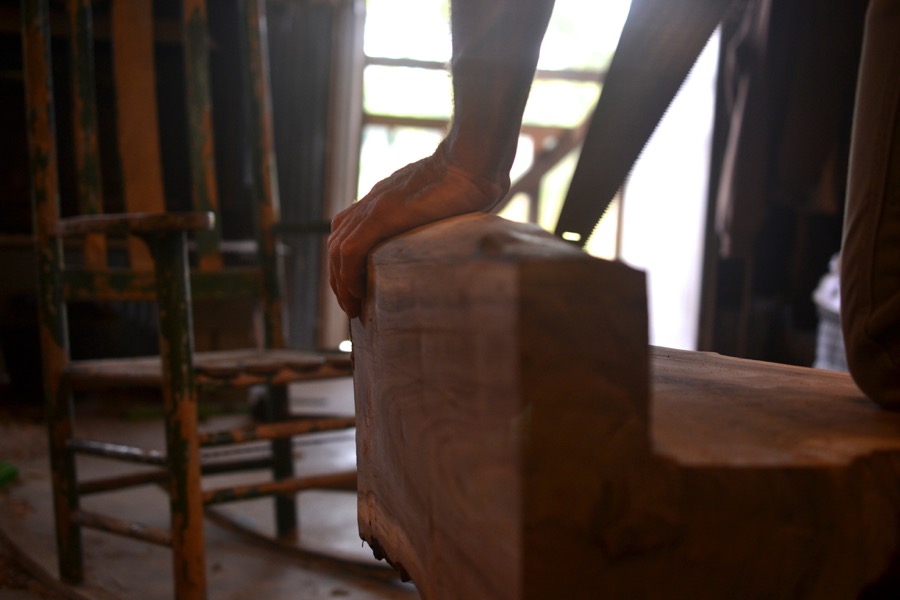
Pulling the saw at the end of the cut to save the last bit of slab for the corbels

Aluminum C-channel as a guide

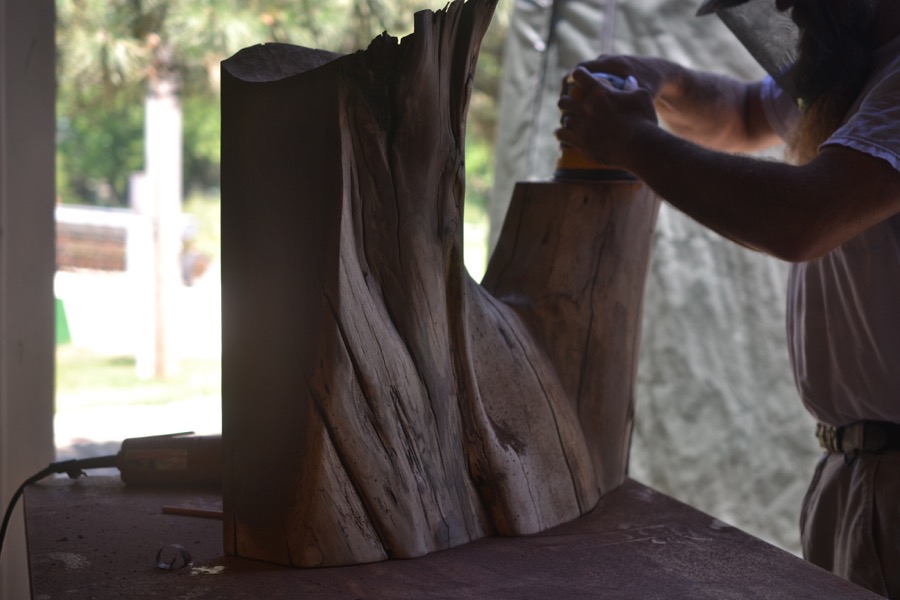
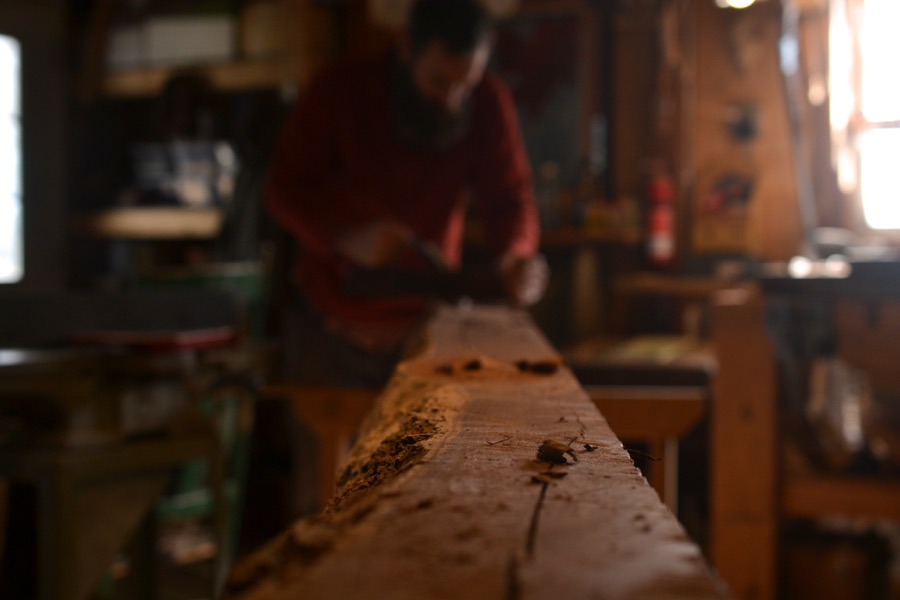
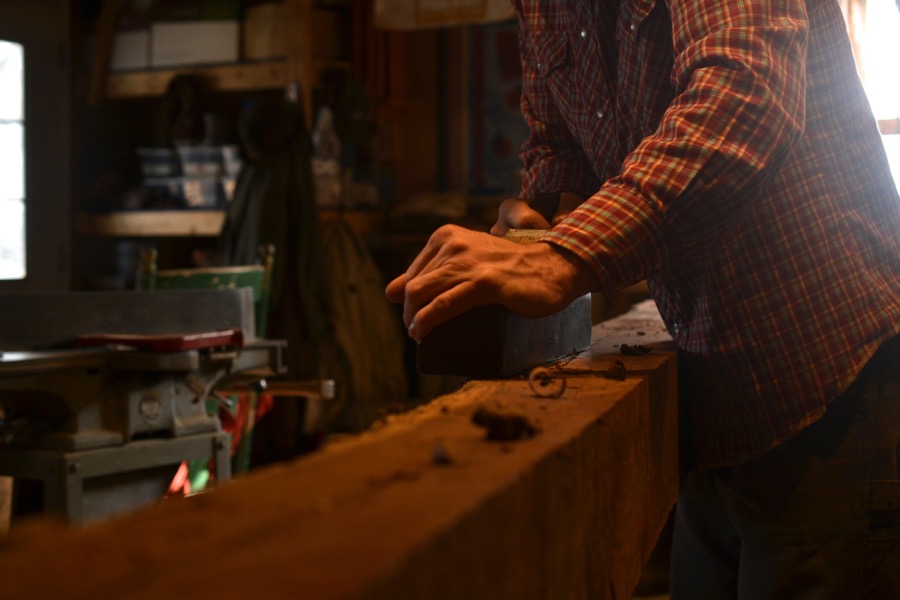
start of the smoothing

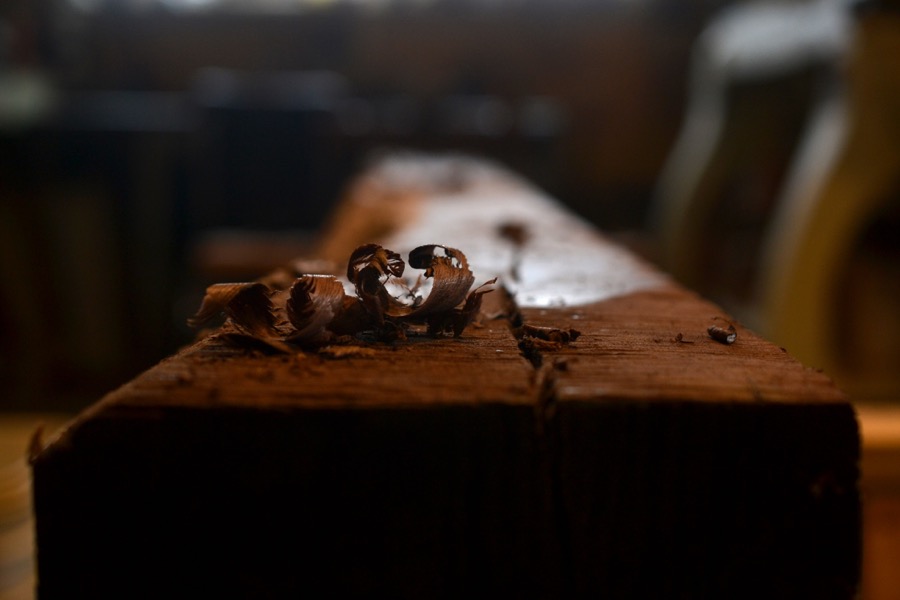
a jack plane with a radius set to take heavy shavings

Now the joiner

pretty obvious

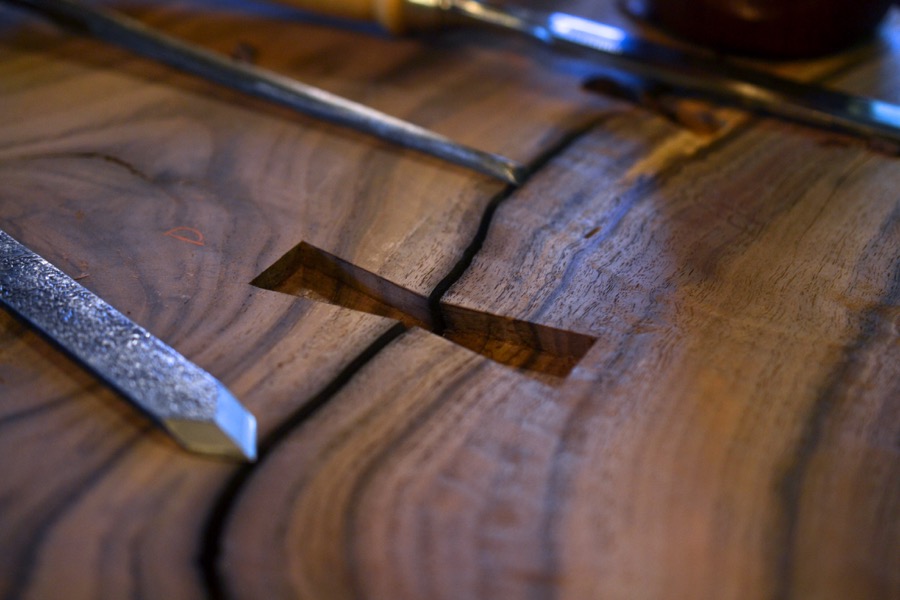
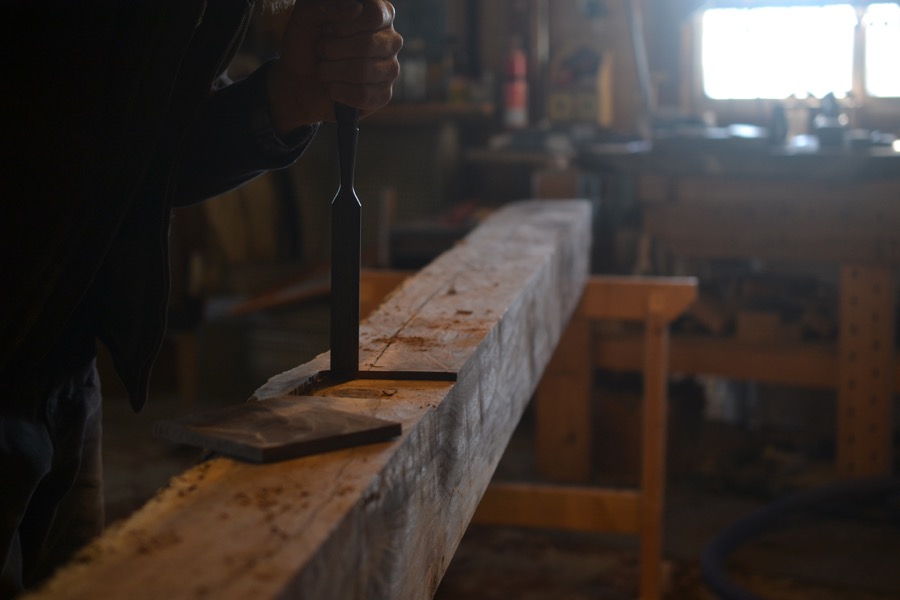
chopping out for a patch over a rotten knot

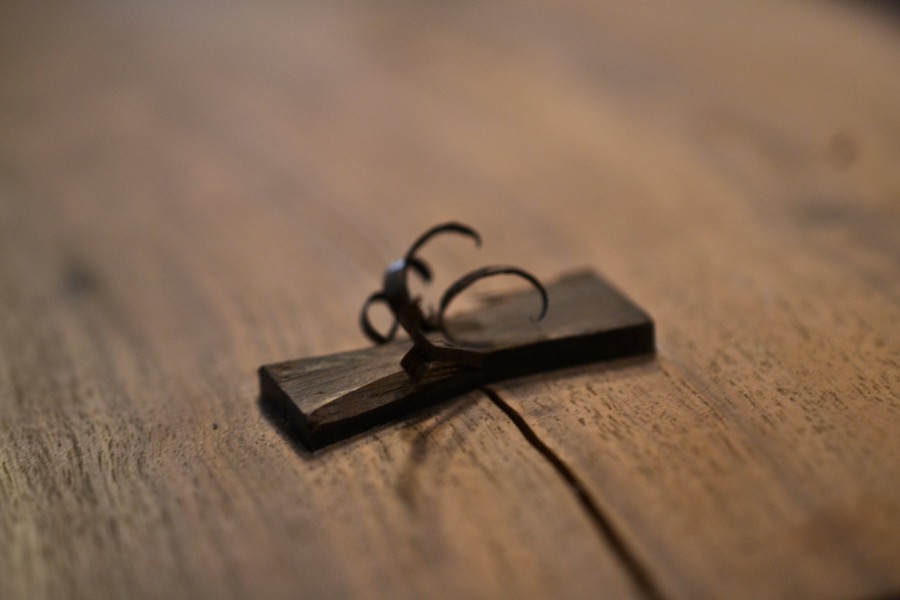
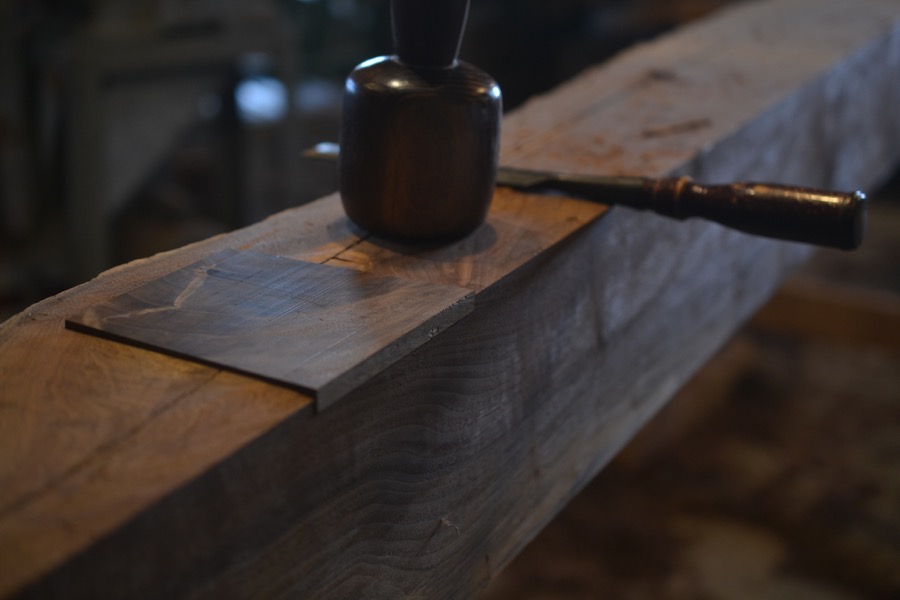
the same, fitted

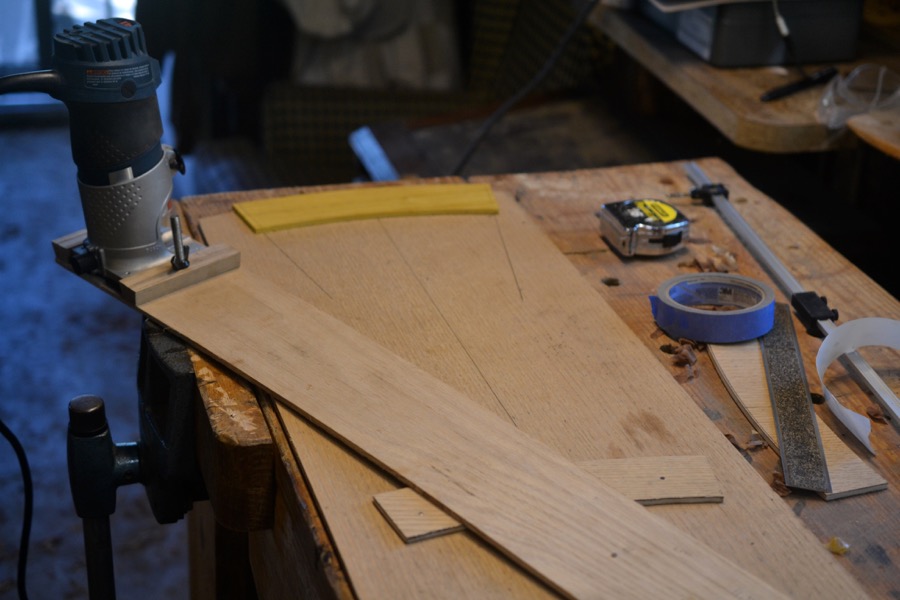
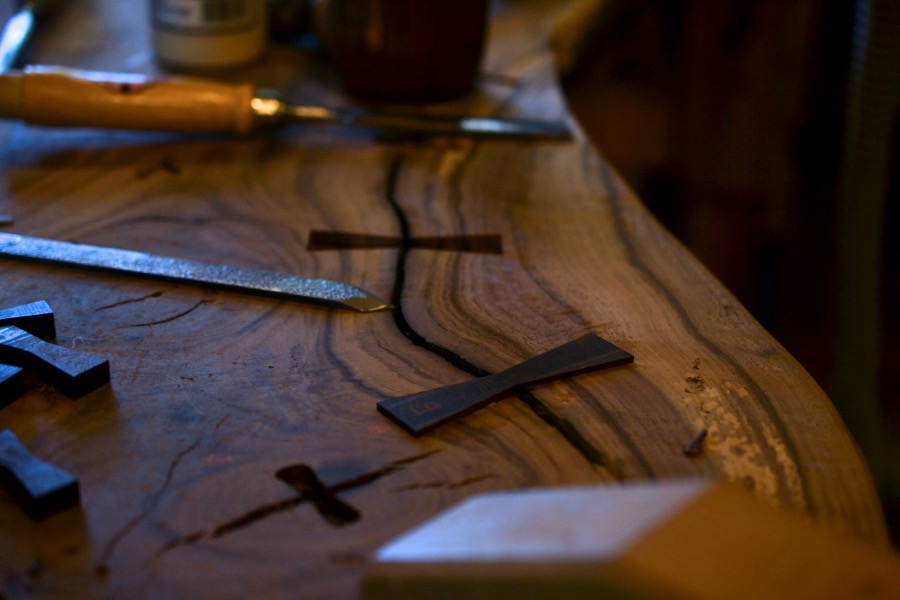
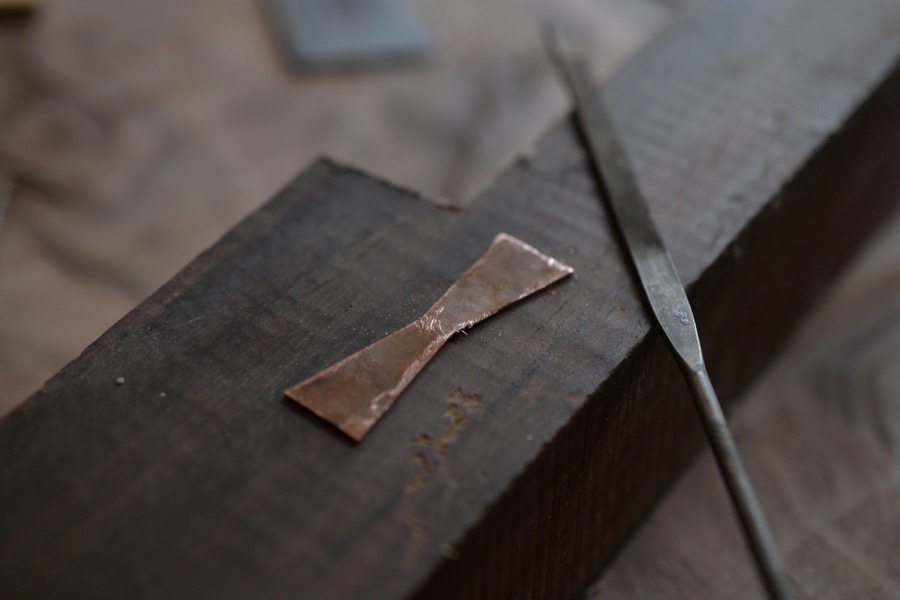
filing the edges of a little copper butterfly template

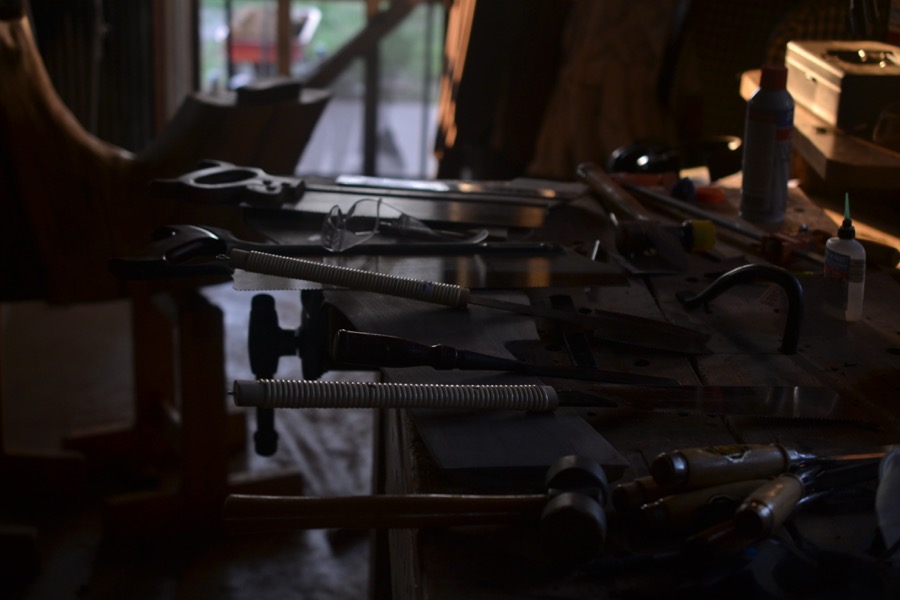
bench-top with tools for making butterfly templates

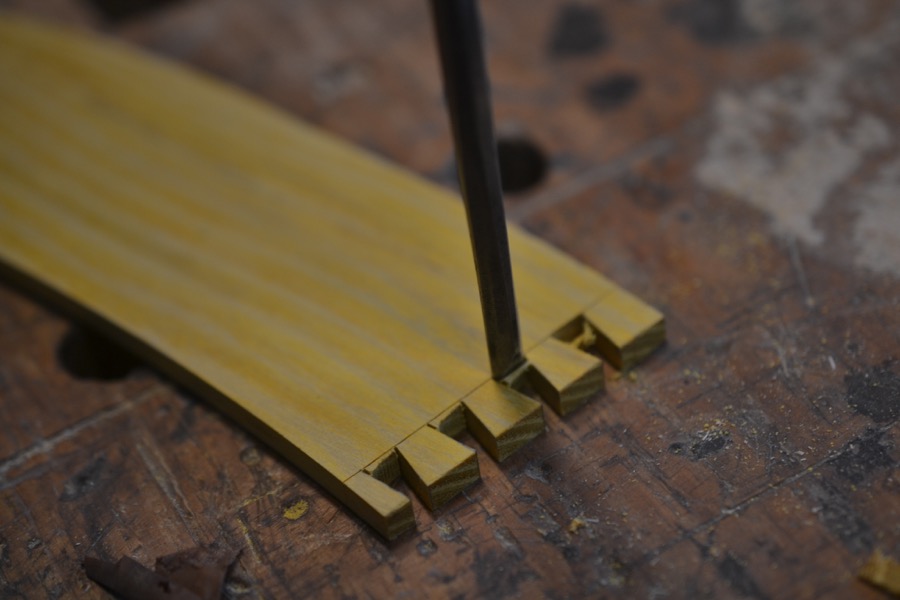
variety of butterfly templates

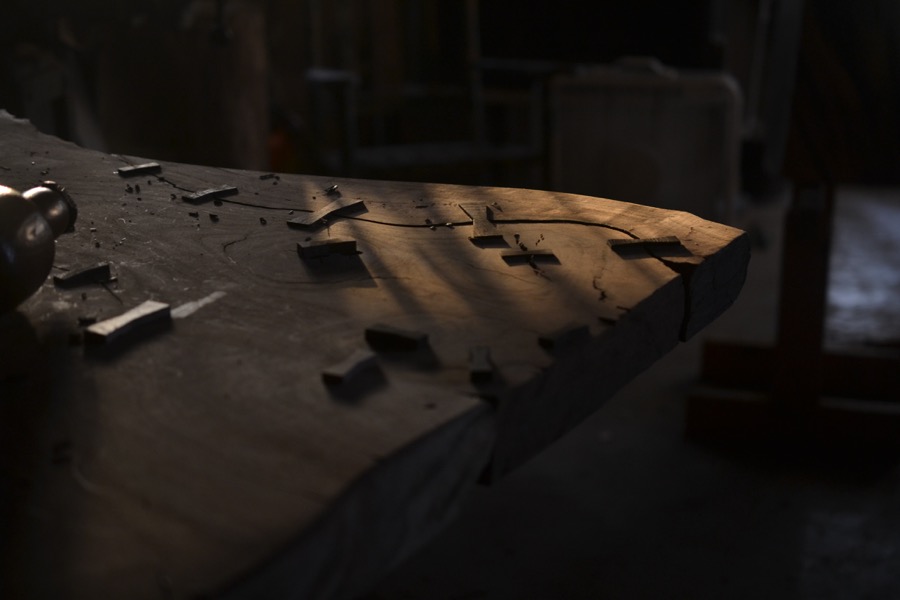
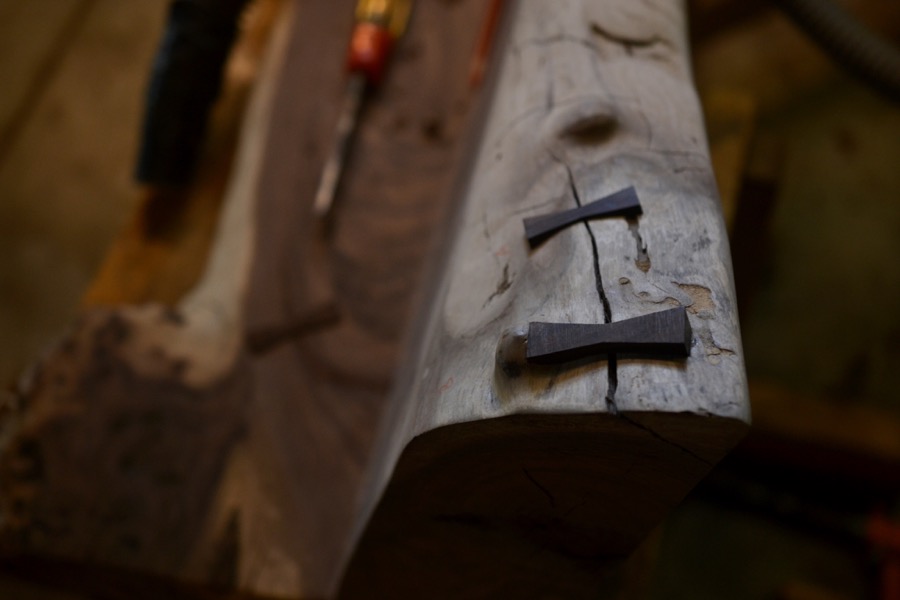
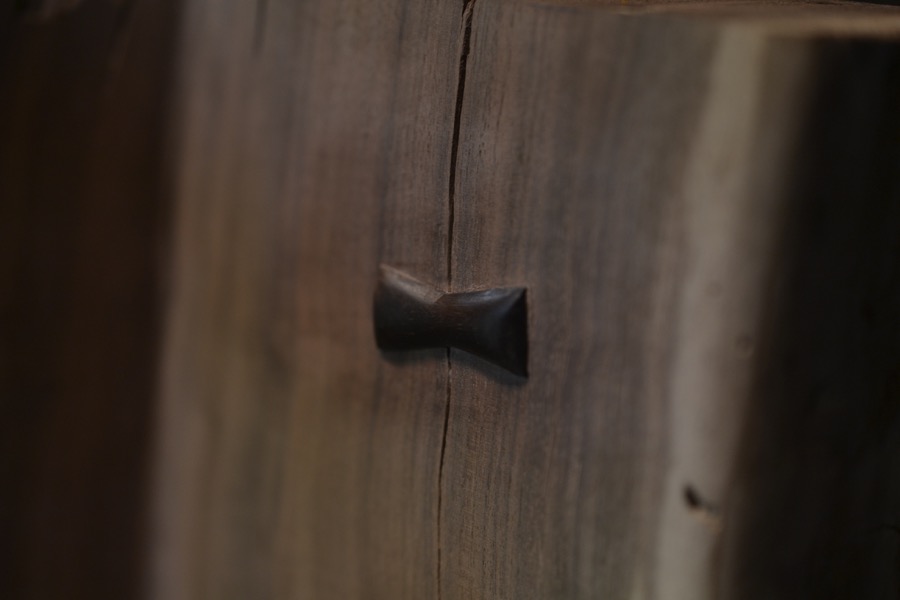
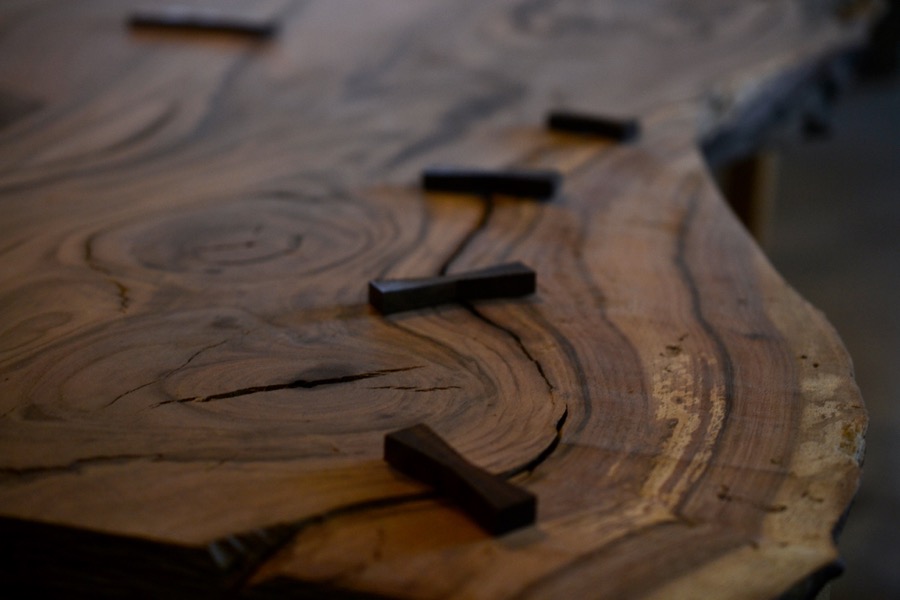
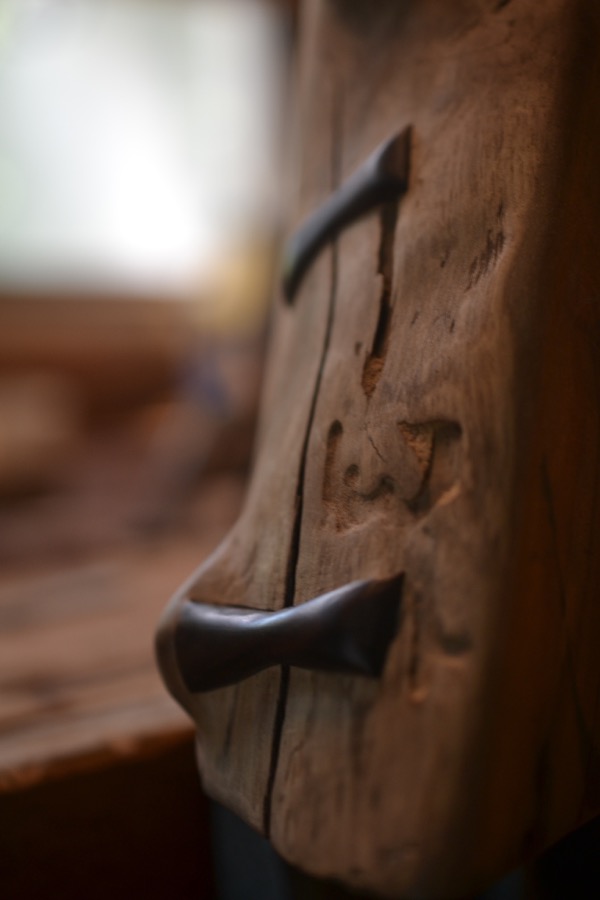
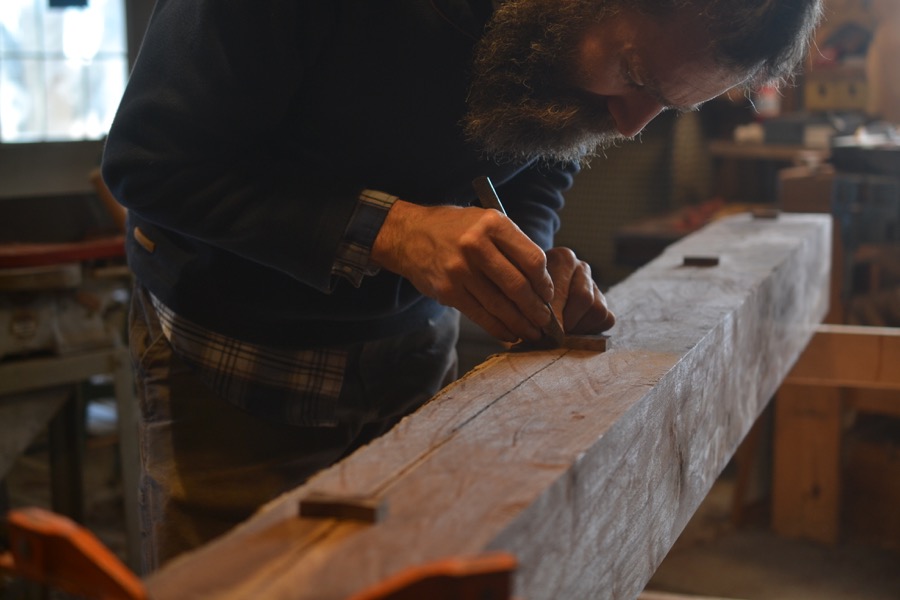
Scribing the timber for butterflies to bind the main check

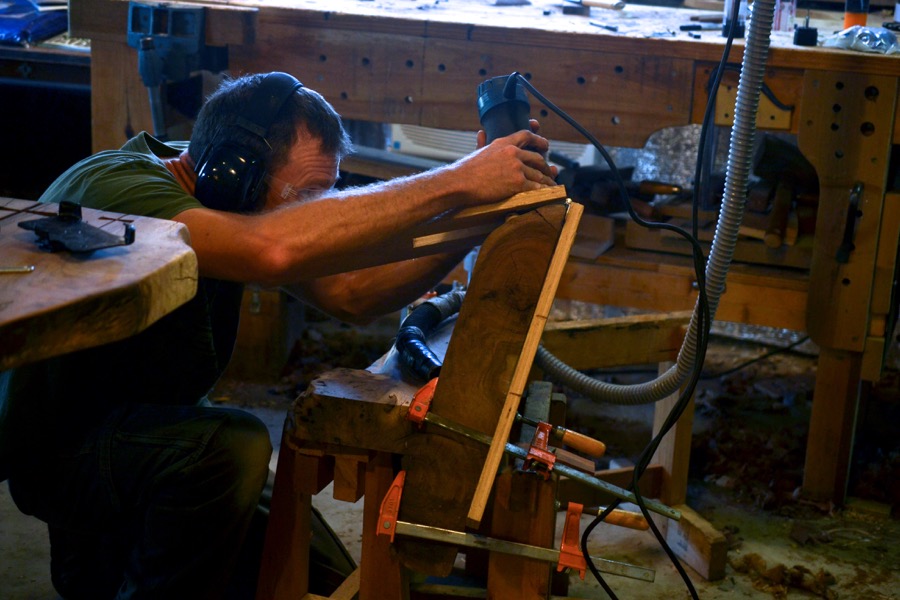
Routing out the waste

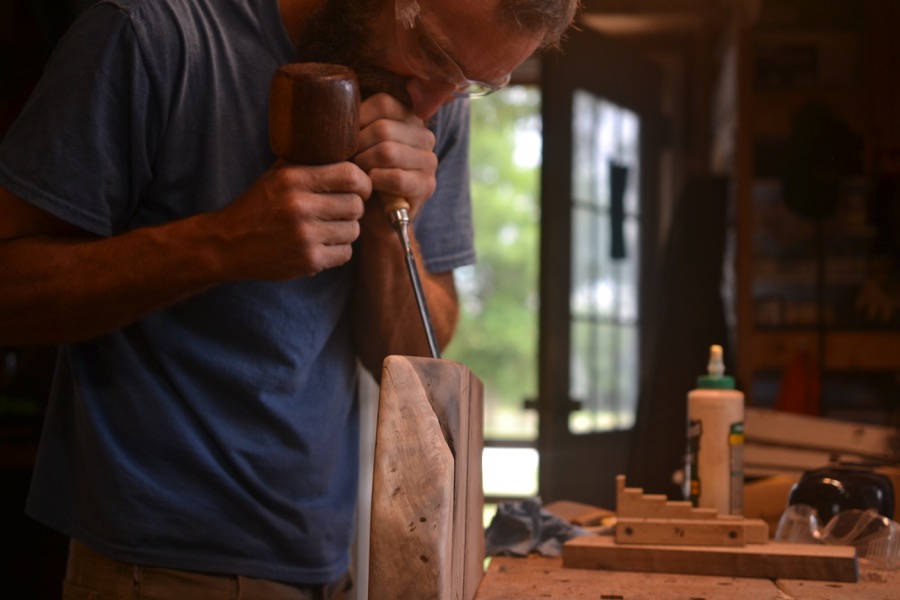
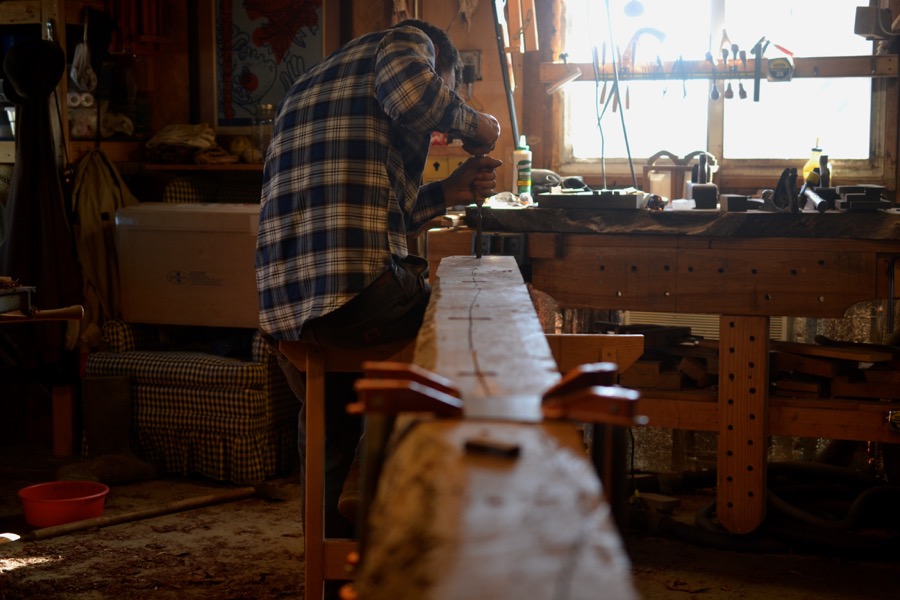
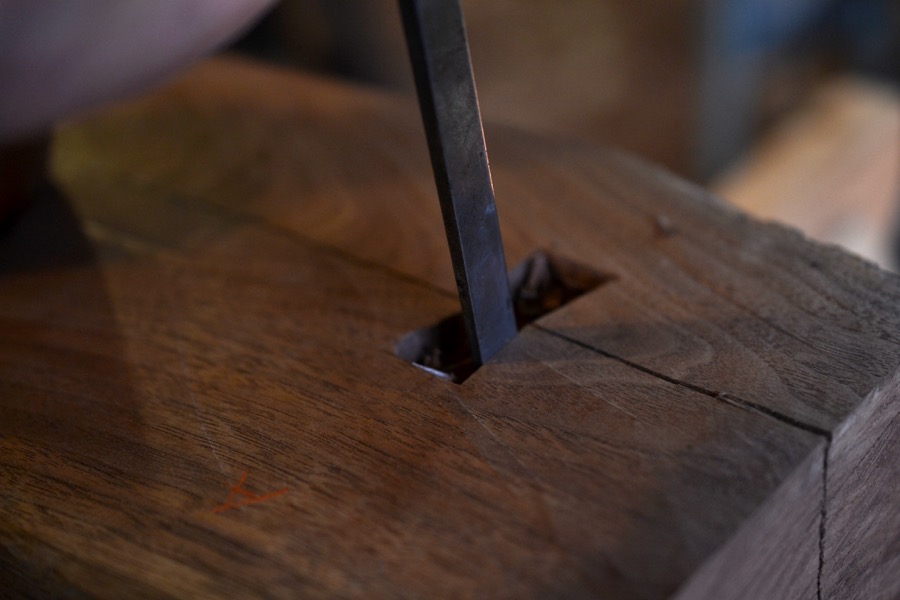
chopping the rest

right up to the knife line

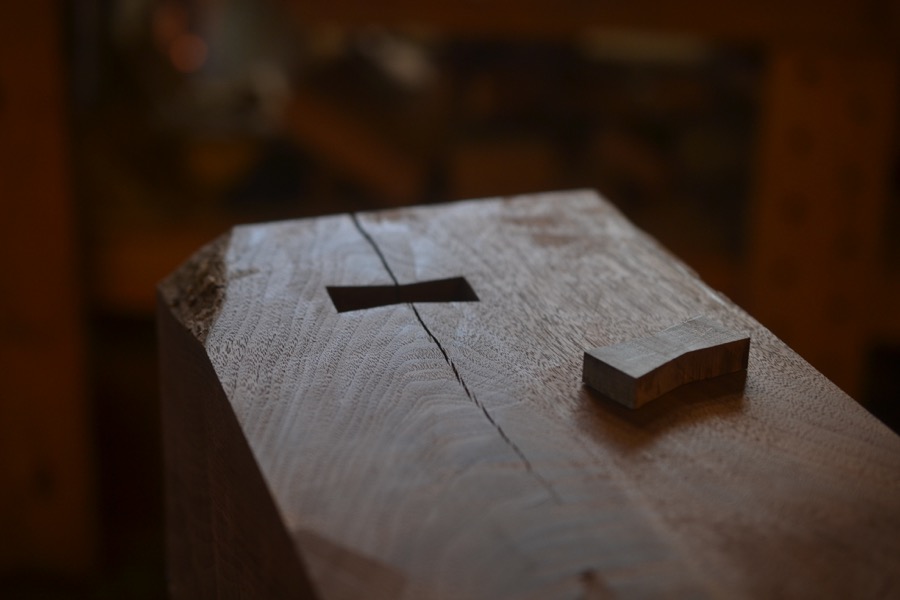
ready for the joining

carving the corbels (my documentation fell off for most of this process)

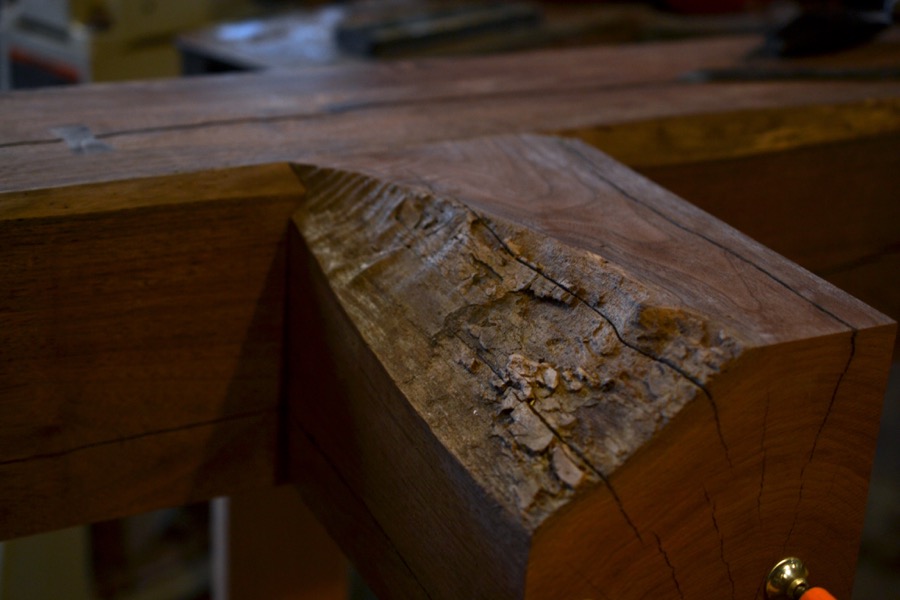
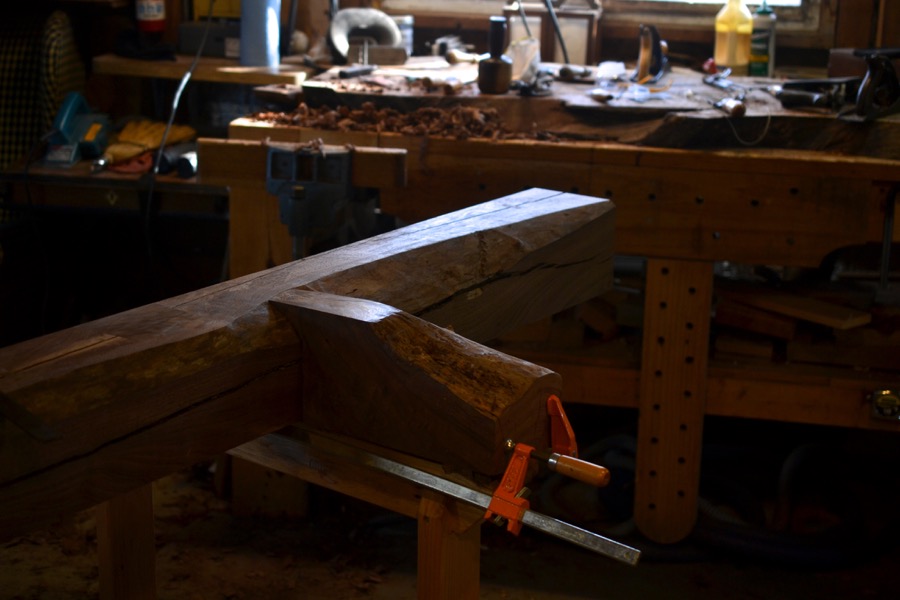
mating the various natural edges of the corbels to the mantel

a little further back

fitting the opposite corbel

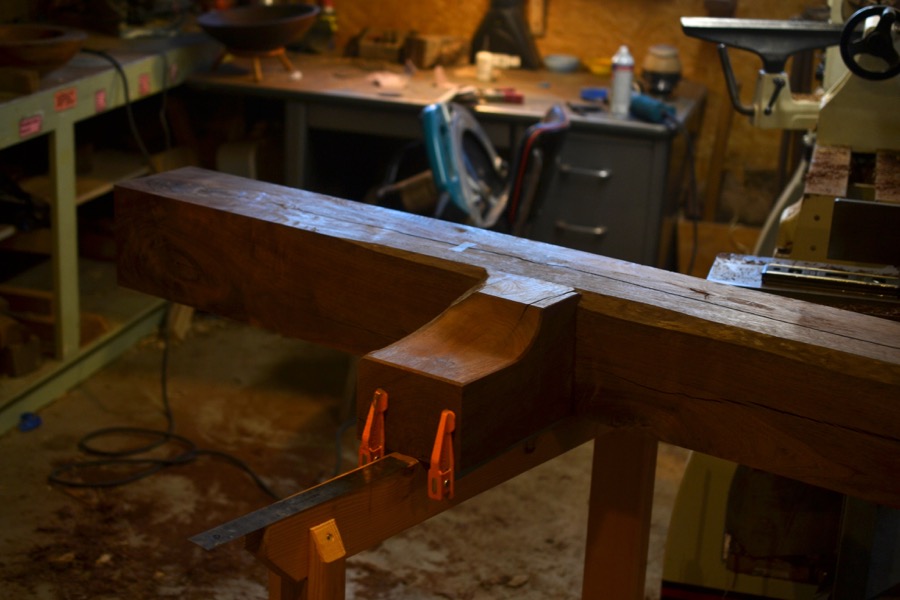
rough-cut cove on the left corbel

both corbels with coves-cut and awaiting final shaping

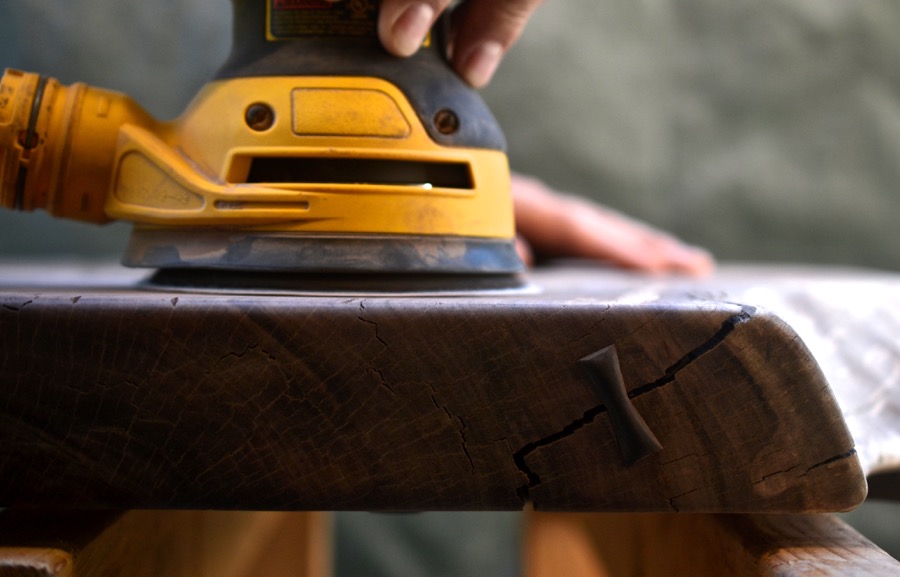
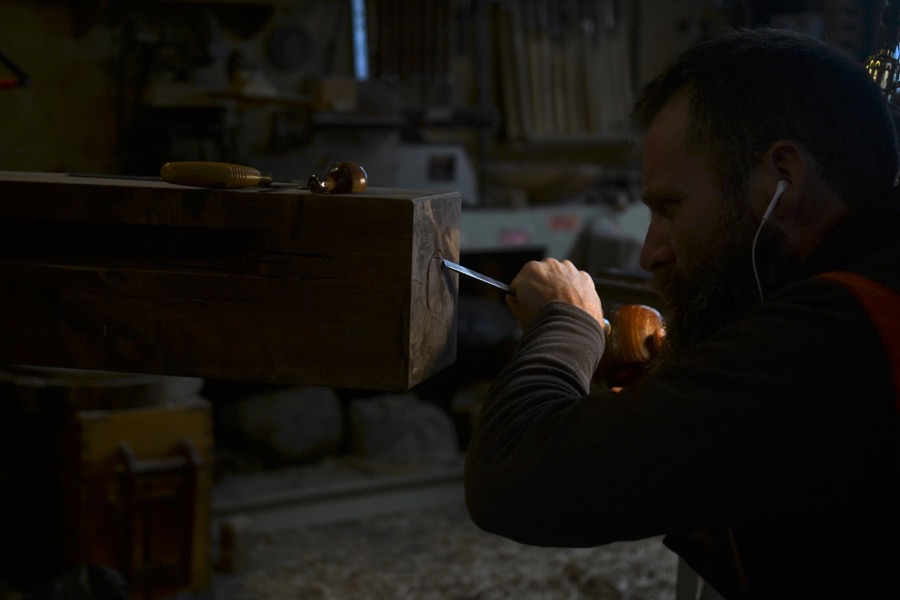
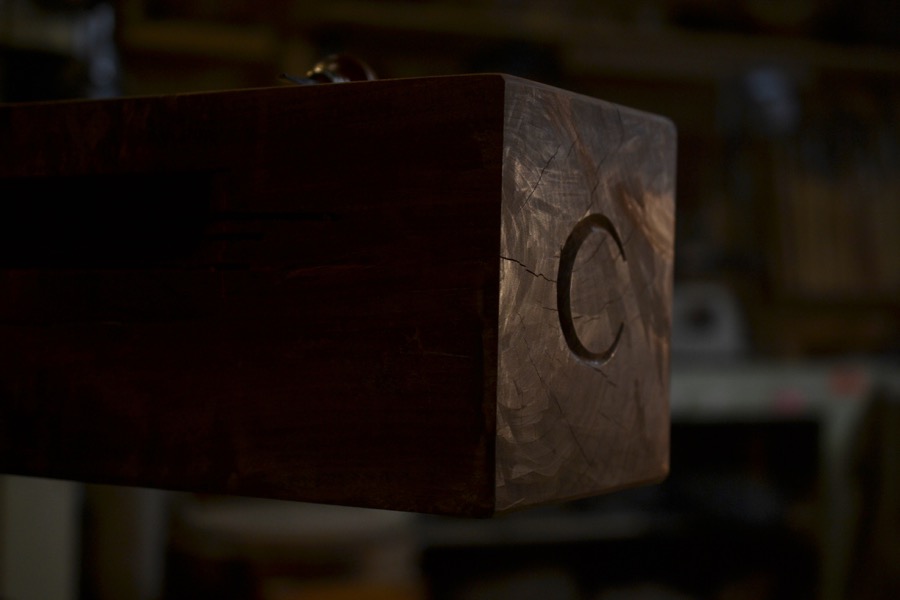
apply the final touches on the ends of the timber

“C” for the covenant

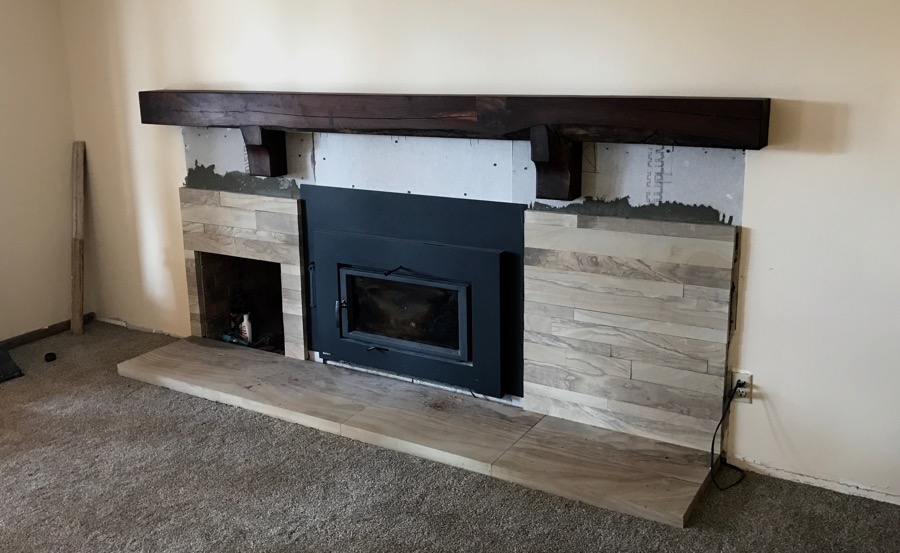
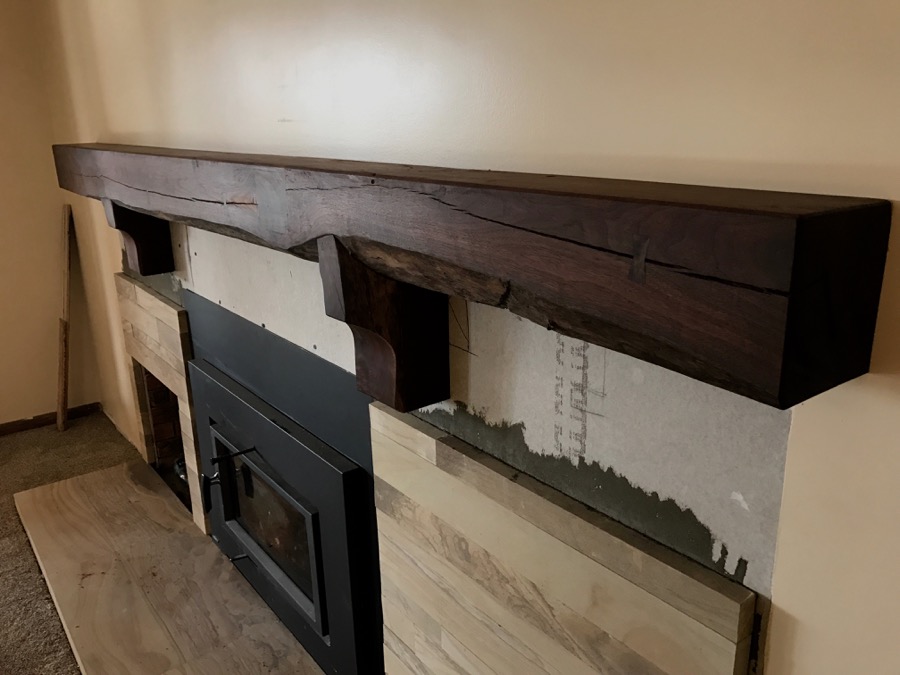
installed over the fire box, and the home-owner’s sandstone work.

I look forward to seeing it with the stone work done